
Restaurant Marketing Strategies That Actually Work in India
The future will belong to restaurants that balance hospitality, technology, and customer engagement equally well, because trust and memorable experiences drive long-term loyalty.

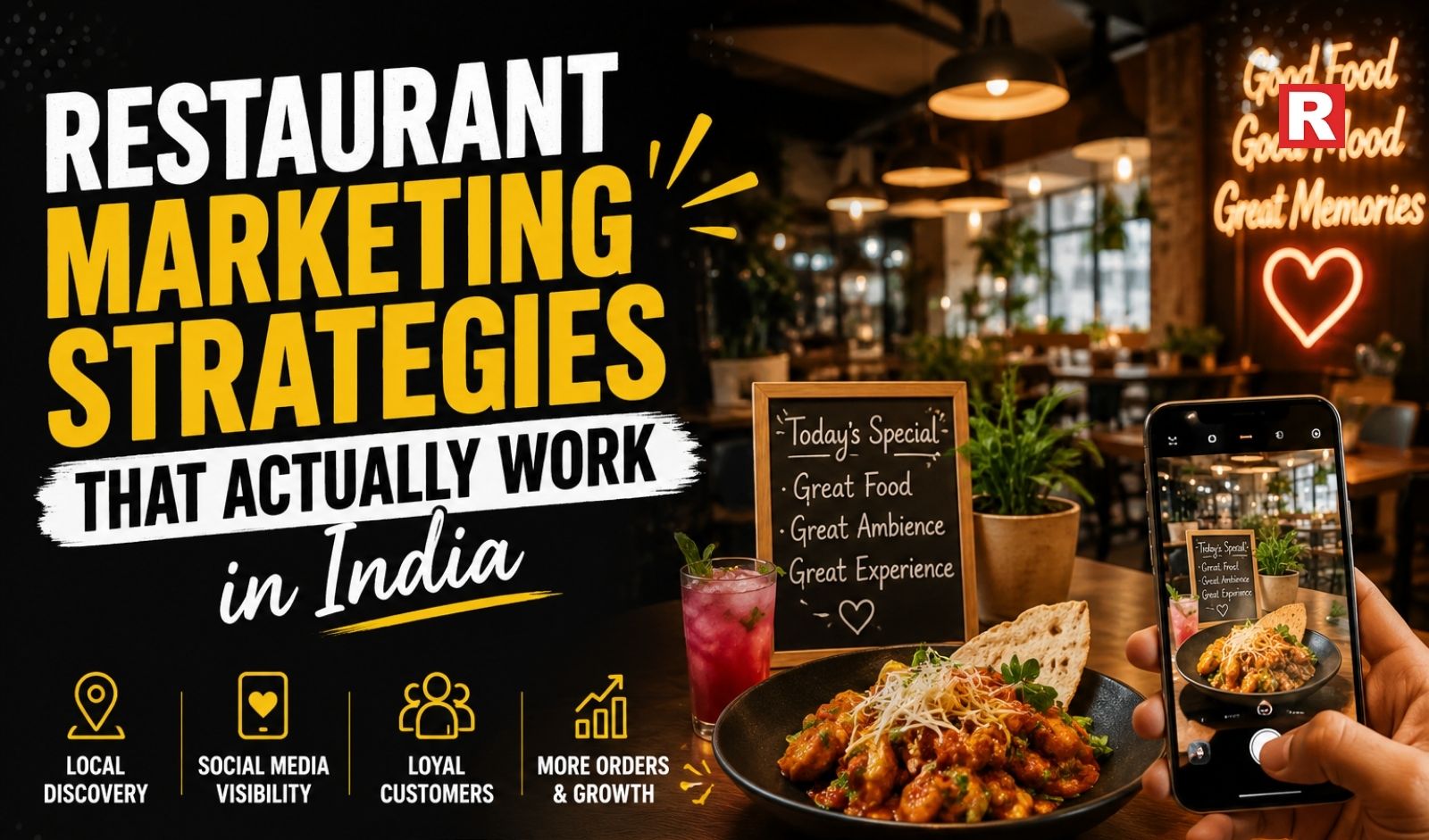
Running a restaurant in India has changed completely over the last few years. Good food is still important, but it is no longer enough to guarantee growth. Today, customers discover restaurants through Instagram Reels, Google Maps, food delivery apps, and influencer videos before they even look at the menu.
A café in Delhi can suddenly become popular because one Reel went viral. A cloud kitchen in Bengaluru can double its orders because of better Google reviews. A small restaurant in Mumbai can build loyal customers simply by creating strong community experiences. Restaurant marketing in India is now a mix of storytelling, technology, local visibility, and customer retention. The brands growing fast are not always spending the most money. They are simply understanding how modern diners behave online and offline.
Social Media Has Become the First Menu
Most customers in India now discover restaurants through social media before deciding to visit them. Platforms like Instagram have become digital storefronts where diners judge a restaurant’s vibe, food quality, and overall experience within seconds. Short-form videos are driving this shift rapidly. Content such as cheese pulls, chef plating, cocktail preparation, live grills, customer reactions, and aesthetic interiors often receives higher engagement than traditional advertisements because it feels more real and immersive. Many restaurants are also designing visually appealing corners, neon walls, and open kitchens specifically for social media visibility, as customers increasingly prefer “Instagrammable” dining spaces. Successful restaurant brands focus on storytelling rather than random posting. Behind-the-scenes kitchen moments, staff personalities, seasonal dishes, and founder stories help build emotional connection and trust. Consumers today respond more to authenticity and relatable content than heavily edited food photography or overly promotional campaigns.
Google Maps Is Quietly Driving Massive Traffic
Many restaurants spend heavily on social media but ignore their Google Business Profile. That is a huge mistake.
Today, people search for terms like:
- “Best café near me”
- “Late-night food in Delhi”
- “Best biryani in Hyderabad”
- “Rooftop restaurants in Bangalore”
If a restaurant is not optimized for local search, it loses customers daily.
A strong Google presence now requires:
- Updated timings
- Correct phone numbers
- High-quality photos
- Fast review responses
- Menu uploads
- Accurate location tags
Hyperlocal SEO is becoming one of the biggest growth drivers for restaurants globally and in India. Reviews are also extremely important. Customers trust real user reviews more than advertisements. Even a small difference between a 4.1 and 4.5 rating can influence footfall significantly. The first impression of a restaurant often happens on Google Maps now, not outside the outlet.
Delivery Apps Have Changed Restaurant Competition
Platforms like Zomato and Swiggy have completely changed restaurant marketing in India. Restaurants are no longer competing only with nearby outlets. They are competing with every restaurant visible on a customer’s mobile screen. This has created a new type of competition where visibility inside delivery apps matters a lot. Restaurants now invest in:
- Sponsored listings
- Better food photography
- Packaging upgrades
- Combo deals
- Faster preparation times
- Higher ratings
At the same time, many restaurant owners are becoming careful about overdependence on delivery platforms because commissions can reduce profits heavily. Discussions across restaurant communities and industry forums show growing concern around platform dependency and ad spending. This is why many smart restaurant brands are now trying to build direct customer relationships through:
- WhatsApp marketing
- Loyalty programs
- Mobile apps
- Email campaigns
- Direct ordering websites
Owned customer channels are becoming extremely important because they improve long-term profitability.
Influencer Marketing Works Best When It Feels Real
Influencer marketing still works in India, but the strategy has changed. Restaurants earlier focused on celebrity influencers with massive follower counts. Now, many brands are seeing better results with local food creators and nano influencers who have smaller but highly engaged audiences. A Delhi café collaborating with a creator who genuinely explores NCR food spots often performs better than a celebrity promotion. Customers now quickly recognize forced advertising.
The most effective influencer campaigns usually include:
- Honest food experiences
- Natural storytelling
- Real customer reactions
- Casual videos
- Hyperlocal creators
Industry experts also believe influencer marketing is shifting toward local creators with strong community trust rather than large national influencers. Restaurants should also track proper metrics instead of only views. Engagement rate, saves, comments, and actual conversions matter far more than vanity numbers.
Experience-Led Dining Is Becoming Bigger
Indian consumers are increasingly spending on dining experiences rather than just food, especially in metro cities like Mumbai, Bengaluru, Delhi, and Goa. Restaurants are evolving into social and cultural spaces where customers look for entertainment, community interaction, and memorable moments alongside meals. Industry trends show that experiential dining, immersive interiors, and storytelling-led hospitality are becoming major growth drivers for the restaurant sector in India. Many brands are now creating event-based engagement strategies to encourage repeat visits and stronger customer loyalty. Even unusual trends, such as “Diet Coke parties” during recent supply shortages, became viral marketing opportunities because they created exclusivity and social buzz.
- Open mic nights — Encourage community participation and increase weekday footfall
- Match screenings — Drive group dining during sports events
- Coffee workshops — Build customer engagement through learning experiences
- Pet-friendly brunches — Attract younger urban audiences and families
- Cocktail tasting sessions — Create premium and interactive dining experiences
Loyalty Programs Matter More Than Viral Fame
Going viral on social media can increase visibility for a restaurant, but long-term growth usually comes from repeat customers. This is why many restaurant brands in India are now investing heavily in loyalty and retention strategies instead of relying only on discounts or influencer campaigns. Restaurants are using customer data and technology to create personalized dining experiences and improve repeat visits. Modern POS systems, CRM tools, and AI-based analytics help brands understand customer behavior, manage inventory better, and increase profitability. Industry experts also believe retention-focused marketing will become one of the strongest growth drivers for restaurants globally in the coming years because retaining an existing customer is often more cost-effective than acquiring a new one.
- Birthday rewards — Encourage repeat visits through personalized offers
- Cashback systems — Increase customer spending and app engagement
- Membership dining — Offer exclusive deals and premium experiences
- Referral programs — Turn loyal customers into brand promoters
- Personalized discounts — Target customers based on order history and preferences
- App-based rewards — Improve customer retention through digital convenience
- Smart analytics — Track favorite dishes, peak hours, and spending patterns for better business decisions
Restaurants Need Consistency More Than Trends
Many restaurants struggle with long-term growth because they keep chasing short-term trends instead of building a strong and recognizable identity. One week they follow meme marketing, the next week they imitate a viral café aesthetic, and then suddenly change their branding or menu style again. While trends may bring temporary attention online, inconsistent branding often confuses customers and weakens trust. Successful restaurant brands usually maintain consistency across their communication, food quality, customer service, interiors, packaging, and digital presence. Whether it is a premium fine-dining space or a casual café, customers should instantly recognize the restaurant’s personality and experience. Restaurant marketing experts also believe that strong operational systems and a clear brand voice perform better over time than random viral tactics because consistency creates familiarity and reliability. Restaurants that repeatedly deliver the same quality, service standards, and storytelling are more likely to build loyal customer communities. In today’s competitive market, people return to restaurants they trust, not just the ones that briefly trend online.
The Future of Restaurant Marketing in India
Restaurant marketing in India is rapidly evolving toward personalization, hyperlocal discovery, authenticity, and experience-led dining. Customers today expect much more than just good food. They look for convenience, emotional connection, unique stories, visually appealing spaces, and experiences they can share online. This shift is especially visible among younger consumers who often discover restaurants through social media, Google searches, and creator-led content before making dining decisions. Restaurants that are growing quickly are focusing on building loyal communities, maintaining strong digital visibility, and creating personalized customer experiences through loyalty programs and smart technology. Many brands are also using customer data, AI-based analytics, and CRM tools to understand dining behavior and improve service quality. At the same time, authenticity has become extremely important, as customers now connect more with transparent storytelling and relatable content than traditional advertising. The future will belong to restaurants that balance hospitality, technology, and customer engagement equally well, because trust and memorable experiences drive long-term loyalty.
Saptopriya Ghosal
Feature Writer
I am a dedicated media professional with a bachelor's degree in mass communication from the State University of Calcutta and a postgraduate degree from Amity University. My academic journey has equipped me with a profound understanding of storytelling and communication. Passionate about the dynamic world of media, I continually strive to explore new ways to engage and inform through compelling narratives.



































































