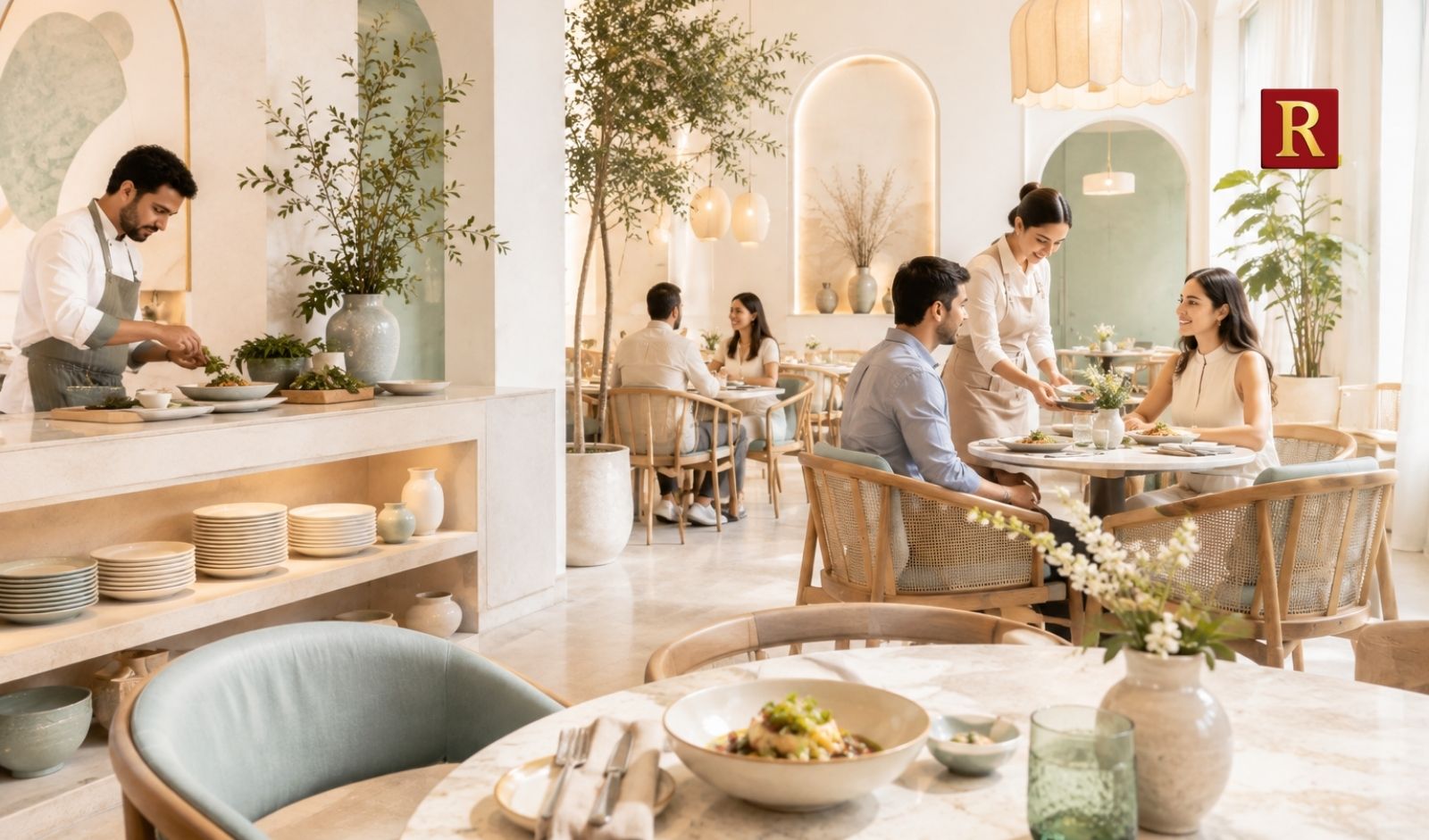
Restaurant Dishes That Look Simple but Are Costly to Produce
A simple-looking restaurant dish can carry a complex production cost. Dal makhani depends on time and slow cooking. Risotto needs attention during service. Ravioli requires manual work.


A restaurant dish can look simple on the plate and still require significant time, labour and preparation in the kitchen. The number of ingredients does not tell the full story. Dal makhani is made mainly with lentils, beans, tomatoes, butter and cream. Risotto is built around rice and stock. Ravioli is essentially pasta with a filling. Yet each of these dishes involves processes that can add to the real cost of production.
For restaurants, the calculation goes beyond the price of ingredients. Yield, preparation time, cooking time, wastage, skilled labour and accompaniments also matter. This is why a simple-looking plate can require much more kitchen work than a customer may realise.
What Makes a Simple Dish Costly?
Restaurant costing starts with ingredients, but it does not end there. A kitchen may buy 1 kg of an ingredient but use much less after peeling, trimming, deboning or cooking. Some dishes also require separate stocks, sauces or garnishes that are prepared before service.
There is another cost that is easy to overlook: time. A chef preparing one made-to-order dish cannot use that same time for another order. A preparation that needs constant stirring, shaping or monitoring also uses valuable kitchen labour. Recipe costing therefore needs to consider the usable yield and the full recipe, including sauces and accompaniments. The final selling price is also linked to the restaurant's target food-cost percentage and contribution margin. Here are seven dishes that show how this works.
7 Restaurant Dishes That Look Simple but Costly to Produce
1. Dal Makhani: The Cost Is in the Cooking Time

Dal makhani may look like a simple bowl of lentils, but the process behind it is far more involved. The dish traditionally uses whole black urad dal and rajma. The lentils are soaked before cooking and then combined with a tomato-based masala, butter and cream. A Food Network recipe lists a total preparation time of about 12 hours, including soaking. Other restaurant-style methods involve extended simmering after the lentils have been cooked. The long cooking process matters because the lentils need to break down and release starch. This creates the thick, creamy texture associated with the dish. For a restaurant, that means more than ingredient cost. There is soaking, cooking, stirring, simmering, consistency control and finishing. Butter and cream also add to the recipe cost. The interesting point is that the expensive part may not be the lentils. It can be the time required to turn those lentils into the final dish.
2. Risotto: Rice That Needs Constant Attention

Risotto is another dish where the ingredient list looks deceptively short. A basic version can contain Arborio rice, onion, wine, stock, butter and Parmesan. The technique makes the difference. The stock is kept warm and added gradually to the rice. The rice is stirred as the liquid is absorbed. This process is repeated until the grains reach the desired texture. A standard Food Network method takes about 17 to 19 minutes for the rice to cook after the stock is added. Other versions take around 30 to 40 minutes in total. That makes risotto different from a rice dish that can simply be cooked and held. It needs attention during service. The restaurant also needs a prepared stock, quality rice, butter and cheese. If the dish is made to order, the chef's time becomes part of the production equation. The customer sees a bowl of creamy rice. The kitchen sees a process that needs timing and control.
3. Handmade Ravioli: The Labour Is Hidden in Every Piece

Ravioli demonstrates another type of hidden cost: manual production. The dough needs to be rolled into thin sheets. The filling has to be portioned evenly. Each portion is placed at measured intervals. The pasta is then folded, sealed and cut. Even a basic handmade ravioli process can involve checking the seals to prevent filling from escaping during cooking. This becomes significant when a restaurant needs dozens or hundreds of pieces for service. The filling itself may also contain several ingredients. Cheese, vegetables, herbs or meat need to be prepared before the ravioli is assembled. Then there is the sauce. A plate that contains eight or ten ravioli may therefore represent several separate kitchen tasks. The raw materials may not look particularly expensive. The labour required to make every piece consistent is what changes the economics.
4. Consommé: A Simple Bowl With a Technical Process

Consommé is one of the clearest examples of a dish whose appearance hides its preparation. The finished product can look like a clear bowl of broth. Getting there is the difficult part. Traditional consommé involves making a concentrated stock and then clarifying it. Egg whites can be used to form a raft that captures suspended particles, leaving a clearer liquid. That means the kitchen is not simply boiling ingredients and serving the resulting liquid. It is controlling temperature, clarification and filtration. There is also a yield issue. The restaurant starts with a larger quantity of raw ingredients and liquid but serves a much smaller quantity of finished consommé. The final bowl may look light. The preparation behind it is not.
5. French Fries: A Potato Requires Several Steps

French fries are often considered one of the simplest restaurant sides. But fresh-cut fries can require several stages before they reach the plate. Potatoes need to be selected, peeled or cleaned, cut, washed and dried. Depending on the restaurant's method, they may then be blanched before being fried again at a higher temperature. Oil also becomes part of the operating cost. The kitchen has to manage fryer space, oil quality, preparation time and consistency during service. There is another issue: yield. Not every part of a potato becomes a perfectly shaped fry. Cutting and trimming create waste. So the cost of a serving is not simply the purchase price of the potato. It includes preparation, oil, labour, equipment use and the usable yield.
6. Saffron Rice: When a Few Threads Matter

Saffron rice can look extremely simple. Rice forms most of the plate, with a small amount of saffron providing colour and aroma. But saffron is one of the world's most labour-intensive culinary spices. Each saffron flower produces only three stigmas, which are collected and dried. This explains why a tiny visible quantity can have a meaningful ingredient cost. The restaurant may use only a few threads in each portion, but the ingredient itself has already passed through a highly labour-intensive production process. There can also be additional ingredients such as butter, stock, nuts or fried onions depending on the recipe. This creates an important restaurant-costing lesson: The quantity of an ingredient on the plate does not always reflect its value. Sometimes the smallest ingredient carries a disproportionate cost.
7. Onion Soup: Cheap Raw Material, Long Preparation

Onions are not generally considered a premium restaurant ingredient. Yet a traditional onion soup can require considerable cooking time. The onions need to be slowly cooked until they develop a deep colour and concentrated flavour. They cannot simply be browned quickly and treated as finished. The soup may then use stock, seasoning, bread and cheese. The cooking process also reduces the onions substantially. A large quantity of raw onions produces a much smaller finished preparation. This is where yield becomes important. The restaurant buys onions by weight. The customer receives a concentrated cooked preparation. The difference between those two weights is part of the real food-cost calculation.
The Real Cost Is Bigger Than the Plate
These seven dishes show different types of hidden restaurant costs.
- Dal makhani: long cooking and repeated finishing
- Risotto: made-to-order attention and stock usage
- Ravioli: manual shaping and portioning
- Consommé: clarification and low final yield
- French fries: preparation, oil and yield management
- Saffron rice: a small quantity of a highly labour-intensive ingredient
- Onion soup: long cooking and major reduction in volume
The common factor is that ingredient price alone does not explain the economics. A restaurant may also need to account for preparation labour, energy, wastage, storage, sauces, garnishes and accompaniments. For example, a dish that uses a low-cost main ingredient can still require an expensive stock, sauce or garnish. A handmade item can have modest ingredient costs but significant labour costs. This is why professional kitchens use recipe costing rather than simply looking at supermarket prices.
What the Guest Sees vs What the Kitchen Does
A useful way to understand restaurant pricing is to compare the plate with the process.
The guest sees: A bowl of dal.
The kitchen handles: Soaking, cooking, masala preparation, simmering, stirring, seasoning and finishing.
The guest sees: A plate of ravioli.
The kitchen handles: Dough preparation, rolling, filling, portioning, sealing, cutting, cooking and sauce preparation.
The guest sees: A bowl of risotto.
The kitchen handles: Stock preparation, measured additions, stirring, timing and final finishing.
That gap between appearance and production is where much of the hidden cost sits. For restaurant operators, the lesson is practical. A dish should be evaluated by its complete recipe, usable yield, labour requirement and contribution margin. For diners, it offers a different perspective. A simple-looking plate is not necessarily a simple product. Sometimes the most important work in a restaurant happens before the dish ever reaches the table.
Looking Ahead!
A simple-looking restaurant dish can carry a complex production cost. Dal makhani depends on time and slow cooking. Risotto needs attention during service. Ravioli requires manual work. Consommé demands technical preparation. Fries involve multiple stages and oil management. Saffron can add significant value in a very small quantity. Onion soup shows how cooking and reduction can change the economics of an inexpensive ingredient. For restaurants, this is why menu pricing cannot be based only on the cost of the main ingredient. Yield, preparation, labour, energy, wastage, sauces and accompaniments all contribute to the final cost of a plate. For diners, the lesson is equally useful. The next time a simple dish carries a higher price, the ingredient list may not tell the whole story. The real work may be happening in the kitchen long before the plate reaches the table.
Saptopriya Ghosal
Feature Writer
I am a dedicated media professional with a bachelor's degree in mass communication from the State University of Calcutta and a postgraduate degree from Amity University. My academic journey has equipped me with a profound understanding of storytelling and communication. Passionate about the dynamic world of media, I continually strive to explore new ways to engage and inform through compelling narratives.