
Practical ways to train staff for better customer service
In the culinary sector, one of the most important things, even before the food, is the service provided by the staff of the restaurant. A restaurant's service frequently sets it apart from the competition. A decent meal can become a memorable experience, a first-time visitor can become a regular, and even an otherwise bad evening can be saved by providing exceptional customer service. However, regardless of how good the food is, bad service can quickly damage a restaurant's reputation.

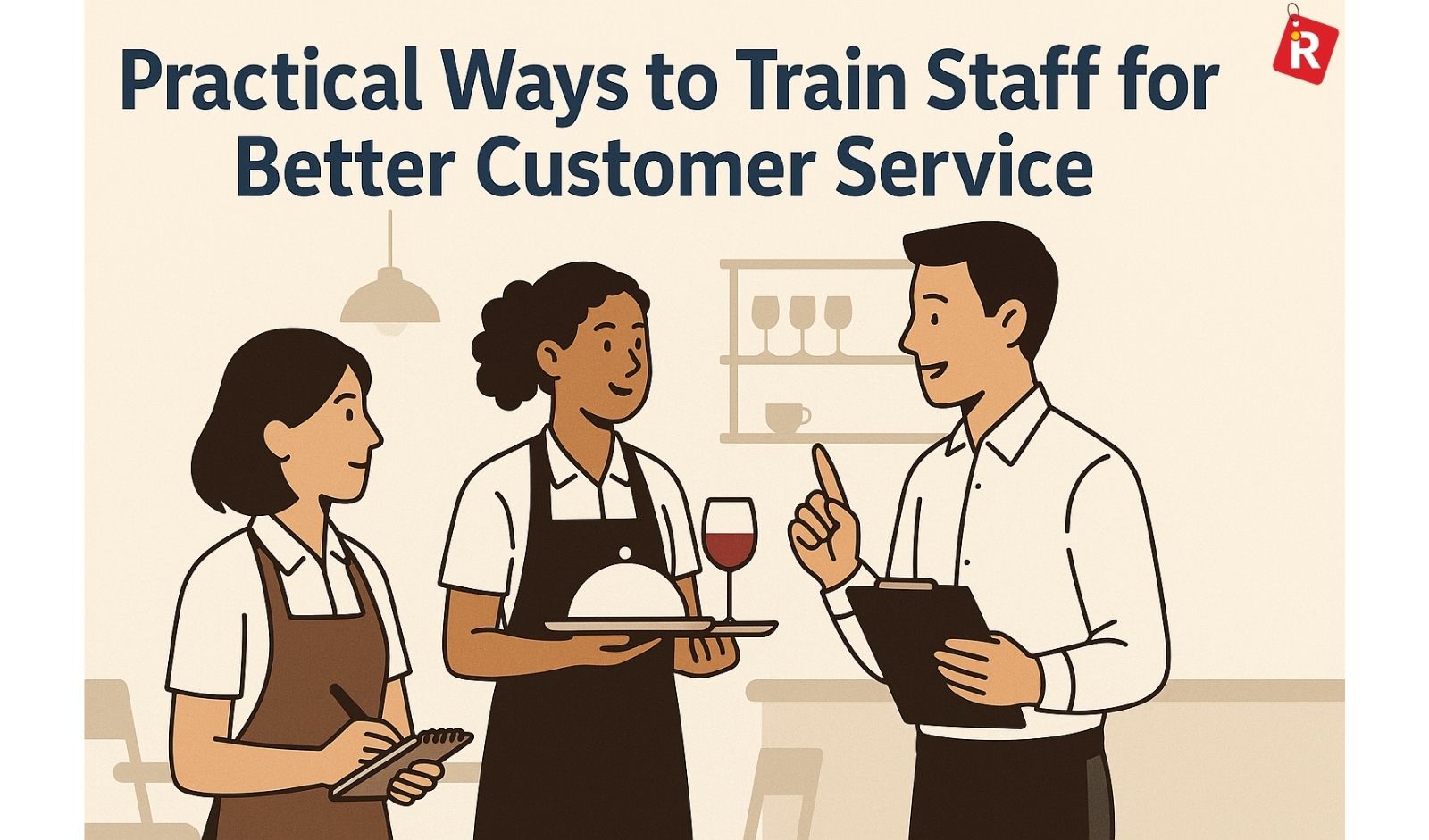
In the culinary sector, one of the most important things, even before the food, is the service provided by the staff of the restaurant. A restaurant's service frequently sets it apart from the competition. A decent meal can become a memorable experience, a first-time visitor can become a regular, and even an otherwise bad evening can be saved by providing exceptional customer service. However, regardless of how good the food is, bad service can quickly damage a restaurant's reputation.
Investing in customer service training for employees is a strategic necessity for restaurant owners, particularly in a competitive market. Encouraging your staff to be the best representatives of your business will guarantee that each customer departs happy and excited to come back. This in-depth article will examine achievable, realistic strategies for preparing your restaurant employees to provide exceptional customer service, turning your service into a distinguishing feature of your business.
Read more: What Gen Z Really Eats: 10 High-Protein Indian Meals That Don’t Taste Boring
Creating the Foundation for Exceptional Service
Establishing a basic understanding of the importance of customer service and what excellent service actually means for your particular business is essential before any specialized training starts.
- The Undeniable Value of Service Excellence: Every team member must understand that providing exceptional service is far more than just being kind; it has a direct impact on the restaurant's profitability. An increase in repeat business, larger tips for employees, positive ratings on websites like Zomato and Google Maps, and a rise in priceless word-of-mouth recommendations are all direct results of investing in first-rate service. Employees are much more motivated to perform well when they recognize this concrete connection, which builds loyalty and enhances the restaurant's overall success. A strong internal drive for excellence is created by this focus on the return on investment of service training.
- Establishing Your Own Service Standards: Don't let "good service" be interpreted in any way. Establishing clear, defined customer service policies that are suited to their unique brand and operating style is necessary for restaurants. Every stage of the customer journey, from the time a customer enters the restaurant until they leave, should be carefully described in these restaurant service guidelines. Having encyclopedic menu knowledge, welcoming customers within a set timeline, maintaining consistent eye contact, addressing client complaints with elegance, and saying goodbye with warmth and sincerity are all examples of this. All employees, regardless of experience level, are guaranteed to be consistent thanks to these clearly stated benchmarks.
- Building a Genuine Service-First Culture: Providing outstanding customer service is a philosophy that gets into every part of your business, not just a set of chores. You are the main creator of this culture as the manager or owner. In each interaction, set an example of the desired conduct. Make it obvious that going above and beyond is appreciated by publicly praising and rewarding instances of exceptional service. Include client feedback as a learning tool rather than a punishing one in routine team interactions. Giving staff the freedom to address little problems immediately promotes a customer-centric mindset and results in prompt, attentive service that pleases customers.
What's new: How to start a restaurant blog and attract customers
Developing the Art of Teaching Skills: Adaptive Training Methods
There is much more to effective service training than a dry lecture. It calls for capturing approaches that boost self-assurance and practical skills.
- Role-playing Scenarios: Few strategies work as well for front-of-house employees as role-playing customer service scenarios. Hold engaging exercises in which employees pretend to be in typical and difficult customer service scenarios (such as greeting customers, taking orders, and addressing complaints). Give constructive criticism in a relaxed setting to boost self-esteem and improve abilities.
- Deep Menu Mastery: A waiter cannot deliver truly exceptional service unless they are intimately familiar with the menu. Provide frequent, practical menu training in which employees sample each meal. Ingredients, preparation techniques, common allergens, and the best combinations should all be taught to them. Employee motivation is improved through carrying out regular quizzes.
- Mentoring and shadowing: Assign new workers to seasoned, productive employees so they can watch service during peak hours. Encourage mentors to provide real-time advice and an explanation of their activities. "Reverse shadowing" is another tool that managers might use to find coaching opportunities. This provides critical on-the-job training, enforces best practices, and fosters a collaborative team culture in which knowledge is openly shared.
- Continuous Learning & Micro-Training: Training is not a one-time event; it is a continuous process. Make sure that your skills are continuously improved by holding brief, targeted refresher courses (15–30 minutes) or by "micro-learning" through brief movies, quizzes, or advice. This addresses particular areas for improvement and keeps skills sharp.
Know this: A CULINARY DEBUT: INDIA WELCOMES ITS FIRST MODERN CHINESE POP-UP AT ZEN!
Key Customer Service Skills
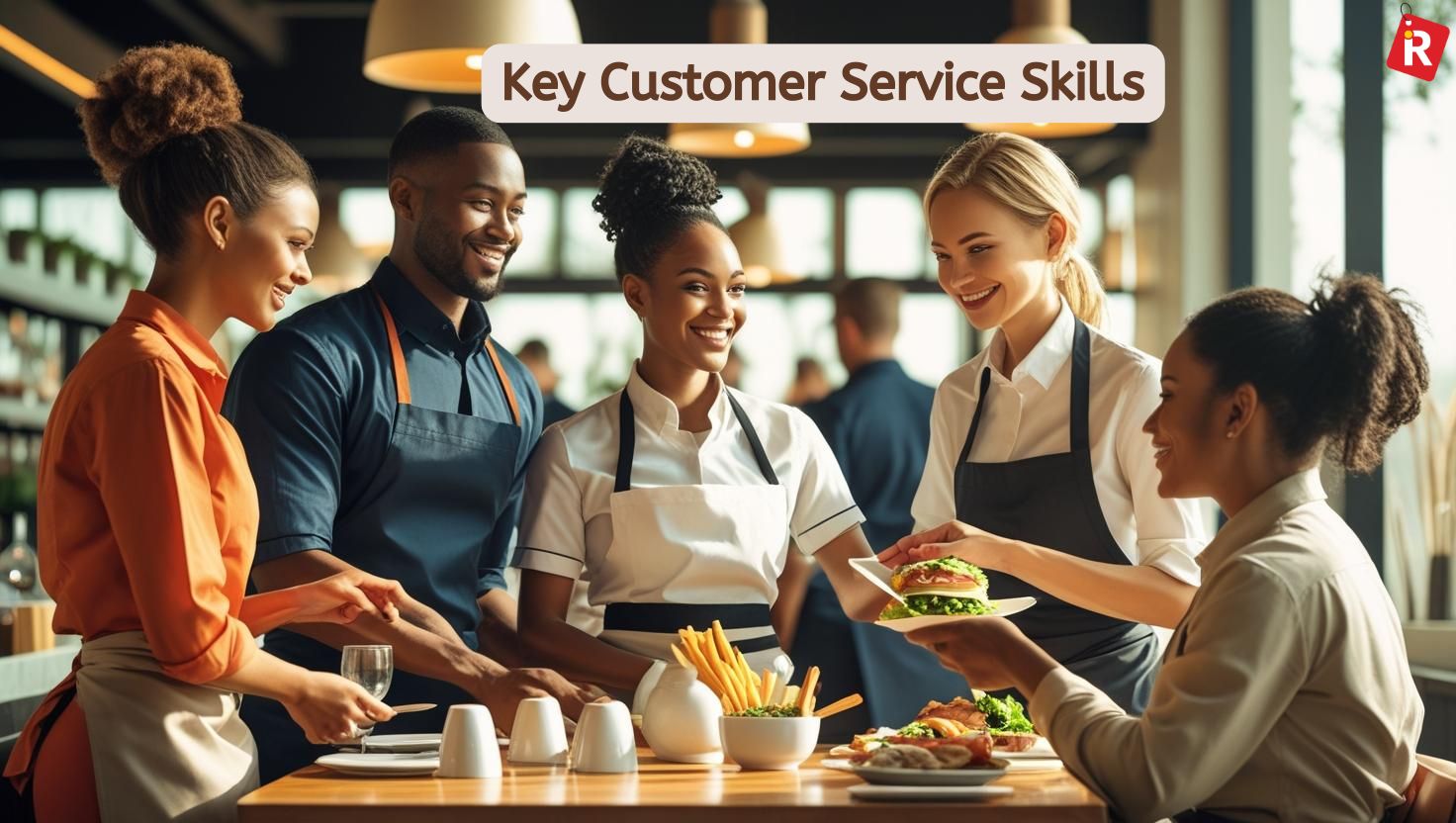
Good training focuses deeply on the particular, subtle abilities that come together to produce an incredibly amazing client experience.
- The Critical First and Last Impressions: A customer's impression is greatly influenced by the greeting and departure. Teach employees how to greet guests with a genuine smile and eye contact as soon as possible, maybe within 30 seconds of their arrival. The goodbye is just as crucial; it should be kind and thankful, maybe a sincere "Thank you for dining with us! We hope to see you again soon!" These first and last exchanges create a favorable impression that lasts throughout the dinner and greatly influences the possibility of return visits.
- Paying Attention and Predicting: Train employees to do more than just hear what customers have to say. Urge them to closely observe nonverbal clues and offer clarifying questions. In addition to ensuring proper order taking, this builds trust. More significantly, teach them to anticipate client demands by immediately refilling water glasses, offering additional drinks without being asked, quickly cleaning away empty dishes, and generally being one step ahead of the customer. This attentive service greatly improves the dining experience and makes guests feel truly valued.
- Overcoming Obstacles: Handling complaints expertly is arguably the most important service ability. Instruct employees on a clear, step-by-step process for addressing restaurant complaints: first, actively listen without interrupting; second, show empathy for the customer's annoyance; third, sincerely apologize (even if they weren't at fault); fourth, offer a solution; and fifth, follow up to make sure the customer is satisfied. Giving employees the freedom to resolve little problems immediately turns potentially negative situations into chances to demonstrate superior service recovery techniques, which frequently results in increased customer loyalty compared to when the problem had not occurred.
- Improving the Experience: Train employees to use suggestive selling as a legitimate approach to improve the eating experience for customers, rather than as a pushy sales technique. Their extensive menu knowledge serves as the direct reason for this. For instance, a waitress might suggest, "Would you like to begin with our popular Paneer Tikka, which pairs wonderfully with our fresh mint chutney?" rather than "Do you want a starter?" and "Our chef's special dessert, the Gulab Jamun with Rabri, is a perfect end to your meal." By gently encouraging servers to use upselling strategies, this strategy raises the average check amount while giving customers a sense of direction and introducing them to new favorites.
Check out: How to create a restaurant menu from scratch
Coffee Cocktail Drinks: 10 Must-Try Options to Follow in 2025
The Cycle: Feedback, Development, and Recognition
Excellent service is a continuous process of improvement driven by feedback and an appreciative culture rather than a final destination.
- The Vital Loop: Use a variety of channels to get feedback from customers. Traditional comment cards, electronic feedback forms that can be accessed through QR codes on tables, and constant observation of internet review sites like TripAdvisor, Google Maps, and Zomato are a few examples of this. Crucially, go over this feedback regularly in team meetings, addressing persistent problems head-on and praising favorable remarks to raise spirits. This shows how important customer feedback is and enables rapid corrections in the course based on practical experiences.
- Individual Growth: Conduct regular, individual performance reviews for your employees, with a strong emphasis on service standards. Provide detailed, actionable comments, praising concrete examples of great service while explicitly identifying areas for improvement. Provide constructive mentoring and further targeted training as needed. This ensures individual accountability, ongoing skill development, and reinforcement of desired behaviors that contribute to overall service excellence.
- Celebrate Excellence: Publicly recognize and praise employees who consistently provide excellent customer service. This could take various forms, including an award, bonuses based on great customer feedback, gift cards, or simply genuine vocal gratitude in front of their fellow employees. Creating a culture in which going the extra mile is celebrated boosts morale, promotes healthy competition, and reinforces the value of customer service. Employee appreciation programs are highly effective motivators.
Read this: How can a small restaurant double its customers in 6 months?
Conclusion
In the vibrant restaurant scene, where culinary creativity is plentiful, the quality of your customer service can genuinely differentiate you. It's the secret ingredient that improves every dish and turns an ordinary meal into an amazing experience. You're not just serving food; you're building relationships by implementing practical, ongoing training techniques, providing your employees with essential interaction skills, and cultivating a culture of continuous improvement.
Investing in your team's customer service skills benefits your restaurant's reputation, revenue, and long-term success. It ensures that each customer departs with a grin, becomes an ambassador for your business, and anxiously anticipates their next visit, transforming your restaurant into a beloved destination.
Mahak Sharma
Content Writer
Mahak Sharma is a passionate content writer with 2 years of experience crafting compelling content across various niches, tailoring her writing to suit different audiences and platforms. She is dedicated to producing engaging content for readers so that they can understand and enjoy the articles. Her strengths lie in crafting SEO-friendly, well-structured articles that drive visibility and engagement.



































































