
Personalizing the Buffet: Why A La Carte Add-ons are Your Next Big Opportunity
Whether they're a business delegate, a wedding guest, or a high-end leisure traveler, today's demanding Indian customer wants an experience catered to their unique dietary requirements, status, and palate rather than merely selecting from a buffet.

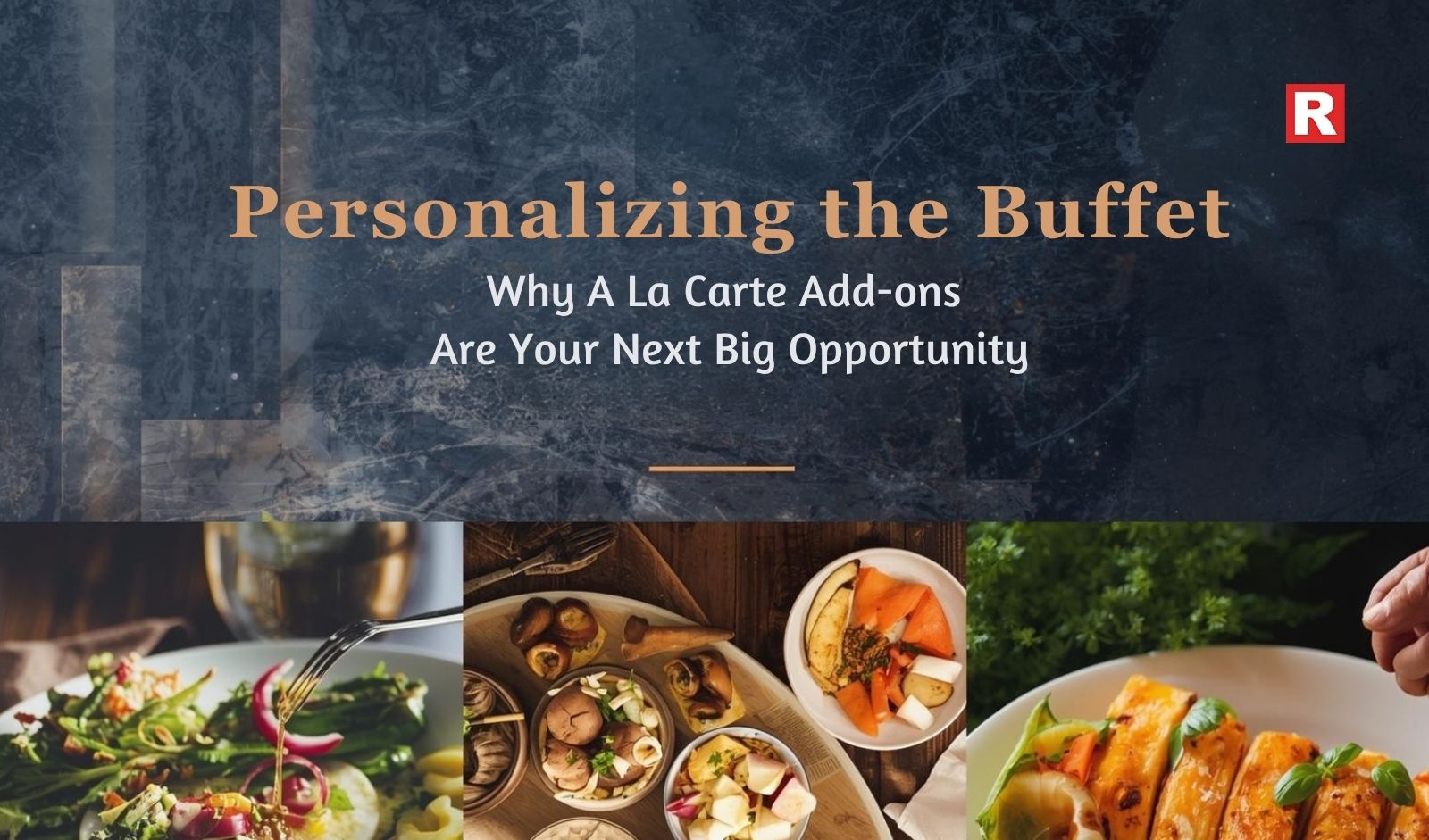
For many years, the buffet has been the mainstay of lavish Indian hospitality, representing ample diversity and the giving nature of a host. The buffet line's visual spread conveys size and diversity, from the sumptuous wedding feasts that shape cultural memory to the large business conference meals that drive India's thriving MICE (Meetings, Incentives, Conferences and Exhibitions) industry. Nonetheless, the typical, set-price buffet model is hitting a barrier on perceived luxury and profitability in the quickly changing 21st-century environment, where increased disposable incomes and worldwide exposure have fueled the desire for customized, individualized experiences.
Whether they're a business delegate, a wedding guest, or a high-end leisure traveler, today's demanding Indian customer wants an experience catered to their unique dietary requirements, status, and palate rather than merely selecting from a buffet. The Personalized Hybrid Buffet is a ground-breaking possibility for the hospitality industry brought about by this growing need. À La Carte Add-ons are strategically introduced to accomplish this concept.
This strategy combines the uniqueness, accuracy, and perceived value of a customized dish with the logistical efficiency and fundamental diversity of a typical buffet. It is the intricate transition from mass catering to mass customisation. This article examines the strong reasons why this hybrid model is not only a trend but rather the next big strategic pillar for generating F&B income, differentiating brands, and attaining unmatched guest pleasure in the premium sector of India's vibrant hospitality business.
Read more: Essential Buffet Equipment for a Seamless Service
The Buffet Challenge: Commoditization vs. Customization
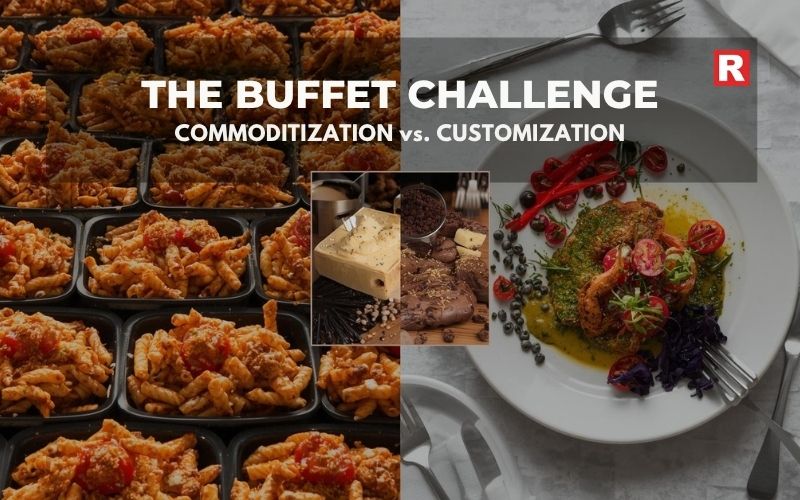
Commoditization and a lack of high-touch customization are two major, interconnected issues that the traditional buffet suffers in the premium market, despite its logistical advantages.
The traditional "all-you-can-eat" arrangement, which was once a symbol of unmatched luxury, today frequently finds it difficult to support a high pricing point. Instead of exclusivity, guests link the set, upfront payment with volume. Expensive hotels and caterers run the risk of being judged only on the quantity of food they provide, disregarding their investment in fine ingredients and culinary creativity.
The buffet model's limits clash directly with the modern consumer's expectation of tailored service, and the À La Carte Add-on is the exact tool designed to break through this ceiling, reintroducing rarity, service, and exclusivity to the abundant buffet experience. Additionally, although the buffet offers choice (variety), it rarely offers true customization. It can separate vegetarian from non-vegetarian, but it cannot elegantly accommodate the demand for a certified, allergen-free meal or a specific, ultra-premium ingredient.
What Constitutes a Premium À La Carte Add-on?
In contrast to the self-service buffet spread, an add-on is a carefully chosen food or service that is prepared à la minute and served directly to the table, all for a premium price. Among the examples are:
- Signature Proteins: Slow-cooked Champaran Gosht made in a particular regional way, imported Atlantic salmon, or pan-seared jumbo prawns.
- Artisanal and Live Concepts: Hand-rolled, customized Saffron Naans, tableside molecular gastronomy desserts, or truffle-infused Gucchi Galouti Kebab are examples of artisanal and live concepts.
- Bespoke Beverage Pairings: Premium foreign wine choices, exclusive single-malt whiskey flights, or specially made artisanal cocktails matched to the main buffet meals are examples of customized beverage pairings.
Know more: 7 Easy Rice Paper Recipes for Quick & Healthy Meals
Pillar 1: Elevating Perceived Value and Driving Premiumisation
The hybrid model's capacity to instantly increase the buffet's perceived elegance and add a significant new income stream is its main strategic advantage.
A. The 'Curated Extra' as a Value Differentiator
With this addition, the visitor experience is immediately changed from "self-service volume" to "curated premium access." The psychological effect of having a plated, chef-finished dish brought to the table while others are navigating the buffet creates a moment of specialized attention and a visible status symbol.
This service element drastically changes the guest's mental assessment of the buffet's value. The fact that it is optional shows confidence: the hotel is aware that its main buffet is great, but it offers further personalization for individuals who want true exclusivity. The presence of the ultra-premium alternatives validates the host's (the hotel or the event planner) claim of a higher premium pricing point for the standard buffet itself.
B. Revenue Uplift and Controlled Costing
By implementing high-margin, incremental sales, this model directly solves the fixed-revenue limitations found in traditional buffets.
Premium Pricing Strategy: To make the most of the captive audience, add-ons might be priced competitively with the hotel's current menus for upscale restaurants. While the core buffet continues to consume the majority of the kitchen's output, a carefully selected, high-margin item can provide large incremental income with no related labor expenditures.
Waste Minimization and Inventory Control: The massive waste produced by serving expensive, perishable foods (such as specialized cheeses, foreign meats, or delicate seafood) in large quantities is one of the main inefficiencies of the traditional buffet. Making these delicate ingredients available on the à la carte menu forces production to be "cook-to-order." By guaranteeing that expensive materials are only utilized when paid for by a paying customer, this significantly reduces exposure to waste, theft, and overproduction, reducing food expenses and significantly increasing total margin.
Pillar 2: Catering to Hyper-Personalization and Dietary Precision
The modern Indian diner expects not just variety but also quality in their meal. The traditional buffet offers diversity, but because it is mass-produced, it frequently falls short at high levels of customization. À La Carte Add-ons perfectly fill this need.
A. Addressing Specific Dietary Requirements with Elegance
Even while the buffet can effectively separate vegetarian from non-vegetarian food, it is still difficult and risky to properly accommodate certain medical conditions, severe allergies, or specialized religious diets (such as strict veganism, ultra-pure Jainism, or severe nut allergies) in a large setting.
Certified Diet Solutions: Licensed, well-prepared foods may be included in the add-on menu. To prevent cross-contamination, a visitor with celiac disease, for example, might request a "Guaranteed Gluten-Free Indian Bread Selection," which is made completely in a separate, designated part of the kitchen. In addition to providing a safer dinner, this raises the bar for professionalism, care, and liability management in the service.
Controlled Indulgence: The extras serve the expanding market of customers who are interested in fitness or health. A "Macro-calculated Grilled Protein Platter" or a "Zero-Sugar, Stevia-Sweetened Indian Dessert," both of which have calorie counts, are examples of carefully weighed, nutrient-dense alternatives that can be included on the menu. This feature turns the meal into a controlled, customized enjoyment rather than a possible nutritional compromise.
What's new: 7 Tips to Maximise Sales in Your Restaurant
B. The Experiential Touch of Culinary Storytelling
The à la carte feature enables the serving of food items that need prompt, focused attention and tell a particular, high-end storyline that cannot be communicated by a huge chafing dish.
Elevated Culinary Theatre: The extras can be prepared in a special, upscale finishing station in addition to the typical live station. This might be the molecular construction of a dessert at the table or the custom preparation of a fish meal in the Keralan tradition, with a tarka applied only before serving. The evident elegance is greatly increased by this kind of theater.
The Chef's Special: By showcasing a unique dish, either an item too complex or costly to mass-produce or the Executive Chef can transform the add-on into a marketing statement that sets the restaurant apart with its culinary talent and philosophy.
Pillar 3: Optimizing Corporate and MICE Event Profitability
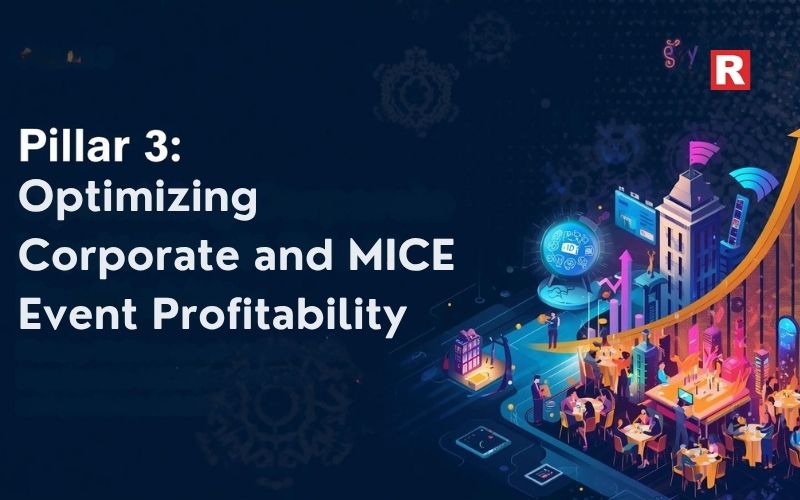
The hybrid model is a game-changing tool for package differentiation and profit maximization in the huge Indian MICE industry, which is the heart of hotel banquets income.
A. Tiered Event Packages and VIP Customization
The difficulty for corporate customers (event planners) is to impress or reward important stakeholders (CXOs, foreign delegations) without drastically raising the price for more than 500 guests. The ideal option for tiered event packages is offered by the add-on menu.
Platinum Upgrades: The "Executive Add-on Package" is available to the organizer for the top five tables or the 20 most significant customers, but the basic buffet pricing has been determined for the remainder. This enables a high-value, discreet upgrade (such as a special VIP counter, personalized wine service, or a variety of imported cold cuts brought to their tables) that gives the most important attendees a great sense of value and personalization without going over the event budget.
Making Money from Sponsorship: The corporate customer can purchase the specialized add-on station as a "Premium Branding Opportunity." By branding a "Live Dessert and Premium Coffee Bar" with the client's logo, for example, a simple F&B cost may be transformed into a sponsored, high-visibility component that generates a direct, high-margin income stream from the event client itself.
B. Flawless Execution for High-Stakes Gatherings
High-profile business gatherings require perfection. It is an essential operational buffer that the hybrid approach offers. While the smaller, specialized à la carte staff is in charge of immaculate, exact execution of the high-end, impactful items, the standardized buffet guarantees volume and speed. The primary meal flow is less likely to be impacted by a high-value mistake because of this division. It is a calculated division of labor that guarantees a successful, excellent result throughout the event.
Check out: Top 10 Qualities of A Successful Restaurateur
Beyond Toast: 10 Deliciously Easy Bread-Based Snacks
Pillar 4: The Technology Enabler and Future of Data Collection
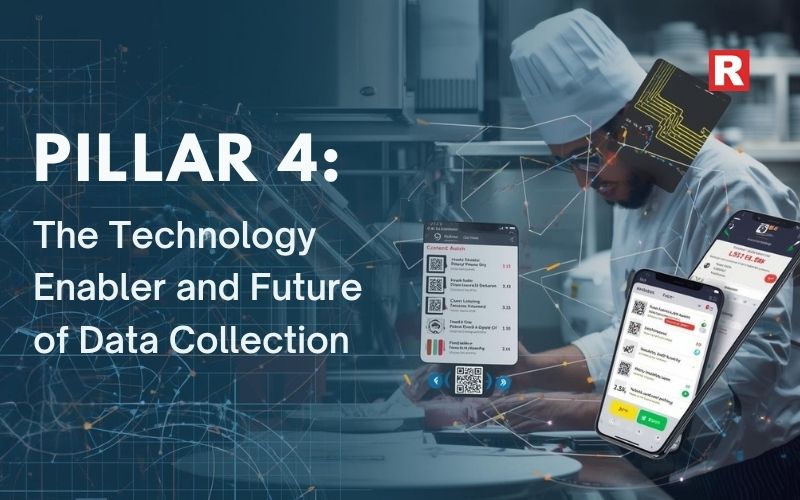
Modern digital technology has an unbreakable link to the effective implementation of the hybrid model, which completely transforms kitchen operations from an instinct-based art to a data-driven science.
A. Seamless Digital Ordering and Service Flow
Digital alternatives like table-based QR code menus and specialized smartphone applications for ordering add-ons will eventually replace cumbersome, sluggish paper menus.
Improved Visitor Experience: Visitors can place orders, view high-resolution photos, and even pay online. By removing waiter bottlenecks, this procedure guarantees a quick, elegant, and self-directed visitor experience.
Kitchen Integration: The committed à la carte preparation staff receives digital orders instantly. This makes it possible to set clear, accurate deadlines, reduce delivery wait times, and guarantee that the fundamental goal of quick, "served-to-the-table" efficiency is fulfilled.
B. Data-Driven Menu Refinement and Predictive Modeling
Each add-on purchase serves as a vital source of market data, giving real-time insight into the actual demand for high-end, specialized products from customers.
Menu Optimization: The computerized platform keeps track of which expensive goods are actually liked (for example, the international cheese platter doesn't sell out, while the truffle galouti does). Managers can use this data to improve future add-on menus, maximize buying, and guide core buffet selections, transforming the kitchen from an amateur's hunch to precise science.
Dynamic Pricing: Long-term features like dynamic pricing for specific goods are made possible by technology. These features maximize profitability in real-time by modifying prices according to factors like peak demand periods, ingredient spoiling risk, and current occupancy.
Read this: The Importance of a High-Quality Knife Set For Restaurants
Conclusion
Even though the traditional Indian buffet is a symbol of warm hospitality, it needs a smart update to satisfy the needs of today's internationally connected customer.
With this hybrid arrangement, caterers and upscale hotels can maintain exclusivity while managing growth. Establishments can immediately improve perceived value, get previously unattainable nutritional accuracy, open up new corporate income streams, and take advantage of data-driven growth by using carefully chosen, made-to-order components. This development transforms the buffet into a high-end, customized eating experience from a high-volume demand. The customized hybrid buffet is not only a trend for the Indian hospitality industry; rather, it is the strategic new standard for efficiency and elegance in the years to come.
Mahak Sharma
Content Writer
Mahak Sharma is a passionate content writer with 2 years of experience crafting compelling content across various niches, tailoring her writing to suit different audiences and platforms. She is dedicated to producing engaging content for readers so that they can understand and enjoy the articles. Her strengths lie in crafting SEO-friendly, well-structured articles that drive visibility and engagement.



































































