
One Kitchen, Five Brands: How Multi-Brand Cloud Kitchens Actually Work
Operators that can create unique customer experiences while maximizing the efficiency of a single kitchen facility will be best positioned for long-term growth in the evolving food delivery ecosystem.

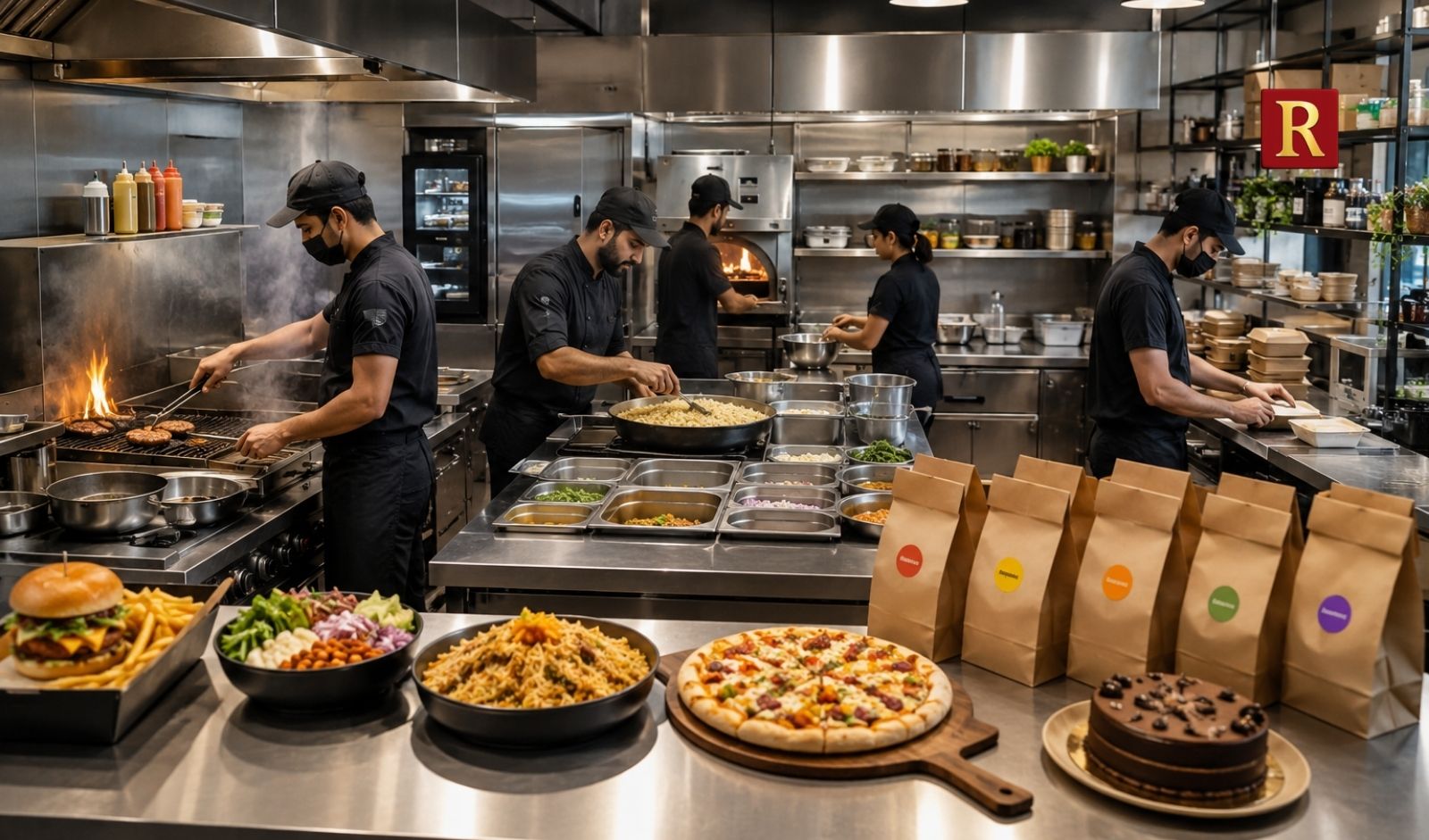
Order a biryani, a burger, a healthy bowl, and a cheesecake on a food delivery app. They may appear to come from four different restaurants. In reality, all four orders could be prepared in the same kitchen. This is the idea behind a multi-brand cloud kitchen. It is one of the fastest-growing business models in the food delivery industry. Instead of opening several restaurants, operators run multiple virtual brands from a single kitchen. Customers see different menus and brand names, while the business shares staff, equipment, inventory, and technology. As food delivery continues to grow across India, this model is helping restaurant businesses expand faster and operate more efficiently.
What Is a Multi-Brand Cloud Kitchen?
A multi-brand cloud kitchen is a delivery-only facility that operates several food brands from one location.
For example, a single kitchen may run:
- A biryani brand
- A burger brand
- A pizza brand
- A healthy meal brand
- A dessert brand
Each brand has its own menu, packaging, pricing, and online presence. Customers ordering through Swiggy, Zomato, or a restaurant's website often have no idea that the food is coming from the same kitchen. This model is becoming increasingly popular because it allows businesses to serve different customer preferences without investing in multiple physical restaurants.
Why One Kitchen Can Support Multiple Brands
Traditional restaurants face a major challenge. Their kitchen often remains underutilized during certain hours of the day. A cloud kitchen solves this problem by maximizing kitchen capacity. For example, a burger brand may receive most of its orders during lunch. A dessert brand may perform better in the evening. A late-night biryani brand can generate sales after dinner hours. By operating multiple concepts, businesses can keep their kitchen active throughout the day. This improves revenue without significantly increasing operating costs.
The Economics Behind the Model
The biggest advantage of a multi-brand cloud kitchen is cost efficiency.
Opening five standalone restaurants requires:
- Five locations
- Five interiors
- Five teams
- Five utility setups
- Five sets of licenses and operational expenses
Running five virtual brands from one kitchen requires only one production facility. Industry estimates suggest that setting up a cloud kitchen can cost 60% to 80% less than opening a traditional dine-in restaurant, depending on location and scale. This lower investment makes the model attractive for both startups and established restaurant companies.
The Secret Is Shared Infrastructure
A successful multi-brand cloud kitchen does not create separate kitchens for every brand. Instead, it divides a single facility into specialized production zones that can serve multiple menus. This allows operators to maximize kitchen space, improve efficiency, and reduce operating costs.
Grill Station: The grill station is used for preparing items such as burger patties, grilled chicken, sandwiches, wraps, and kebabs. Multiple brands can share the same grilling equipment, reducing the need for duplicate setups while ensuring consistent cooking quality.
Frying Station: This section handles all deep-fried and crispy menu items, including fries, fried chicken, snacks, and appetizers. A single frying station can support several brands, helping kitchens optimize equipment usage during peak hours.
Rice Preparation Section: The rice station is responsible for dishes such as biryani, rice bowls, meal boxes, pulao, and regional rice-based specialties. Since rice is a common ingredient across many cuisines, one preparation area can efficiently support multiple food concepts.
Pizza Oven Area: Brands offering pizzas, garlic bread, baked pasta, and other oven-cooked products can use the same baking equipment. This reduces capital expenditure while allowing operators to introduce additional baked-food brands from the same kitchen.
Dessert Station: The dessert section is dedicated to preparing and assembling cakes, cheesecakes, brownies, ice cream-based desserts, and other sweet offerings. A separate area helps maintain product quality and prevents flavor transfer from savory food preparation zones.
Packaging Counter: Once food is prepared, orders move to the packaging station. Here, items are checked, packed, labeled, and assigned the correct brand packaging. This ensures customers receive the right order and experience the branding of the specific virtual restaurant they ordered from.
Menu Engineering: The Real Profit Driver
One common misconception is that cloud kitchens succeed by offering as many dishes as possible. In reality, successful operators focus on menu engineering. The goal is to create different brands that share ingredients while appearing unique to customers.
Consider these ingredients:
- Chicken
- Rice
- Onions
- Cheese
- Sauces
- Vegetables
These ingredients can be used across several concepts. A chicken tikka used in a biryani can also appear in wraps, rice bowls, sandwiches, and salads. Customers experience variety. The kitchen benefits from simplified purchasing and lower food waste. This strategy helps improve inventory control and profitability.
How Technology Keeps Everything Running
Managing multiple brands manually would be extremely difficult. Technology plays a critical role in cloud kitchen operations.
A modern cloud kitchen typically uses:
Point-of-Sale Systems: A POS system collects orders from multiple platforms and combines them into a single dashboard.
Kitchen Display Systems: Instead of printed tickets, orders appear on digital screens. Staff can see preparation times, order priorities, and delivery schedules in real time.
Inventory Management Software: Tracks ingredient usage across multiple brands, monitors stock levels, reduces waste, automates reordering, and improves purchasing efficiency.
Analytics Platforms: Analyzes sales, customer preferences, peak hours, ratings, and order trends to support smarter business decisions and growth.
The Team Structure Inside a Multi-Brand Kitchen
Unlike traditional restaurants, cloud kitchens often operate with lean teams. Employees are usually trained to handle multiple responsibilities.
A typical structure includes:
Kitchen Manager: Responsible for overseeing daily operations and coordinating production.
Prep Team: Handles ingredient preparation before service begins.
Cooking Team: Prepares food across different brands and menu categories.
Packaging Team: Ensures orders are packed correctly with the right branding and customer details.
Cross-training employees improves flexibility and allows businesses to manage sudden increases in order volume more effectively.
Why Food Delivery Apps Made This Model Popular
The rapid growth of food delivery platforms such as Swiggy and Zomato has transformed the way customers discover and order food. Unlike traditional dining, where location often influences restaurant choice, online food ordering is driven by factors such as cuisine preferences, pricing, customer ratings, reviews, and delivery speed. Most users browse through categories and recommendations rather than searching for a specific physical restaurant. This shift has created a major opportunity for cloud kitchens to operate multiple brands from a single facility while targeting different customer segments. For instance, a premium burger brand can appeal to young professionals looking for quick indulgent meals, while a healthy bowl brand can attract fitness-conscious consumers seeking nutritious options. A biryani-focused brand may cater to families ordering larger meals, whereas a dessert brand can capitalize on late-night cravings and impulse purchases. By creating distinct identities and menus for each concept, cloud kitchen operators can reach a wider audience, increase order volumes, and maximize kitchen utilization without investing in multiple restaurant locations.
The Biggest Challenge: Creating Genuine Brand Identity
Running multiple brands is not as simple as creating new logos. Customers expect unique experiences.
Each brand must have:
- Distinct menu offerings
- Clear positioning
- Consistent packaging
- Individual marketing strategy
Brands that look too similar often struggle to build trust. Successful operators understand that customers can quickly identify repetitive menus and duplicate concepts. Long-term growth depends on creating authentic food brands rather than simply increasing the number of listings on delivery apps.
How Data Helps Operators Launch New Brands
One advantage of cloud kitchens is the ability to test ideas quickly. Traditional restaurants often require months of planning and significant investment before launching a new concept. Cloud kitchens can experiment with new brands using existing infrastructure. For example, if customer data shows rising demand for protein-rich meals, a business can launch a healthy meal brand with minimal additional investment. This flexibility allows operators to respond faster to changing food trends.
Many businesses now use customer ordering data to decide:
- Which cuisines to introduce
- Which dishes to remove
- Which locations to expand into
Going Ahead!
Technology, data, and operational efficiency will shape the future of multi-brand cloud kitchens. As competition in the food delivery market grows, operators are increasingly using artificial intelligence to improve demand forecasting, inventory planning, menu optimization, and staffing schedules. Automation is also helping kitchens reduce preparation time, improve order accuracy, and minimize operational errors. At the same time, customer expectations are evolving rapidly. Consumers now expect faster delivery, consistent food quality, accurate orders, and better value for money. To meet these demands, successful cloud kitchens must focus on both strong food concepts and efficient backend operations. A multi-brand cloud kitchen is no longer just a cost-saving business model; it is a technology-driven approach to modern food service. Its success depends on smart menu design, shared resources, data-driven decision-making, and clear brand differentiation. Operators that can create unique customer experiences while maximizing the efficiency of a single kitchen facility will be best positioned for long-term growth in the evolving food delivery ecosystem.
Saptopriya Ghosal
Feature Writer
I am a dedicated media professional with a bachelor's degree in mass communication from the State University of Calcutta and a postgraduate degree from Amity University. My academic journey has equipped me with a profound understanding of storytelling and communication. Passionate about the dynamic world of media, I continually strive to explore new ways to engage and inform through compelling narratives.



































































