
Multi-Brand Cloud Kitchens: The Next Evolution of India's Cloud Kitchen Model
Businesses that combine operational efficiency with strong branding and consistent customer experience will be better positioned to succeed in this competitive market.

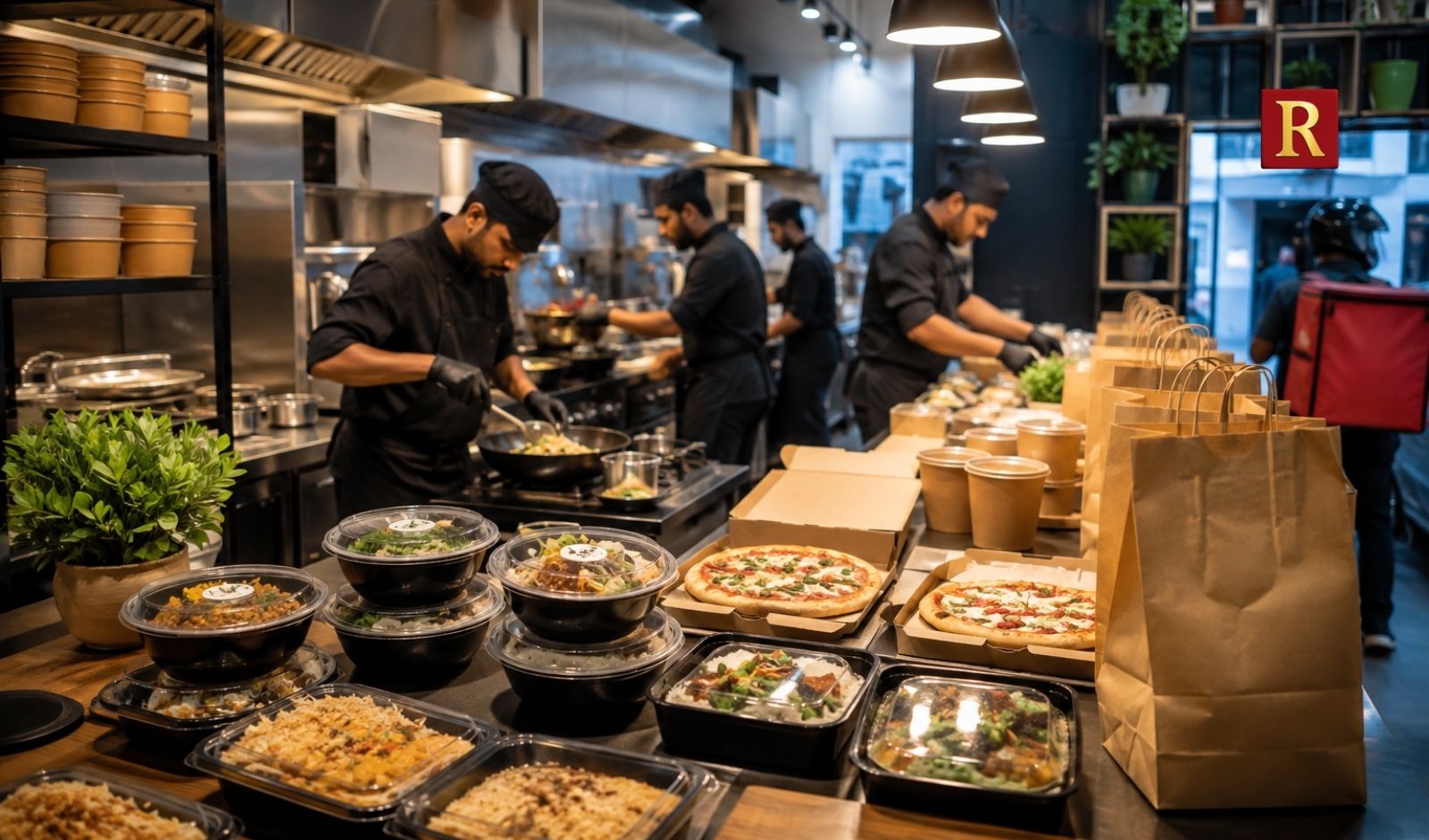
The cloud kitchen industry in India is changing rapidly. Earlier, many operators focused on running a single delivery-only brand from one kitchen. Today, the trend is shifting towards multi-brand cloud kitchens, where one commercial kitchen manages several virtual restaurant brands at the same time.
A customer ordering biryani, pizza, healthy bowls, desserts, or Chinese food may not realise that all these meals are prepared in the same kitchen. Different menus, branding, and packaging create separate customer experiences, while the business shares the same staff, equipment, and infrastructure behind the scenes. This model helps restaurants make better use of their kitchen space, reduce operating costs, and reach more customers without opening multiple dine-in outlets. As India's online food delivery market continues to grow, multi-brand cloud kitchens are becoming an important part of the restaurant industry's future.
What Is a Multi-Brand Cloud Kitchen?
A multi-brand cloud kitchen is a delivery-only kitchen that operates multiple restaurant brands from one location. Each brand has its own menu, logo, pricing, and online presence, but they share the same kitchen infrastructure.
For example, a single kitchen can operate:
- A North Indian brand
- A pizza brand
- A burger brand
- A healthy meal brand
- A dessert brand
Customers order these brands through food delivery platforms, and each appears as an independent restaurant. Behind the scenes, however, ingredients, chefs, storage, and kitchen equipment are shared. This approach is often called the "House of Brands" model because one company owns and operates several virtual restaurant concepts.
Why Multi-Brand Cloud Kitchens Are Growing in India
India's food delivery market has expanded significantly over the past few years. Urban lifestyles, busy work schedules, and changing food habits have encouraged more consumers to order meals online. Instead of choosing one cuisine every day, people now prefer different options throughout the week. Someone may order salads on Monday, biryani on Friday, and desserts during the weekend. For restaurant operators, opening a new physical outlet for every cuisine is expensive. A multi-brand cloud kitchen solves this problem by allowing businesses to introduce new brands without investing in additional dining spaces. It also improves kitchen productivity by generating orders throughout the day instead of depending on one type of customer.
One Kitchen, Multiple Revenue Streams
One of the biggest strengths of this model is better kitchen utilisation. Rather than serving only lunch and dinner, operators can create brands for different meal occasions.
For example:
- Breakfast wraps and sandwiches in the morning
- Office lunch meals during the afternoon
- Evening snacks
- Family dinner combos
- Late-night burgers and rolls
The same kitchen remains active for longer hours, helping businesses increase revenue without significantly increasing operational costs.
Shared Infrastructure Reduces Costs
Opening several restaurants usually means paying rent, buying kitchen equipment, hiring separate teams, and managing multiple inventories.
A multi-brand cloud kitchen shares resources such as:
- Cooking equipment
- Refrigerators and cold storage
- Utility bills
- Kitchen staff
- Cleaning services
- Inventory management
- Packaging stations
Because these expenses are spread across multiple brands, businesses can lower their fixed costs while serving different customer segments. This makes expansion more affordable, especially for startups and growing restaurant chains.
Technology Powers Every Order
Managing multiple brands from one kitchen requires more than skilled chefs. Technology plays a major role in keeping operations organised and efficient. Most successful operators use integrated restaurant software that combines orders from different delivery platforms into one dashboard.
Important technologies include:
Kitchen Display Systems (KDS): Digital screens replace printed order tickets. Staff receive cooking instructions instantly, reducing mistakes and improving preparation speed.
Inventory Management Software: The system tracks ingredient usage across all brands. This helps restaurants reduce food waste and avoid sudden stock shortages.
Point of Sale (POS) Integration: Orders from different brands and delivery platforms are managed through a single system, making billing and reporting easier.
AI-Based Demand Forecasting: Many operators now use artificial intelligence to predict customer demand during weekends, festivals, sporting events, and holidays. Better forecasting improves purchasing decisions and reduces excess inventory.
Smart Menu Engineering Improves Profitability
One of the biggest advantages of running multiple brands is menu engineering. Instead of buying completely different ingredients for every cuisine, restaurants create menus that share common raw materials.
For example, grilled chicken can be used in:
- Rice bowls
- Wraps
- Burgers
- Salads
- Pasta
Similarly, vegetables, sauces, cheese, and spices can appear across several brands with different recipes.
This strategy offers two major benefits:
- Lower food wastage
- Better inventory utilisation
Restaurants also analyse which dishes generate the highest profits and regularly update menus based on customer demand.
Serving Different Customers From One Location
Consumer preferences vary widely. Some customers look for healthy meals, while others want comfort food or regional dishes. Instead of targeting one audience, multi-brand kitchens create specialised brands for different groups.
These may include:
- Fitness enthusiasts
- Families
- Office workers
- Students
- Late-night customers
- Vegetarian diners
- Regional cuisine lovers
This wider customer reach increases order volumes without requiring multiple restaurant locations.
Leading Companies Have Already Adopted the Model
Several food-tech companies have demonstrated the success of multi-brand cloud kitchens. Companies like Rebel Foods operate multiple well-known virtual restaurant brands through shared kitchen infrastructure. Their portfolio includes brands serving biryani, pizza, Chinese food, desserts, and beverages.
Similarly, Kouzina Food Tech has expanded by operating multiple digital-first restaurant concepts while using technology to manage kitchen operations efficiently. These businesses continue to experiment with new cuisines and regional flavours without investing in traditional dine-in outlets for every concept.
Challenges Businesses Must Solve
Although the model offers many advantages, it also creates operational challenges.
Maintaining Food Quality: Every brand must deliver consistent taste and presentation, even though the meals are prepared in the same kitchen.
Managing Complex Inventory: Operating multiple cuisines requires careful ingredient planning to avoid shortages and wastage.
Staff Training: Kitchen teams need to prepare recipes from different cuisines while maintaining speed and quality.
Brand Differentiation: Each virtual brand should have its own identity. Similar menus across brands may confuse customers and reduce long-term growth.
Delivery Performance: Fast preparation, proper packaging, and accurate orders directly influence customer ratings on food delivery platforms.
The Metrics That Matter Most
Successful multi-brand kitchens rely heavily on data instead of assumptions.
Some of the most important performance indicators include:
- Average Order Value (AOV)
- Kitchen utilisation rate
- Food cost percentage
- Contribution margin
- Order preparation time
- Customer ratings
- Repeat purchase rate
- Brand-wise profitability
- Inventory wastage
- Order accuracy
Tracking these numbers helps operators identify which brands should expand and which require improvements.
Why Data Has Become a Competitive Advantage
Modern cloud kitchens generate large volumes of customer data through every online order, making data one of their biggest competitive advantages. By analysing this information, restaurant operators can identify their best-selling dishes, peak ordering hours, seasonal demand trends, popular delivery zones, customer preferences, and repeat purchase behaviour. These insights help businesses make informed decisions instead of relying on assumptions. For example, if a particular cuisine performs well in a specific locality, operators can introduce new menu items or even launch a dedicated virtual brand for that area. Data also supports menu optimisation by removing low-performing dishes, adjusting prices based on demand, reducing food wastage through better inventory planning, and creating targeted offers for loyal customers. This data-driven approach enables cloud kitchens to improve operational efficiency, enhance customer satisfaction, and increase profitability over time.
What the Future Looks Like
The next phase of India's cloud kitchen industry will likely be shaped by smarter technology, automation, and stronger digital brands.
Several emerging trends are already influencing the sector:
- AI-assisted kitchen operations
- Central commissary kitchens supplying multiple locations
- Hyperlocal delivery hubs
- Direct online ordering through restaurant websites
- Subscription-based meal services
- Regional cuisine brands targeting specific markets
At the same time, businesses will need to balance rapid expansion with consistent food quality, efficient operations, and strong brand identity.
Looking Ahead!
Multi-brand cloud kitchens represent more than just a cost-saving strategy. They are changing how restaurants grow in a digital-first market. By operating multiple virtual brands from one kitchen, businesses can improve kitchen productivity, serve different customer segments, and increase revenue without investing in multiple dine-in outlets. Shared infrastructure, smart technology, data-driven decisions, and efficient menu planning make the model attractive for both startups and established restaurant companies. As online food delivery continues to evolve in India, multi-brand cloud kitchens are expected to become an increasingly important part of the country's restaurant ecosystem. Businesses that combine operational efficiency with strong branding and consistent customer experience will be better positioned to succeed in this competitive market.
Saptopriya Ghosal
Feature Writer
I am a dedicated media professional with a bachelor's degree in mass communication from the State University of Calcutta and a postgraduate degree from Amity University. My academic journey has equipped me with a profound understanding of storytelling and communication. Passionate about the dynamic world of media, I continually strive to explore new ways to engage and inform through compelling narratives.



































































