Mixology Reinvented: How Gen Z and Millennials Are Influencing the Cocktail Culture
Another significant influence of Millennials and Gen Z on cocktail culture is the growing emphasis on health and wellness.


As the world of cocktail culture evolves, the preferences and tastes of younger generations are playing a pivotal role in redefining what mixology means today. Millennials and Gen Z, known for their adventurous spirits and unique tastes, are pushing the boundaries of traditional cocktail-making, leading to a renaissance in the way drinks are conceived, crafted, and consumed. This exploration delves into how these two influential demographics are shaping the future of mixology through a focus on artisanal cocktails, unique ingredients, and innovative presentation styles.
The Rise of Artisanal Cocktails
Artisanal cocktails have taken the cocktail scene by storm, driven by Millennials and Gen Z’s desire for authenticity and craftsmanship. Unlike their predecessors, who may have settled for mass-produced drinks, these younger consumers are drawn to beverages that showcase the skill of the bartender and the quality of the ingredients. The rise of artisanal cocktails is not merely about the drink itself; it’s about the entire experience—an experience that speaks to the values of craftsmanship, sustainability, and creativity.
Bars and restaurants are responding to this demand by emphasizing the use of locally sourced and organic ingredients. Many establishments are now partnering with local farmers and producers to ensure that the ingredients used in their cocktails are fresh and sustainable. This shift not only enhances the quality of the drinks but also fosters a sense of community and supports local economies. Moreover, the art of mixology is being elevated to new heights, with bartenders taking the time to craft each drink with meticulous attention to detail, often incorporating techniques borrowed from the culinary world, such as sous-vide infusion and house-made syrups.
Unique Ingredients and Flavor Profiles
Millennials and Gen Z are also leading the charge in experimenting with unique ingredients and bold flavor profiles. Traditional cocktails are being reimagined as these generations seek out unexpected combinations that surprise and delight the palate. Ingredients that were once relegated to the kitchen—herbs, spices, and even flowers—are now making their way into cocktails, giving rise to complex and layered drinks that tantalize the senses.
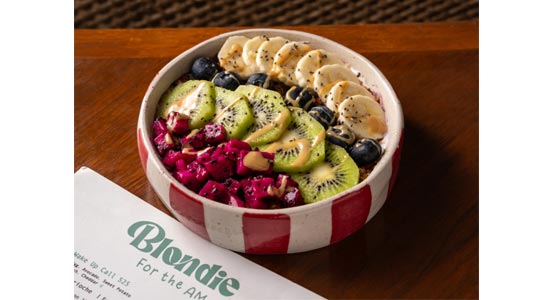
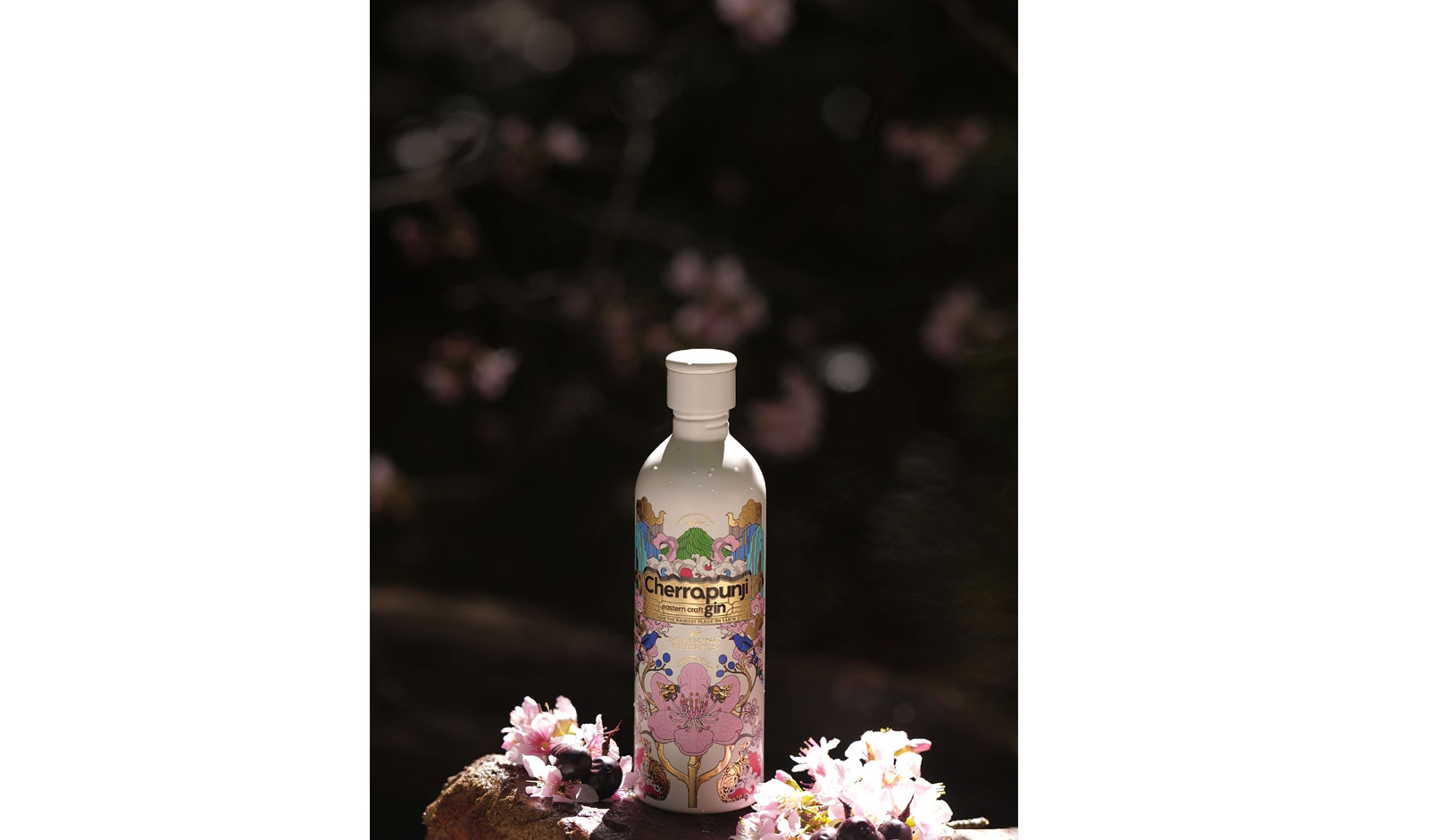
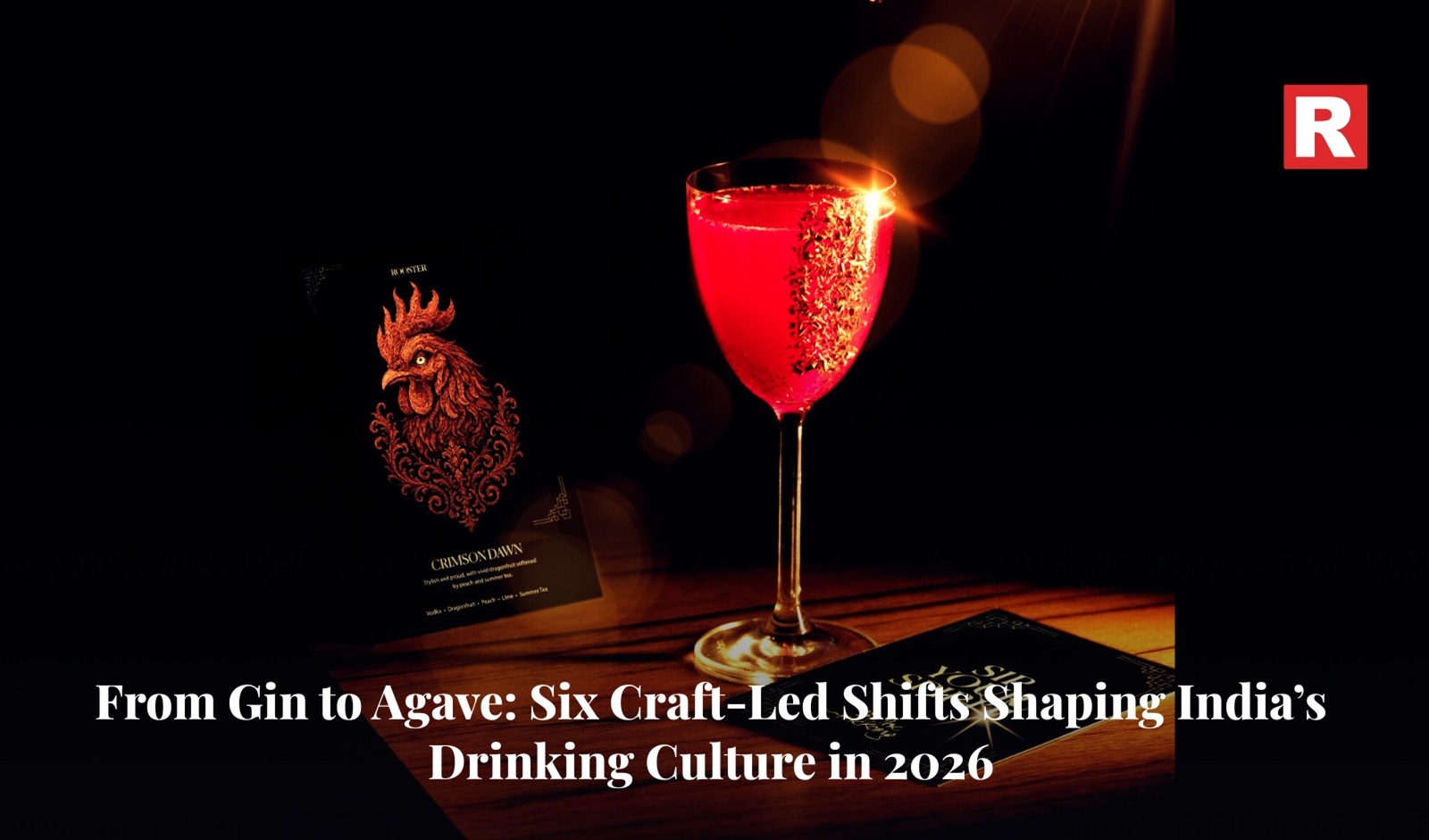
For instance, the popularity of craft spirits has exploded, with many bars featuring artisanal gins, innovative vodkas, and locally distilled rums. These spirits often boast unique flavor profiles, prompting bartenders to develop cocktails that highlight their distinct characteristics. Moreover, the use of exotic fruits, such as dragon fruit and yuzu, alongside unconventional ingredients like activated charcoal and CBD, reflects the adventurous nature of today’s consumers. This trend toward experimentation is not limited to drinks; it extends to garnishes and mixers as well, with elements like edible flowers and artisan tonic waters becoming commonplace on cocktail menus.
Health-Conscious Cocktails
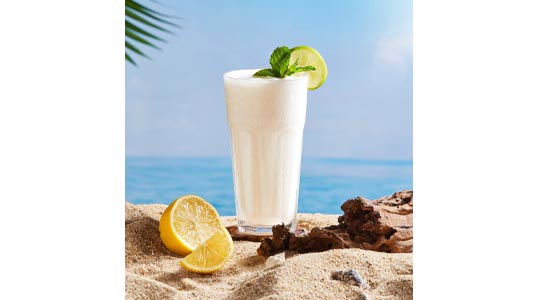
Another significant influence of Millennials and Gen Z on cocktail culture is the growing emphasis on health and wellness. As these generations become more health-conscious, they are demanding cocktails that align with their lifestyles. This has led to the emergence of low-alcohol, alcohol-free, and health-focused drinks that cater to those who want to indulge without compromising their well-being.
Bars are now offering a variety of options, such as low-calorie cocktails made with fresh juices, herbs, and light spirits. Additionally, mocktails—non-alcoholic cocktails that are just as creative and flavorful as their alcoholic counterparts—are gaining popularity. This trend reflects a broader cultural shift towards moderation and mindfulness, and bars that embrace this ethos often see increased patronage from younger consumers who appreciate the inclusive nature of these offerings.
Innovative Presentation Styles
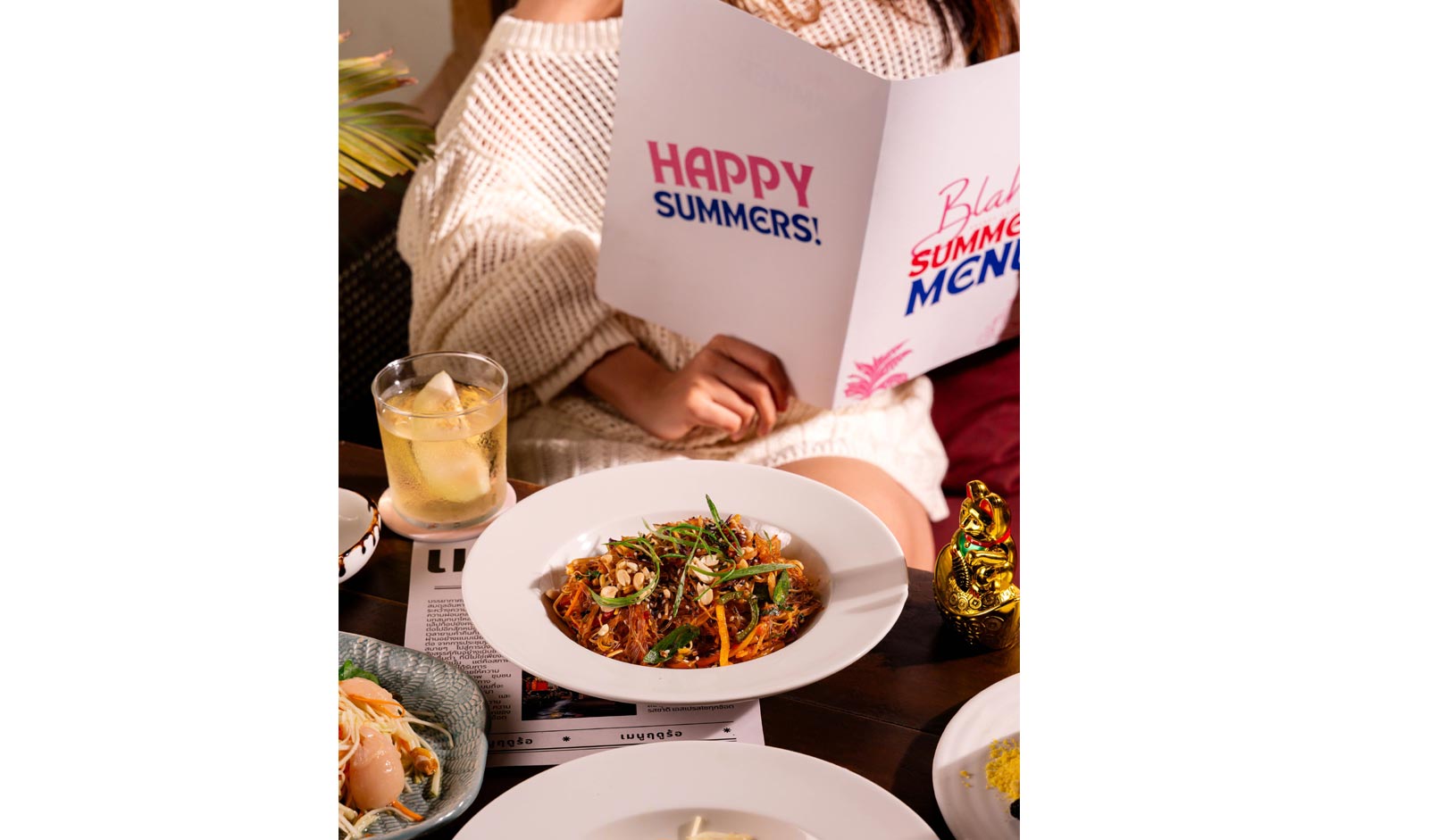
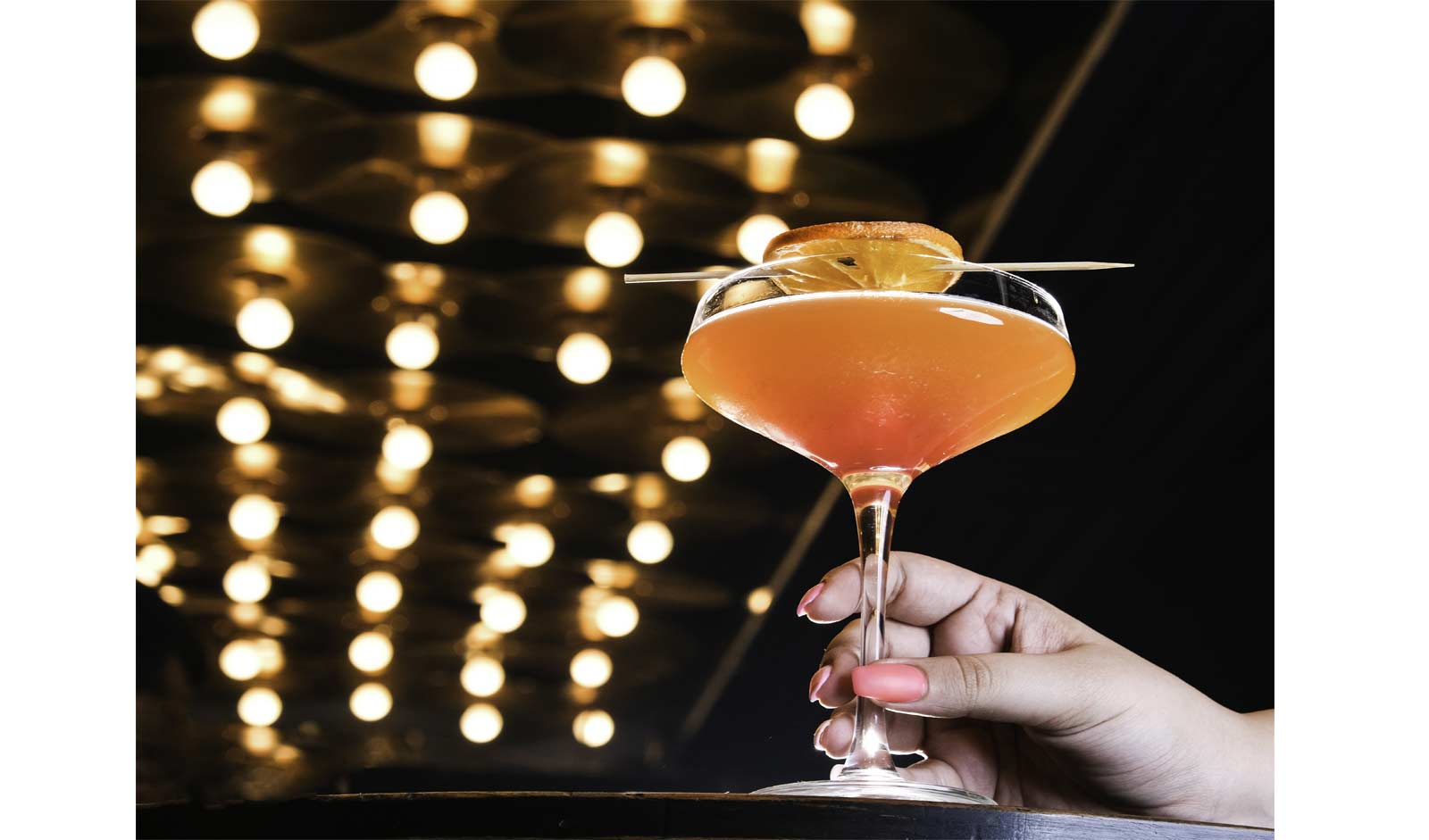
The visual aspect of cocktails has become increasingly important, especially in the age of social media. Millennials and Gen Z are known for sharing their dining and drinking experiences online, and this has led to an emphasis on presentation that goes beyond taste. Bartenders are now competing not just on flavor but also on aesthetics, creating visually stunning cocktails that are designed to be photographed and shared.
This focus on presentation has resulted in creative glassware, elaborate garnishes, and even the use of molecular mixology techniques to create cocktails that bubble, smoke, or change color. Theatrical elements in cocktail preparation—such as using a blowtorch to caramelize garnishes or serving drinks in unexpected vessels like terrariums or jars—are captivating the attention of a generation that values unique experiences. The result is a cocktail culture that is as much about visual storytelling as it is about flavor.
Social Media and the Rise of Influencers
The impact of social media cannot be understated in its influence on cocktail culture. Platforms like Instagram, TikTok, and Pinterest have become breeding grounds for cocktail trends, where visually appealing drinks can go viral and inspire a new generation of bartenders and cocktail enthusiasts. Influencers and mixologists are utilizing these platforms to showcase their creativity, share recipes, and provide tutorials, making the art of mixology accessible to a broader audience.
This democratization of cocktail culture means that anyone can learn how to make artisanal drinks at home, which has contributed to the rise of home bartending. Many young consumers are investing in their bar setups, purchasing unique ingredients, and experimenting with cocktail-making in their own kitchens. This trend not only fosters a deeper appreciation for the craft of mixology but also encourages social interaction, as friends gather to share their latest creations.
The Future of Cocktail Culture
As Millennials and Gen Z continue to shape cocktail culture, the industry must adapt to meet their evolving preferences. The focus on artisanal quality, unique ingredients, health-conscious options, and innovative presentation styles will likely persist, pushing the boundaries of what cocktails can be. Moreover, as these generations become increasingly influential in the marketplace, bars and restaurants that embrace these trends will have a competitive advantage.
In the future, we can expect to see even more integration of technology in the cocktail experience. This could range from interactive cocktail menus that allow patrons to customize their drinks to the use of apps that provide cocktail recipes and pairings. Sustainability will also remain a key focus, with bars striving to minimize waste and adopt eco-friendly practices in their operations.
In conclusion, the influence of Millennials and Gen Z on cocktail culture is profound and far-reaching. Their preferences are redefining mixology, leading to a vibrant landscape of artisanal cocktails, unique ingredients, and innovative presentation styles. As these generations continue to explore and experiment, the future of cocktail culture promises to be dynamic, inclusive, and exciting—reflecting the values and tastes of a new era in drinking. The cocktail scene is no longer just about enjoying a drink; it’s about crafting an experience that resonates with the heart and soul of modern social life.
Chetan Gangan
Celebrated Mixologist and Co-Founder, YAAR