Managing Your Restaurant's Cash Flow Like a Pro
Cash flow is an important aspect of a restaurant business. And if it is not properly managed, then the dreams of many restaurateurs in India will quickly turn into a nightmare. This means that restaurants will not be able to serve good, delicious food because their business will shut down due to improper cash flow.

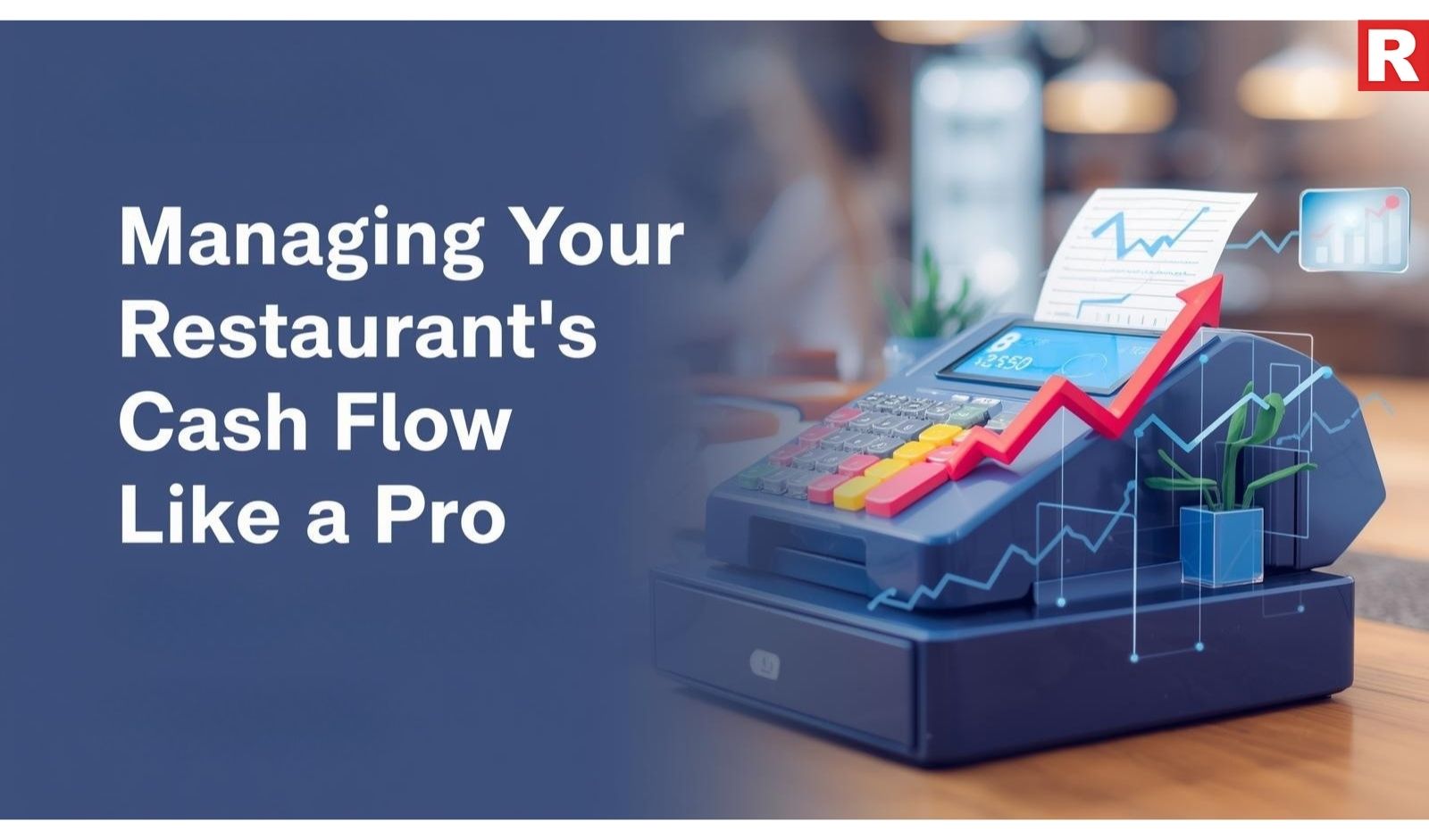
Cash flow is an important aspect of a restaurant business. And if it is not properly managed, then the dreams of many restaurateurs in India will quickly turn into a nightmare. This means that restaurants will not be able to serve good, delicious food because their business will shut down due to improper cash flow. Cash flow, which is the movement of money in and out of a business, is considered the lifeline of any restaurant. Whether you have enough liquid cash on hand to pay your employees, suppliers, rent, and other operating costs on time is more important than your recorded profit. In a sector characterized by narrow profit margins, perishable inventory, and fluctuating demand, efficient cash flow management is not only a best practice but also a key to long-term survival.
This detailed article will give Indian restaurateurs a tactical road map for expertly handling the cash flow of their restaurants. We will examine the particular difficulties that the Indian food service sector faces, provide practical methods for maximizing both inflows and outflows, examine the function of technology, and, in the end, give you the information you need to keep your food business throughout the country operating profitably.
Read more: Top 10 Calcium-Rich Foods for Stronger Bones
What is Cash Flow in a Restaurant?
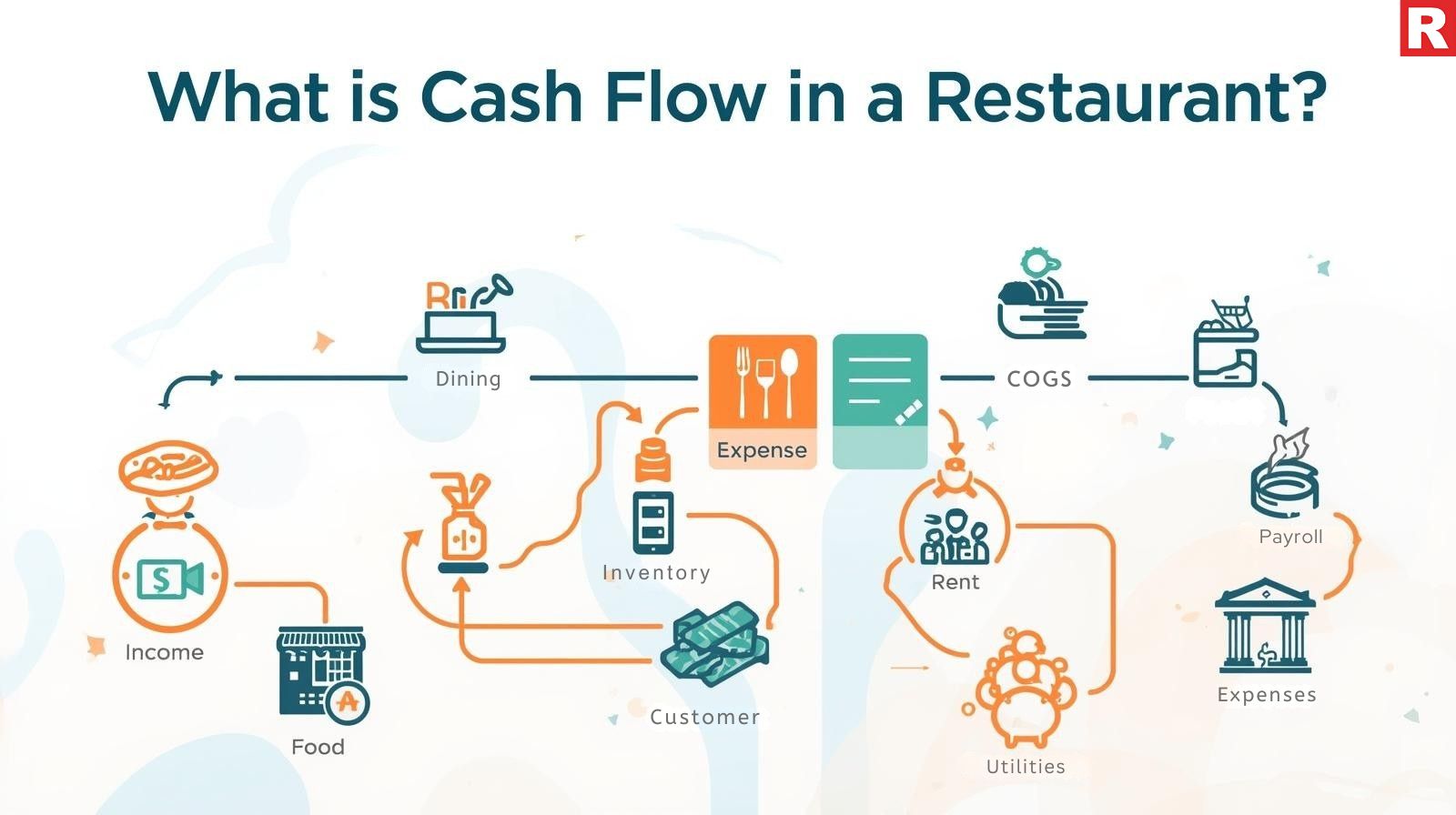
Before we take a look at possible marketing strategies, let's get to know the two main components that make up the cash flow of any business:
Cash Inflows: All of the money that enters your business is referred to as cash inflows. Among the primary sources are:
- Food and beverage sales (delivery, takeout, and dining in).
- Catering and event reservations.
- Sales of gift cards.
- Any investments in stock or loans.
Cash Outflows: The total amount of money leaving your business is known as cash outflows. Typical major outflows include:
- Cost of Goods Sold (COGS): Ingredients, drinks, and raw materials.
- Operating costs include rent, utilities (gas, water, and electricity), payroll, advertising, repair, and insurance.
- Interest and loan repayments.
- Taxes, such as property taxes and GST.
- Capital expenses (renovations, new equipment).
A positive cash flow indicates sound financial standing since more money is coming in than leaving. Even for a successful restaurant, negative cash flow can soon result in bankruptcy if it is not handled properly.
Know more: Beyond Borders: Turning Collaboration into Profit
Unique Cash Flow Challenges In the Indian Restaurant Landscape
Indian restaurants face specific cash flow issues because of their particular economic and cultural environment:
- Perishable Inventory: Fresh produce, dairy products, and meat make up a sizable amount of the restaurant's perishable inventory. This implies that unsold inventory rapidly becomes a waste of money, which has an immediate effect on outflows.
- Demand Fluctuation: Public holidays, seasonal demand (festivals, wedding seasons, lean times), and even daily weather variations can result in unpredictable shifts in sales, which makes revenue forecasting difficult.
- Credit Culture with Suppliers: Many independent Indian restaurants work with local suppliers on a credit basis, even if larger chains may have more influence. To prevent late fines or supply interruptions, it is essential to carefully manage these payment cycles.
- Labor-Intensive Industry: High labor expenses, such as mandatory contributions, gratuities, and some employees' daily wages, constitute a significant and frequently inflexible outflow.
- Taxes and Regulatory Compliance: Managing local municipal taxes, GST, and other compliance obligations can be difficult, and late payments result in fines that further drain funds.
- Competition and Discounting: Restaurants are frequently forced to provide discounts due to the fiercely competitive market, particularly in the food delivery industry, which has an effect on net cash inflow and gross margins.
Strategies for Maximizing Cash Inflows

In order to ensure a consistent and strong flow of revenue into your restaurant, proactive tactics are crucial.
Upgrade Menu Engineering and Pricing:
- Regular Costing: Determine the precise cost of each dish, taking into account labor, overhead, and ingredients, regularly.
- Strategic Pricing: Set menu prices that are both profitable and competitive. Promote the high-margin products (also known as "stars").
- Menu Layout: Create a menu that gently pushes customers toward things that will bring in the most money.
Diversify Your Sources of Income:
- Catering Services: Provide catering to take advantage of the profitable Indian event sector, which includes corporate gatherings and weddings. In order to improve cash flow, this frequently involves payments in advance.
- Delivery & Takeaway: To cut down on commission expenses, collaborate with food delivery services like Zomato and Swiggy while simultaneously creating your own direct delivery route.
- Meal Kits/Pre-Mixes: Provide clients with meal kits of well-known dishes or packaged spices to prepare at home.
- Cooking Classes: Provide cooking classes to make the most of your chef's experience.
- Merchandise: Offer branded goods such as pickles, spices, and dinnerware.
Accelerate Collections:
- Advance Payments: For major orders, events, or catering, always seek a substantial advance payment.
- Efficient Billing: To reduce wait times and increase table turnover, make sure that the point of sale (POS) bills promptly and accurately.
- Diverse Payment choices: Offer different payment choices (cash, UPI, debit/credit cards, mobile wallets) to cater to all customer preferences and eliminate delays in payment.
- Encourage High-Margin Products: Teach your employees to upsell high-profit products such as desserts, drinks, and specialty foods.
What's new: Are Restaurants Friendly with Facebook?
Smart Spending and Cost Management to Control Outflows
Managing spending is equally important. You keep every rupee that you save in your bank account.
Excellence in Inventory Management:
- FIFO (First-In, First-Out): To reduce waste and spoilage, strictly enforce the FIFO system.
- Frequent Inventory Counts: Check the high-value and perishable items in your inventory every day or every week.
- Supplier Negotiation: Establish trusting bonds with suppliers and work out advantageous conditions for payments and big purchases. Investigate several vendors to guarantee affordable prices.
- Portion management: To cut down on food waste, teach kitchen employees how to strictly manage portion sizes.
Reduce Labor Costs as Much as Possible:
- Smart Scheduling: To prevent overstaffing during slow times, match staffing levels to expected demand. When necessary, use part-time employees.
- Cross-training: Teach employees to perform a variety of tasks to boost adaptability and lessen the demand for specialized workers during slow periods.
- Performance-Based Incentives: Encourage employees with rewards based on cost reductions or sales.
Control operating costs:
- Energy Efficiency: To lower utility costs, make investments in LED lighting, energy-efficient appliances, and routine HVAC maintenance.
- Preventive Maintenance: Keeping kitchen appliances maintained on a regular basis prolongs their lives and helps to avoid expensive malfunctions.
- Discuss Rent and Utilities: Try to work out advantageous lease conditions. Keep a close eye on utility usage and search for places where it might be cut.
- Marketing ROI: To make sure you're spending money wisely, monitor the return on investment (ROI) for every marketing initiative.
- Tax Planning: To minimize penalties and maximize tax outflow, work with a qualified accountant to guarantee timely and precise tax filing, utilizing all allowable deductions.
Check out: How will you brand your restaurant?
Is QSR a threat to hotels?
The Power of Cash Flow Prediction
The foundation of strategic cash flow management is forecasting.
- Create a Cash Flow Statement: Make a cash flow statement, which keeps track of all incoming and outgoing funds over a given time frame (daily, weekly, or monthly).
- Develop a Rolling Forecast: Create a continuous forecast by estimating your inflows and outflows for the upcoming thirty, sixty, and ninety days.
- Historical Data: To project future revenues, use historical sales data, seasonal trends, and forthcoming events.
- Future Costs: Account for known costs such as rent, payroll, and planned supplier payments.
- Contingency: Always prepare for unanticipated costs or declines in sales.
- Scenario Planning: Preparing for various circumstances (such as a poor monsoon season or a spike in demand during Diwali) will help you anticipate potential effects on cash flow and devise preventative measures.
Using Technology As Your Digital Cash Flow Assistant
With the use of technology, managing the cash flow of your restaurant has become easier than before.
- Point-of-Sale (POS) Systems: Modern (POS) systems, such as Zomato POS, are capable of more than just processing orders. They manage consumer loyalty programs, maintain inventory, give real-time sales data, and interface with accounting software. For forecasting and trend identification, this particular data is important.
- Inventory management software: It reduces waste and improves ordering efficiency by tracking stock levels, analyzing consumption trends, alerting you when stock is low, and integrating with POS for automatic deductions.
- Accounting Software: It helps to provide you with an in-depth analysis of your financial health, cloud-based accounting systems (such as Tally, Zoho Books, and QuickBooks) automate expense tracking, generate financial reports, and make tax compliance easier.
- Digital wallets and payment gateways: Combining different digital payment methods lowers the risks associated with handling currency, streamlines transactions, and offers immediate electronic records of inputs.
Read this: Is McDonald's Closure Give Way To Other Brands In India
Conclusion
In India, managing the cash flow of your restaurant is a constant, ever-changing activity that calls for attention to detail, self-control, and strategic planning. It's about the survival and success of your creative dream, not just about the numbers. Restaurant owners throughout the country can successfully navigate the unstable waters of the food service sector by closely monitoring inflows and outflows, utilizing technology, carefully anticipating, and accumulating a sizeable cash reserve. In addition to providing financial stability, a good cash flow enables you to take advantage of expansion opportunities, weather economic downturns, and, in the end, make sure that your love of food continues and delights consumers for many years to come. In the cutthroat world of Indian restaurants, if you can master your cash flow, you can master your career.
Mahak Sharma
Content Writer
Mahak Sharma is a passionate content writer with 2 years of experience crafting compelling content across various niches, tailoring her writing to suit different audiences and platforms. She is dedicated to producing engaging content for readers so that they can understand and enjoy the articles. Her strengths lie in crafting SEO-friendly, well-structured articles that drive visibility and engagement.