Is India’s F&B Landscape Getting Redefined by Premiumisation?
60% of on-premise visitors say they are likely to pay more for what they perceive as a better-quality drink.

Published by — Sakshi Singh
Views: 1713 10 MIN READ

There is a noticeable trend towards premiumisation among Indian consumers across various product and service categories. This shift is characterised by an increasing preference for high-quality, feature-rich products and experiences while a willingness to spend more on items that offer perceived value and enhanced experiences.
Taking cues from few of the sectors, in the technology and electronics sector, the average selling price of smartphones in India has seen a significant rise, indicating a shift towards more premium models. In fashion and personal care, there is a growing demand for premium and luxury fashion items. Brands like Bata India have reported higher sales for their premium lines, such as Hush Puppies, compared to their lower-priced offerings. Major retailers are adapting to this shift by expanding their premium offerings and enhancing the shopping experience. For instance, Reliance Retail caters to both value-conscious and premium-seeking consumers through different store formats like Freshpik and Smart Bazaar.
The rise of e-commerce and digital marketing has facilitated the accessibility of premium products to a broader audience, including those in smaller towns and cities. This digital expansion has played a significant role in driving the premiumisation trend in India
The ever evolving food and beverage industry is also experiencing premiumisation, with consumers showing a preference for products made with higher quality ingredients and better manufacturing standards. This includes gourmet foods and premium alcoholic beverages. Not just that, in hospitality and restaurants, travellers are increasingly opting for luxurious suites and verdant rooms, signifying a distinct departure from previous trends and heralding a new era in the Indian hospitality sector, where indulgence is the norm. And for restaurants, consumers are moving towards more premium set ups, for that matter even opting for ordering from a premium cloud kitchen brand.
Existence and Evolution
Premiumisation in the restaurant industry is a burgeoning trend in India, similar to what has been observed in the hotel sector. This trend is driven by several factors. The rise in disposable incomes among the middle and upper classes has led to a greater willingness to spend on dining experiences.
“While premiumisation trends are manifesting across industries, there are innovations in food and beverage, fashion, and travel, setting lower barriers of entry to premium experiences. The tension between desires to spend, along with financial concern, is breeding new opportunities in premiumisation across industries, which is reflected in the anticipated growth in premiumisation as a trend. Even in snacks, people tend to get attracted to ingredients like caviar or truffle, this shows an inclination towards being ready to pay more and considering few lifestyle additions as a social status,” Mihir Kukreja, manager at Copper Leafs in Goa commented.
Urbanisation has further introduced new lifestyles and preferences, with urban dwellers seeking novel and sophisticated dining experiences. Similarly, increased exposure to global cuisines through travel, media, and the internet has cultivated a taste for premium dining options. A growing awareness about health, nutrition, and food quality has also led consumers to prefer restaurants that offer superior ingredients and dining experiences. The influence of social media and the culture of sharing dining experiences online have also contributed to the demand for aesthetically pleasing and unique dining experiences.
Balancing Premium and Affordable
There is a noticeable trend that the inclination towards premium products, affordability remains a crucial factor for many consumers. F&B companies are innovating to strike a balance between quality and cost. By using alternative ingredients that mimic the quality of more expensive components, manufacturers can offer premium products at more accessible prices. This approach allows consumers to enjoy high-quality food and beverages without significantly straining their budgets.
“One common misconception about premiumization is the sole association with high prices or extravagant packaging. In reality, premiumization is fundamentally about delivering enhanced value, which encompasses various aspects beyond pricing and outward appearance. Another misconception is the assumption that only niche or luxury products can be premiumized, overlooking the potential for mainstream products to integrate premiumization strategies authentically and effectively. In the Indian region, premiumization extends beyond product features to encompass experiential dining, innovative fusion cuisines, and unique flavour combinations, catering to the diverse and evolving tastes of consumers in this dynamic market,” Vineet Arora, F&B marketing strategist at JJ Bakers commented.
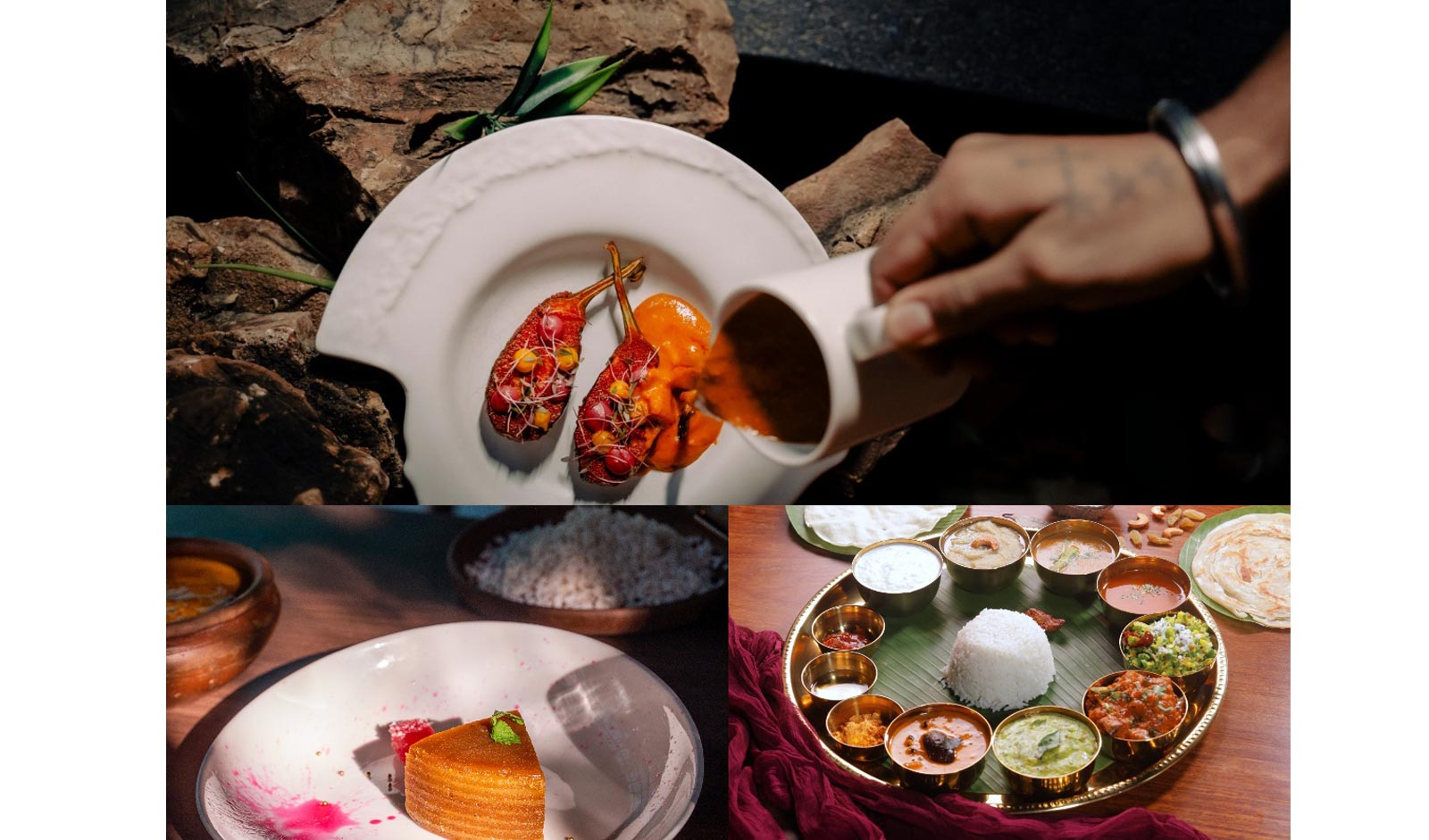
The dining out culture in India is also evolving, with a growing preference for experiential dining. Consumers are increasingly seeking restaurants that offer more than just good food; they want an ambiance and overall experience that justifies the premium prices. Fine dining establishments that focus on exceptional service, unique menu offerings, and memorable atmospheres are thriving. This trend highlights a shift towards valuing the overall dining experience, rather than just the food itself.
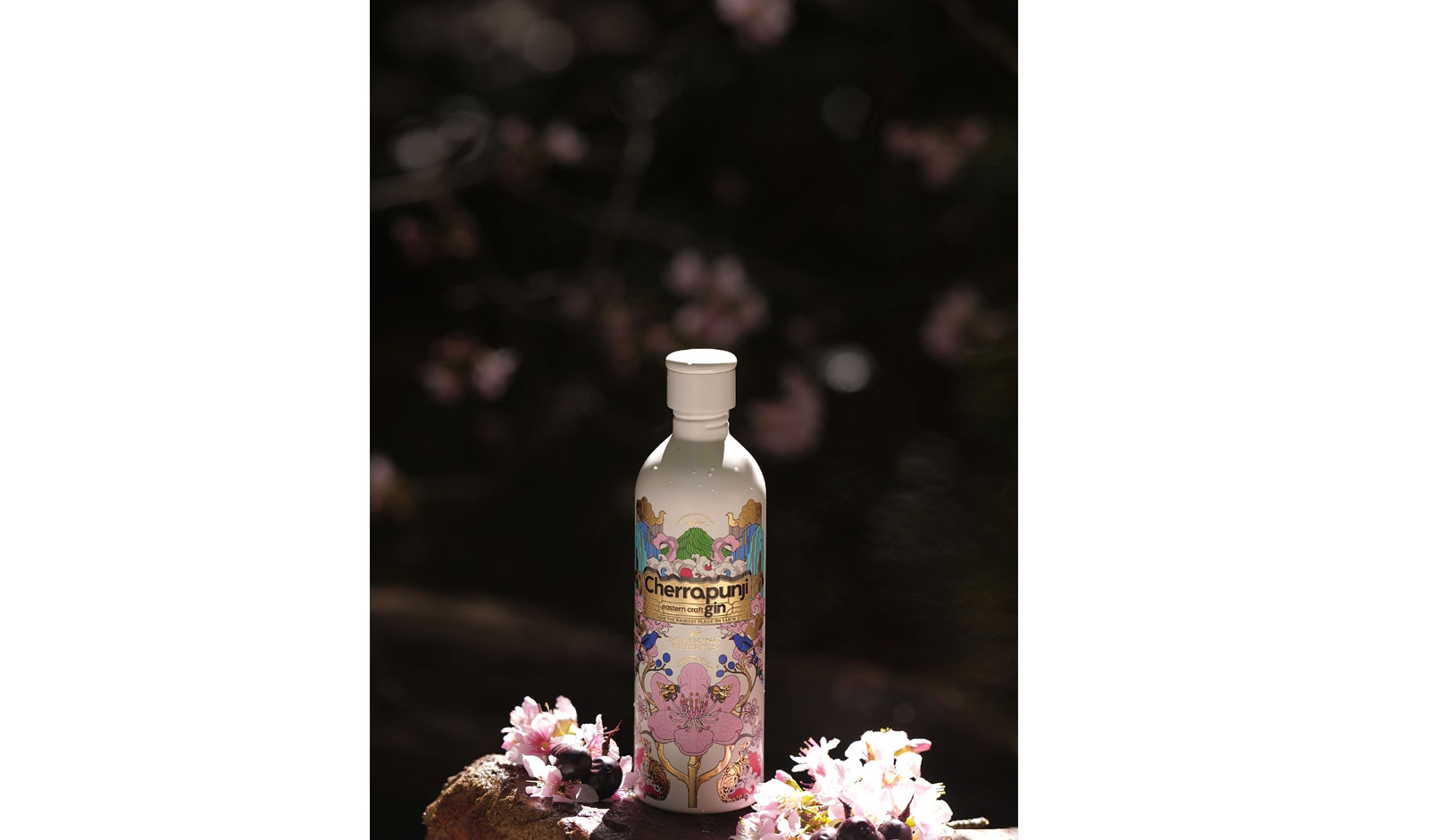
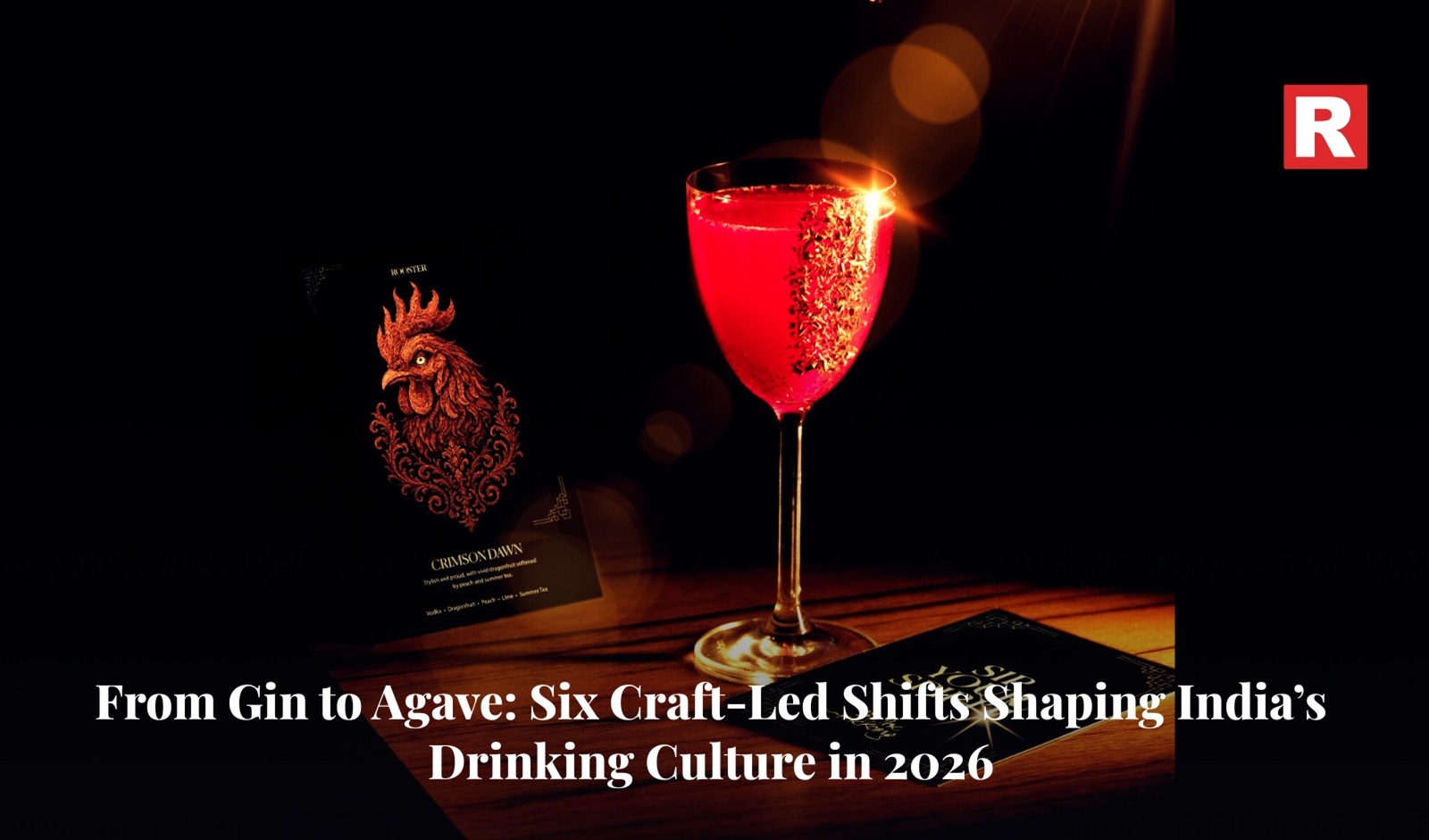
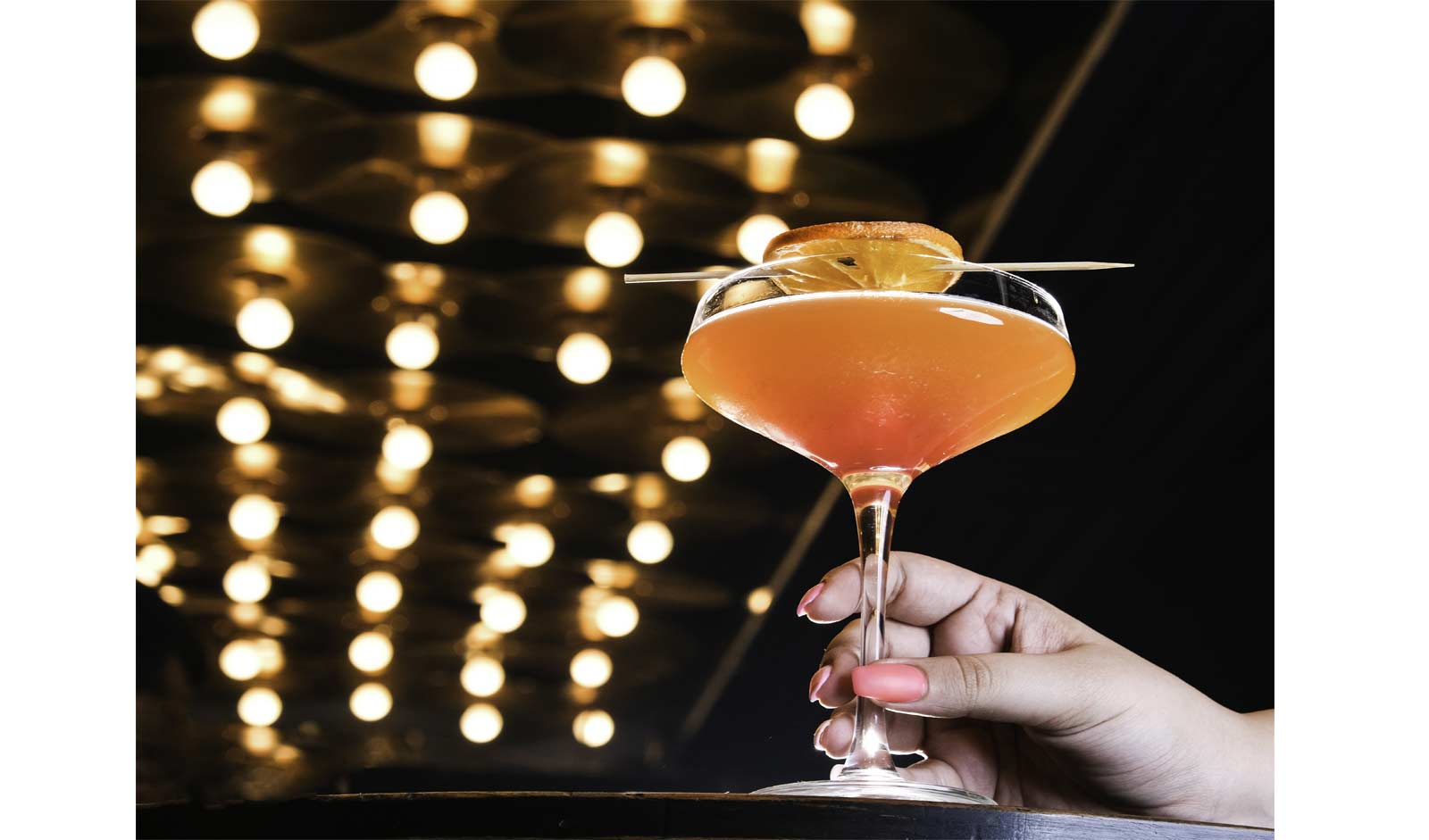
The premiumisation trend is equally pronounced in the beverage sector. The craft beer and spirits market is thriving, with consumers showing a growing willingness to pay more for high-quality, artisanal drinks. This shift is not limited to alcoholic beverages; premium non-alcoholic drinks featuring authentic, low-sugar, and functional ingredients are also on the rise. The emphasis on health and wellness is driving demand for beverages that not only taste good but also offer nutritional benefits.
“60% of on-premise visitors say they are likely to pay more for what they perceive as a better-quality drink. Being able to offer premium drinks with premium ingredients at your venue, isn’t necessarily anything new for your guests. What is new is how your guest will get to know they are available. Whether they are found on your menus (physical or digital) or displayed on POS throughout the venue, there needs to be something that draws your guest into a premium experience. In top performing venues, the featured product can generate up to 10% of total revenue,” Avinash Vupala,MD and owner of The Pablo's Club in Hyderabad mentioned.
Advantage to the Business
Premium pricing allows restaurants to achieve higher profit margins compared to economical dining options. By offering a premium experience, restaurants can differentiate themselves from competitors, creating a unique market position. This approach tends to attract a loyal customer base willing to pay more for consistent quality and exclusivity. Additionally, premium restaurants often gain a reputation for excellence, attracting more customers and elevating the overall brand image. To justify premium pricing, these establishments often innovate in menu offerings, ambiance, and service, leading to creative and unique dining experiences that draw in customers. Premium restaurants can also introduce additional revenue streams through exclusive events, private dining options, and branded merchandise, enhancing their profitability.