
Inside the Rise of Micro-Dining: How Small Formats Are Winning Big
For restaurant entrepreneurs, however, the lesson is more practical. Micro-dining is not about having fewer tables. It is about making every table economically and experientially valuable.

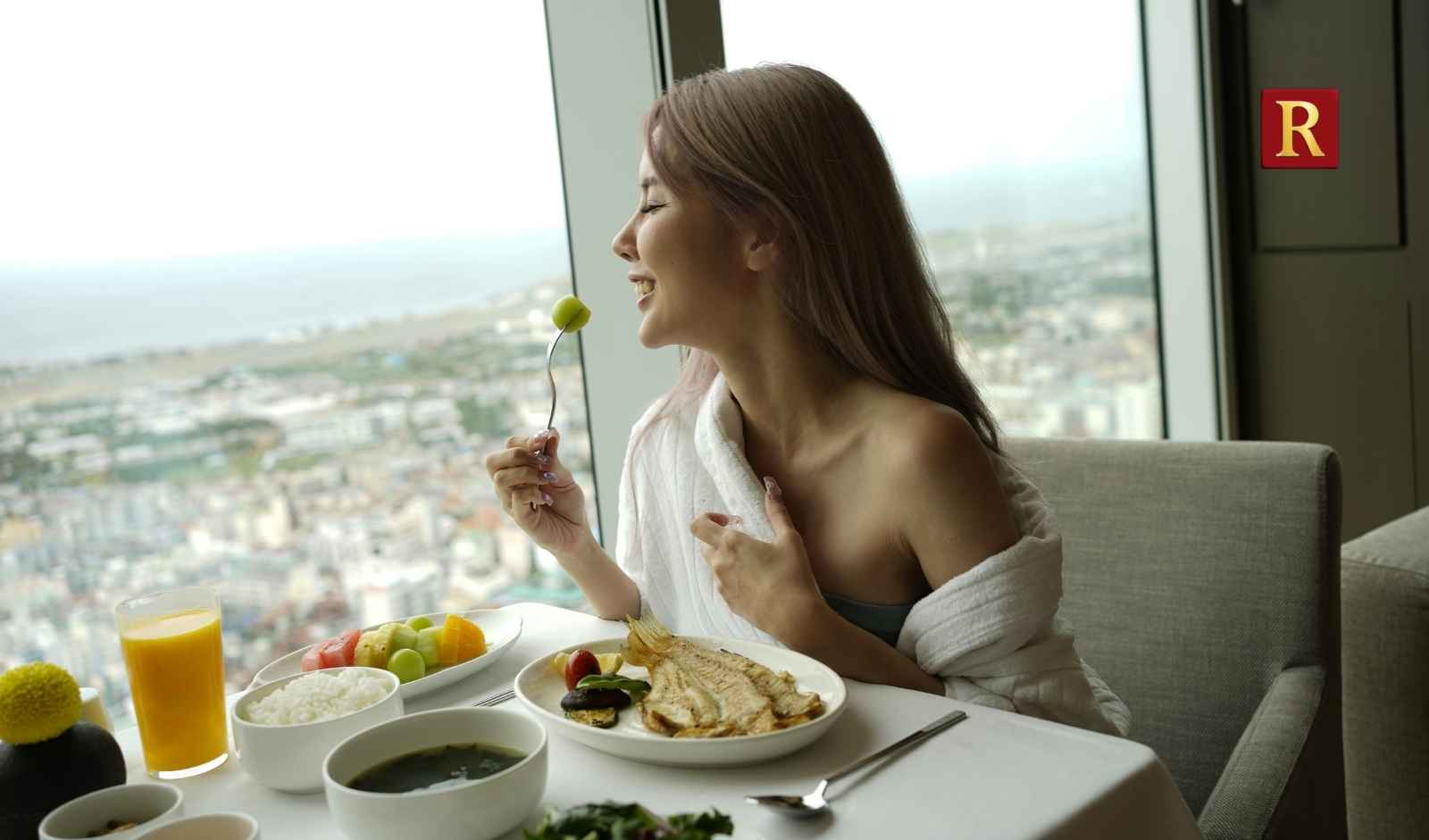
India’s restaurant business is not only getting bigger. In some cities, it is getting smaller. A new generation of restaurants is working with very limited seating. Some have fewer than 20 seats. Others are built around a chef’s counter, a fixed menu or a tightly controlled dining slot. The idea is simple: use less space, serve fewer people and make every seat count.
This is the thinking behind micro-dining. It is different from simply opening a small restaurant. The format is built around limited capacity. The menu, kitchen, staffing, pricing and reservation system are designed around that constraint. India’s foodservice market itself is expanding. Fortune Business Insights estimates that the market will grow from $126.43 billion in 2026 to $282.04 billion by 2034, at a projected CAGR of 10.55%. Within this larger market, micro-dining offers a more focused way to build a restaurant brand.
What Is Micro-Dining?
There is no fixed industry definition for micro-dining. In practical terms, it refers to restaurants and dining concepts where very limited seating is central to the business model.
This can include:
- 8–20 seat restaurants
- Chef’s counters
- Tasting-menu restaurants
- Small noodle and ramen bars
- Reservation-only dining rooms
- Supper clubs
- Highly specialised regional food concepts
The important point is not the exact number of seats. It is how the limited capacity shapes the business. A 12-seat restaurant cannot depend on hundreds of daily customers. It has to make its menu, pricing, service and reservations work harder.
The Restaurant Where Every Seat Matters
Consider Papa’s in Mumbai. The restaurant has just 12 seats and is built around a chef-led experience. Condé Nast Traveller ranked it third in its 2025 list of India’s top restaurants. The publication also reported that its 12 seats could disappear within a minute when reservations opened. That is a useful example of the economics behind micro-dining. The restaurant is not competing on the number of tables it has. It is competing on what happens at each seat. This changes the basic question for an operator.
- Instead of asking, “How many customers can I serve?”, the question becomes: “How much value can I create from every available seat?”
Revenue Per Seat Becomes a Key Metric
For a conventional restaurant, total sales are an obvious performance measure. For a micro-dining business, revenue per seat becomes much more important.
- The calculation is straightforward: Revenue per Seat = Total Sales ÷ Number of Seats
- A more useful measure is Revenue per Available Seat Hour, or RevPASH. RevPASH = Revenue ÷ (Available Seats × Operating Hours)
For example, imagine a 12-seat restaurant that runs two dinner seatings. If each seating has 12 guests and the average spend is Rs 2,500, the restaurant generates:
- 24 covers × Rs 2,500 = Rs 60,000
That is before accounting for food costs, salaries, rent, utilities, taxes and other expenses. The example shows why micro-dining requires careful pricing and capacity planning. One empty seat is not just an empty chair. It is lost revenue that cannot easily be recovered later.
Smaller Menus Can Make the Model More Efficient
Micro-dining also changes the way chefs think about menus. A large restaurant may need dozens of dishes to serve different preferences. A highly focused concept can work with a much shorter menu. Naru Noodle Bar in Bengaluru is a useful example. The concept began during the pandemic through pop-ups and deliveries before moving into a physical ramen bar. Its earlier format was an 8-seat noodle bar, with 75-minute seating slots.
- The model is built around a clear product: ramen.
That focus can simplify several parts of the operation.
- A smaller menu can mean: Fewer ingredients → simpler purchasing → easier storage → less kitchen complexity → easier staff training → more consistent execution.
It does not automatically mean lower food costs. Premium ingredients can still be expensive. But a focused menu gives operators greater control over purchasing, preparation and waste.
Scarcity Can Become Part of the Experience
Limited seating also creates something that a large restaurant cannot easily manufacture: scarcity. Papa’s is a good example. The restaurant's small capacity has become part of its identity. Its 12-seat format creates a reservation challenge, but the experience also gives customers direct proximity to the chef and kitchen. Condé Nast Traveller describes the restaurant as a 12-seat counter overlooking an open kitchen.
- This creates a useful cycle: Limited seats → strong demand → reservations → anticipation → experience → word of mouth → more demand
Social media can amplify this cycle, but it is not the whole reason the model works. The stronger proposition is the experience itself.
The Chef Becomes Part of the Product
In a traditional restaurant, customers may never see the chef. At a chef’s counter, the kitchen becomes part of the dining room. Guests can watch food being prepared. They can hear explanations about ingredients. They can see plating happen in real time. This creates additional perceived value without requiring a larger dining room. Papa’s, for example, uses its open-kitchen counter to make the chef and cooking process central to the experience. TIME also included the Mumbai restaurant in its 2025 list of the World’s Greatest Places. For premium micro-dining, the customer is therefore paying for more than food. They are paying for access, attention and a controlled experience.
But Small Does Not Mean Automatically Profitable
This is where the micro-dining story needs some caution. A small restaurant has a physical revenue ceiling.
- Consider a 12-seat restaurant with two seatings and an average spend of Rs 2,500. At full capacity, that is Rs 60,000 in sales for those two seatings.
- But what happens if only 75% of seats are filled?
- The same operation drops to 18 covers.
- That means Rs 45,000 in sales at the same average spend.
- The fixed costs, however, do not fall by 25%.
- Rent still has to be paid. Salaries still have to be paid. Equipment still needs maintenance.
- This makes seat utilisation critical.
Operators also need to monitor food cost, labour cost, average spend, cancellation rates, repeat visits and contribution margin.
Contribution Margin Matters More Than Sales Alone
Micro-dining operators should also understand contribution margin.
- Contribution Margin = Selling Price – Variable Cost
Suppose a tasting menu costs Rs 3,500 and its direct variable costs are Rs 1,200.
- The contribution is: Rs 3,500 – Rs 1,200 = Rs 2,300 per guest
That Rs 2,300 then contributes toward fixed expenses such as rent, salaries, utilities, marketing and equipment. This is why pricing cannot be based only on what customers are willing to pay. It must also reflect the economics of limited capacity.
Location Can Work Differently
Micro-dining also changes the importance of location.
- A large casual restaurant often benefits from visibility and walk-in traffic.
- A reservation-led micro-restaurant can operate differently.
- A less prominent location may work if the concept has enough destination value.
The customer may travel specifically for the restaurant. This opens possibilities for smaller spaces in neighbourhood lanes, upper floors and compact commercial properties. But there is a trade-off. Less rent can also mean less spontaneous footfall. The operator then becomes more dependent on reservations, digital discovery, repeat customers and word of mouth.
Technology Helps Every Seat Work Harder
Technology is increasingly important to this format.
A reservation system can track:
- Booking conversion
- No-shows
- Cancellations
- Peak demand
- Repeat guests
POS data can show:
- Average spend
- Best-selling dishes
- Menu contribution
- Day-wise sales
- Customer ordering patterns
Inventory software can help track purchasing and wastage. CRM systems can help identify repeat customers and understand how often they return. For a 12-seat restaurant, even small improvements in utilisation can have a meaningful impact because capacity is so limited.
The Next Opportunity May Be the Hybrid Model
The biggest challenge for micro-dining is scale. Adding 100 seats can destroy the intimacy that made the concept attractive in the first place. That is why the next stage may involve hybrid revenue models.
A small restaurant could become the experience centre for a wider brand through:
- Pop-ups
- Catering
- Retail sauces
- Packaged foods
- Chef collaborations
- Cooking workshops
- Events
- Delivery
- A second compact outlet
This allows the physical restaurant to remain small while the brand grows beyond its seating capacity.
Looking Ahead!
India's growing foodservice sector is creating room for many different restaurant models. But the opportunity is not the same for every operator. Micro-dining makes the most sense when a concept has a strong reason for customers to visit.
- That could be: A specialised cuisine. A chef's reputation. A fixed tasting menu. A rare ingredient. A strong regional food story. Or simply an unusually focused dining experience.
The format is especially relevant to urban diners who are looking for something more personal than a conventional meal. For restaurant entrepreneurs, however, the lesson is more practical. Micro-dining is not about having fewer tables. It is about making every table economically and experientially valuable.
- The successful operator will need to balance three things: Seat economics + operational control + customer experience.
Get those three right, and a small restaurant can build a strong business without chasing scale through square footage alone. That may be the real appeal of micro-dining: not making restaurants smaller for the sake of being small, but designing the entire business around doing more with less.
Saptopriya Ghosal
Feature Writer
I am a dedicated media professional with a bachelor's degree in mass communication from the State University of Calcutta and a postgraduate degree from Amity University. My academic journey has equipped me with a profound understanding of storytelling and communication. Passionate about the dynamic world of media, I continually strive to explore new ways to engage and inform through compelling narratives.



































































