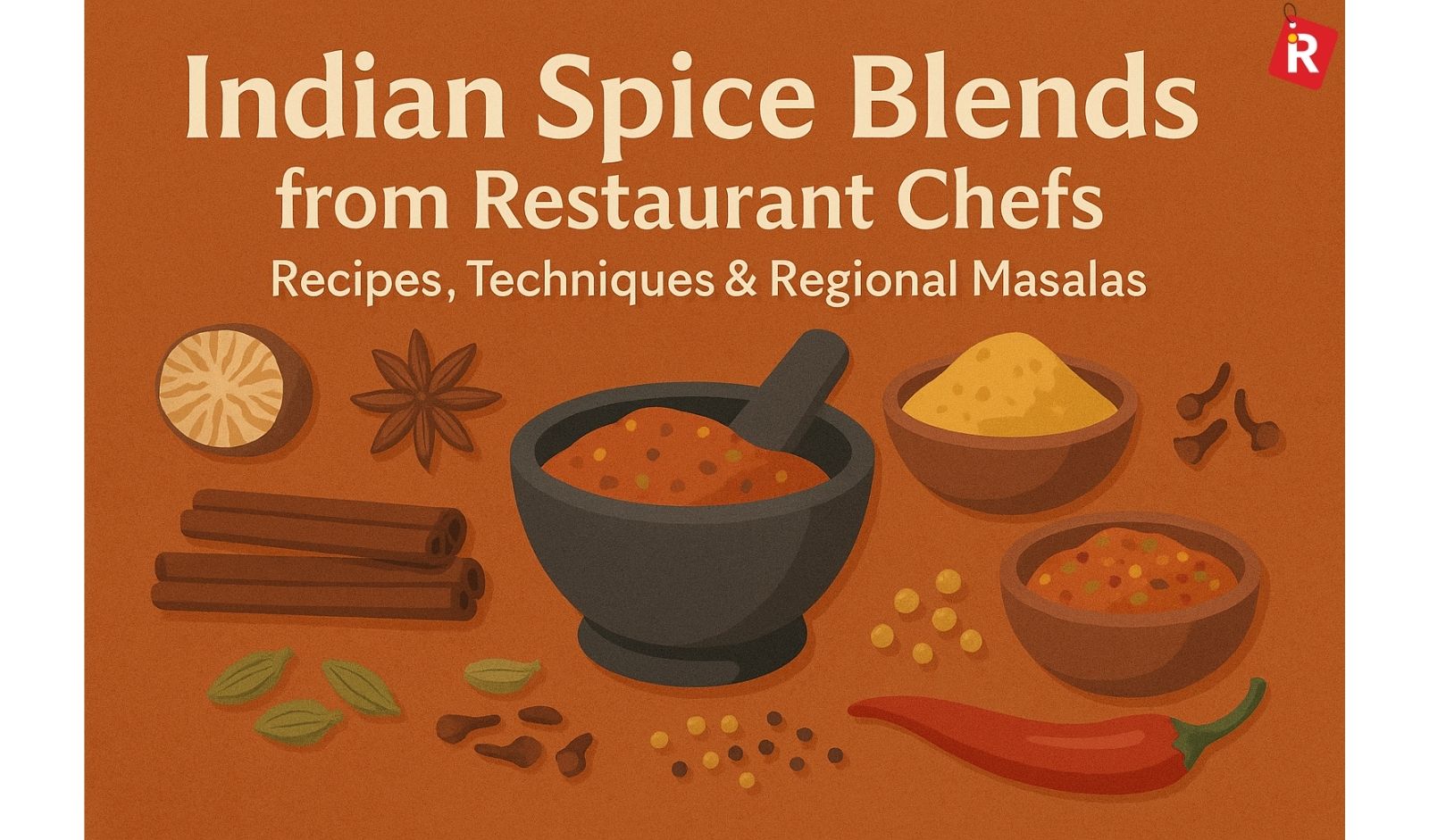
Indian Spice Blends from Restaurant Chefs: Recipes, Techniques & Regional Masalas
Spices are more than just ingredients in Indian cuisine; they represent the spirit, heartbeat, and pulse of each dish. The magic begins with the 'masala’, a term that refers to the artistic, complex mixtures that define the unmatched variety of Indian flavors. While home cooks love their family recipes, professional restaurant cooks, particularly those refining their skills in hectic kitchens across India, are typically the actual masters of these complex blends, carefully keeping their signature spice secrets.

Spices are more than just ingredients in Indian cuisine; they represent the spirit, heartbeat, and pulse of each dish. The magic begins with the 'masala’, a term that refers to the artistic, complex mixtures that define the unmatched variety of Indian flavors. While home cooks love their family recipes, professional restaurant cooks, particularly those refining their skills in hectic kitchens across India, are typically the actual masters of these complex blends, carefully keeping their signature spice secrets.
These professional chefs recognize that a well-balanced spice is the key to unleashing real flavor profiles and transforming ordinary foods into spectacular culinary experiences. From the creamy gravies of North India to the spicy curries of the South, each dish owes its distinct flavor to a carefully planned spice blend. This article will explain the idea of Indian seasoning, examine classic and regional spice blends, and reveal expert chef secrets that take these spices from good to absolutely outstanding.
Check out: The Restaurant's Toolkit: Essential Apps, Resources, and Strategies to Organize Your Business
The Philosophy of Indian Seasoning
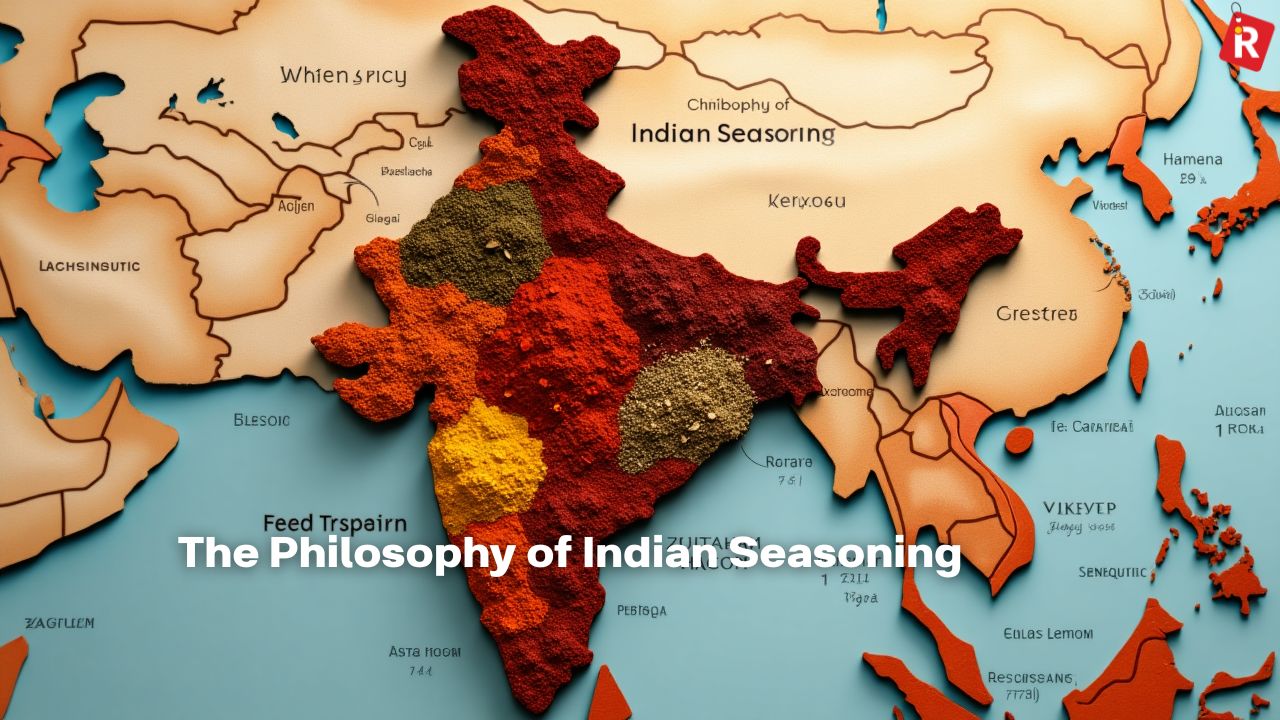
The Indian approach to seasoning food is a complex symphony that goes far beyond merely adding flavor. It's a systematic, multilayered procedure that has evolved over the ages, with its roots in different food cultures and even Ayurvedic principles.
The Different Roles of Spices
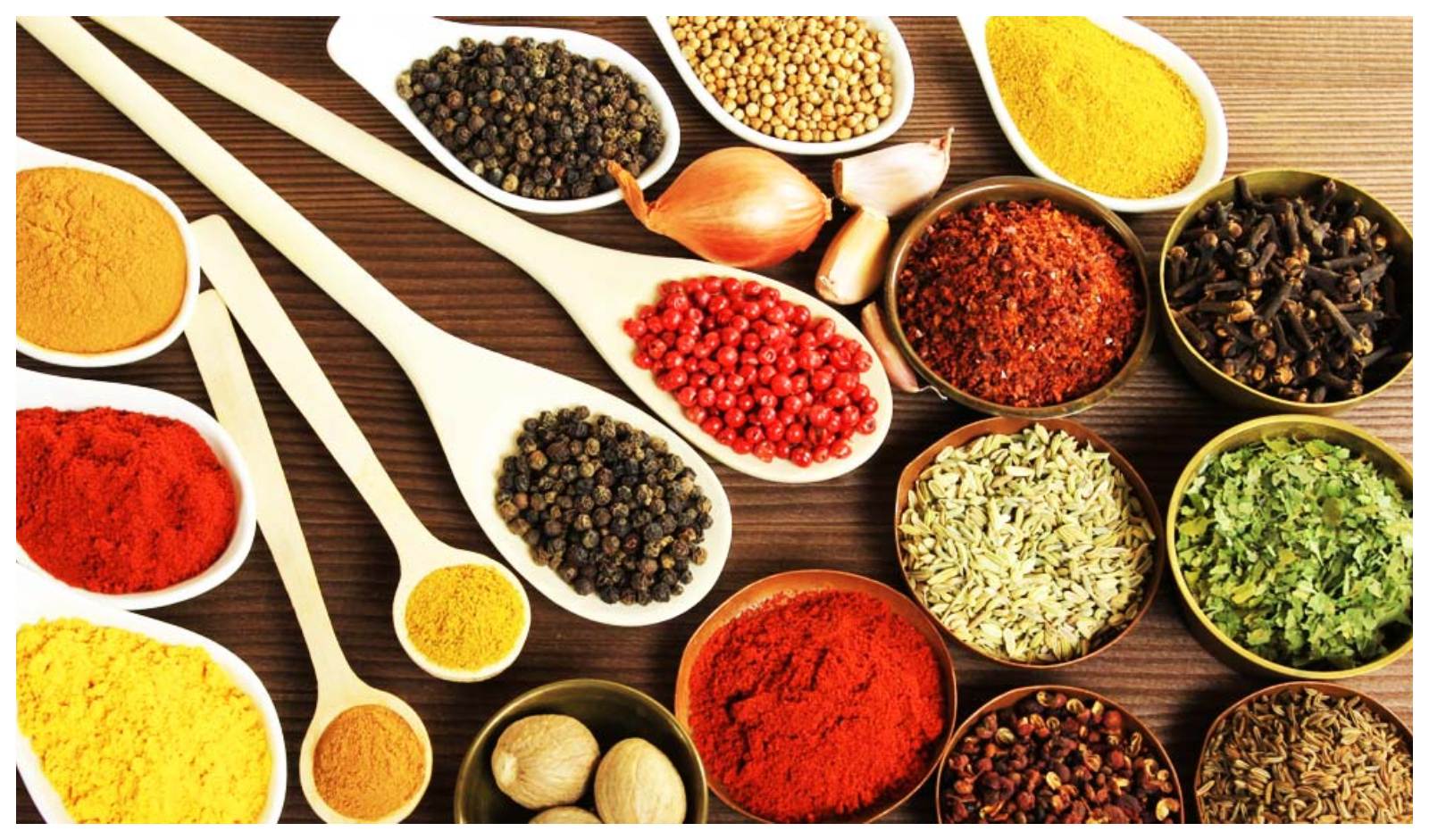
Spices play a much larger role in Indian cooking than just taste. They add brilliant colors (turmeric, red chile), delicious fragrances (cardamom, cinnamon), and fascinating textures (mustard seeds, fenugreek). Aside from their sensory appeal, many Indian spices are treasured for their medical benefits, which are thought to assist digestion, improve immunity, and offer warmth, connecting the food art to overall well-being. This profound understanding of spices’ different roles is central to the Indian spice philosophy. Most of these blends are based on the ancient Ayurvedic principles.
The Art of Layering
Mastering Indian seasoning requires a complex layering process. Spices are applied at various stages of cooking to extract unique flavors. Whole spices, such as bay leaves or cinnamon sticks, are frequently roasted in hot oil at the start (a process called tadka or chaunk), infusing the fat with their earthy scents. Ground spices, on the other hand, are usually added later, frequently sautéed gently with aromatic substances like ginger and garlic to make the foundation of a gravy—a critical phase known as bhuna. The meticulous timing of adding spices results in a subtle, balanced flavor profile that unfolds on the palate.
The Preference for Fresh Grinding
While pre-ground spices have become popular due to their convenience, skilled Indian cooks nearly always choose to grind their own spice combinations, or masalas, from scratch. The change is noticeable. Whole spices keep their aromatic oils and powerful scents much longer than ground spices. Dry roasting entire spices immediately before grinding brings out their hidden flavors, resulting in an unmatched freshness and intensity that commercially ground powders just cannot equal. This dedication to fresh grinding is characteristic of real Indian flavors.
Read more: 5 Ways to Optimize Digital Menus for Enhanced Profitability
Diversity of Indian Spices
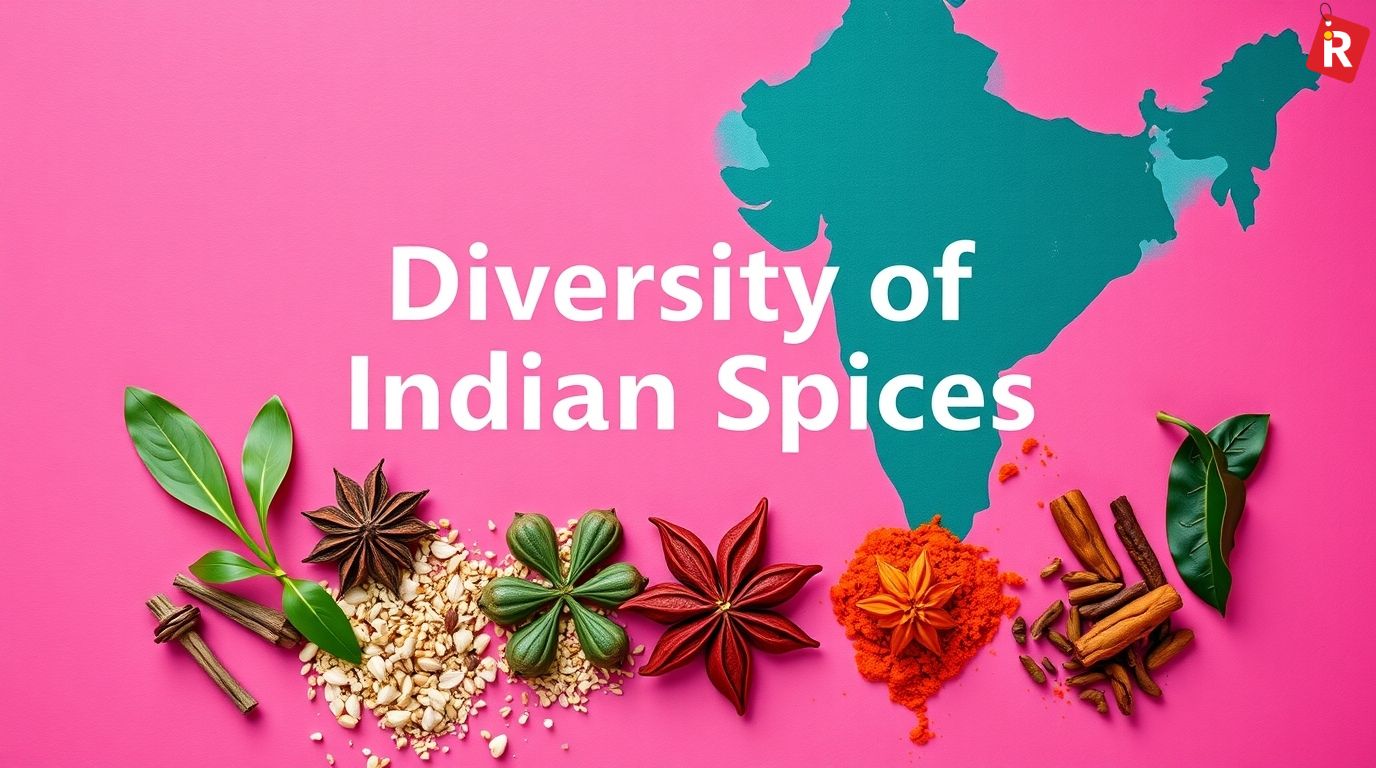
The true richness of Indian seasoning is found in its incredible regional diversity, where local ingredients and culinary traditions give rise to several different Indian regional masalas.
North Indian & Punjabi Masalas
North Indian masalas can be identified by their richness, warmth, and often creamy texture. They frequently include whole spices such as black and green cardamom, cinnamon, cloves, and bay leaf. Chole Masala (for chickpea curry) and Shahi Paneer Masala (for royal cottage cheese curry) are excellent examples. They frequently use dried fenugreek leaves (kasuri methi) for an earthy, bitter flavor. Restaurants in North India frequently modify traditional Punjabi masala recipes to suit local tastes, sometimes making them somewhat less spicy or stronger, with a larger emphasis on aromatic whole spices. These restaurant spices maintain consistency throughout their North Indian menu.
What's new: 10 Actionable Interior Design ideas for Restaurants
South Indian Masalas
These blends usually have lighter, tangier, and occasionally spicier notes, with spices such as curry leaves, mustard seeds, fenugreek, and dried red chilies. Roasted lentils (urad dal, chana dal) and coconut are also popular ingredients, adding body and a nutty flavor. Sambar Powder and Rasam Powder are essential, providing a fragrant base for their sour lentil and tomato broths. The technique of dry roasting and carefully grinding these ingredients defines the particular flavor of South Indian spices.
West Indian (Maharashtrian & Gujarati) Masalas
West Indian food excels in balancing sweet, sour, and spicy flavors. Goda Masala from Maharashtra is a rich, aromatic blend of dry coconut, sesame seeds, stone flower (dagad phool), and different whole spices that add a distinct earthy depth to curries. Gujarati cuisine frequently employs simpler blends such as Dhana Jeera (roasted cumin and coriander powder) as a versatile foundation. These mixtures reflect the region's distinct culinary beliefs.
East Indian (Bengali & Odishan) Masalas
Panch Phoron, a five-spice blend of whole fenugreek seeds, nigella seeds (kalonji), cumin seeds, mustard seeds, and fennel seeds, is commonly used in East Indian seasoning and is always used whole and tempered in oil. Bengali garam masala is often lighter and more aromatic than its North Indian equivalent, with a focus on green cardamom, cinnamon, and cloves. Mustard oil and freshly ground mustard paste are also essential to the region's distinct flavor profile.
Know more: 5 reasons to use a single equipment supplier for new restaurant openings
How to start a restaurant blog and attract customers
Restaurant Secrets to Mastering Spice Blends
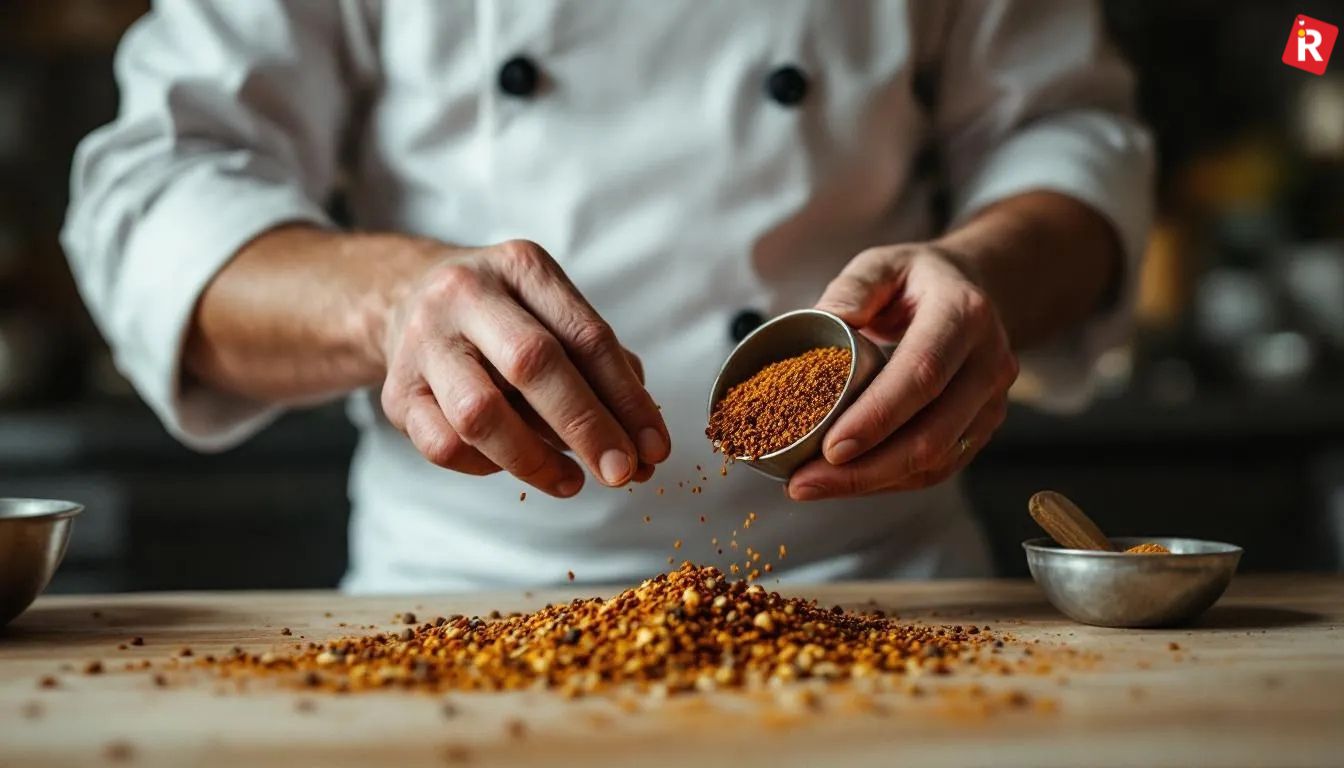
Certain cooks have their spice blends to make the food taste different from others. This becomes the trademark taste of the restaurant. While creating the blend, certain ingredients can be different, but skilled chefs use fundamental principles when creating their trademark spice blends. These professional chef tips are essential for generating consistent, deep flavors.
1. Quality of Ingredients is Non-Negotiable
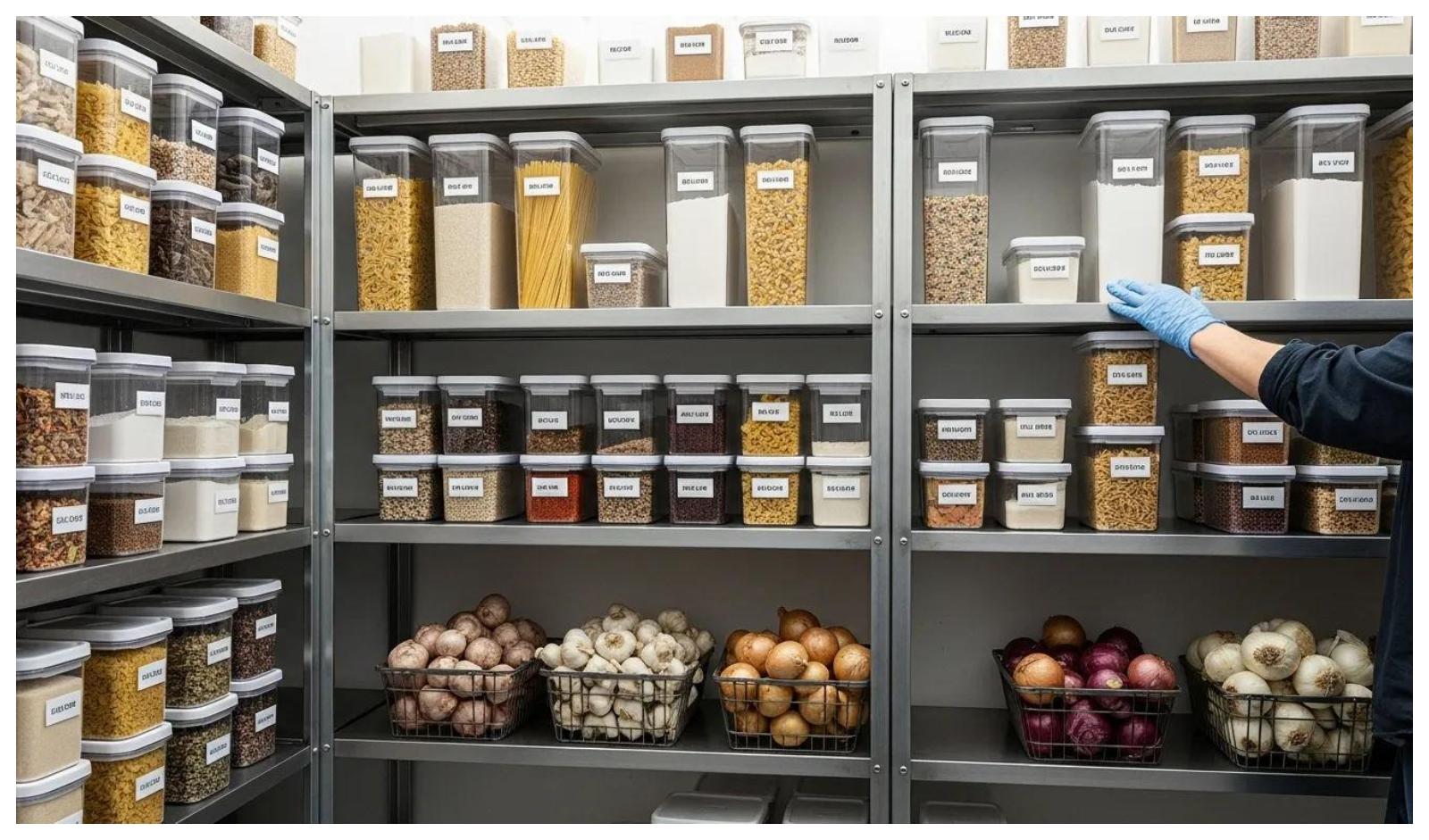
The quality of the raw materials serves as the foundation for any superb masala. Restaurant cooks carefully select fresh, whole spices from reputable merchants. Stale or low-quality spices produce bland, lifeless tastes. Proper storage away from direct light, heat, and moisture is also critical to maintaining their effectiveness.
2. The Importance of Toasting
This is possibly the most important stage in developing a genuinely fragrant blend. Toasting entire spices in a dry pan over medium heat, also known as bhunao, activates their essential oils, enhances their flavor, and makes them simpler to grind into fine powder. Chefs pay great attention to proper toasting to prevent spice burns.
3. Grinding Fresh for Potency
Once toasted, the spices are ground into a fine powder. While powerful mixer grinders are popular, some cooks prefer old stone grinders for a finer texture and richer aroma. Grinding spices fresh, just before use, or in tiny amounts, gives perfect flavor and aroma, which is a key to mastering Indian seasoning.
4. The Art of Balancing Flavours
Making a perfect spice is an easy process. It requires the chef's 'nose' and 'palate' and an instinctive awareness of how spices interact. To achieve ideal harmony between sweet, sour, salty, spicy, and savory notes, proportions are critical, and constant taste-testing and adjustment are part of the creative process. This is where chefs create their own restaurant flavor blends.
5. Smart Storage for Longevity
Even freshly ground spice mixes lose power with time. Chefs keep their prized blends in airtight containers away from direct sunlight and heat to preserve their volatile components. Small batches are frequently used for very fragrant mixtures.
6. The Signature Twist
Every great chef adds their own label to a dish, often through a subtle change in spice blend. This could be an unusual addition (for example, a trace of anise seeds in a regular Garam Masala, a touch of dried rose petals, or a specific type of chili) or a unique roasting procedure that differentiates their flavor profile, resulting in their restaurant's secret spices.
7. Understanding Chilli Types
Master chefs recognize that not all chilis are created equal. They meticulously choose certain chili kinds, such as the colorful, mild Kashmiri chili for color, the medium-hot Byadagi, and the hot Andhra Sannam for strong heat. Their expertise lies in combining these many chilies to produce precise heat levels and the correct color without dominating other flavors. This detailed awareness enables them to modulate the 'kick' of a dish, tailoring it to different palates while remaining authentic.
8. The Art of Tempering (Tadka/Chaunk)
Beyond simply adding ground spices, restaurant cooks specialize in tadka or chaunk, which is the process of heating entire spices in hot oil or ghee to release their essential oils and infuse the cooking medium. The type of fat used (ghee, mustard oil, or vegetable oil) and the precise timing at which spices are added to the hot fat have a significant impact on the final scent and flavor. This initial burst of powerful, fragrant flavor serves as a critical foundational layer, laying the groundwork for the entire dish and considerably contributing to the trademark taste of authentic Indian flavors.
Read this: Practical ways to train staff for better customer service
The Harmony of Aroma and Taste
Mastering the art of seasoning in Indian food requires a combination of sensory exploration and cooking rules and regulations. It's a complex dance of aromas, textures, and flavors, with each perfectly planned spice blend telling a story about tradition, innovation, and passion. The signature spice mixes created by restaurant cooks demonstrate this deep artistic ability, transforming simple ingredients into a symphonic culinary experience.
As you explore the enormous universe of Indian flavors, keep in mind that every genuinely great Indian meal is built around properly choreographed spices. Embrace the process, experiment with proportions, and maybe even add your own unique spin to these timeless aromatic masterpieces.
Mahak Sharma
Content Writer
Mahak Sharma is a passionate content writer with 2 years of experience crafting compelling content across various niches, tailoring her writing to suit different audiences and platforms. She is dedicated to producing engaging content for readers so that they can understand and enjoy the articles. Her strengths lie in crafting SEO-friendly, well-structured articles that drive visibility and engagement.