Indian Hotels Double Down on F&B as a Core Revenue Stream
With the Indian hotel industry projected to grow at an annual rate of 9 to 11 percent through FY25, driven by robust domestic and international travel demand, F&B is poised to play a transformative role in shaping the industry's future.

Published by — Sakshi Singh
Views: 1839 8 MIN READ

Once regarded as a secondary revenue stream, food and beverage (F&B) operations now contribute significantly to hotel revenues, accounting for 35 percent to 50 percent of the total income. This growing importance is fueled by innovative concepts such as specialty dining and expansive banqueting services, coupled with a cultural shift towards dining out more frequently. With the Indian hotel industry projected to grow at an annual rate of 9 to 11 percent through FY25, driven by robust domestic and international travel demand, F&B is poised to play a transformative role in shaping the industry's future.
“F&B is no longer just an amenity; it is a cornerstone of revenue generation in hotels," explains Deepraj Vanju, Food & Beverage Manager at Courtyard by Marriott Mahabaleshwar. "At our property, we’ve redefined F&B experiences by crafting unique culinary journeys. Initiatives like The Berry Library, which celebrates local produce, or immersive dining concepts like Moonlight Dining and Quarter Deck Sundowners, have not only enhanced guest satisfaction but also significantly boosted footfalls and revenue. With strategic pricing, seasonal promotions, and a focus on experiential dining, F&B has emerged as a key driver of incremental revenue and guest loyalty.”
To capitalize on this momentum, hotels are reimagining their F&B strategies by emphasizing innovation, technology, and sustainability. Specialty dining experiences are at the forefront of this transformation, with themed restaurants, regional cuisines, and curated culinary concepts designed to attract both in-house guests and local patrons. Rooftop dining, menus showcasing locally sourced artisanal ingredients, and exclusive culinary experiences are becoming defining features of modern F&B offerings. However, challenges remain, as Michael Grove, COO at HotStats, highlights: “F&B is out of sync. Guests are spending more on room rates, wellness, spas, and leisure activities, but not enough in food and beverage outlets to offset cost increases.”
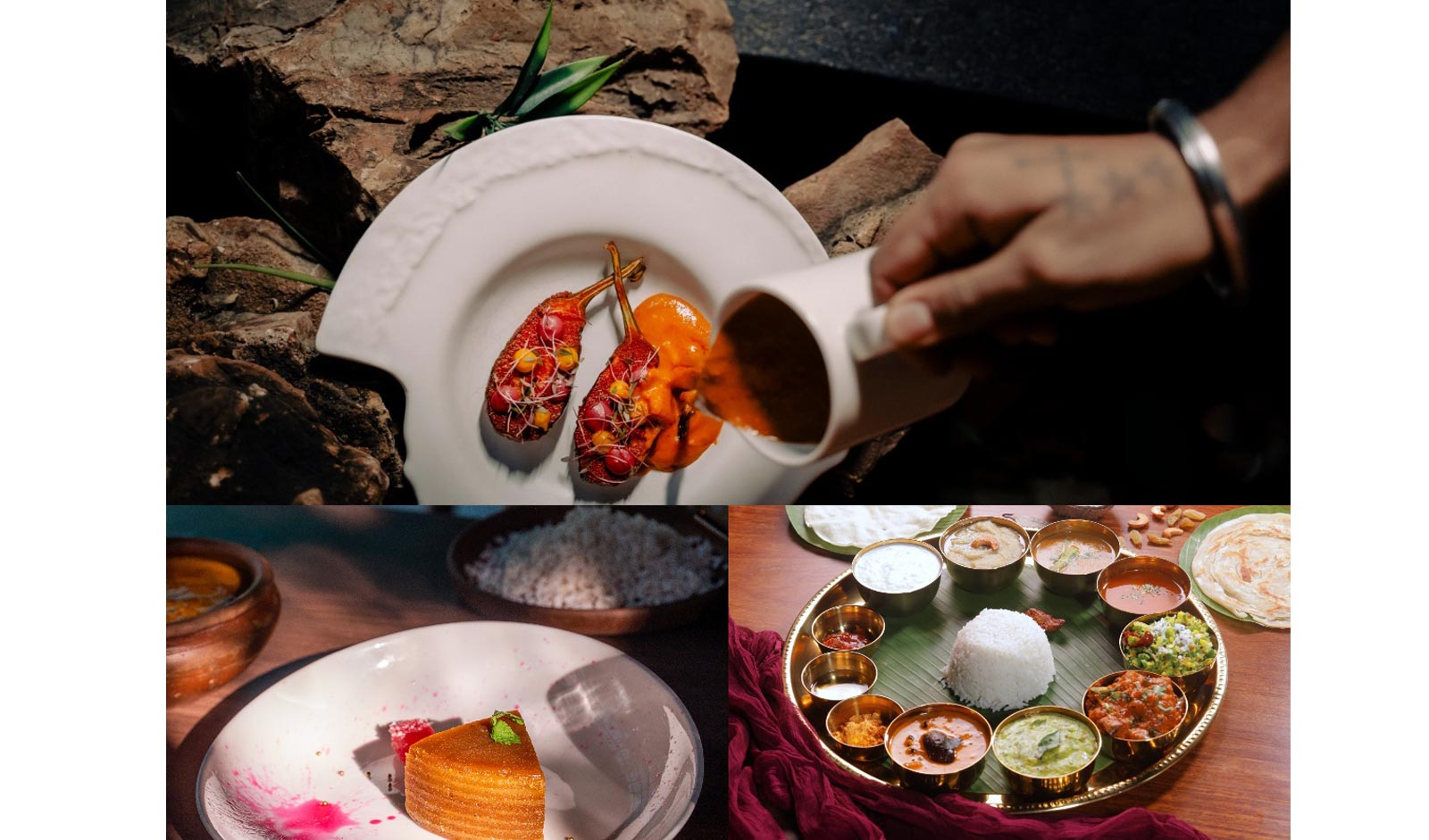
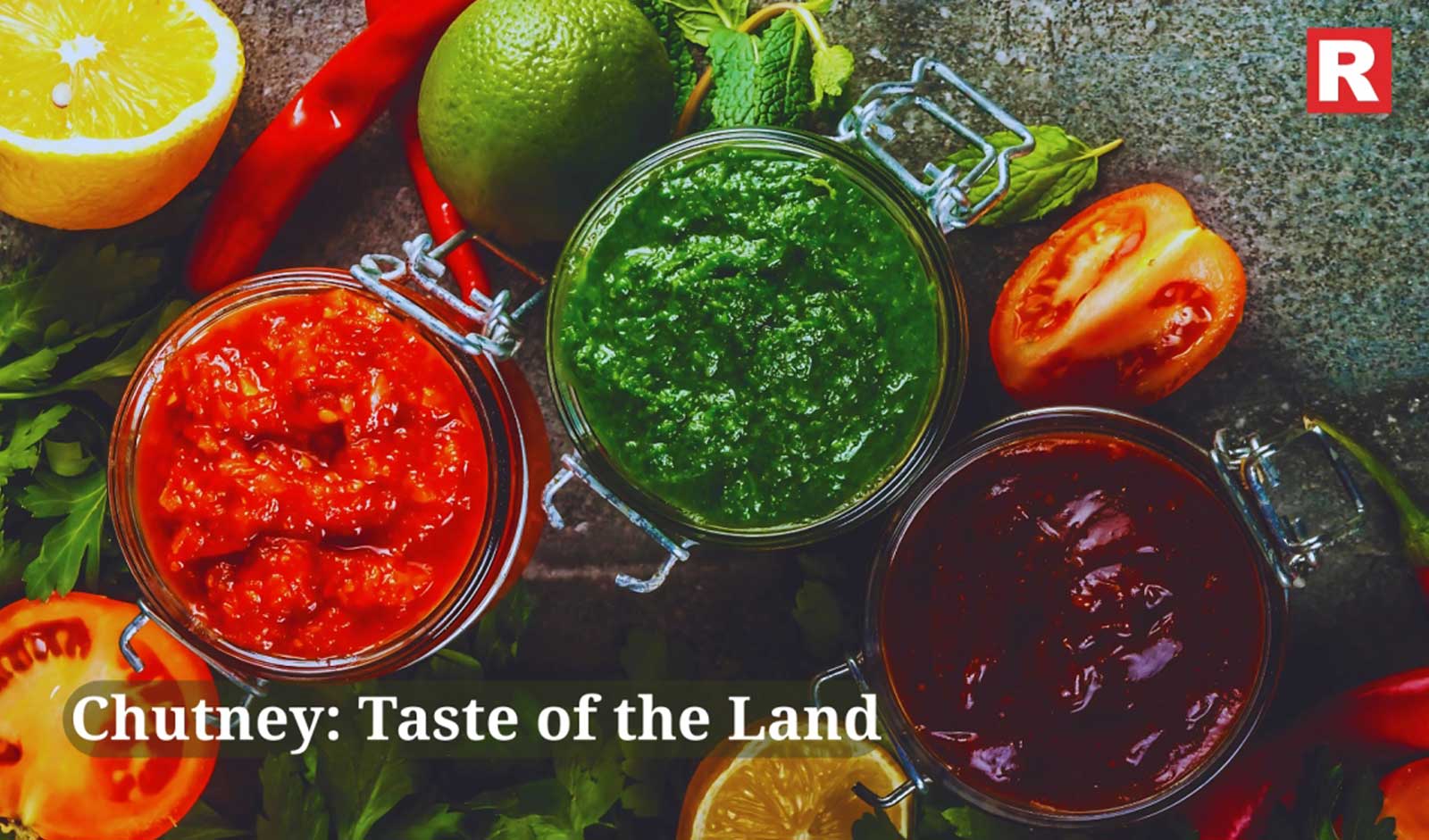
Aligning F&B offerings with local market demands is critical to enhancing profitability. Developing concepts that resonate with the local community not only draws external patrons but also increases footfall and revenue. Across India, hotels are leveraging local produce and culinary traditions to create distinct dining experiences. For example, Leisure Hotels Group celebrates Kumaoni cuisine by crafting dishes such as aloo gutka bruschetta with bhang ki chutney and Kumaoni cheese platters in Uttarakhand. Similarly, Novotel Goa Candolim integrates local ingredients like kokum, star fruit, and jamun into its cocktails and dishes, showcasing how regional flavors can redefine culinary experiences. At Courtyard by Marriott Mahabaleshwar, F&B contributes approximately 35 percent of the overall revenue, driven by a balanced mix of resident guests, walk-ins, and MICE events. Initiatives like curated celebrations, destination dining, and strategic marketing partnerships have played a pivotal role in achieving this success.
Technology has emerged as a key enabler in transforming F&B operations. Innovations such as QR-based menus, contactless payments, and AI-powered customer service have enhanced operational efficiency and guest convenience. Sustainability is another cornerstone of modern F&B strategies, with hotels adopting eco-friendly practices like reducing food waste, sourcing locally, and using energy-efficient technologies to cater to the growing demand for environmentally conscious dining options.
The future of F&B in Indian hotels looks exceptionally promising. A resurgence in leisure and business travel, coupled with increasing foreign tourist arrivals, is driving higher occupancy rates and boosting demand for diverse dining options. Major hotel chains are recognizing this potential, with significant investments to expand their F&B portfolios. For instance, Indian Hotels Co. Ltd (IHCL), the parent company of Taj Hotels, has announced a ₹50 billion investment plan to double its hotel count and strengthen its culinary offerings. Moreover, evolving consumer preferences for experiential dining, health-focused menus, and authentic flavors are prompting hotels to continuously innovate and adapt their F&B services to meet these expectations.
Radisson Hotel Group is expanding its innovative F&B portfolio in India with the rollout of Meetha by Radisson, an artisanal mithai (sweets) offering conceptualized by celebrity chef Rakesh Sethi. The group is also set to introduce its global culinary concepts, including Balaustine and ISSEI. Balaustine showcases the rich and diverse flavors of the Barbary Coast, Levant, and neighboring Middle Eastern regions, while ISSEI specializes in Nikkei cuisine, an intriguing fusion of Japanese and Peruvian culinary traditions. Popular dining brands like The Great Kabab Factory, Ni Hao, and My South are also preparing to expand to new locations, reflecting the group’s commitment to diverse and high-quality dining experiences.
As F&B continues to revolutionize the Indian hospitality landscape, it has evolved from a supplementary service into a critical growth driver and differentiator. The shift from traditional all-day dining to innovative, vibrant concepts is not only enhancing guest experiences but also solidifying F&B’s role as a vital revenue stream. By embracing cutting-edge technology, sustainability, and creative culinary approaches, Indian hotels are setting new benchmarks in hospitality, ensuring their F&B offerings remain a compelling draw for both local and international audiences.