
How to Train Your Staff on Buffet Etiquette
The performance of your staff at the buffet has a direct influence on customer satisfaction, online reviews, and, eventually, the bottom line of your business in the fiercely competitive Indian hospitality sector. In addition to ensuring operational effectiveness, a well-trained staff maintains the high standards of hygienic practices and cultural sensitivity that Indian customers demand.

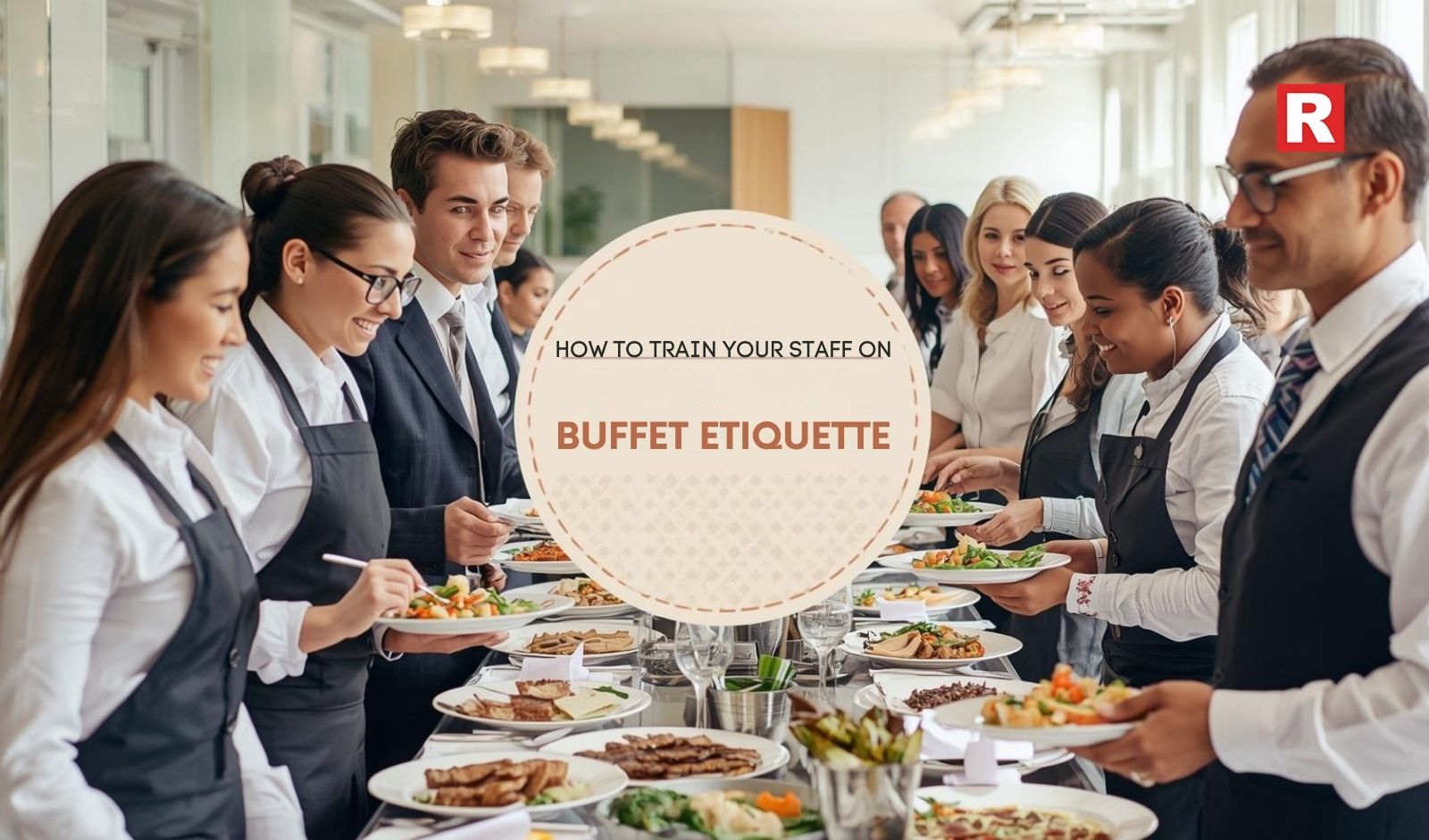
The center point of the Indian hospitality sector is the buffet. Across the Indian subcontinent, the all-you-can-eat model is a renowned dining tradition, from corporate events and breakfast service at five-star hotels to lavish wedding banquets (shaadis). But running a busy buffet in India calls for a degree of decorum and cultural awareness that goes much beyond just restocking chafing dishes.
The performance of your staff at the buffet has a direct influence on customer satisfaction, online reviews, and, eventually, the bottom line of your business in the fiercely competitive Indian hospitality sector. In addition to ensuring operational effectiveness, a well-trained staff maintains the high standards of hygienic practices and cultural sensitivity that Indian customers demand.
This detailed article breaks down the key components of a Buffet Etiquette Training Program tailored to the Indian setting. You will elevate your service from basic to excellent by investing in this training, making your restaurant a model for Indian Buffet Service Standards.
Read more: How to Start a Buffet Restaurant
Module 1: Mastering the Indian Culture (The ‘Right’ Way to Serve)
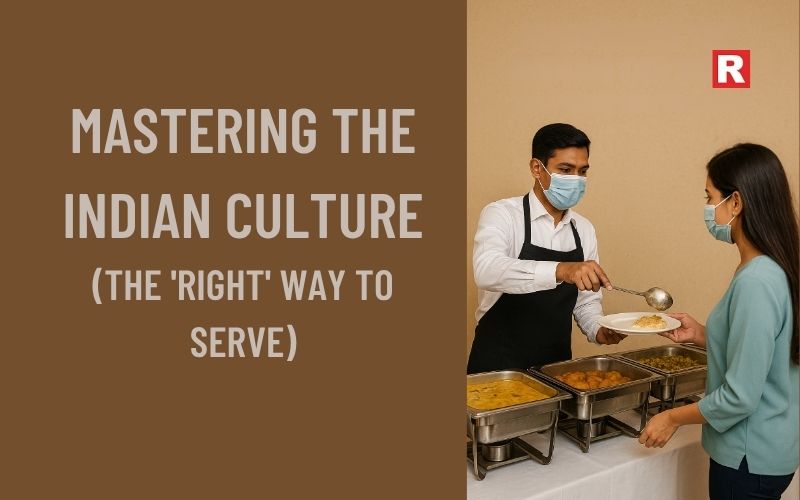
Without initially developing a broad understanding of the different social and cultural customs that control dining in India, training cannot be effective. These standards define what constitutes "good service" and shape customer expectations.
The Concept of Jootha (Contamination) and Hygiene
A basic rule of Indian dining is to avoid jootha, which means "contaminated" or "touched by the mouth/saliva." Staff must make every effort to reduce the possibility of potential contamination, even if customers are aware that a community buffet involves sharing utensils.
Training Instructions:
- The "No Touching" Rule: This rule states that staff must be strictly instructed not to handle or change food with their bare hands, even when wearing gloves, unless they are actively placing food on a guest's plate.
- Timely Utensil Replacement: A dedicated staff member, sometimes referred to as the "Buffet Marshal," is required to keep a close eye on serving spoons and tongs. A service member is required to quietly and promptly swap out any contaminated serving utensils with new ones if a guest accidentally serves themself with a personal fork or spoon. This needs to be done without attracting notice or making the visitor feel uncomfortable.
- HygieneTheatre: Visitors must witness the dedication to cleanliness. Employees should be instructed to regularly and briefly sanitize the sneeze guard's edges and the outside handles of chafing dishes.
The Right Hand Rule and Guest Interaction
The right hand is typically used for eating in various regions of India, whereas the left hand is kept for personal cleanliness. Although cutlery is accepted in modern contexts, staff members are slightly affected by this cultural norm.
Training Instructions:
- Serving and Clearing: When providing a napkin, pouring water, or delivering a guest's plate, staff members must always use their right hand. Even if the guest is using utensils, this demonstrates respect for the custom.
- Placement of Cutlery: When clearing a table, employees should be instructed not to use the same hand they could use to give a new visitor a fresh napkin to handle the filthy cutlery and plate. They ought to make use of a tray or an independent, special service cloth.
- Anticipation of Needs: Employees have to be trained to pay attention to a customer's preferred method of eating. The staff should be prepared to give a finger bowl (katori) right after the main course, without being requested, if a visitor is mostly using their hands for bread and dry dishes.
Know more: Why the Buffet is the Perfect Meal for Corporate Events
Module 2: Presentation and Flow (The Visual Experience)
The food is the décor at a buffet. Inadequate presentation results in food waste, untidy appearance, and a low-quality impression. This lesson focuses on the operational excellence needed to keep the layout neat and orderly.
Buffet Setup and Logic
The buffet's layout has a significant impact on how guests move around it and how many plates they eat. An inappropriate arrangement can cause chaos and congestion.
Training Instructions:
- Traffic Flow Mastery: A logical flow should be expected in the training:
- Cutlery and plates (the first point).
- Salads and appetizers (cold part).
- Rice, naan, and other breads and staples are basic foods.
- vegetarian mains and curries.
- non-vegetarian mains and curries.
- drinks and desserts.
- Segregation: The Vegetarian/Non-Vegetarian V/NV Divide: In India, this cannot be negotiated. Employees need to have extensive training to:
- Make sure that the V and NV areas are physically separated by using different mats, serving spoons, and even trays and serving cloths of various colors.
- Each dish needs to have a clear label that states whether it is Veg (Green Dot) or Non-Veg (Red Dot). During each shift, employees must check the labels.
- Management of Chafing Dishes: Employees should be instructed to never leave a dish empty. The half-full sign must be their signal to restock. On the buffet line, replenishment must always be done from the kitchen (using a fresh, hot container) rather than by mixing new food with old, which poses a serious hygienic danger.
What's new: Personalizing the Buffet: Why A La Carte Add-ons are Your Next Big Opportunity
Aesthetic Maintenance
The buffet's aesthetic appeal is a clear representation of the business's brand.
Training Instructions:
- The "Five-Minute Sweep": This involves teaching staff to visually inspect the buffet line once every five minutes. Their objective is to tidy up:
- Spilled sauce or gravy on the counter or sneeze guard.
- Food particles that are at the borders of the chafing dish.
- The mess that visitors leave behind after serving themselves.
- Garnish Refresh: To make the meal appear freshly prepared, teach workers how to swiftly and artistically change the garnish (for example, adding a few chopped almonds or a sprinkle of fresh coriander).
- Temperature Checks: Establish a Temperature Log Standard Operating Procedure (SOP) for temperature checks. To guarantee food safety and quality, an authorized staff member must check and record the temperature of hot and cold meals every two hours. India places a lot of emphasis on this important aspect of hospitality staff training.
Module 3: Active Service and Guest Interaction (The Hospitality Touch)
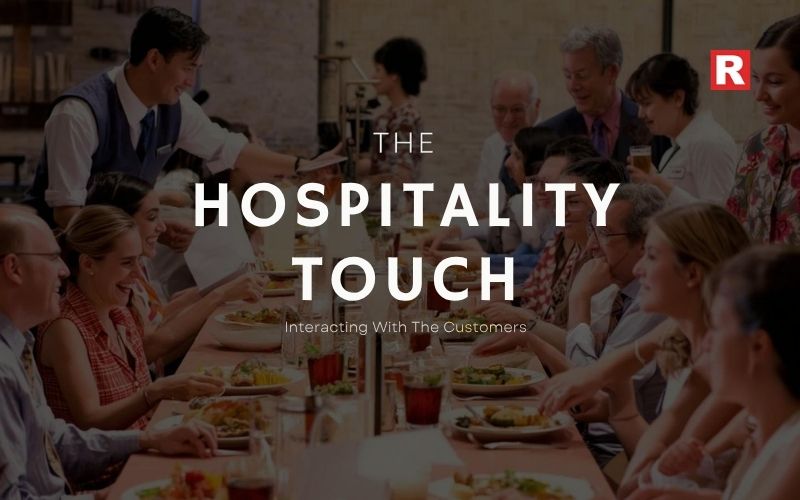
A well-functioning buffet is assisted service rather than self-service. The employees must continue to be present and engaged on the floor, offering a customized experience.
Proactive Table and Floor Management
Tables fill up and clear fast during an Indian dinner. Staff must be efficient and attentive to this.
Training Instructions:
- The 30-Second Clearing Rule: Teach employees that once a guest leaves their seat, a used dish needs to be removed from the table within 30 seconds. The atmosphere is ruined when used dishes are left to stack on service stations or pile up on the table.
- Water & Drink Service: Employees need to watch out for water glasses. They should be taught to never allow a guest's glass to run empty before approaching, and to offer to replenish it when it is half-empty.
- Managing Particular Requests: Employees should be aware of typical dietary requirements:
- Asking: "Is there anything you would like prepared fresh from the kitchen, such as a plain dosa or a roti?"
- Allergen Awareness: Being aware of certain Indian foods, such as dairy or nuts (cashews in gravy), includes common allergies.
The Art of Directed Assistance (The ‘Ask’)
A skilled employee is aware of when they should step in and offer assistance.
Training Instructions:
- Guiding the Unknown: Train staff members to recognize visitors who are confused or having difficulty (such as an elderly person or a visitor who is not familiar with the cuisine). Staff should be trained to say something like, "May I help you with a selection or suggest the popular dishes today?" when they approach.
- Portion Control Etiquette: Managing waste without coming off as impolite is the most challenging part. Employees should be taught to help customers serve in a subtle manner, particularly when it comes to expensive or wasteful foods (such as some desserts). Emphasizing "small, fresh portions" and offering to have a second helping later should be the main goals of training.
- Phraseology Example: Teach the staff to say, "Chef recommends having a small portion of this dish while it's piping hot," rather than, "Don't take so much." Could I give you a little? You can always come back at any time for more.
Check out: Essential Buffet Equipment for a Seamless Service
How to Train Your Staff to Spot Bad Seafood in Five Easy Steps
Module 4: Standard Operating Procedures (SOPs) and Continuous Learning
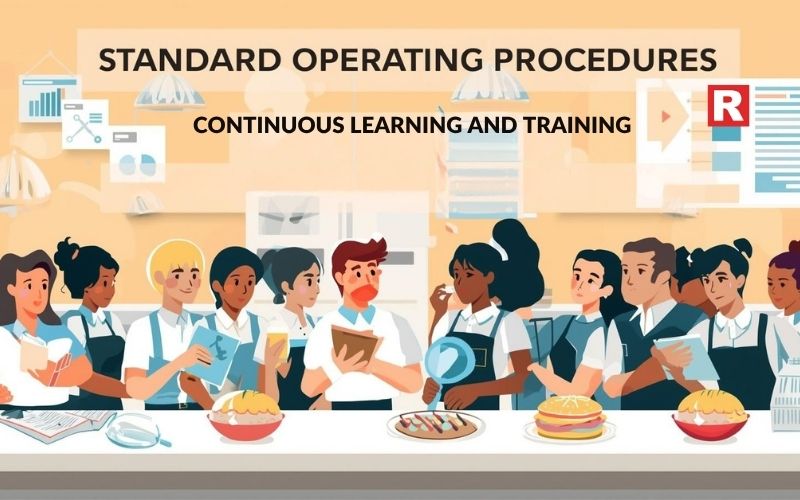
Reliable, consistent processes are the key to excellence. A good Buffet Etiquette Training India curriculum is built on SOPs.
The Buffet Staff Manual
There must be a brief Buffet Service Standards Manual available to all employees, from the F&B Executive to the most recent hire.
Key SOPs to Detail:
- Configuration and Presentation SOP: A checklist for V/NV separation, flow, advertising, and plate placement.
- SOP for Replenishment: The precise process for replacing chafing dishes (using only new containers from the kitchen) and performing the required temperature checks.
- SOP for Breakdown and Waste Management: How to handle and record leftover food securely while making sure all equipment is cleaned right away.
- SOP for Personal Hygiene and Uniforms: Tight guidelines for neat, ironed uniforms, short or tied hair, clean hands and nails, and little or no jewelry. In order to avoid cross-contamination at Indian buffets, this is essential.
Training Methodology
Training needs to be interesting, useful, and continuous.
- Role-Playing Scenarios: Hold mandatory role-playing meetings once a week. The scenarios have to center on difficulties encountered in actual life:
- Situation: A visitor complains that the paneer is too chilly.
- Situation: A visitor is using their used spoon to serve a scoop of rice straight into the main sauce.
- Situation: A queue forms as a huge group of twenty people arrives at once.
- The 15-minute "Daily Huddle": A brief pre-shift meeting to go over a single training topic (for example, "Today's Focus: Immediately clearing all used napkins from the table") and discuss any recent negative feedback or customer comments.
- Cross-training: Educate front-of-house workers on kitchen practices and vice versa. The serving staff must be aware of the food's hygienic and temperature restrictions, and the kitchen staff must understand the buffet's aesthetic standards.
Learn more: 7 Essentials to Keep Staff Trained in Your Restaurant
Elevating the Indian Buffet Experience
In India, teaching your employees buffet etiquette is an essential investment rather than a one-time cost. The Indian customer places a high value on politeness, cleanliness, and cultural sensitivity.
Your restaurant will provide an exceptional and unforgettable dining experience by putting in place a systematic program that emphasizes cultural sensitivity (jootha management, V/NV separation), operational accuracy (temperature control, logical flow), and proactive hospitality (the 30-second clear, directed assistance). This dedication to quality elevates a simple dinner into an elegant display of hospitality, generating favorable internet feedback and solidifying your standing as a pioneer in high-end hospitality staff training in India.
Mahak Sharma
Content Writer
Mahak Sharma is a passionate content writer with 2 years of experience crafting compelling content across various niches, tailoring her writing to suit different audiences and platforms. She is dedicated to producing engaging content for readers so that they can understand and enjoy the articles. Her strengths lie in crafting SEO-friendly, well-structured articles that drive visibility and engagement.



































































