
How to Source Local Ingredients for Your Indian Restaurant Menu
While global cuisines and imported goods have their uses, there is an increasing and selective demand for authenticity, freshness, and sustainability. The farm-to-table movement, which was formerly considered an unusual notion, has now found a place in the Indian restaurant business.

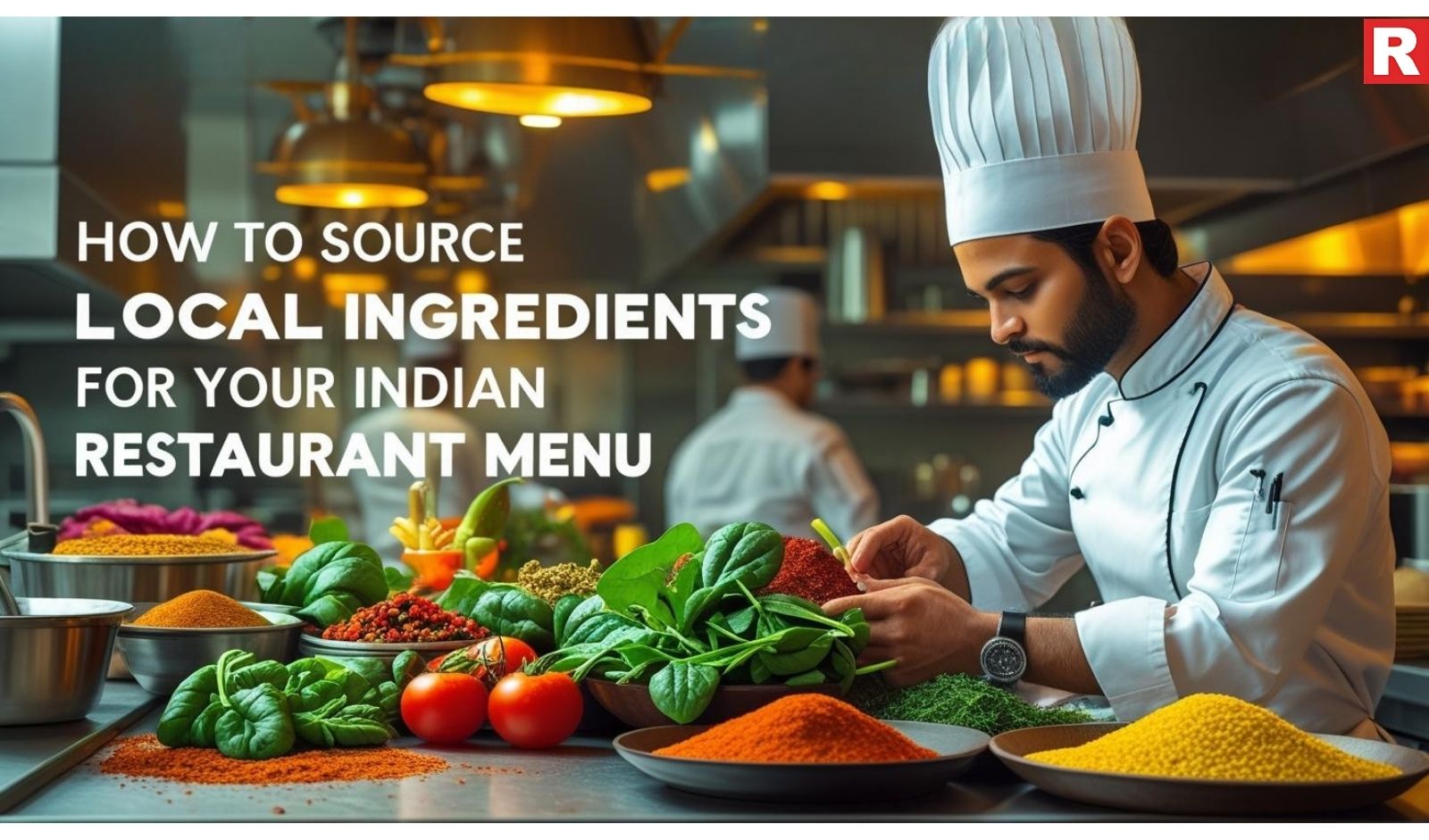
While global cuisines and imported goods have their uses, there is an increasing and selective demand for authenticity, freshness, and sustainability. The farm-to-table movement, which was formerly considered an unusual notion, has now found a place in the Indian restaurant business. Learning how to obtain local ingredients for a restaurant menu is more than simply a trend for an ambitious restaurateur. It's a strategic move that may enhance your cuisine, develop a strong brand, and build a deeper connection with your community.
This detailed article will walk you through the steps of switching to a more localized supply chain. We will discuss the benefits, possibilities, and marketing opportunities of purchasing local products, with a focus on the Indian market's unique challenges and huge possibilities.
Read more: Small Spaces, Big Impact: The Rise of Intimate Dining
Why Should You Switch to Local Sourcing?
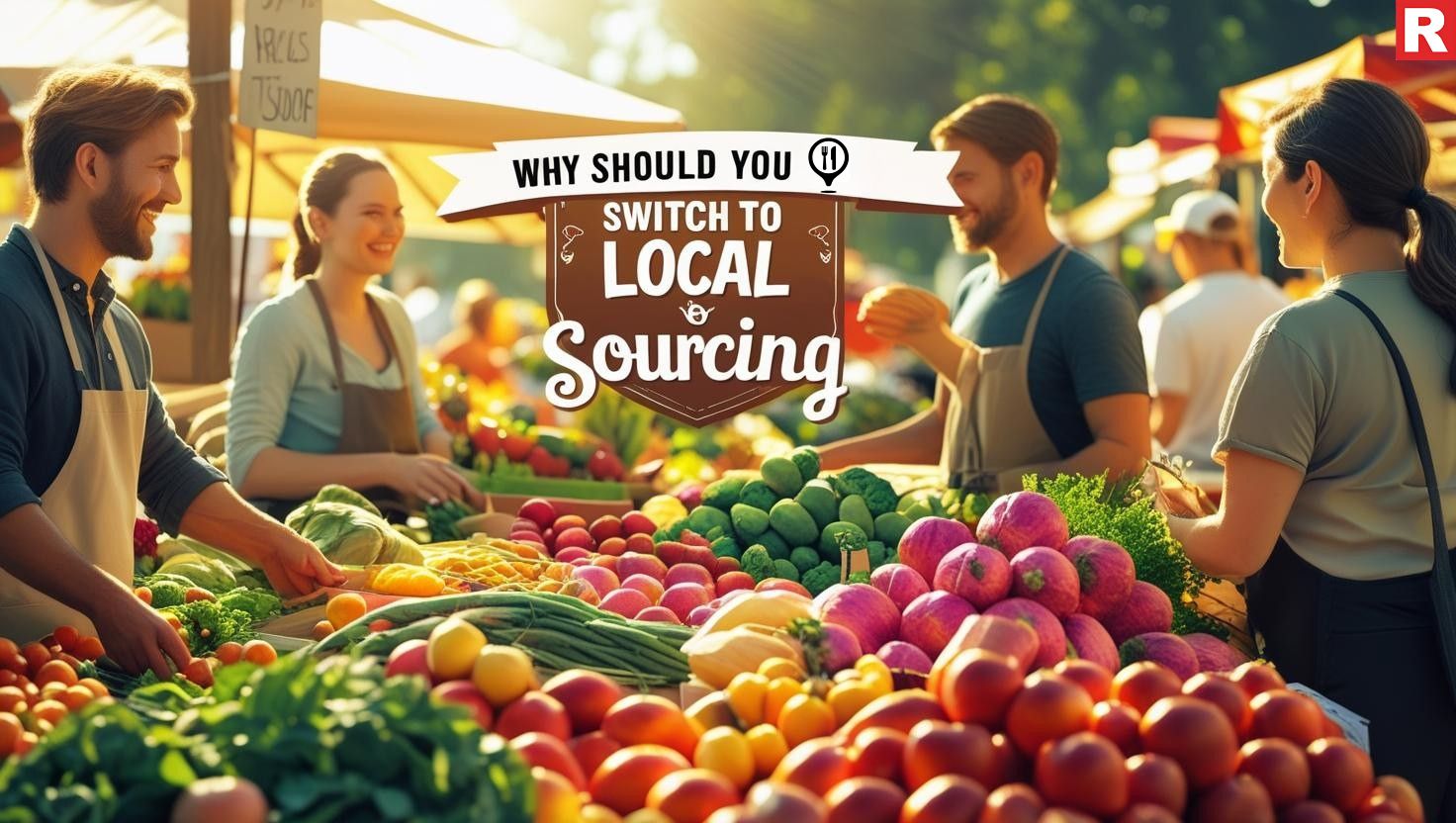
- Food Quality and Freshness: The most convincing factor is improved food quality. Local ingredients travel shorter distances, so they are fresher, more flavorful, and contain more nutrients. This enhances the cuisine and gives a superior product to customers.
- Strategic marketing and brand storytelling: Sourcing locally creates an interesting story about community support and sustainability. This story has the potential to be a key differentiator, attracting a fresh customer category that values authenticity and ethical business methods.
- Sustainability and Ethical Considerations: Using local ingredients decreases a restaurant's carbon footprint, which appeals to environmentally aware customers. This is a strong ethical decision that also functions as an effective marketing tool.
- Supply Chain Resilience and Control: Direct contacts with local farmers provide greater control and flexibility over the supply chain, minimizing exposure to interruptions. It ensures a more consistent supply of fresh, high-quality foods.
- Financial Advantages and Cost Management: By eliminating the middleman, a restaurant can negotiate better costs. A seasonal menu featuring local produce can help reduce food waste as well as enhance inventory management, resulting in higher profit margins.
The Benefits of Sourcing Local
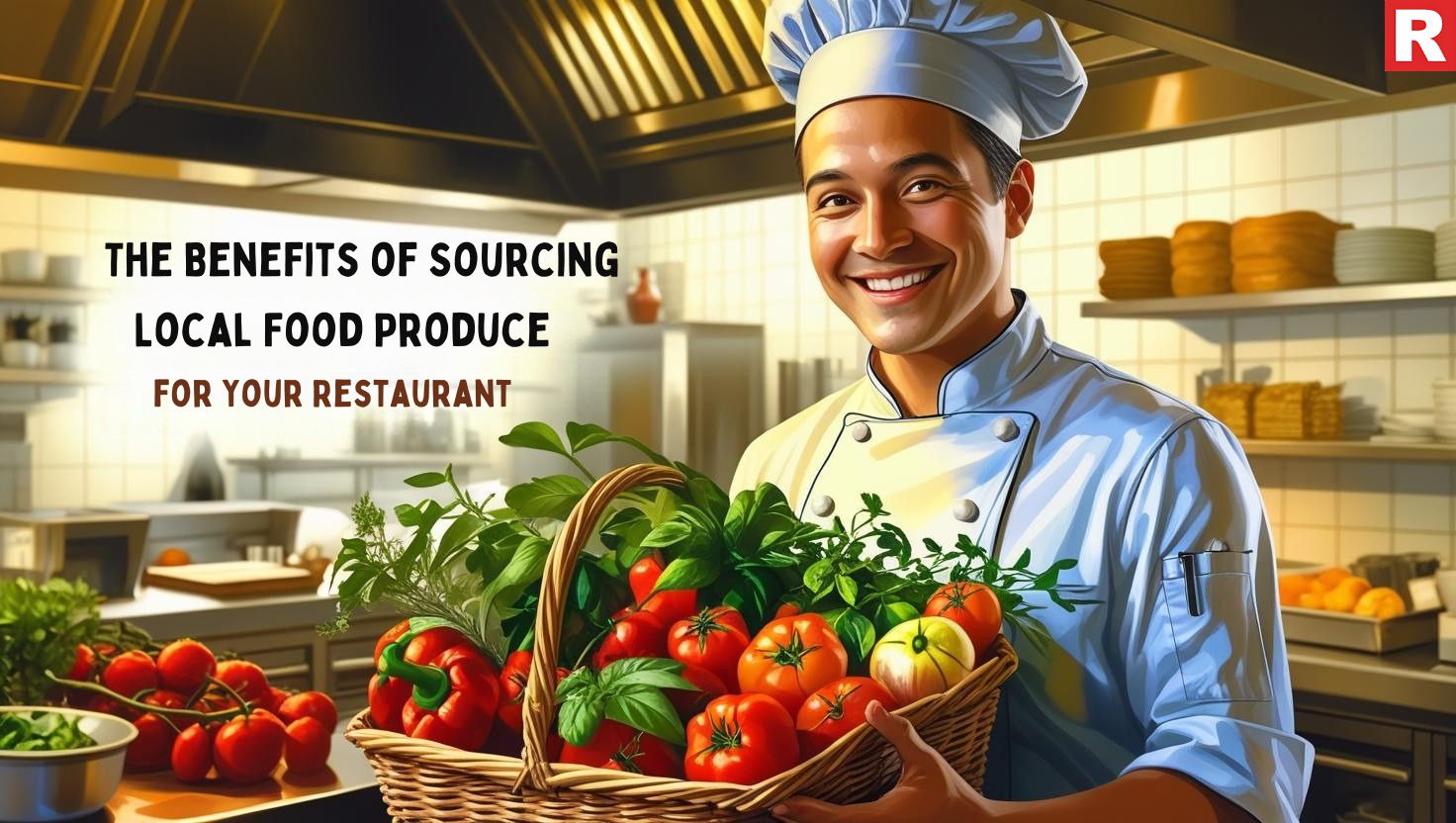
Before you begin the road of local sourcing, it's critical to grasp the numerous advantages that this strategy provides to your table and your business.
Superior freshness and flavor: This is the most immediate and significant advantage. Local ingredients can travel from the field to your kitchen in a matter of hours or days. Because of the short travel time, they are collected at their ideal ripeness, preserving all of their flavor, nutritional content, and rich textures. Your clients will notice the difference between a dish created with freshly selected veggies from a nearby farm and one that has traveled across the country.
Supporting the Local Economy: By collaborating with local farmers, craftspeople, and suppliers, you are investing directly in your neighborhood. This produces a strong and good brand story that connects with customers who are becoming more mindful of what they buy. For example, purchasing dairy from a local dairy farm or veggies from a nearby village directly benefits the local economy and promotes a sense of community pride.
Sustainability and Lower Environmental Impact: Purchasing ingredients locally greatly reduces your carbon impact. Fewer miles for food travel means less fuel needed for transportation, making your restaurant more sustainable and environmentally responsible. This is an ethical decision that also functions as a powerful marketing tool.
Menu Innovation and Authenticity: A localized supply chain requires you to offer a dynamic menu that changes with the seasons. This keeps your menu fresh and appealing to your clients. It also allows you to embrace and enjoy India's rich and different regional flavors, resulting in a unique and authentic eating experience that distinguishes you from the competition.
Know more: 10 Smart & Sustainable Ways for Restaurants to Use Leftover Cooking Oil
Understanding Your Needs and Local Landscape
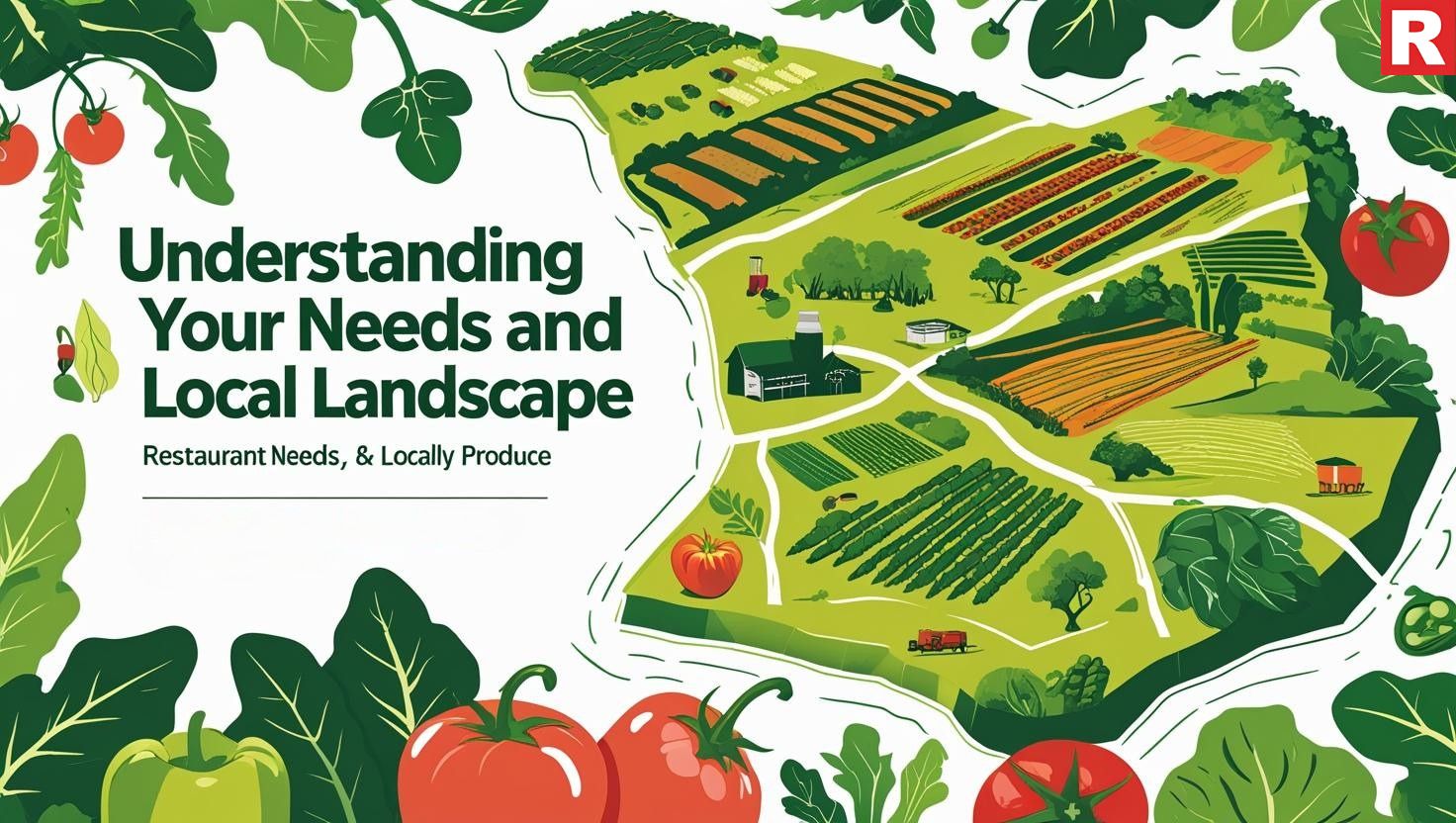
The next stage is to examine your menu and the agricultural landscape in your area to determine where to start your local sourcing adventure.
Analyze Your Menu for Sourcing Potential
Go through your menu and determine which ingredients can be purchased locally. Begin by focusing on a few important goods, such as seasonal vegetables, herbs, dairy products, or spices, and gradually expand your network as you gain confidence.
Embrace Seasonal Awareness
Seasons define the agricultural calendar in India. Your menu should match the natural cycle. For example, in Haryana, you might serve meals with seasonal vegetables such as cauliflower and peas in the winter and fresh gourds and mangoes in the summer. Educate your kitchen staff and customers on the benefits of seasonal menus.
Research Your Local Agricultural Terrain
This is where you will put your feet on the ground. Investigate local farmers' markets (mandis), agricultural organizations, and small-scale farms in and around your city. What are the main crops and goods grown in your region? Are there any local artists producing fresh paneer, ghee, or distinctive pickles?
Define Your Quality Standards
Before approaching a provider, be clear about your quality and consistency expectations. Are you seeking organic, pesticide-free produce? Do you require a particular size or quantity? Communicating your expectations upfront will save you time and help you discover the proper partners.
Check out: 10 Fastest-Growing Alcohol Brands in India’s HoReCa Sector
Finding and Assessing Your Suppliers
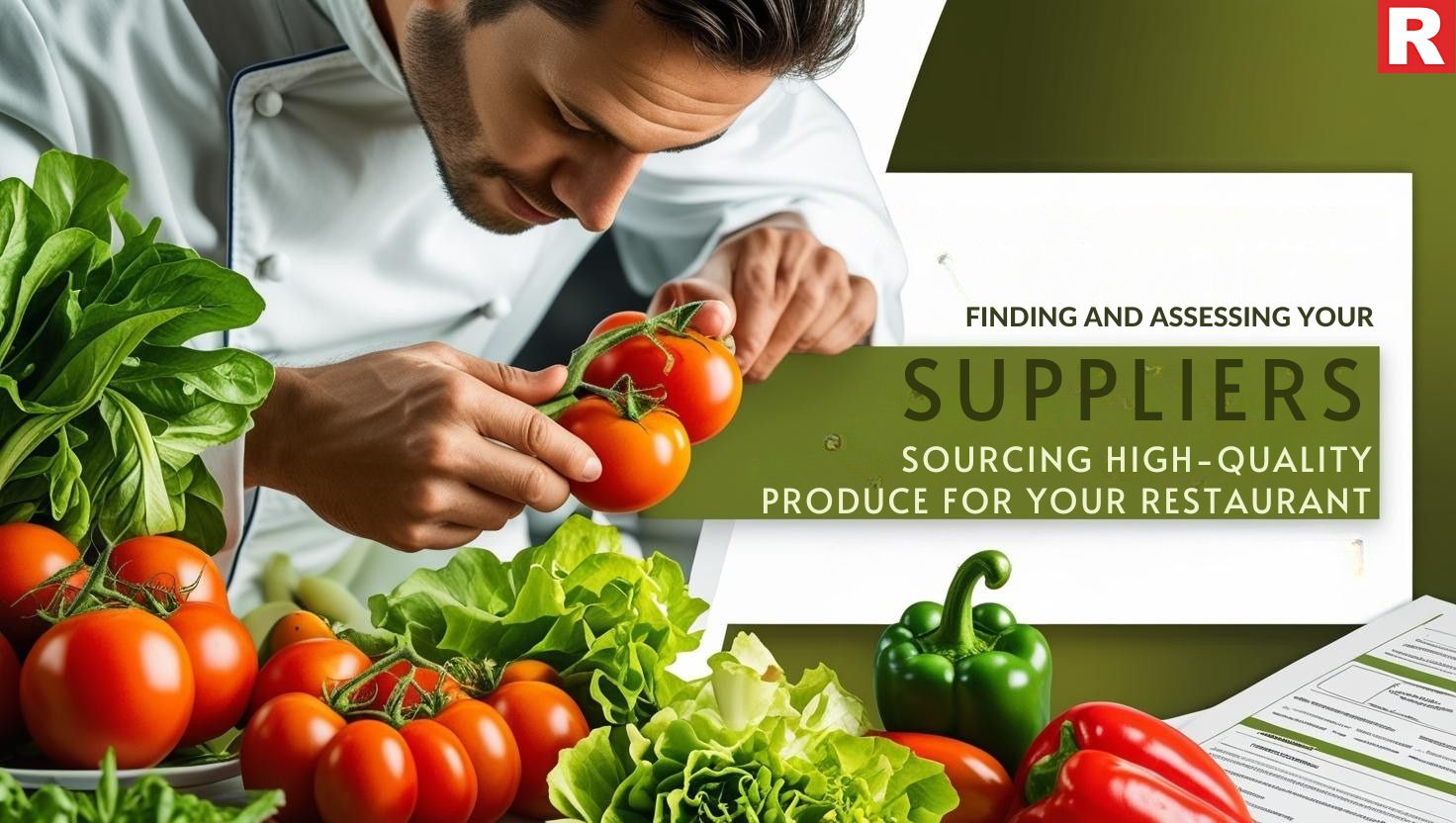
Once you've determined what you need, it's time to identify the right individuals to provide it. A sustainable local sourcing approach relies on strong supplier connections.
Farmers' Markets and Mandis
These are frequently the best places to start. They provide a direct line to small-scale farmers and the opportunity to view and touch fresh produce. This enables direct interaction and building connections. Individual farmers may face challenges in terms of volume and consistency, but they can be a terrific source for unique and high-quality seasonal products.
Direct Relationships with Farmers
The most real farm-to-table strategy requires establishing a direct, long-term relationship with a farmer. You can visit their farm, observe their methods firsthand, and even hire them to grow specific vegetables or herbs for your restaurant. This relationship provides a regular supply of high-quality ingredients while also allowing you to tell your customers an interesting origin story.
Local and Organic Distributors
These are an acceptable choice for restaurants that require higher volumes or a more reliable supply. Find distributors who specialize in local or organic produce. They can frequently connect you to a network of local farms and manage the logistics of sourcing from different areas.
Examining Your Vendors
When you identify potential vendors, ask plenty of questions. Inquire about their farming methods, pesticide use, how they handle large orders, logistics of shipment, and price. Ask if they can give accountability and follow the Food Safety and Standards Authority of India's (FSSAI) rules. This is a legal and safety requirement in India that should not be ignored.
What's new: How to start a restaurant business?
Managing Logistics and the Supply Chain
Sourcing locally requires a different level of logistical preparation than working with a large national distributor.
Building Trust
Communicate freely and frequently with your providers. Discuss your requirements, be adaptable when a crop becomes unavailable due to weather, and be open about your payment plan. A connection built on mutual trust and respect is the most durable model.
Proper Storage and Handling
Fresh, locally grown produce may have a shorter shelf life than traditional ingredients. Make sure your kitchen has the proper storage facilities to keep your food fresh. To reduce waste, train your team on how to handle delicate fruit properly.
The "Ugly" Produce Dilemma
Don't avoid defective vegetables for beauty purposes. "Ugly" produce frequently tastes just as delicious, if not better, and may often be purchased at a lower cost. This is an excellent approach to prevent food waste while saving money.
FSSAI and Traceability
Always guarantee that your suppliers, whether small-scale farmers or large distributors, are able to provide sufficient traceability paperwork. This implies they can confirm the source of their products, which is a mandatory requirement under the FSSAI requirements.
Read this: Small restaurants selling liquor cannot opt for GST
Marketing Your Local Sourcing Story
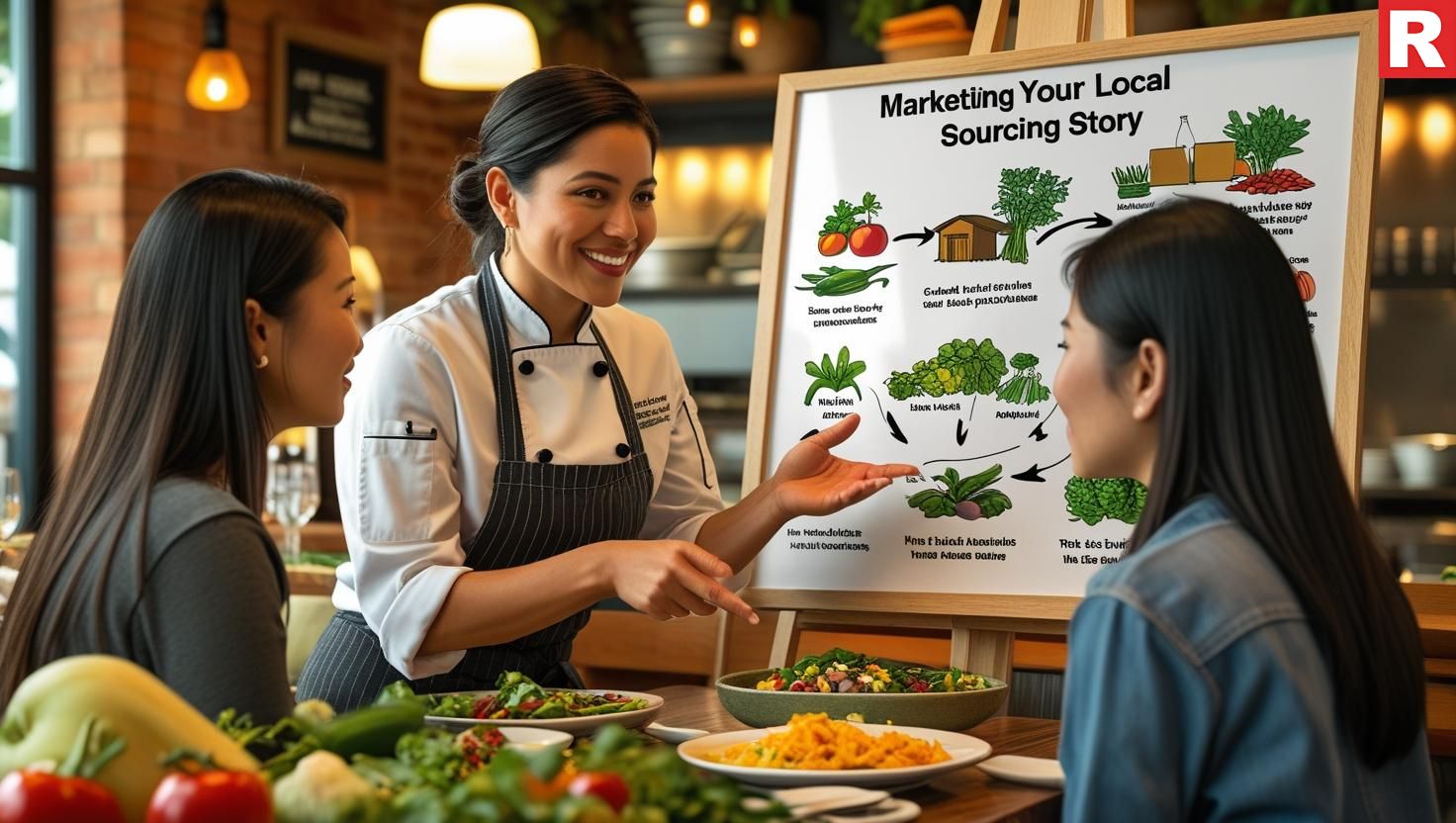
Your devotion to local sourcing is an effective marketing strategy. Do not keep it a secret.
Tell a Compelling Story
Inform your customers about where their food comes from. Include the names of the farms or farmers you collaborate with on your menu. For example, a dish could be labeled "Seasonal Greens from (Farmer's Name) Farm."
Promote Your Sourcing on Social Media
Take your customers on a virtual tour. Post photos and videos of your team visiting a farmers' market, engaging with farmers, and creating food using fresh produce. Visual storytelling is an excellent approach to increase authenticity and brand loyalty.
Staff Training and Engagement
Your employees are the last link in this chain. Ensure they understand your sourcing storytelling and can confidently tell customers where your ingredients come from. This makes the eating experience more personalized and memorable.
Conclusion
Sourcing local foods for your restaurant menu in India provides a unique combination of flavor, ethics, and authenticity. It is a business approach that not only produces outstanding cuisine but also establishes a durable, sustainable, and community-focused brand. You may successfully adopt the farm-to-table mindset by taking a step-by-step approach to research, supplier verification, and supply chain management. This trip, from your kitchen to the farmlands, is a powerful way to differentiate yourself in a competitive market while also providing your consumers with a tasty and deeply meaningful dining experience.
Mahak Sharma
Content Writer
Mahak Sharma is a passionate content writer with 2 years of experience crafting compelling content across various niches, tailoring her writing to suit different audiences and platforms. She is dedicated to producing engaging content for readers so that they can understand and enjoy the articles. Her strengths lie in crafting SEO-friendly, well-structured articles that drive visibility and engagement.



































































