
How to Shield Your Restaurant Business from Failing
No matter how flawless the planning is, there may be some areas where mistakes of any kind can occur. Or there may be some factor you didn’t consider during the planning of the restaurant, and now it is causing a problem. Areas left unattended can also create an issue.


Opening a restaurant and starting your own culinary business is a dream for many. Many restaurateurs could even make this dream of theirs a reality if they had done proper planning and execution. However, the real struggle shows itself after the daily operations of the restaurants start. No matter how flawless the planning is, there may be some areas where mistakes of any kind can occur. Or there may be some factor you didn’t consider during the planning of the restaurant, and now it is causing a problem. Areas left unattended can also create an issue. Many issues can pose a threat to the overall functioning of your business and might even become a factor leading to the failure of your restaurant.
To stop your restaurant from collapsing completely, you have to find the key areas of the problem. In this article, we will be covering the main reasons that can lead to the failure of your restaurant. We would also like to discuss how to shield your restaurant from potential failure and make sure it keeps its place among the customers.
Main Reasons for the Potential Failure of A Restaurant
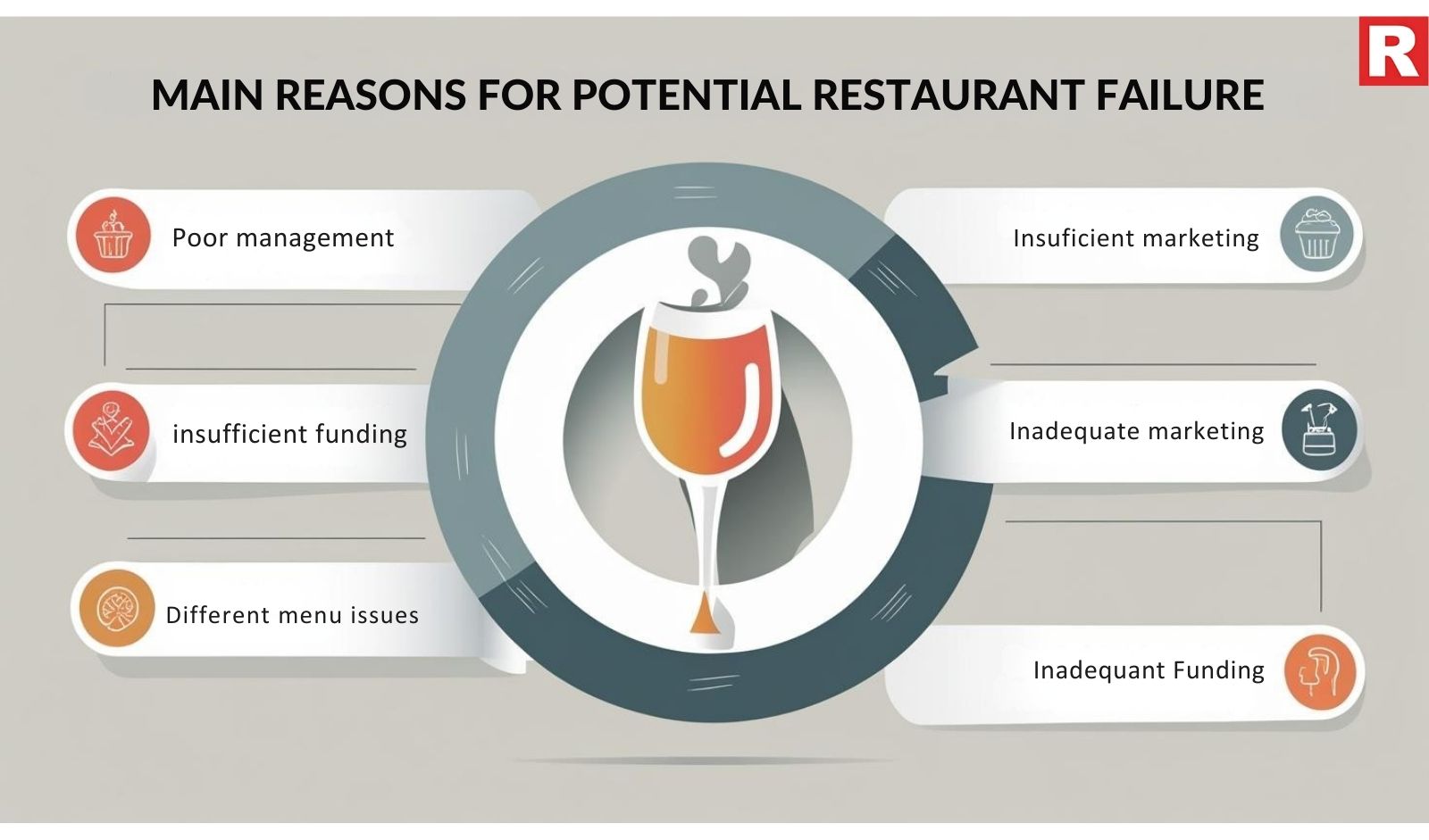
The restaurant industry is highly competitive and, therefore, is also notorious for its high failure rate. While a restaurateur might be focusing on creating superb dishes to cater to the tastes of the customers, the reality is that most mistakes stem from some of the common business mistakes that are avoidable. And in the competitive and dynamic market of the Indian culinary industry, such mistakes can pose an ultimate threat if they occur regularly. Therefore, understanding these problems and actively addressing them is the first and most important step in developing an efficient and successful restaurant business.
- Poor Financial Management: A lack of enough startup capital and an inability to control expenditures are the key causes of failure. Even if a restaurant looks to be profitable, it can fail if its Cost of Goods Sold (COGS) is not clearly understood and cash flow management is ineffective.
- Inefficient Operations: The absence of a well-defined business plan and irregular daily operations creates chaos. This includes inconsistent food and service quality, which damages customer trust, as well as a high staff turnover rate, which raises expenses and lowers efficiency.
- Poor Marketing and Brand Management: In a congested market, a restaurant must have a distinct Unique Selling Proposition (USP) to stand out. Inadequate promotion and disregard for the restaurant's online reputation on sites such as Google and Zomato can prohibit it from gaining and maintaining customers.
- The Human Factor: Choosing the incorrect site, whether it is expensive or has poor visibility, might be disastrous. Ineffective leadership, poor communication, and the inability to adapt to changing trends and technologies are all major causes of failure.
Read more: Rain Meets Refinement: 7 Premium Whisky Cocktails to Sip This Monsoon
Save Your Restaurant Business From Failing
There are many key areas you need to focus on if you want your restaurant to keep working and flourish. From finances to marketing, you need to keep a check on every sector so that any problem that can lead to the failure of your business can be avoided.
1. Master Your Finances: The Foundation of Restaurant Survival
Poor management of finances is a primary cause of restaurant failure. Implementing strong financial processes is critical for survival in a competitive marketplace.
- Detailed Budgeting and Forecasting: Develop an elaborate budget that includes all expected income and expenses. Predict future performance regularly using past data, seasonal trends, and local economic conditions. This enables you to spot any cash problems early on.
- Accurate costing: It includes meticulously tracking the cost of goods sold (COGS), labor costs, rent, utilities, and marketing expenses. Learn the exact cost of each dish on your menu for more successful pricing.
- Inventory Management: Set up a successful system for tracking inventory to reduce food waste, eliminate spoiling, and optimize ordering. Regular stock checks and accurate tracking are essential for controlling COGS.
- Pricing Strategy: Create a strategic pricing plan that balances profitability and customer value. Consider the pricing of your rivals, your target customer's ability to spend, and your unique selling points.
- Cash Flow Management: Make sure you have enough cash on hand to pay your immediate bills. Negotiate appealing payment conditions with suppliers and manage accounts receivable efficiently.
- Regular Financial Analysis: Review your financial accounts (profit and loss, balance sheet, and cash flow statement) regularly to discover patterns, areas of concern, and possibilities for improvement. Consider hiring a financial counselor who is experienced with the restaurant industry in India.
Know more: How to Cook Prawns Like a Pro: Restaurant-Style Curry Recipe
2. Satisfy Your Customers

Word-of-mouth spreads quickly, providing outstanding customer service and a unique dining experience, which is critical for building loyalty and protecting your business from failure.
- Exceptional Customer Service: Teach your employees to be attentive, courteous, and informed about the menu. Train them to deal with consumer complaints efficiently and effectively. Go the extra mile to foster ideal interactions.
- Build Relationships: Encourage employees to recall regular customers' names and preferences. Implement a CRM system to track client data (with consent) and modify the experience.
- Gather and Act on Feedback: Actively seek consumer feedback via comment cards, online surveys, and social media monitoring. Take every input seriously and utilize it to determine areas for development.
- Create a Warm Atmosphere: Make sure your restaurant's ambiance is appealing, clean, and pleasant for your target audience. Pay attention to the decoration, lighting, music, and overall cleanliness.
- Loyalty Programs: Create a well-designed loyalty program to reward and encourage regular customers to return. Provide special discounts, early access to new menu items, or other benefits.
- Manage Your Online Reputation: Actively monitor online reviews on platforms such as Google, Zomato, and TripAdvisor. Respond to all reviews, positive or negative, in a timely and professional manner. Address issues both publicly and privately to demonstrate how much you respect feedback from customers.
3. Optimize Operations: Efficiency is Key to Sustainability
Simple operations can dramatically cut costs, increase efficiency, and improve the entire customer experience, all of which are critical considerations in preventing restaurant failure.
- Efficient Kitchen Management: Optimize the kitchen structure and workflow to reduce blockages and increase efficiency. Invest in dependable equipment and perform regular maintenance.
- Technology Adoption: Use POS systems with incorporated inventory management, online ordering platforms, and kitchen display systems (KDS) to automate activities, eliminate errors, and increase communication.
- Staff Training and Development: Invest in complete training programs for all employees, including food preparation, service standards, hygiene regulations, and safety measures. Well-trained employees are more efficient and deliver superior customer service.
- Menu Optimization: Includes regularly reviewing your menu to find slow-moving or useless items. Simplify your menu to concentrate on popular and profitable dishes. Consider seasonal recipes to maximize local ingredients and cut expenditures.
- Waste Management: Implement tactics to reduce food waste by carefully managing inventories, using proper storage practices, and repurposing materials in creative ways.
- Standard Operating Procedures (SOPs): Develop clear SOPs for all critical jobs and processes to maintain consistency and efficiency throughout the organization.
What's new: How to Grow Your Restaurant Into A Franchise
4. Adapt to the Market
The restaurant industry is always evolving. To prevent failure, restaurants must adapt to changing consumer preferences, market trends, and local economic situations.
- Keep Up with Trends: Stay updated on the newest culinary trends, dietary preferences (e.g., vegan, gluten-free), and dining habits in your area. Be willing to change your menu and offerings to satisfy changing demands.
- Monitor Competitors: Keep a watch on your competitors. Analyze their menus, pricing, marketing methods, and customer feedback to uncover possibilities and risks.
- Embrace Digital Presence: In today's digital age, a strong online presence is essential. Invest in a decent website, actively participate on social media platforms that match your target demographic, and explore online advertising.
- Offer Delivery and Takeaway: Broaden your reach by providing convenient delivery and takeaway services. Partner with local delivery platforms or start your own delivery business.
- Change When Necessary: Be prepared to modify your business model as needed. This could include modifying your menu, service manner, or even looking at additional revenue streams such as catering or meal packages.
- Community Engagement: Take part in local activities and initiatives to raise brand awareness and develop positive relationships with the community.
5. Manage External Factors
While you have control over many areas of your restaurant, external variables such as economic crises, supply chain disruptions, and changes in regulations can present major problems.
- Develop Strong Supplier Relationships: Establish strong relationships with dependable local suppliers to assure a steady supply of high-quality ingredients and possibly negotiate lower prices.
- Stay Up-to-Date on Standards: Keep track of any changes to food safety standards, licensing requirements, and labor laws in India.
- Create Backup Plans: Prepare for possible disruptions like supply shortages, equipment failures, or unanticipated economic downturns. Have backup measures in place to reduce the impact on your business.
- Seek Expert Assistance: Do not be afraid to seek assistance from experienced restaurant consultants, industry groups, or mentors who may offer useful insights and information.
Check out: 121 Coffee Quotes and Captions
How to Find Areas That Can Have Faults
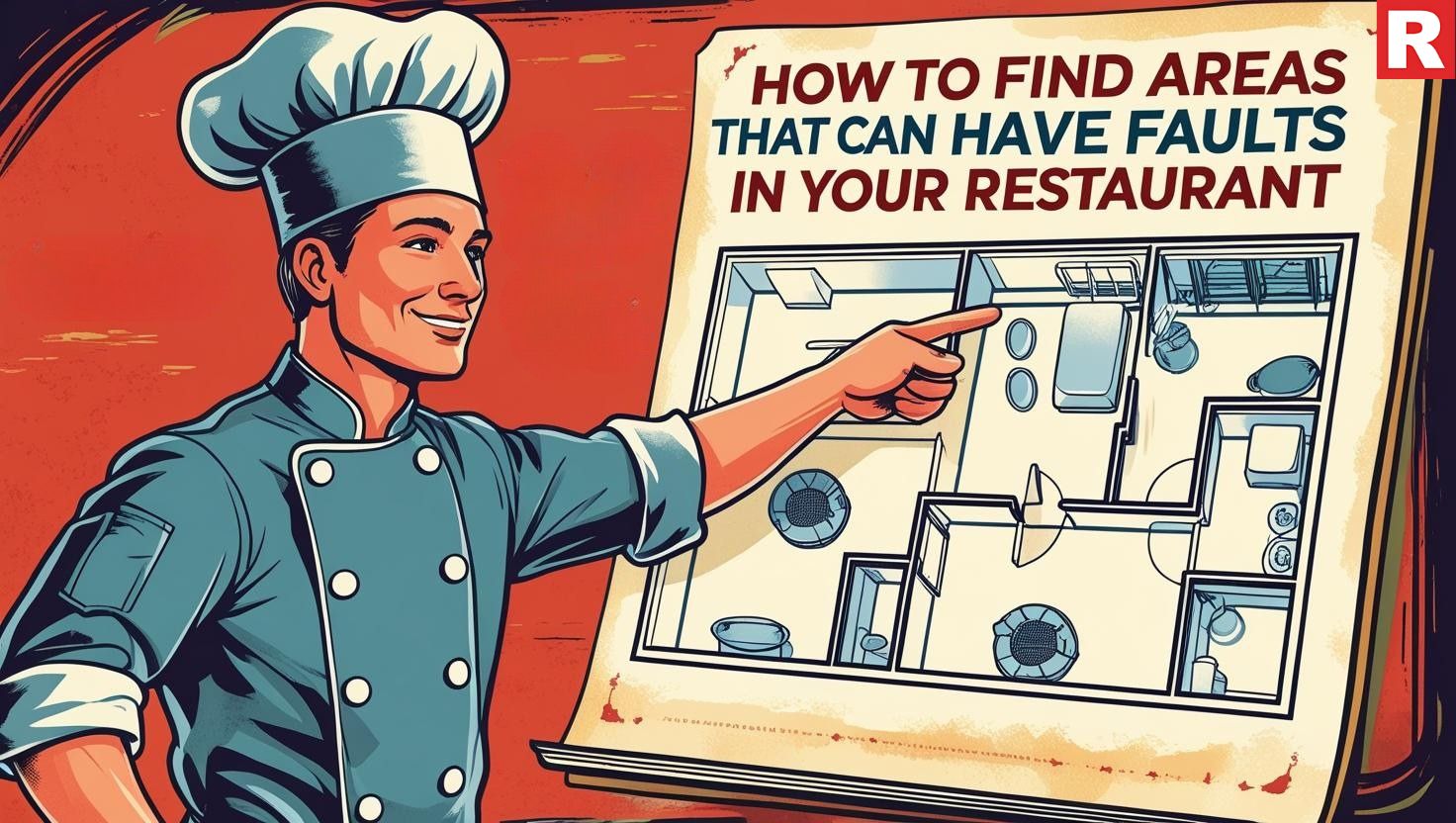
To create a solution to a problem, you first need to know how to find where the problem is. Similarly, finding the key area where the problem lies in a restaurant is necessary. To do this, the restaurateur must look at the overall data of different sectors of restaurant operations.
Financial Health
Budget vs. Reality: An error occurs when your actual income and expenses are not comparable to your budget.
High COGS: A continuously high Cost of Goods Sold (COGS) suggests problems with pricing, inventory management, or waste.
Negative funds Flow: A consistent lack of funds to pay bills, even if you are profitable on paper, indicates a serious fault in financial management.
Customer Feedback
Negative Reviews: A trend of poor internet reviews about service, food quality, or ambiance points to particular areas of failure.
Low Loyalty: If your loyalty program isn't gaining momentum or you have a low proportion of regular consumers, it could indicate a problem with the whole customer experience.
Operational Issues
High Staff Turnover: An ongoing cycle of hiring and training employees indicates issues with management, the environment of work, or training.
Inconsistent Quality: When consumers claim differences in dish quality or service, it shows a problem with your Standard Operating Procedures (SOPs) or staff training.
Low Menu Profitability: A menu that includes many popular but low-profit products suggests a flaw in menu optimization.
Read this: How to open a pet-friendly restaurant in India
Crisis Avoided and Success Ensured
Protecting your restaurant business against failure demands a complete strategy that includes strong financial management, outstanding customer service, improved operations, market adaptability, and strategic management of external influences. By focusing on these important areas and constantly aiming for improvement, you can create a solid and thriving restaurant that not only survives but thrives in the dynamic and competitive culinary environment, assuring long-term success for your business.
Mahak Sharma
Content Writer
Mahak Sharma is a passionate content writer with 2 years of experience crafting compelling content across various niches, tailoring her writing to suit different audiences and platforms. She is dedicated to producing engaging content for readers so that they can understand and enjoy the articles. Her strengths lie in crafting SEO-friendly, well-structured articles that drive visibility and engagement.



































































