
How to Run a Successful Hotel Restaurant in India: Strategies, Challenges & Growth Tips
Running a successful hotel restaurant requires negotiating unique obstacles, including various visitor expectations, complicated operational dynamics, and serious competition. However, with the appropriate strategy, a hotel restaurant may move beyond its traditional position, becoming a separate profit center as well as a key selling point for the hotel.

In India's ever-growing hospitality sector, where magnificent hotels frequently serve as symbols of comfort and elegance, in-house restaurants face a particular challenge. They are frequently viewed as mere conveniences for hotel guests, who are there for lodging as travelers and visitors. So they struggle to establish a unique identity and compete with the dynamic, stand-alone food scene beyond their doors. Running a successful hotel restaurant requires negotiating unique obstacles, including various visitor expectations, complicated operational dynamics, and serious competition.
However, with the appropriate strategy, a hotel restaurant may move beyond its traditional position, becoming a separate profit center as well as a key selling point for the hotel. This article will look at the key tactics for mastering the art of hotel restaurant management, with a focus on the diverse and dynamic Indian market.
Read more: How to Leverage Self-Service Kiosks to Drive Restaurant Revenue Growth
Defining Your Identity & Concept
The first step towards making the hotel restaurant successful is to shed the "hotel restaurant" stereotype and create a different identity that is not fully associated with the hotel itself.
More Than Just a Hotel Service
To flourish, a hotel restaurant must function as a standalone, appealing food and beverage (F&B) establishment. It should not be a last-minute addition but rather a thoughtfully planned gourmet business that attracts both hotel visitors and locals. The idea is to create an experience that is worth visiting on its own terms, rather than just being a handy alternative for exhausted tourists.
Concept & Brand Identity
Creating a clear, interactive concept is essential. What type of cuisine will you serve? What ambiance will you create? Who is your main target audience? The concept should ideally fit the hotel's overall brand while yet being distinct enough to stand on its own.
- Indian Context: India's culinary environment is highly diversified. Consider concepts that are deeply rooted in local tastes and regional specialties, such as an authentic regional Indian restaurant (e.g., specializing in South Indian, Rajasthani, or Bengali cuisine), a contemporary Indian fusion bistro, a specialized vegetarian or vegan restaurant catering to the large vegetarian population, or a global cuisine offering tailored to diverse international and domestic travelers. Using local ingredients and traditional Indian cooking techniques to create a unique selling point is critical.
- Differentiation: How will your hotel restaurant differ from other hotel dining facilities and independent restaurants? This could be accomplished through a one-of-a-kind themed dining experience, a signature dish that becomes a local favorite, a famous chef in charge, live entertainment that represents local culture, or a distinct environment that provides a genuinely unforgettable vacation.
Target Audience
A really successful hotel restaurant skillfully combines the demands of two separate groups: temporary hotel guests (business travelers, leisure tourists, and delegates) and local walk-in customers. While hotel guests want convenience and consistent quality, locals want a one-of-a-kind dining experience, good value, and a compelling reason to choose your restaurant over the city's numerous other options. Your concept and marketing efforts should appeal to both.
Know more: 5 reasons to use a single equipment supplier for new restaurant openings
Operational Excellence Which Leads to Success
Behind every memorable dining experience is a perfectly run business. This section discusses the fundamentals of effective hotel F&B management.
Kitchen Efficiency & Menu Engineering
The kitchen is the heart of your restaurant. Optimizing its layout, ensuring high-quality, well-maintained equipment, and building smooth procedures are all crucial for maintaining constant food quality and service speed.
- Menu Strategy: Your menu should be properly designed to provide variety, appeal to those who are your target audience, and be profitable. This includes exact recipe costing, reducing food waste, and strategically pricing dishes to maximize business margins. Regularly evaluate sales data to find popular and profitable items, then alter the menu accordingly.
- Indian Context: Managing a diversified menu that frequently includes Indian regional cuisines and European and Asian products needs great organizational skills. Sourcing fresh, local products from Indian markets, adapting to seasonal availability, and efficiently handling the high volumes commonly involved with hotel breakfast buffets and banquet operations are all difficult but necessary for success.
Service Standards & Training
In the hospitality industry, providing excellent service is not optional. Create clear Standard Operating Procedures (SOPs) for all aspects of service, from a friendly greeting at the door to efficient order taking, timely delivery, and smooth billing. Consistent training is critical.
Indian Context: The emphasis must be on professional, attentive, and anticipatory service. Training staff to understand complex guest preferences (e.g., precise spice levels, dietary restrictions such as Jain, vegan, or gluten-free, or specific component allergies), handle unusual requests gracefully, and navigate cultural differences in visitor interactions is critical. Cross-training employees for different roles improves flexibility and service flow, especially during peak hours or for multi-cuisine offerings.
Inventory & Cost Control
Food and beverage expenses are crucial variables that can have a considerable impact on profits. Implementing strong inventory management solutions (preferably coupled with your POS) is critical. Negotiate favorable contracts with trusted suppliers and implement strict portion control throughout the kitchen and bar.
Indian Context: Managing the sometimes unpredictable costs of fresh produce and commodities, particularly in local markets, requires constant awareness and adaptable purchasing methods. Minimizing spoilage and waste, especially in India's diverse climatic conditions, and precisely tracking consumption for high-volume items are continuing problems that have a direct impact on the restaurant's profitability.
Hygiene & Safety
The strictest cleanliness and food safety standards must be followed at all times. This includes strictly adhering to FSSAI (Food Safety and Standards Authority of India) rules and, preferably, international food safety standards such as HACCP. Regular internal and external audits are required to maintain continuous obedience and increase visitor trust.
Indian Context: To prevent foodborne illnesses and preserve an outstanding reputation, large-scale hotel restaurant operations must implement strict water quality standards, proper food handling and storage in potentially high temperatures, and effective pest control.
Check out: 5 Ways to Optimize Digital Menus for Enhanced Profitability
Marketing & Brand Building
A hotel restaurant cannot rely exclusively on in-house visitors; therefore, active marketing to the local population and relevant corporate sectors is critical to long-term profitability.
Beyond Hotel Guests
The most successful hotel restaurants purposefully promote themselves as independent restaurants to locals, business customers, and event organizers. This expands their attractiveness and revenue base beyond temporary hotel guests.
- Strong Online Presence: Create a high-quality, visually appealing website for the restaurant that is separate from the hotel's main site if the concept is good enough. Maintain active and engaging profiles on key social media platforms (Instagram, Facebook, and Twitter) that feature attractive food photos, interesting videos, and consistent branding. Optimize your visibility on local discovery sites such as Zomato, Swiggy (for delivery), Google My Business, and TripAdvisor by providing up-to-date information, appealing images, and timely responses to reviews.
- Local SEO: To attract organic traffic from residents, optimize your digital content for relevant local search terms like "best restaurants near me," "fine dining hotels," or "family restaurants in [your city]."
- Strategic Partnerships: Work with local businesses, corporate offices, event planners, and tourism boards to provide customized dining packages, corporate tie-ins, and themed event meals.
- Promotions & Events: To generate buzz and attract local crowds, host engaging promotions such as themed food festivals, special discounts during off-peak hours, happy hours, or regular live music and entertainment evenings.
- Food Bloggers and Influencers: Invite influential food bloggers, vloggers, and social media personalities from the city and surrounding areas for exclusive tastings and reviews. Their testimonials can greatly increase your reach and credibility.
Internal Marketing
Don't miss opportunities for efficient marketing within the hotel. Promote your restaurant's offerings publicly in guest rooms (via menus and digital displays), the lobby, the registration desk, and all other guest communication channels before and throughout their stay. Highlight significant occasions or signature cuisine.
Read this: 10 Actionable Interior Design ideas for Restaurants
The Restaurant's Toolkit: Essential Apps, Resources, and Strategies to Organize Your Business
Utilizing Hotel Brand
The restaurant should capitalize on the hotel's reputation for excellence, luxury, or business facilities, in addition to creating its own brand. This dual marketing can provide a substantial benefit in terms of trust and early visibility when compared to wholly new standalone businesses.
Guest Experience & Loyalty
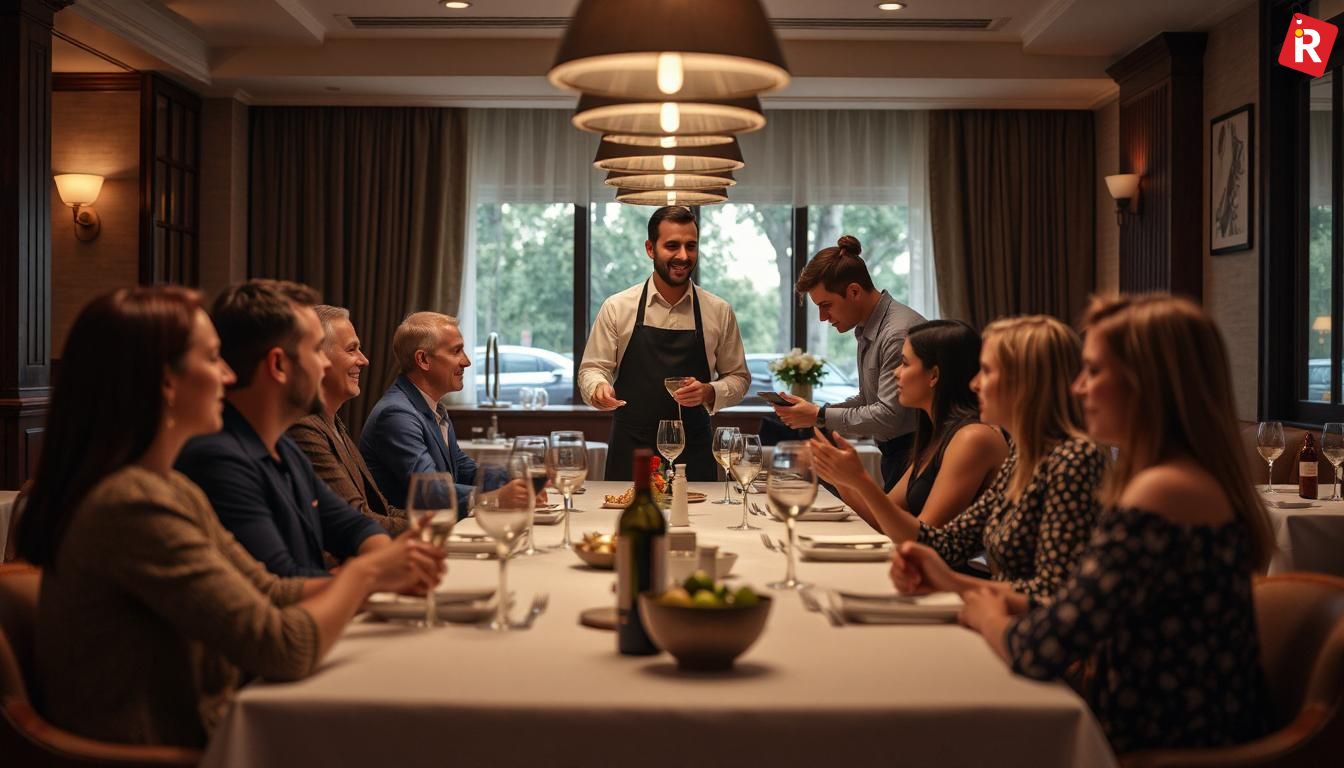
A great guest experience converts first-time diners into repeat customers and promotes favorable word-of-mouth. Focusing on these important areas will dramatically increase your restaurant's turnover rate.
- Personalized Service: Empower employees to anticipate and remember visitor preferences, such as tables and drinks. In India, acknowledging repeat guests by name, catering to dietary needs (Jain, allergies), and celebrating significant occasions builds strong loyalty.
- Ambiance & Design: Create an inviting atmosphere that complements your concept, focusing on lighting, music, and comfortable seating. In India, combining traditional aesthetics with modern design and providing private dining rooms for families or groups is highly prized.
- Feedback Mechanisms: Actively seek guest input through internet questionnaires, comment cards, or direct discussions. Importantly, respond to this input quickly and transparently to demonstrate concern, inspire continuous improvement, and develop trust.
- Loyalty Programs: Create hotel-wide or restaurant-specific loyalty programs to reward repeat customers with points, discounts, or special access. These programs stimulate repeat visitors and provide useful information for targeted marketing.
What's new: Indian Spice Blends from Restaurant Chefs: Recipes, Techniques & Regional Masalas
Financial Management & Profitability
Finally, a successful hotel restaurant must be financially sustainable and contribute significantly to the hotel's overall revenue.
- Cost-Benefit Analysis: Evaluate menu items, staffing decisions, and marketing efforts for their financial impact. Understand your operational costs down to the last rupee, including ingredients, labor, and utilities.
- Revenue Streams: Diversify your revenue streams beyond traditional à la carte eating. Explore chances in large-scale hotel banquet operations, event catering, efficient and appealing room service, one-of-a-kind pop-up dining experiences, themed culinary events, and even cooking classes for guests or local food enthusiasts.
- Pricing Strategy: Create a competitive and successful pricing plan. Examine market rates for comparable dining experiences in your area to ensure that your pricing represents the perceived value of your cuisine, service, and ambiance. Avoid underpricing, which can devalue your offering, and overpricing, which can turn off local customers.
- Pricing Strategy: Conduct regular, thorough financial audits. This includes a thorough review of food costs, diligent labor cost management, and regular audits of inventory and sales figures. This data-driven strategy aids in the identification of improvement opportunities, the reduction of inefficiencies, and the ongoing optimization of profitability.
Conclusion
Running a successful hotel restaurant in India is a complex but extremely rewarding endeavor. It's more than just serving meals; it's about developing an individual culinary identity, maintaining operational discipline, implementing effective marketing initiatives, and relentlessly focusing on providing an excellent guest experience. A hotel restaurant can be transformed from a mere facility to a beloved dining destination by operating as a distinct brand while wisely utilizing the parent property's robust infrastructure and reputation. The actual measure of success is not merely filling tables but also producing lasting memories that boost the hotel's prestige and add significantly to its overall financial prosperity, establishing it as a true landmark in India's rich culinary scene.
Mahak Sharma
Content Writer
Mahak Sharma is a passionate content writer with 2 years of experience crafting compelling content across various niches, tailoring her writing to suit different audiences and platforms. She is dedicated to producing engaging content for readers so that they can understand and enjoy the articles. Her strengths lie in crafting SEO-friendly, well-structured articles that drive visibility and engagement.



































































