How to Reduce Food Wastage in Your Restaurant
Food wastage is a problem that is faced by every establishment, from small food trucks to big restaurants or hotels. It is a problem that can affect every aspect of restaurant operations and even impact the profit margins or brand reputation.


In the big food sector of the country, success is not only measured by delicious food and packed dining rooms. Rather, one also needs to consider the cons that are affecting the profitability and success of the business directly or indirectly. And food wastage is such a silent, yet significant issue. Food wastage is a problem that is faced by every establishment, from small food trucks to big restaurants or hotels. It is a problem that can affect every aspect of restaurant operations and even impact the profit margins or brand reputation.
Not only is cutting down on food waste a morally right thing to do, but it's also a wise financial move. Reducing waste can directly result in more revenues, cheaper operating expenses, and a more sustainable business model that appeals to today's eco-aware consumer in a world where every rupee matters.
This article will provide you with a detailed plan on how to cut down on food waste in your restaurant. In order to turn what was before a liability into a crucial component of your restaurant's success, we will look into achievable techniques for the kitchen, the dining room, and the business overall.
Read more: Nothing Before Coffee Hits Century, Opens 100th Outlet in Vadodara
1. The Financial and Ethical Case for Waste Reduction
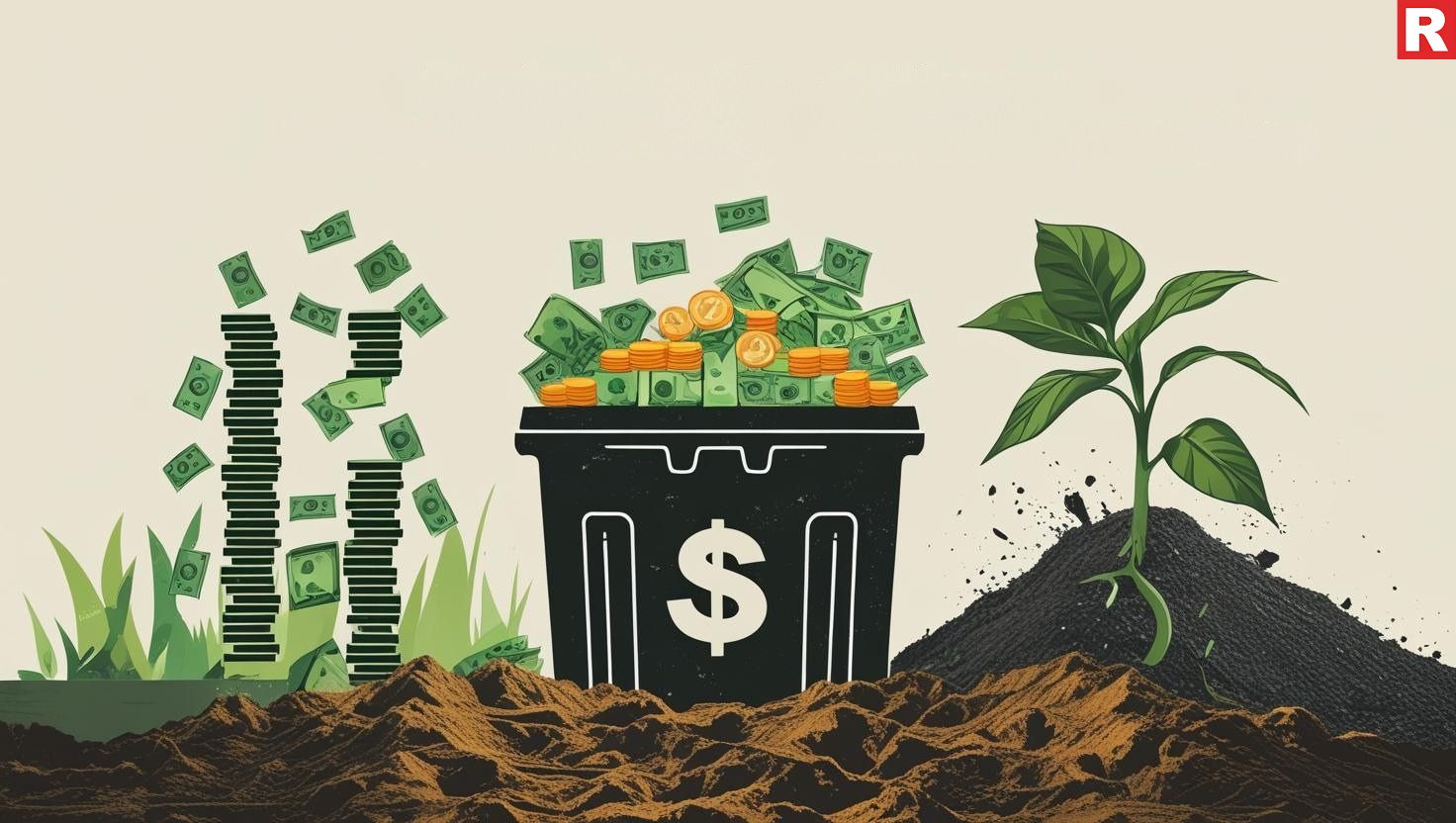
Food waste's financial impact is frequently underestimated. The money invested in labor, preparation, and sourcing is directly lost for each kilogram of food that is thrown away. According to one estimate, food waste can cost an ordinary restaurant up to 10% of its revenue. That might amount to hundreds of thousands of rupees annually or thousands of rupees per month for a small restaurant.
There are ethical and environmental responsibilities in addition to financial ones. In addition to wasting important resources like water, energy, and human labor used in food production, food waste also contributes to climate change through methane emissions in landfills. Your brand's reputation can be improved by taking an up-front approach to trash reduction, positioning you as a leader in environmentally friendly procedures and drawing in a new generation of environmentally concerned consumers.
2. The First Line of Defense in the Kitchen
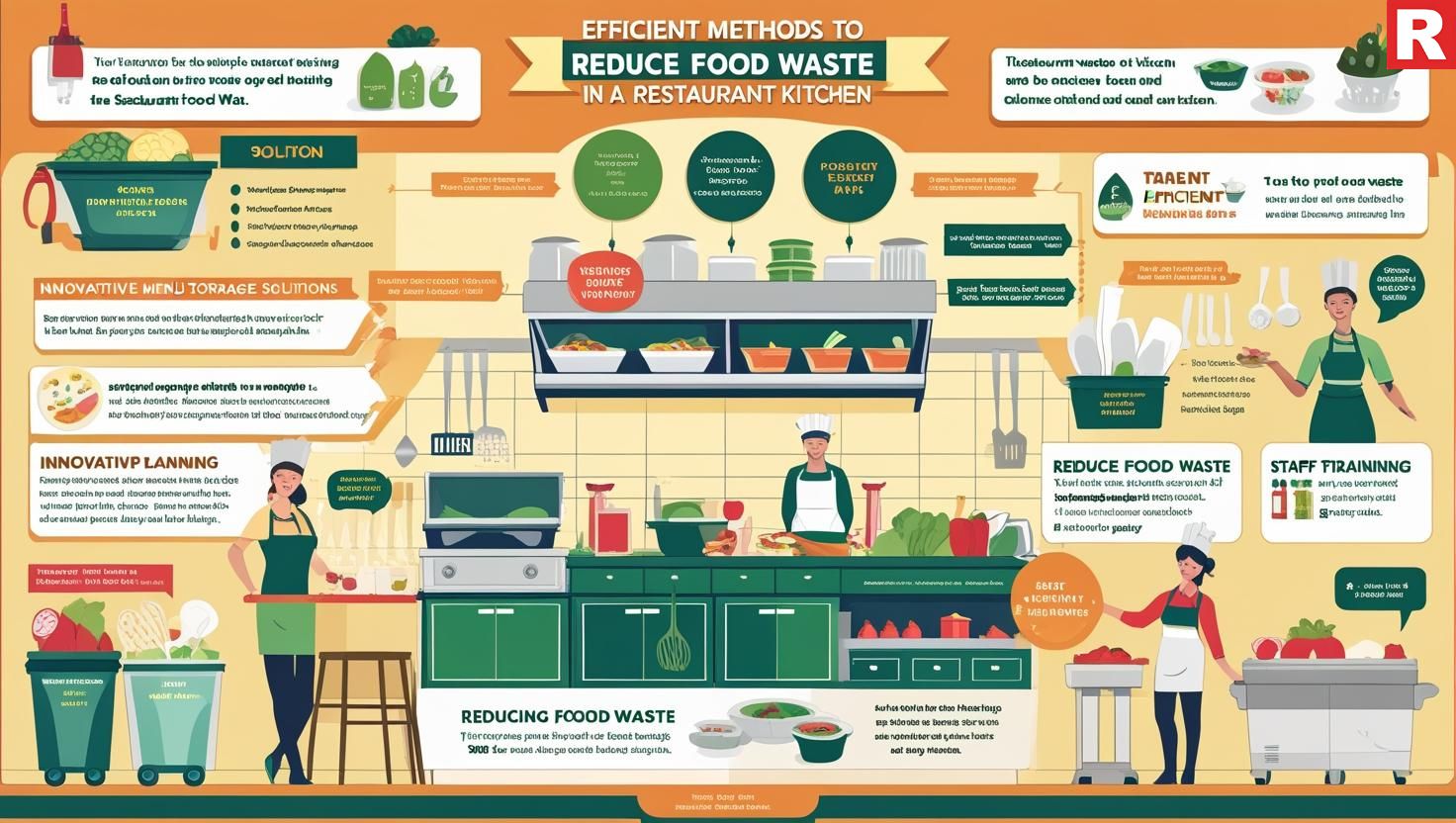
The majority of your food waste comes from the kitchen, but it's also where you can make the biggest changes. Here, implementing a clever and methodical strategy in practice is essential for long-term success.
Know more: GST Registration for A Restaurant Business: How It Works
a. Master Your Inventory: The "First In, First Out" (FIFO) Rule
The key component of waste reduction is a well-managed and ordered inventory.
- Implement a FIFO system: Use ingredients that have been purchased before using more recent supplies by putting in place a FIFO system. To make this simple, mark the delivery date on all containers.
- Perform Frequent Audits: Assign a team member to inspect your inventory once a week or even every day. This enables you to create specials or daily menus to utilize up products that are getting close to expiration.
- Track Everything: Keep an accurate log of every inventory coming in and going out. Understanding your usage habits and avoiding overordering are made possible by this data.
b. Smart Menu Planning
Your menu serves as a practical instrument for waste management and is more than just a list of meals.
- Cross-utilize Ingredients: Create a menu that allows you to utilize one item in several different dishes. For instance, one chicken breast can be used to make spaghetti, biryani, and grilled chicken salad. This reduces the possibility that leftover ingredients will deteriorate.
- Provide Seasonal Specials: Arrange your menu to highlight fresh, locally sourced, and less likely to spoil seasonal items. Additionally, this lowers your food expenses and helps out local farmers in the area.
- Review Your Best and Worst Sellers: Examine your sales data regularly. Think about redesigning or eliminating a dish from the menu if it often has a high food waste rate or isn't selling well.
c. Proper Food Storage
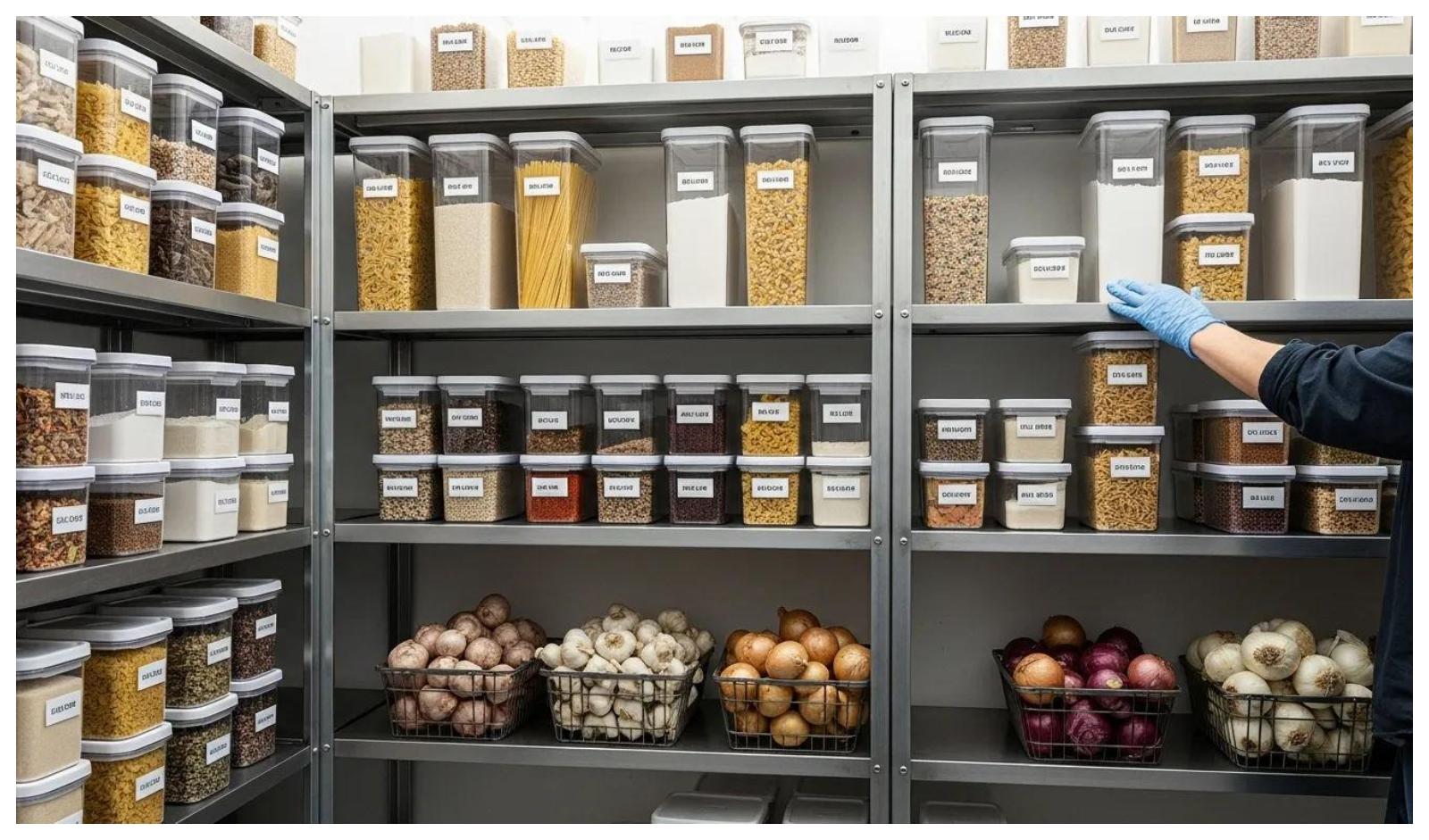
One of the main reasons for early spoiling is improper storage.
- Air-Tight Containers: To preserve freshness and shield ingredients from moisture and impurities, store them all in airtight, sealed containers.
- Proper Refrigeration: Verify that the temperature in your freezers and refrigerators is appropriate. Consistency can be maintained with the aid of a temperature log. To avoid cross-contamination, keep various kinds of food in separate locations.
- Use Freezing: To increase the shelf life of items that won't be used right away, like stocks, purees, or additional slices of meat, freeze them.
What's new: How to Find Good Staff for Your Restaurant
d. From Scraps to Specialties
Utilizing items that would otherwise be thrown away is one of the most creative approaches to waste reduction.
- Vegetable Scraps: To create savory stocks and broths, use vegetable trimmings, stems, and peelings.
- Stale Bread: Use stale bread as a base for a bread pudding, as breadcrumbs for cutlets, or as croutons for salads.
- Leftover Rice: Make tasty crispy rice fritters or fried rice with leftover rice.
e. Accurate Portion Control
Food waste frequently occurs after the dish is served.
- Standardized Portions: To guarantee that each piece is the same, use standard measurement equipment such as scoops or digital scales. This helps you keep food expenses under control while also decreasing waste.
- Educate Your Workers: Teach your kitchen workers the value of portion control and the consequences of serving too much food for waste.
3. Front of House: Engaging Customers in Waste Reduction
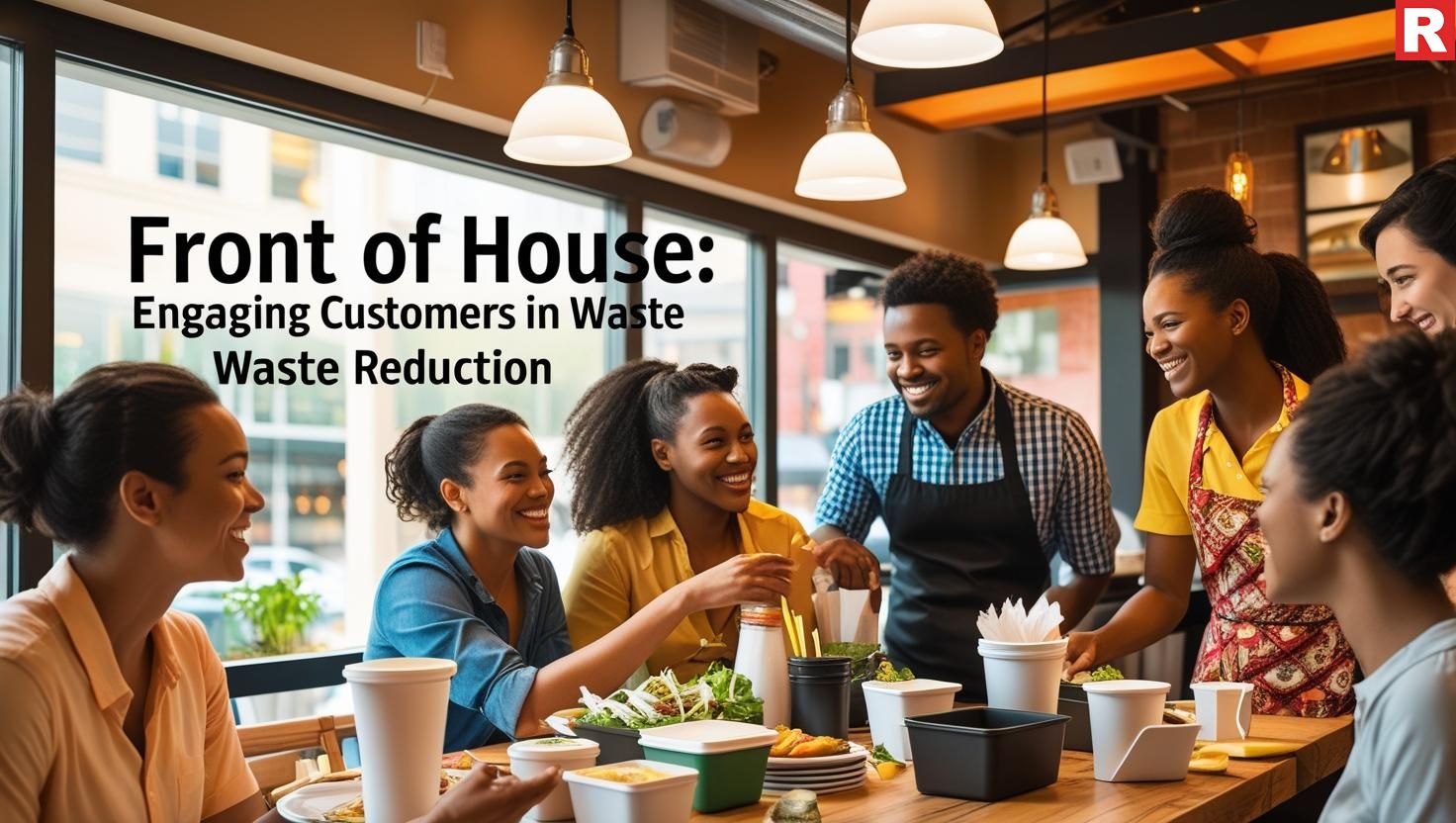
A partnership exists between you and your customer during the eating experience. Involving them can help you cut down on plate waste.
- Flexible Menu Options: To accommodate a range of appetites, provide alternative serving sizes, such as a full and a half plate. Provide a "create your own" option with a smaller serving size for dishes that are usually enormous, like platters or thalis.
- The Takeaway Box's Power: Motivate patrons to take their leftovers home. To actively inquire if they would like to box their leftover food, staff members should receive training. To complement the sustainable message of your company, make sure your take-out containers are environmentally friendly.
- Staff Training: Teach your servers to be waste-conscious. They can gently advise a child to have a smaller portion or inform a customer that a dish is considerably large before they place their order.
Check out: How to Create a Restaurant Business Card
Capturing the Craze: How Celebrity Restaurants are Winning the Game
4. Technology in Waste Management
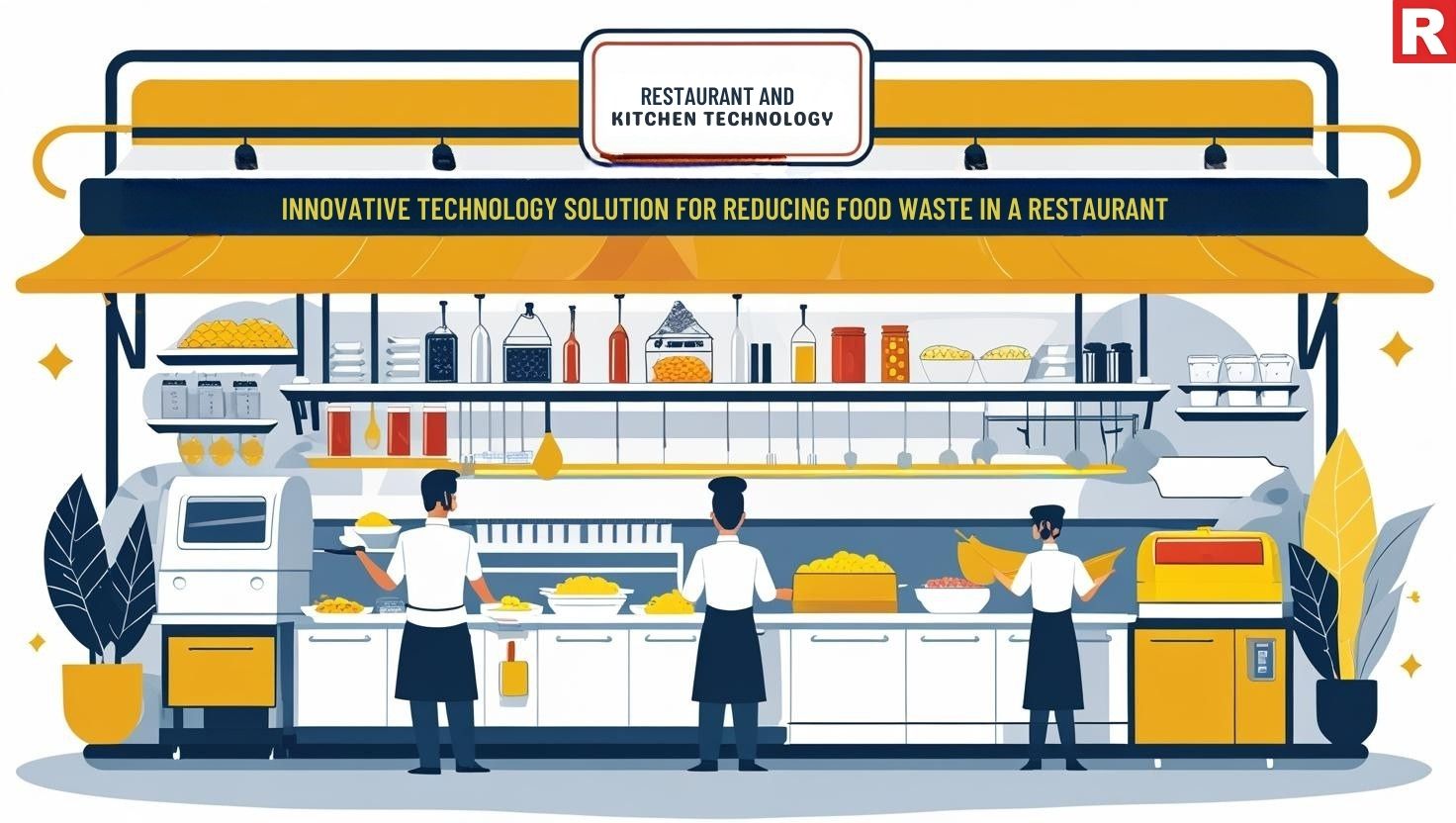
In the current digital era, technology provides an effective means of preventing food waste.
Smart Inventory and POS Systems: Use an integrated point of sale (POS) and inventory management system for smart inventory and POS systems. This software tracks what you sell and what you waste, giving you useful information about how well your menu is performing and assisting you in spotting waste issues.
Waste Management Applications: You can now track, measure, and analyze your food waste in real time with the use of specialist applications. You can use this information to set clear waste reduction objectives and monitor your success over time.
5. Community and Sustainability

By reducing food waste, your restaurant can improve its reputation and benefit the community at large in addition to its own operations.
- Food Donation Programs: Donate extra edible food by collaborating with neighborhood food banks, NGOs, or community kitchens. This enables your business to be a force for good in the community in addition to helping individuals in need.
- Composting and Recycling: Put in place a strong composting and recycling program for inevitable food leftovers and non-edible trash. Keep organic garbage apart from other types of waste. This lessens your environmental impact and keeps rubbish out of landfills.
- Communicate Your Efforts: Use your website and social media to highlight your dedication to sustainability. Tell your followers about your experience reducing trash. Being transparent builds trust and has the potential to be an effective marketing strategy that draws in customers who align with your principles.
Read this: Marketing The Gen Z Way For Your Restaurant
6. Staff Education
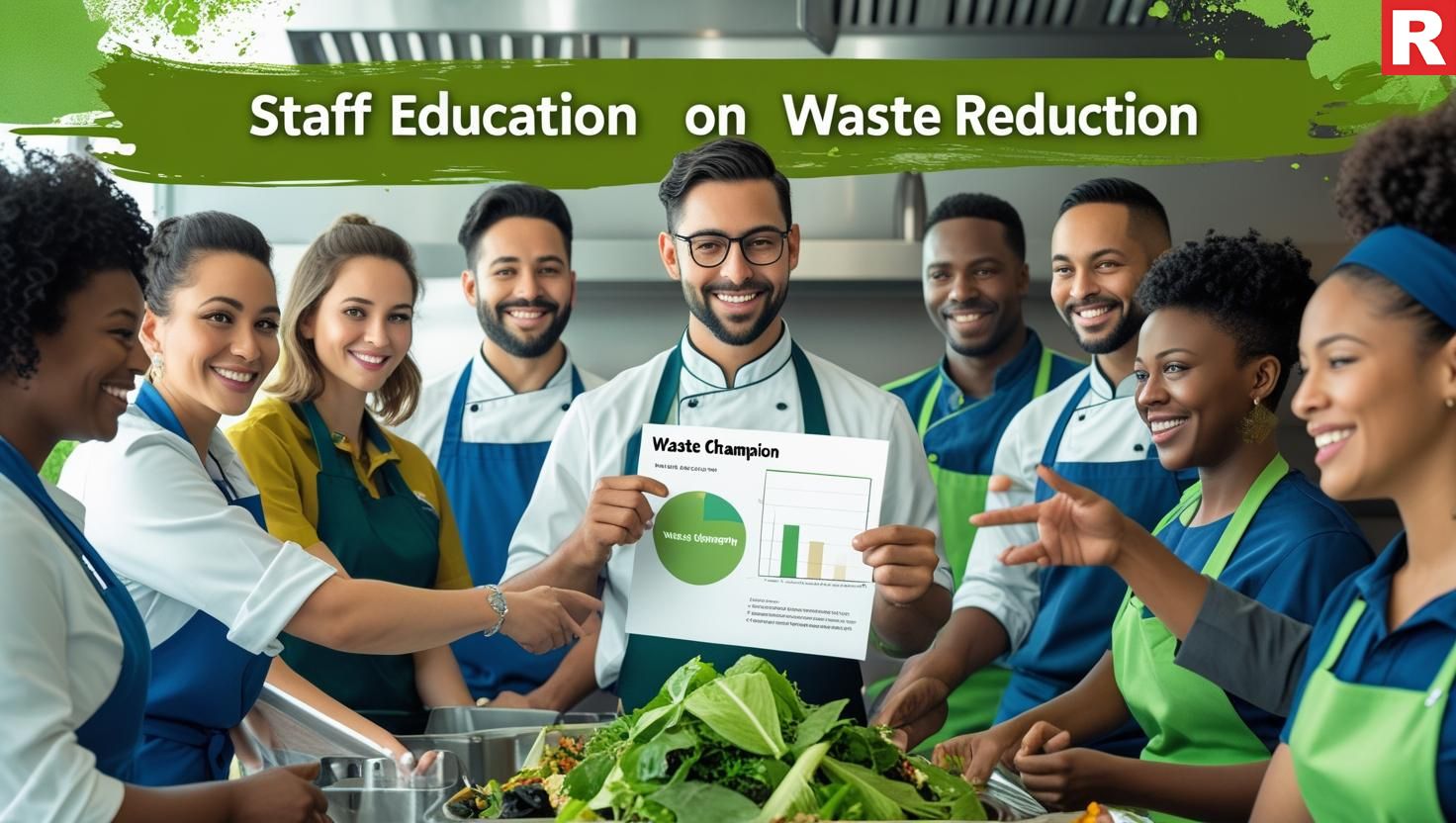
Every team member needs to be actively involved in your waste reduction initiatives if you want to see a real impact. Communication and education are the first steps to achieving this.
- Training from Day One: Include waste reduction concepts in the training procedure for every new staff member, including those working in the front of house and kitchen. Describe how trash affects the economy and the environment, and how their position helps find a solution.
- Establish a "Waste Champion": Designate a "Waste Champion" who will take turns. Tracking discarded things, keeping an eye on trash cans, and reporting results to the team are the responsibilities of this individual. In addition to giving a staff member more authority, this also increases awareness of the different kinds of waste that are produced.
- Have Open Discussions: Schedule frequent meetings to go over waste reduction objectives, celebrate achievements, and generate fresh concepts. Since they are on the front lines and frequently have the best knowledge of where waste is happening, ask your employees for their opinions. Instead of giving orders from above, make it a team effort.
Conclusion
Every team member, from the kitchen to the front door, must be dedicated to the comprehensive effort of reducing food waste in your restaurant. It is a smart tactic that not only boosts profitability and helps you save money, but it also establishes your business as a sustainable and ethical one. You may have a big influence on the environment and your bottom line by adopting clever inventory management, imaginative menu planning, and consumer engagement. At the end of the day, a restaurant that values its ingredients and reduces waste is designed to last.
Mahak Sharma
Content Writer
Mahak Sharma is a passionate content writer with 2 years of experience crafting compelling content across various niches, tailoring her writing to suit different audiences and platforms. She is dedicated to producing engaging content for readers so that they can understand and enjoy the articles. Her strengths lie in crafting SEO-friendly, well-structured articles that drive visibility and engagement.