
How to open a pet-friendly restaurant in India
Traditionally, pets were prohibited in most public areas, including restaurants. However, as the modern era progresses, so does the desire for pet-friendly establishments. For ambitious restaurateurs, opening a pet-friendly restaurant presents a unique and intriguing opportunity to enter this rapidly growing industry.

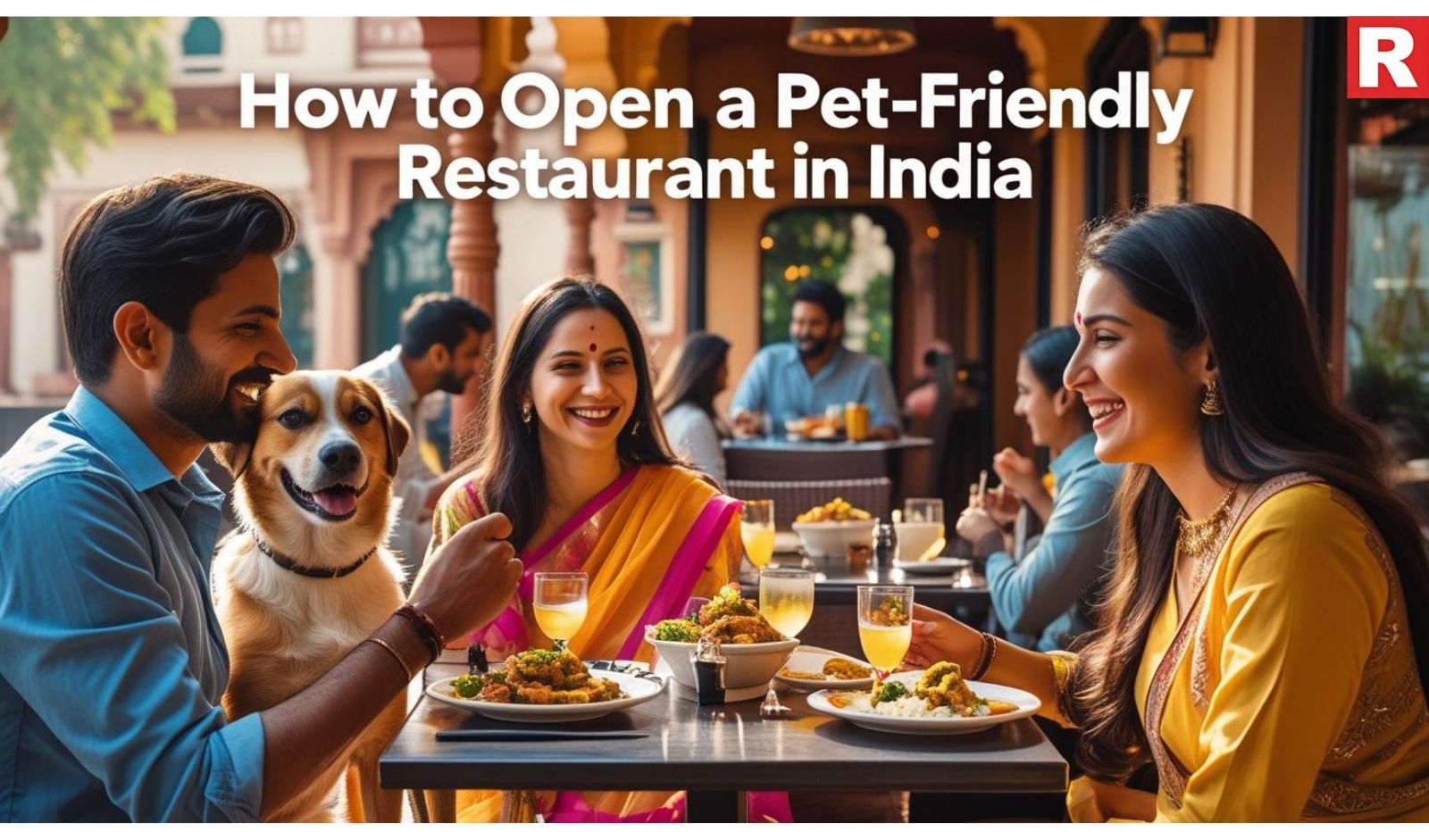
Pet owners in India are proud pet parents who adore their animals and treat them as if they were their children. That's why they wish to engage in various bonding activities with their cherished pets. One of them is dining out with their pets. Traditionally, pets were prohibited in most public areas, including restaurants. However, as the modern era progresses, so does the desire for pet-friendly establishments. For ambitious restaurateurs, opening a pet-friendly restaurant presents a unique and intriguing opportunity to enter this rapidly growing industry.
However, allowing pets into your dining area requires careful planning, respect for regulations, and a solid understanding of both pet and owner requirements. This entire article will guide you to effectively open a pet-friendly restaurant, focusing on the specific issues and legislation that ensure a great experience for all your customers, two- and four-legged alike.
Read more: What Type of Water Do Restaurants Prefer to Serve?
Why Consider Opening a Pet-Friendly Restaurant?
There must be a question at the back of your mind about why we should even open a pet-friendly restaurant. Because having pets in a public setting already looks like an invitation to disaster. However, many reasons can help you understand their appeal.
1. Tapping into a Growing and Niche Market
India's pet population is quickly growing, and pet owners are becoming more interested in experiences to share with their furry pets. By launching a pet-friendly restaurant, you are catering to a committed and overlooked customer base. This quickly differentiates you from the competition and attracts a loyal client base who will choose your restaurant solely because pets are welcome.
2. Increased Revenue and Customer Loyalty
Many pet owners see their animals as members of the family and are prepared to pay more for activities that they may do together. Longer stays, more frequent visits, and increased sums spent per table might result from pet-friendly policies. Additionally, satisfied pet owners are more likely to develop into brand ambassadors, spreading the word about their great experiences on social media and through word-of-mouth, which is a priceless form of free advertising.
3. Fostering a Unique Brand and Community
A restaurant that welcomes pets serves as a gathering spot for the community as well as a place to eat. You can organize pet-related activities, such as adoption events, pet birthday parties, or "Yappy Hour," to foster a sense of belonging and loyalty. This strategy creates a brand identity that is both original and attractive. This will appeal to a strong customer base and will also be hard to imitate.
4. Positive Marketing and Social Media Buzz
Pets are very popular on social media. Accepting them in your restaurant opens up countless possibilities for user-generated content. Customers will share pictures and videos of their pets having fun at your restaurant, creating genuine and interesting advertising for your restaurant. Your business becomes a popular destination for pet owners, which improves your reputation and online visibility.
5. Increased Traffic and Broader Appeal to Different Communities
People who might not otherwise have a place to eat out with their pets, such as families, couples, and individuals, are frequently drawn to restaurants that allow pets. This broadens the scope of prospective clients and may result in more people visiting during off-peak hours as pet owners look for special areas to relax with their animals.
Know more: Small Spaces, Big Impact: The Rise of Intimate Dining
Unique Selling Points
You must create unique selling points (USPs) that go beyond just allowing pets if you want to set your pet-friendly restaurant apart from the competition and build a loyal customer base. Here are some vital points to think about:
Selected Pet-Specific Products
Pet Menu: Don't limit yourself to water. Serve a small menu of nutritious, pet-safe snacks or meals, like dog biscuits made with whole foods or plain boiled chicken. This demonstrates that you are actively accommodating pets rather than merely tolerating them.
Special Features: Offer top-notch features that improve the experience for both pet and owner, such as cozy pet beds or mats, a special "dog parking" area with shade and tie-up hooks, and even a tiny, fenced-in space for off-leash play.
Themed and Interactive Events
"Yappy Hour": Plan a weekly or monthly event where pet owners may mingle and pets can play. Offer exceptional deals on human food and free pet treats.
Pet Birthday Parties: Provide a specific package for pet birthdays that includes a pet-safe cake, decorations, and a designated area for the party.
Pet Adoption Drives: Collaborate with a local animal shelter or non-governmental organization to organize adoption events. This not only increases foot traffic but also establishes a strong, good brand image as a community-minded company.
A Focus on Both Human and Pet Comfort
Thoughtful Design: Create a design that prioritizes the comfort of all guests. This includes non-slip flooring in pet areas, well-ventilated places, and tables that are far enough apart to fit pets without feeling cramped.
Dedicated workers: Have workers who have been specifically trained to be pet-friendly. They should be comfortable engaging with animals, understand your pet policy, and be able to help pet owners with their needs.
Clear Pet Policy: A well-defined and politely expressed pet policy assures everyone's safety and comfort. It should specify leash policies, pet conduct, and specific locations, giving precise guidelines for all customers.
Community and Digital Engagement
Social Media Showcase: Consistently post photographs and videos of happy pets and their owners on your social media platforms with permission from the owners. Encourage customers to use a certain hashtag to be featured, which creates a sense of community and natural advertising.
Partnerships: Work with local pet groomers, trainers, and vets to give cross-promotions. For example, a customer who receives grooming services may receive a discount coupon for your restaurant.
Pet-Owner Loyalty Program: Create a loyalty program tailored to pet owners, offering incentives or discounts after a set number of visits with their pets.
Check out: 10 Smart & Sustainable Ways for Restaurants to Use Leftover Cooking Oil
10 Fastest-Growing Alcohol Brands in India’s HoReCa Sector
Opening a New Pet-Friendly Restaurant
Advantages
- Ideal Layout and Design: You can plan the area with pets in mind from the very beginning. This includes utilizing long-lasting, easily cleaned materials from the start, assigning specific, separate entrances for pet owners, and strategically placing pet-friendly areas.
- Tailored Brand Identity: The pet-friendly idea can serve as the foundation for your restaurant's whole brand, from the name and logo to the menu and advertising, giving it a powerful and united identity.
- Simplified Legal Process: By presenting a well-thought-out operational model and layout that already takes into consideration the laws related to animals in food outlets, you can approach the local government and FSSAI authorities.
- Targeted Marketing: You may concentrate all of your marketing efforts on drawing in pet owners right away, creating a devoted following from the moment you open for business.
Key Procedures
- Extensive Market Research: Since you're just starting out, you must carry out thorough research to choose the ideal site, understand the local pet owner population, and estimate the competition.
- Certification First Design: To provide a clear division between the kitchen, food serving areas, and pet zones, the architectural plan must give top priority to FSSAI and local health regulations.
- Hiring and Training: Employing staff who are at ease and knowledgeable with animals is essential, and you can train them about your unique pet-handling and cleanliness procedures right away.
- New Permits and Licensing: The pet-friendly idea will be incorporated into your applications from the beginning, and the full licensing procedure will be managed.
Changing an Existing Restaurant to Be Pet-Friendly
Advantages
- Utilize Current Customer Base: By informing current customers of the change, you may be able to keep loyal customers while drawing in new ones. This may lessen the transition's financial impact.
- Cost-Effective: Adapting your current space rather than creating a new one from scratch may be more economical, depending on your current arrangement. You can make use of the equipment and infrastructure already in place.
- Reduced Risk: Since you are not launching a whole new company, the risk is typically smaller. You have a working business model, a successful location, and an established reputation, even if you're changing it.
Key Differences and Procedures
- Physical Renovation and Redesign: The largest problem is redesigning and renovating the physical space. To create separate, legal pet-friendly areas, you will need to physically redesign your area. This might include rearranging your outside seats, putting in new flooring, or constructing new walls. During this process, you should expect the restaurant to be momentarily closed.
- Managing Legal Changes: In order to update your current permits and licenses, you will need to get back in touch with the FSSAI and local authorities. Since you are altering an already-approved layout, this may be more complicated than creating a new application. You'll have to show how the updated design meets the necessary safety and hygienic requirements.
- Retraining and Management of Staff: It's possible that your current employees aren't used to dealing with pets. Complete training on new pet policies, hygienic practices, and incident management for pets will be required. The adjustment might make some employees uncomfortable.
- Marketing the Change: To inform your current client base and the larger pet-owning community about your new pet-friendly status, you'll need a carefully planned marketing strategy. You need to be clear about the modifications and the way the experience will change.
- Hygiene and Sanitation Challenges: Compared to your previous operations, you may need to establish new, strict cleaning procedures for the pet-friendly locations. Purchasing new cleaning materials and equipment is part of this.
What's new: How to Source Local Ingredients for Your Indian Restaurant Menu
Legal Process for Opening a Pet-Friendly Restaurant
1. FSSAI Food Safety License
Initial Application: You must apply for a food safety license through the Food Safety and Standards Authority of India (FSSAI). This license is required for all food companies in the country.
Specifications for Pet-Friendly: When applying, please be prepared to offer information about your operational plan for welcoming pets. You may need to provide a layout plan that separates pet-friendly spaces from the kitchen and food-handling zones. This is a vital step for the FSSAI to approve your license.
2. Local Municipal Licenses
Trading License: You must obtain a trading license from the Municipal Corporation of your city. This license allows you to conduct business within the city.
Health and Sanitation Permits: The local health agency will most likely inspect your restaurant to verify that it satisfies hygiene standards. Your pet-friendly layout and sanitation routines will be critical components of this inspection.
3. Rethinking Your Layout and Infrastructure
Physical Separation: The legal and regulatory organizations will want a clear physical separation between the pet-friendly zone and the major food processing areas. This is not negotiable. An outside patio or a separate, well-ventilated inside area is frequently the simplest choice.
Durable and Cleanable Materials: To meet health and safety regulations, make sure the materials used in the pet zone, such as flooring and furniture, are long-lasting and easy to clean.
Read this: How to start a restaurant business?
4. Business Policies and Insurance
Written Pet Policy: You should create a written pet policy outlining all restrictions for pet owners, such as leash requirements, waste disposal, and owner liability. This is an important document for your business and legal protection.
Business Liability Insurance: Speak with an insurance agent to ensure that your coverage covers any potential occurrences involving pets, such as bites or property damage. This protects your restaurant from legal and financial liabilities.
A Pawsome Adventure
By carefully planning and taking measures, you can open a restaurant that will be beneficial for both you and your customers. While being the owner of a pet-friendly business sounds like a far-fetched plan, meticulously taking steps and keeping the above information in mind will help you gain a competitive advantage over others. Also, it will help you pave your way in an industry that is still growing and become the leader of this business, standing at the forefront.
Mahak Sharma
Content Writer
Mahak Sharma is a passionate content writer with 2 years of experience crafting compelling content across various niches, tailoring her writing to suit different audiences and platforms. She is dedicated to producing engaging content for readers so that they can understand and enjoy the articles. Her strengths lie in crafting SEO-friendly, well-structured articles that drive visibility and engagement.



































































