
How to Handle Customer Complaints with Confidence and Care
Although inevitably you will get customer complaints, there is a way to handle them with care and confidence. While these times can be intimidating, especially in the fast-paced environment of quick-service restaurants or the high-stakes environment of fine dining, they are not problems; they are precious opportunities.

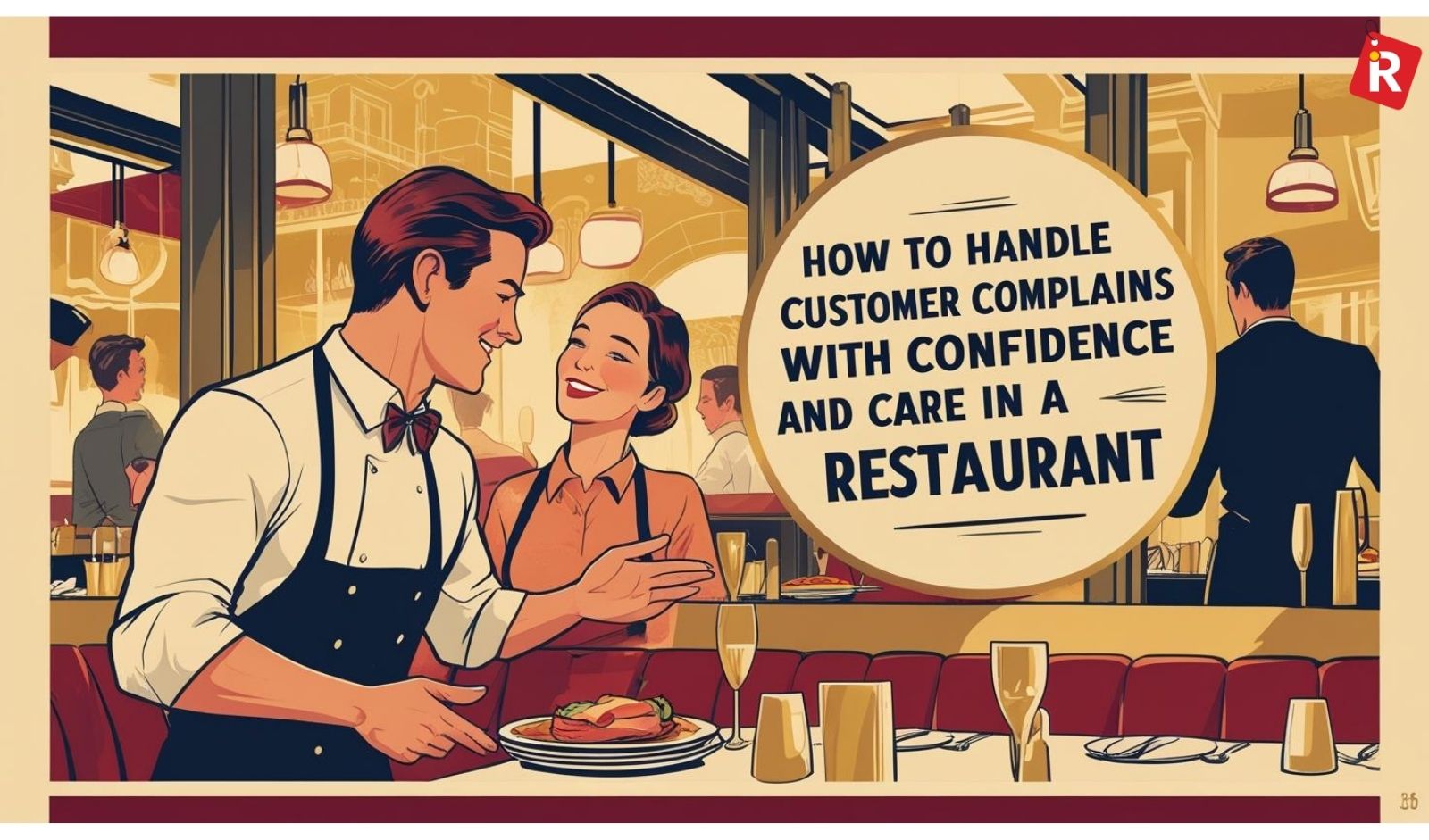
In the fast-paced world of restaurants, there are many things that can go wrong. And one mistake, one unhappy customer, can cause damage to your reputation. An overdone meal, a forgotten order, or a lengthier wait than anticipated are all inevitable, regardless of how carefully you plan your menu or train your staff. Although inevitably you will get customer complaints, there is a way to handle them with care and confidence. While these times can be intimidating, especially in the fast-paced environment of quick-service restaurants or the high-stakes environment of fine dining, they are not problems; they are precious opportunities. If handled with genuine care and unwavering confidence, the complaint can be changed from a potential disaster to a sign for improved service, increased customer loyalty, and, ultimately, a stronger reputation for your business.
In this article, we will dive into the art and science of resolving customer complaints and provide practical tactics to enable your restaurant staff to handle unfavorable comments with composure, compassion, and a clear route to converting a disgruntled patron into a devoted supporter.
Read more: Top 10 Kitchen Must-Haves for New Restaurant Owners
The Undeniable Value of Handling Complaints Effectively
Before diving into the 'how,' it's crucial to understand the 'why.' Why invest so much in mastering complaint resolution?
- Customer Retention is Gold: Keeping clients is crucial since a dissatisfied customer is unlikely to come back. In addition to being more likely to return, a customer who receives outstanding customer service is also more likely to become a devoted customer than one who has never experienced a problem. They have personally witnessed your dedication to their happiness.
- Protect Your Brand's Reputation: In the era of instant online reviews (Google, Zomato, and Swiggy), a single unfavorable experience that is made public can seriously harm your restaurant's reputation. On the other hand, a public reaction that shows successful service recovery can actually improve your reputation by highlighting your customer-focused strategy and responsiveness.
- Increased Employee Confidence and Morale: Employees feel more competent, appreciated, and confident when they are given the training and authority to handle problems. This promotes a healthy work environment, lowers stress, and avoids burnout.
- Findings for Operational Improvement: Complaints are a free source of market research. They draw attention to particular areas where your operations may be lacking, such as menu clarity, service attentiveness, or kitchen uniformity. Continuous improvement is fueled by methodically addressing these problems.
- Reducing Financial Loss: Revenue is directly impacted by lost repeat business. Retaining an existing client with efficient service recovery is much less expensive than gaining a new one.
The "CARE" Approach: Confidence & Care in Every Interaction

A balanced strategy that combines real concern with professional assurance is essential to managing complaints successfully. Here is a structure to help your team:
C - Calm and Confident Demeanor:
Tip: It's normal to feel defensive or angry when faced with a complaint. However, maintaining composure is the first and most important step. Breathe deeply, look directly into their eyes, and speak in a steady, calm tone. Refrain from reflecting the customer's dissatisfaction.
How It Helps: Your cool-headedness is contagious; it reduces the tension in the situation and lets the client know that you are in charge and can handle their problem expertly. It demonstrates respect and builds trust.
A - Active Listening and Empathy:
Tip: Don't interrupt the customer while they are speaking. Let them explain their complaint in detail. As they speak, nod, make eye contact, and use verbal affirmations ("I see," "I understand"). To ensure you have gotten their complaint accurately, paraphrase it back to them when they have done so ("So, if I'm understanding correctly, the delay in your main course meant you couldn't enjoy your meal fully?").
How It Helps: The consumer feels heard and respected when active listening is used, and this is frequently a big step in calming them down. By demonstrating that you care about their experience rather than just finding a solution, empathy ("I understand why you'd feel frustrated with this situation") confirms their feelings.
Read this: How to Set a Goan-Themed Restaurant
R - Resolve and Recover with Solutions:
Tip: It's time to take action after you've heard and shown empathy. Express genuine regret for their unpleasant experience, even if it wasn't "your" fault. Next, offer precise, realistic fixes. Give front-line employees a variety of choices they may implement right away, such as swapping out the dish, giving away a dessert, reducing the current bill, or giving a coupon for a future visit. Know when to respectfully escalate more complicated matters to management.
How It Helps: This activity shows that you are dedicated to making sure your customers are happy. By providing a timely and suitable solution, you not only address the immediate issue but also transform a bad experience into a chance to demonstrate exceptional customer service. Customers frequently feel appreciated and respected as a result of this.
Know this: 9 Egg Alternatives for a Post-Workout Meal (That Actually Fuel Your Gains)
E - Evaluate and Learn for Continuous Improvement:
Tip: Each complaint is a piece of information. Record the complaint's details, the solution offered, and any systematic problems found. Examine this data frequently to identify patterns (e.g., frequent issues with a particular dish, a certain shift, or equipment). Utilize this input to improve procedures, modify menu items, or provide focused employee training. Follow up with the consumer (by phone or email, for example) to make sure they are satisfied and to express gratitude for their input, if appropriate and practical.
How It Helps: This planned approach shows a dedication to quality, promotes ongoing operational progress, and stops similar concerns from happening again. The shortest route to a stronger, more customer-focused restaurant is to learn from your errors.
Check out: Easy Ways to Improve Your Restaurant's Atmosphere Without Spending Much
Practical Steps for Front-Line Staff
Since servers, hostesses, and counter employees are frequently the first to receive a complaint, it is important that they are educated.
- Accept the Complaint and Recognize It: "I'm very sorry to hear that. How may I be of assistance? and "Please tell me what happened."
- Listen Without Interrupting: Allow the client to express themselves completely. Don't defend or explain until they're finished.
- Apologize Sincerely and Empathize: Express sincere regret and empathy by saying, "I'm really sorry that this isn't what you expected," and "I understand why you'd be upset."
- Ask Clarifying Questions (if needed): "Could you tell me more about what specifically was off with the seasoning?" is an example of a clarifying question you might ask. — but only after they have completed their explanation.
- Provide Answers That Are Within Your Power: Give preset choices. "I can certainly get a fresh one made for you right away," and "Please allow us to offer you a complimentary dessert."
- Put the Solution into Practice Quickly: Take immediate action after a solution has been decided upon. Resolution delays may offset the benefits.
- Check Back: Quickly check in a few minutes after the answer has been put into practice. "Is everything to your satisfaction now?"
- Document Internally and Notify management: Also report the complaint to your management, including the specifics of the problem and the solution, even if it is immediately fixed. The "Evaluate and Learn" step benefits from this.
What's new: 10 Expert Cash Handling Tips for QSRs
Practical Steps for Managers
In order to resolve complicated complaints and avoid more problems, managers are essential.
Understand When to Intervene: Teach employees how to take on cases involving angry clients, complex billing errors, serious food quality problems (such as foreign objects), requests for a manager, or continuing problems.
Help Your Employees in Private: If you have to step in, never make fun of your employees in front of the client. After addressing the customer's problem, have a private discussion with your staff about what worked and what could be improved.
Investigate Thoroughly: Conduct a thorough investigation by asking the consumer and the involved staff member for the whole story. For clarification, compare with POS data, kitchen records, or CCTV if required.
Look for Wider Solutions: Look past the current specific instance. Try to find out the main cause of the complaint. Is a slow service complaint unique, or does it indicate a problem with worker numbers or kitchen timing? Make adjustments to operations based on these insights.
Coach and Train: Every complaint presents a chance for coaching. Make use of certain occurrences to provide your team members with helpful criticism and more training.
Proactive Online Reputation Management: Actively monitor online review sites (Google, Zomato, and Swiggy) as part of active online reputation management. Quickly and professionally reply to unfavorable evaluations by offering to take the discussion offline. A well-managed internet complaint has the power to transform a public negative into a favorable one.
Conclusion
While it may look like getting complaints from customers will directly impact the restaurant, consumer complaints are important feedback channels, not failures. Restaurants can turn difficult contacts into chances for tremendous growth by approaching them with a strategy based on assurance and concern. A successful, customer-focused restaurant that creates enduring loyalty and shines brightly, even in the most competitive culinary landscapes, requires not only good practices but also investing in staff training, empowering your team, and sustaining a culture of continuous improvement through feedback.
Mahak Sharma
Content Writer
Mahak Sharma is a passionate content writer with 2 years of experience crafting compelling content across various niches, tailoring her writing to suit different audiences and platforms. She is dedicated to producing engaging content for readers so that they can understand and enjoy the articles. Her strengths lie in crafting SEO-friendly, well-structured articles that drive visibility and engagement.



































































