
How to Grow Your Mobile Restaurant: A Beginner's Guide
The growth of mobile restaurants, including food trucks, carts, and pop-up kitchens, has marked the beginning of a new era of culinary innovation. With their speed and unique appeal, these businesses have become local phenomena, with the appetizing aroma of sizzling spices attracting people from local areas and across the country.

The vibrant food culture of India is not limited to casual sit-down restaurants. The growth of mobile restaurants, including food trucks, carts, and pop-up kitchens, has marked the beginning of a new era of culinary innovation. With their speed and unique appeal, these businesses have become local phenomena, with the appetizing aroma of sizzling spices attracting people from local areas and across the country. For a dedicated Indian restaurateur, establishing a loyal customer base is only the beginning. The next difficulty, and true measure of success, is determining how to transform that single mobile unit into a thriving, successful, and respected brand.
This article is a complete step-by-step guide intended to assist you in navigating this journey. We will go over the most important aspects of running a food truck business, from developing your fundamental skills and creating a strong brand to adopting a plan of action for development and financial growth. By following this road map, you can take your mobile restaurant from a beloved local staple to a sustainable business with a presence that extends far beyond your current operating area.
Read more: How to Handle Negative Online Reviews of Your Restaurant
Step 1: Solidifying Your Local Foundation

Before expanding your business, you must master the market you are already in. Your early success is the blueprint for your future growth. So, perfecting it is non-negotiable.
Master Your Menu and Operations: Consistency is the foundation of your business. Reduce your menu to a powerful selection of signature meals that can be prepared quickly within the limits of your mobile kitchen. The ingredients should be easily accessible and less time-consuming to prepare. For an Indian restaurant, this might mean polishing your biryani recipe or paneer tikka rolls to ensure they taste the same each time. Simplify your workflow to reduce client wait times, particularly during peak hours.
Prioritize Hygiene and Quality Control: In India's food industry, trust is essential. Implement and maintain the highest levels of hygiene and food safety. Your mobile unit's cleanliness should be perfect, and your employees should be well-versed in proper food handling procedures. Your reputation for quality will be an important selling point and generator of repeat business.
Navigate the Legal Landscape: The legal environment for mobile food operations in India is complex and varies greatly by state and municipality. Ensure that you have all of the appropriate permits and licenses for your unique location, whether you are operating in a market or on a street. Being ethical from the start will help you avoid future legal issues and fines.
Cultivate Your Local Following: Your initial client base is your most valuable asset. Engage with them directly, remember their names and orders, and ask for feedback. Develop solid relationships with the community at your frequent serving locations. As your business grows, this local affection will become your most powerful marketing tool. This will also help in free advertising by word-of-mouth of your mobile restaurant.
Step 2: Brand Building and Digital Dominance
A truck-based restaurant's brand is what links your food to your customers' identity. It's why they chose your truck above a dozen others.
Create an Eye-Catching Visual Identity: Your food truck design serves as both an outlet and a billboard. Invest in a visually appealing logo, a memorable color palette, and clear, professional branding. Your brand identity should be reflected in everything, from your menus and packaging to your employees' clothing. Don’t forget to get your logo and design licensed.
Establish a Strong Social Media Presence: In India, social media platforms are the most direct and successful marketing mediums. Use Instagram, Facebook, and Twitter to showcase high-quality images and videos of your food, announce your daily locations and times, and tell the story of your company. Run surveys and contests to increase engagement and make your fans feel like they're a part of your adventure.
Encourage and Manage Online Reviews: Your reputation exists online. Encourage satisfied consumers to post feedback on platforms such as Google and Zomato. More importantly, reply to all reviews, positive and negative, with professionalism and respect. Your answer to a complaint might show your dedication to quality and transform a negative into a positive.
Utilize Location-Based Technology: Use services such as Google Maps to make your mobile restaurant easily visible to others. Real-time location updates on social media ensure that clients know where to find you at all times. This is a simple yet critical step for a successful mobile restaurant in India. You can also post your timings on social media accounts to make it more easily accessible.
Know more: How to deal with Rude customers in a restaurant
Step 3: Financial Discipline and Profitability
Growth is more than just sales; it is also about profit. To grow your firm, you must move beyond just measuring revenue to actively managing costs and expanding your income.
Master Your Finances: Keep detailed records of all expenses, including ingredients, fuel, labor, permits, maintenance, and marketing. Understanding your exact cost per dish and profit margins is critical to making sound business decisions. You can track this data more effectively with a dedicated POS system.
Strategic Pricing: This means setting prices that are competitive while also reflecting product quality and operational costs. Don't be hesitant to modify your pricing when your reputation and market demand improve. Keep a note of the initial cost of all ingredients that are needed for your menu items. Examine the pricing of other food trucks and local restaurants to figure out the correct balance.
Diversify Your Revenue Streams: Avoid relying entirely on walk-up sales. Promote your mobile restaurant for mobile catering in India. Secure contracts for business functions, private parties, weddings, and community gatherings. These larger, pre-booked events can dramatically increase income and are frequently more profitable than everyday operations.
Create a Financial Runway: As you expand, you will require capital. Begin setting aside a part of your revenues to fund future investments, such as a new food truck, an expanded kitchen, or a dedicated marketing campaign. This financial planning will reduce the risks associated with future expansion.
Check out: 9 Craft Alcohol Brands That Urban Indian Diners Can’t Get Enough Of
How Awards Can Drive Diners to Your Restaurant
Step 4: Strategic Expansion Opportunities
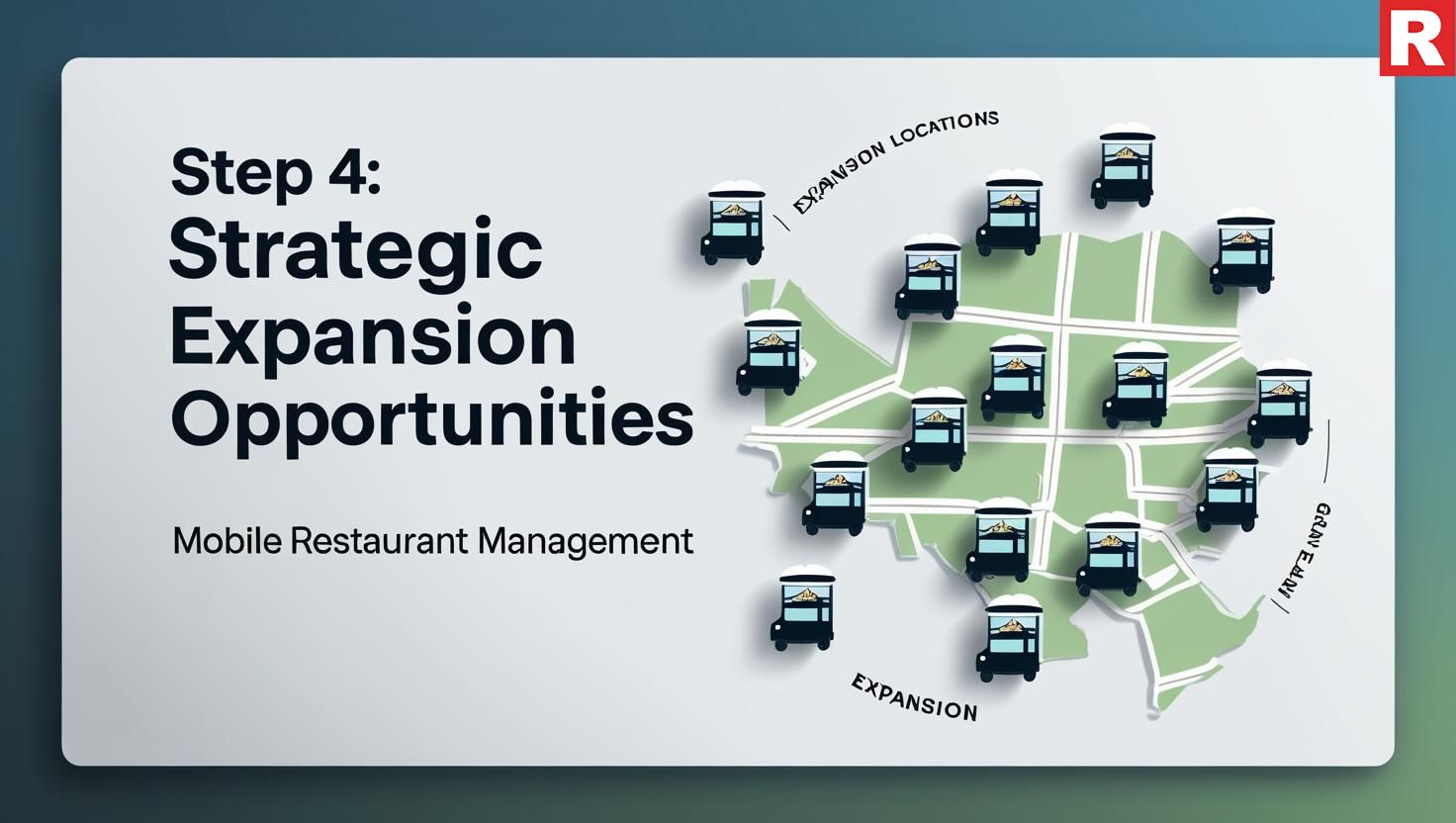
Once your local unit is running smoothly and profitably, you can explore expanding. This is where your growth strategy comes to life.
Add New Mobile Units: Expanding the number of your vehicles is the most direct road to growth. This allows you to serve several areas at once, increasing your market reach. This requires an enormous capital investment and a uniform operational structure. When introducing a new unit, make sure it is handled by a dependable, well-trained team member who can support your brand's standards.
Formalize Your Catering Business: If catering has become an important element of your company, formalize it. Create a separate catering menu, a clear price structure, and a marketing campaign specifically for this service. Hire a dedicated crew to handle catering logistics.
Investigate a Franchise Approach: If your brand is strong and your operating approach is highly structured, you might consider franchising a food truck to ambitious business owners in other cities. This is a low-cost option to expand your brand's footprint throughout India. However, it requires a strong legal structure, an extensive training program, and a dedication to supporting your franchisees.
Form Strategic Partnerships: Work with food parks, retail malls, and large corporate campuses to secure long-term, high-traffic positions. These collaborations can provide an uninterrupted flow of business and boost your brand's reputation.
What's new: The Pros and Cons of Franchising Your Restaurant in India
Step 5: Expand Your Team and Systems
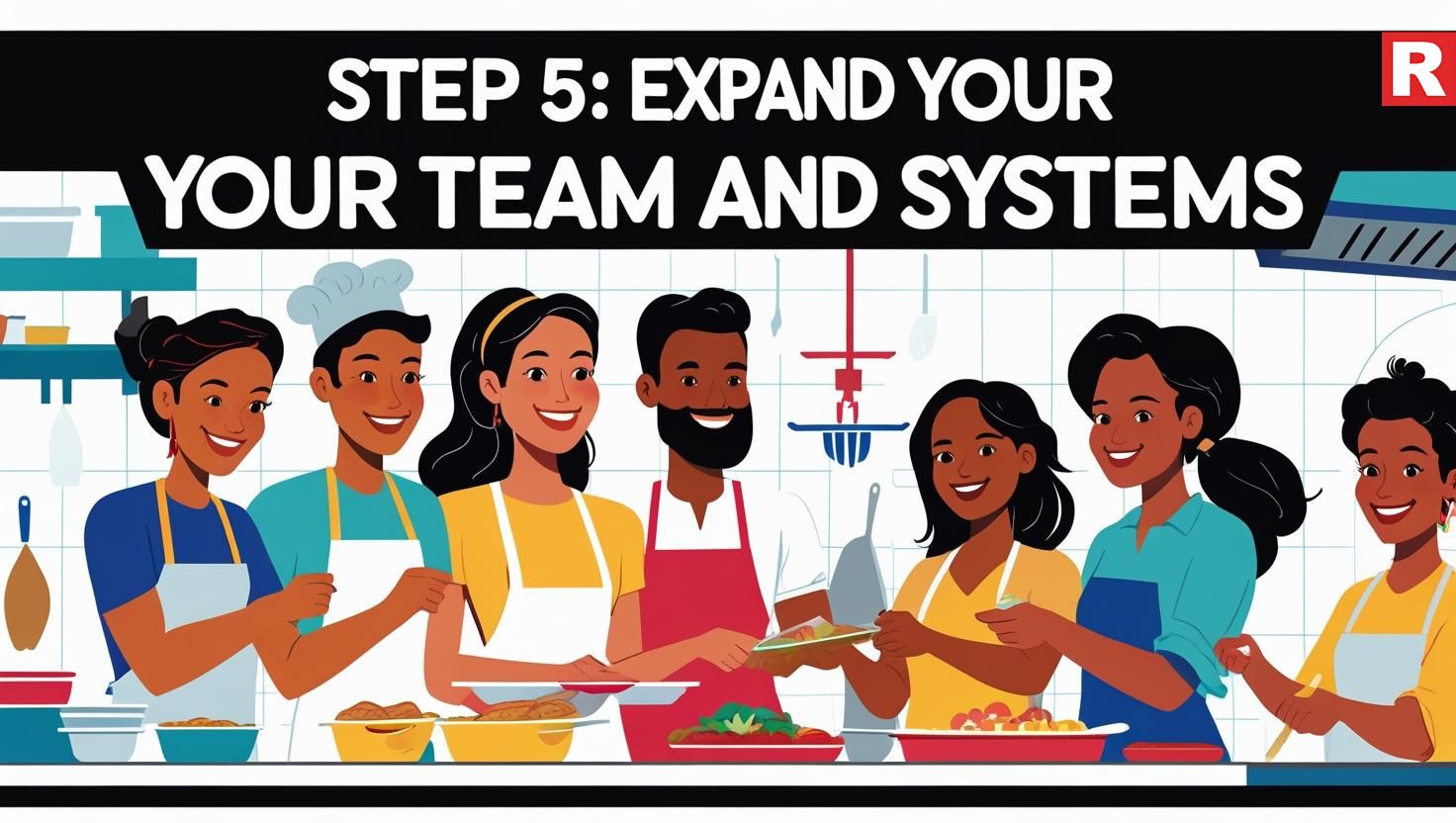
Growth requires a collective effort. Your company can only grow as quickly as your people and systems can handle.
Hire for Passion and Potential: As your business grows, you will need to hire employees who are dependable and passionate. Look for people who not only have the necessary abilities but also represent your brand's ideas.
Invest in Training: Create a complete training program for new employees that addresses everything from preparing meals and hygiene to customer service and communication. A well-trained crew is essential for ensuring quality and consistency, especially when operating in many locations.
Document and Standardize Everything: Create a complete operations manual that details every step of the business, from recipes and inventory management to daily opening and closing procedures. This document will serve as your company's blueprint, ensuring that all units comply with the same high standards.
Empower Your Team: As an owner, you cannot be everywhere at once. Encourage your team leaders and managers to take ownership of their responsibilities. Trusting your staff to make decisions and address problems on the ground is critical for any developed business.
Read this: 7 Restaurant Trends That Didn't Last Long
Conclusion
Growing a mobile restaurant in India is a challenging yet rewarding job. You can create a solid and successful business by taking a step-by-step strategy, from mastering your local operations to developing a strong brand, carefully managing your finances, and strategically preparing for development. Your mobile kitchen's adaptability is its greatest strength, allowing you to respond to market trends and deliver your culinary vision straight to your clients. A well-executed strategy may elevate your food truck to a respected brand not only in your community but throughout India's diverse and vibrant culinary landscape.
Mahak Sharma
Content Writer
Mahak Sharma is a passionate content writer with 2 years of experience crafting compelling content across various niches, tailoring her writing to suit different audiences and platforms. She is dedicated to producing engaging content for readers so that they can understand and enjoy the articles. Her strengths lie in crafting SEO-friendly, well-structured articles that drive visibility and engagement.



































































