How to Embrace International Flavors in an Indian Restaurant
Embracing international cuisines in an Indian restaurant strategically and creatively is the key to being modern, drawing in a new customer base, and increasing your bottom line. Fusion is the art of making foods that surprise, delight, and attract customers to return for more. It's a delicate interaction between the familiar and the unfamiliar.

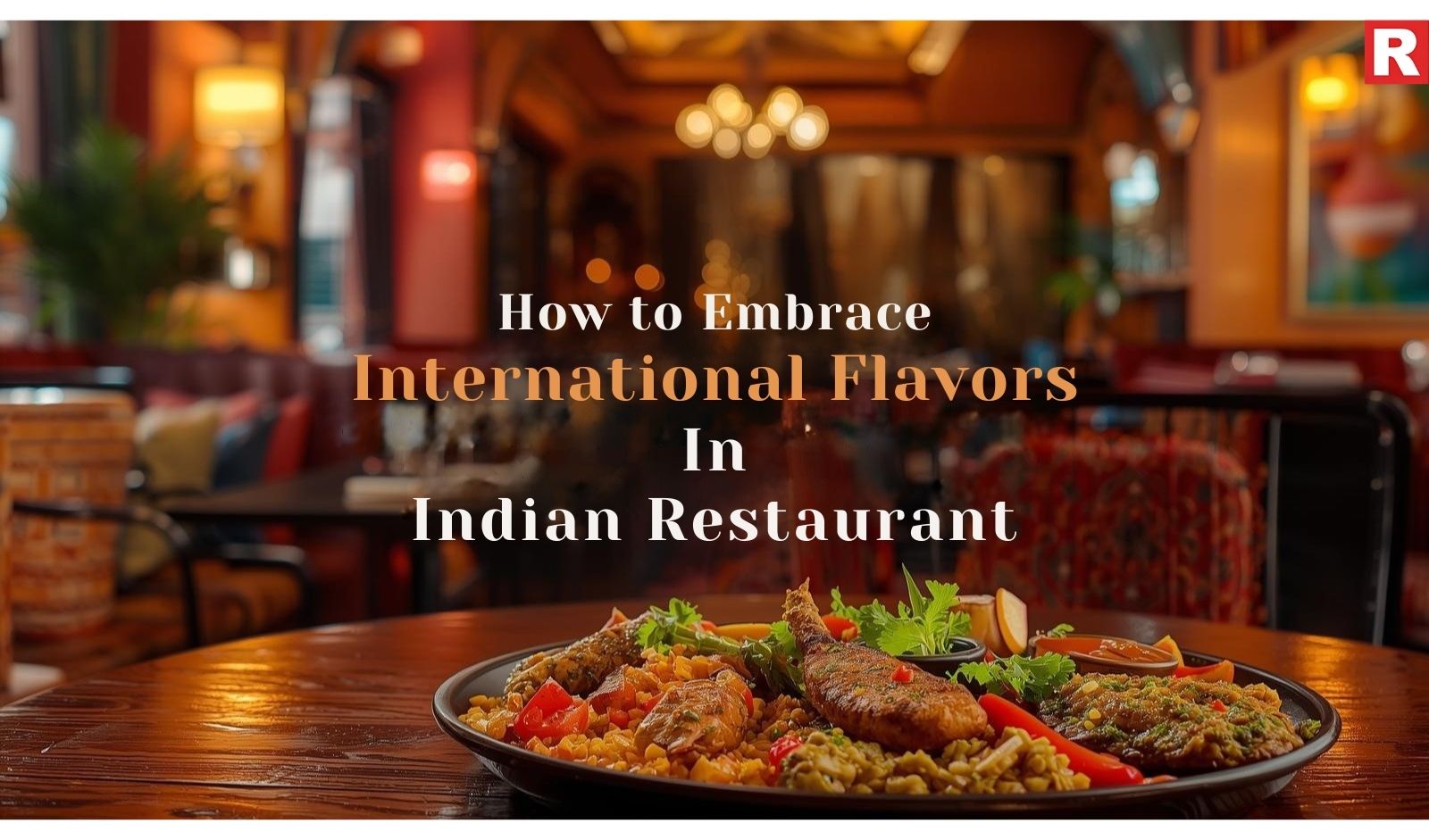
The Indian diner of today is a global citizen. They are no longer content with the traditional cuisine options alone because of their increased travel, exposure to digital media, and more adventurous palate. This change is a huge opportunity for restaurateurs all over India, from the busy streets to the urban centers. Embracing international cuisines in an Indian restaurant strategically and creatively is the key to being modern, drawing in a new customer base, and increasing your bottom line. Fusion is the art of making foods that surprise, delight, and attract customers to return for more. It's a delicate interaction between the familiar and the unfamiliar.
You can use this entire article as a guide to help you navigate this fascinating culinary zone. We will examine the strategic "why" of this movement, offer a useful "how-to" manual for execution, and offer advice on how to stay clear of typical pitfalls to make sure your journey into foreign flavors is a huge success.
Read more: Understanding Joint Ownership in the Restaurant Industry
Why an International Menu? The Shifting Palate of the Indian Diner
"Why would a diner choose an Italian pasta or a Mexican taco when they have an entire continent's worth of local specialties to explore?" is the most frequently asked question. The Indian consumer's fundamental shift holds the key to the solution. With a taste influenced by a variety of influences, the modern Indian diner, especially in urban and semi-urban areas, is a global citizen. They are looking for innovation, diversity, and the opportunity to experience a world of cuisines without having to travel outside of their city; they are not deciding between Indian and foreign cuisine. An international menu is an additional product that enhances the eating experience and satisfies a wider range of appetites, rather than taking the place of Indian food.
Causes for the Rise in Demand for International Food
There is a reason why demand for international food has increased. The Indian consumer market has changed as a direct result of a number of significant socioeconomic and cultural changes.
- Increased Travel and Global Exposure: Travel abroad has increased as a result of rising disposable income. Indians are traveling to other nations, experiencing various cultures, and—above all—tasting new foods. There is a demand for real international food since they look for these same specialties when they return. Additionally, a sizable section of the population has direct exposure to foreign cuisine through friends, relatives, or personal experience due to the substantial Indian people who live and work overseas.
- The Digital Revolution: We now have access to the entire world thanks to the internet. International food trends, well-known chefs, and unique dishes are displayed on websites like Instagram, YouTube, and food blogs. A generation that may not have experienced delicacies like Korean kimchi, Japanese ramen, and Mediterranean hummus in their local area may now recognize them because of this digital exposure. As a result, there is a psychological and visual need for foods that were previously regarded as foreign.
- Changing Social Norms and Lifestyles: Younger generations, especially Gen Z and millennials, have a different perspective on eating. They see eating out as a social occasion and a kind of entertainment in addition to a way to get their nutrients. Trying a new overseas restaurant or a special meal turns into a social media-worthy experience. The desire for international menus is fueled by this ongoing quest for variety.
- Quick Service Restaurants' (QSRs') Impact: An important factor has been the development of global QSR franchises like McDonald's, Domino's, and Subway. They have effectively introduced and normalized formats like pizzas, burgers, and sandwiches, opening the door for more varied foreign concepts, even though their products tend to be unique.
Know more: How to Keep Track of Daily Restaurant Tasks
How to Make Your Restaurant International-Food Friendly
It takes more than simply a menu modification to make a move to incorporate international cuisine. From staff training to your supply chain, it demands a systematic reorganization of your business. A complete approach to making your restaurant really international food-friendly can be learned here.
Supply chain and sourcing
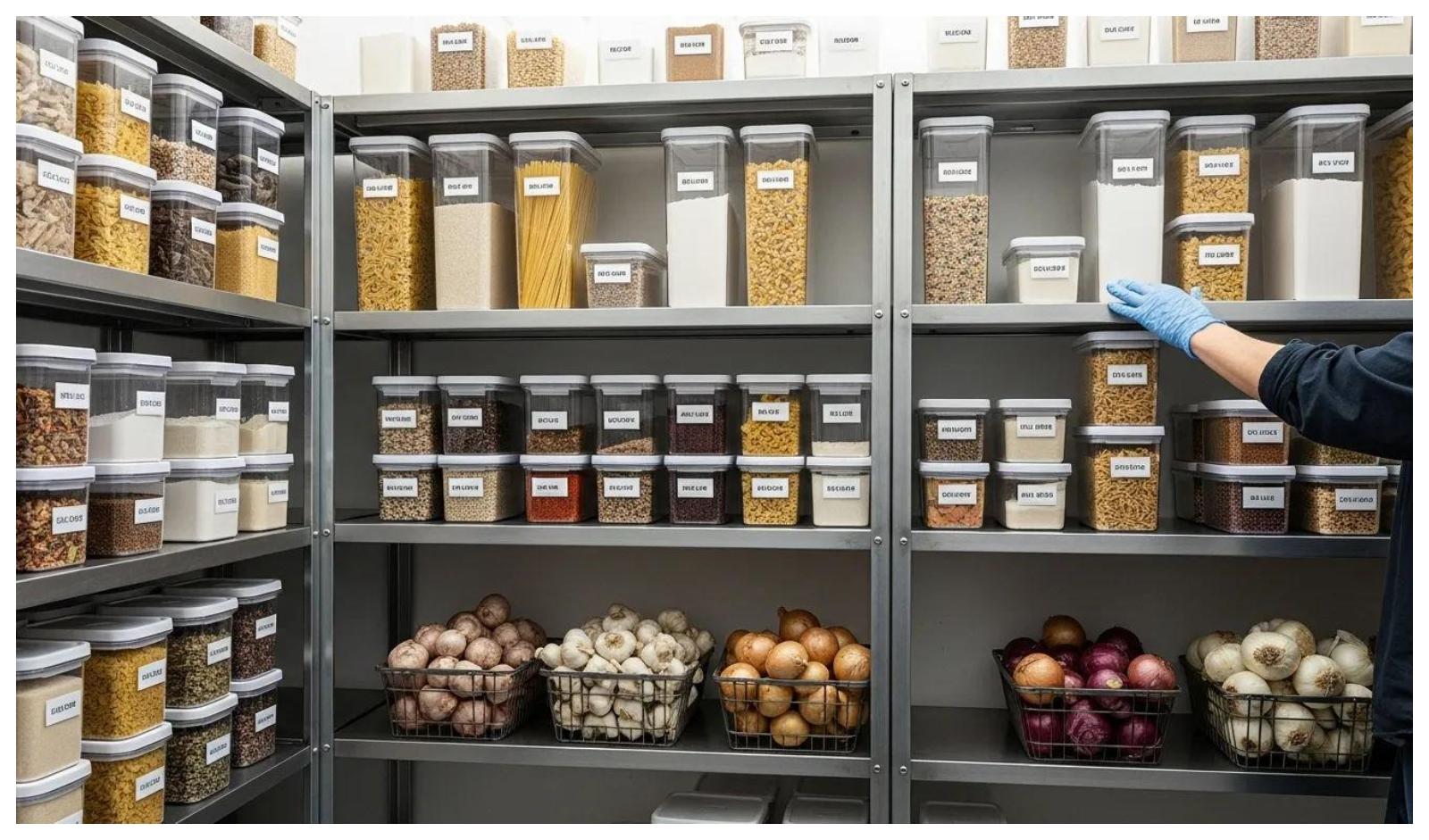
Ensuring the quality and authenticity of ingredients is the biggest obstacle. A knowledgeable customer will be let down by a sushi roll made with rice that isn't sushi-grade or a pasta dish built with inferior cheese.
- Locate Specialized Importers: Establish connections with food importers who specialize in foreign meat, dairy, and vegetables in large cities. Nowadays, a lot of them have internet portals that can ship to a variety of cities.
- Local Substitutes: Look for regional substitutes that can replicate the flavor character of foods that are difficult to get. For instance, a premium local cheese may be used in place of an expensive imported one, or a local chili pepper could be used in place of a particular type of Mexican chili.
Kitchen and Staff Training
Although your kitchen crew may be experts in Indian food, they might not be well-versed in foreign cooking methods.
- Hire a Consultant: If you want to offer a certain international cuisine, think about hiring a chef or consultant with expertise in that area. They may offer complete training in anything from flavor pairings to knife skills.
- Cross-Training: Teach your current employees the new methods and recipes if your Indian restaurant is adding some foreign foods. Make sure they understand the plating rules and flavor profiles.
Redefining the Menu and Ambience
The menu must guide the customer through this new food experience since it is your main means of communication.
- Dedicated Sections: Make an additional, clearly marked area on your menu just for international cuisine. This keeps things clear and makes it simple for customers to find what they're looking for.
- Clear Descriptions: Explain the food, its main components, and its history using colorful and detailed language. You can't presume that your customers are aware of what a "risotto" or "chimichurri" is.
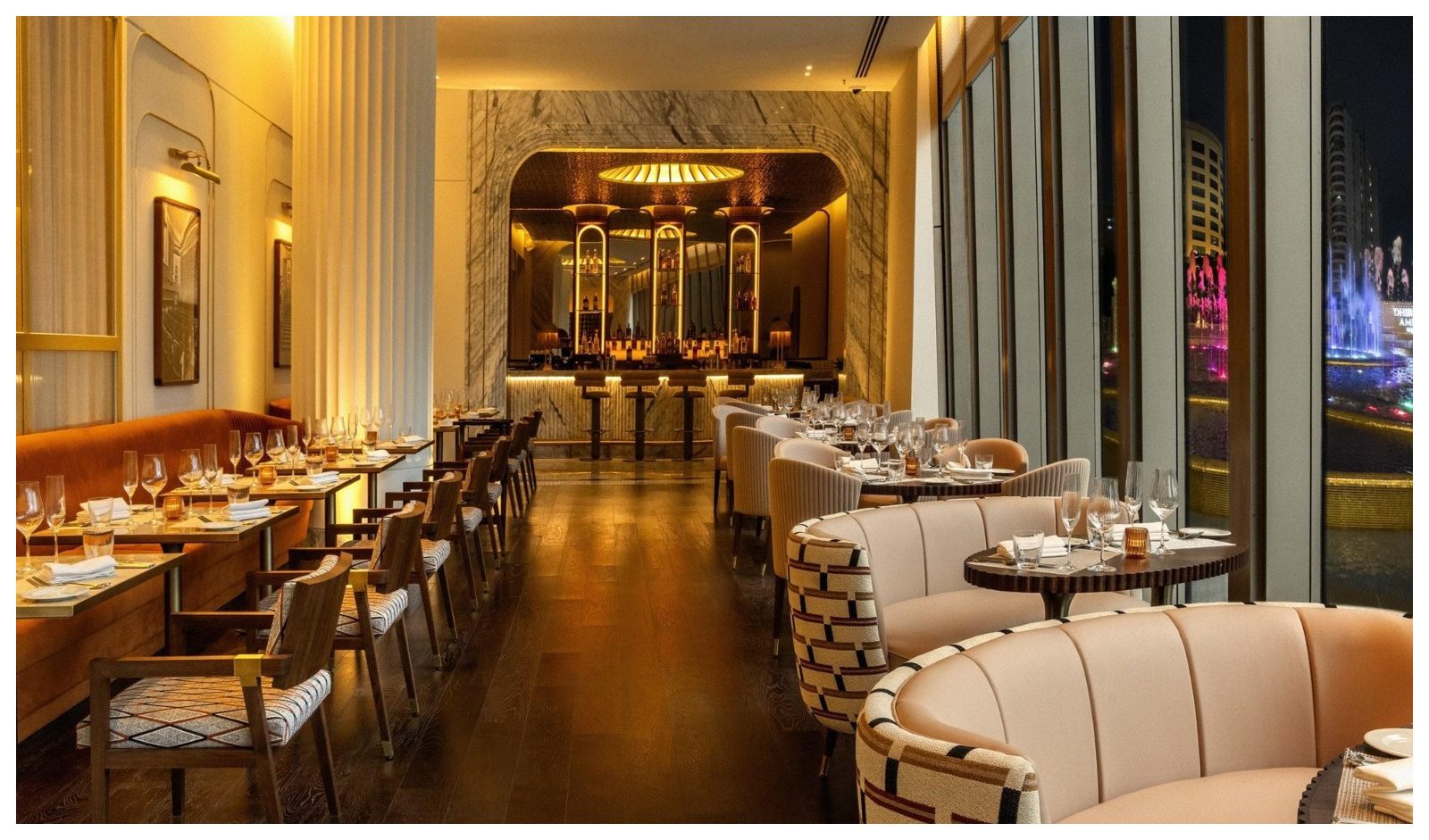
- Complementary Ambience: The atmosphere of the restaurant shouldn't be overwhelming. To make the international cuisine feel genuine in your current environment, you can employ subtle clues like themes in music, a different set of silverware, or a different service style—all without totally altering your design.
What's new: A Guide to Keeping Your Restaurant Kitchen Bug-Free
The Financial Impact
Including international cuisine on your menu is a big financial investment as well as a creative initiative. Success requires an understanding of the business parameters.
- Menu Pricing: You may have to pay more for foreign ingredients and specialized training. This needs to be reflected in your pricing. For any new meal, do a thorough cost-of-goods-sold (COGS) analysis, accounting for labor and possible waste in addition to ingredients.
- Profitability: Since international cuisine tends to be more expensive, there may be a larger profit margin. This is only the case, however, depending on whether your sales volume is sufficient to cover the original outlay. Determine which foreign meals are selling the best and generating the most revenue by routinely analyzing sales statistics.
- Return on Investment (ROI): Purchasing new machinery, receiving training, and sourcing can all be expensive. Tracking the addition of new customers, average guest spending, and the buzz created by your new menu will help you determine the return on investment. You can use this information to support your initial investment and make well-informed decisions about growing your global offerings.
Marketing Your Global Menu
The next stage after mastering your international dishes is to generate hype and share your story with others. The secret to making sure your new menu is recognized is strategic marketing.
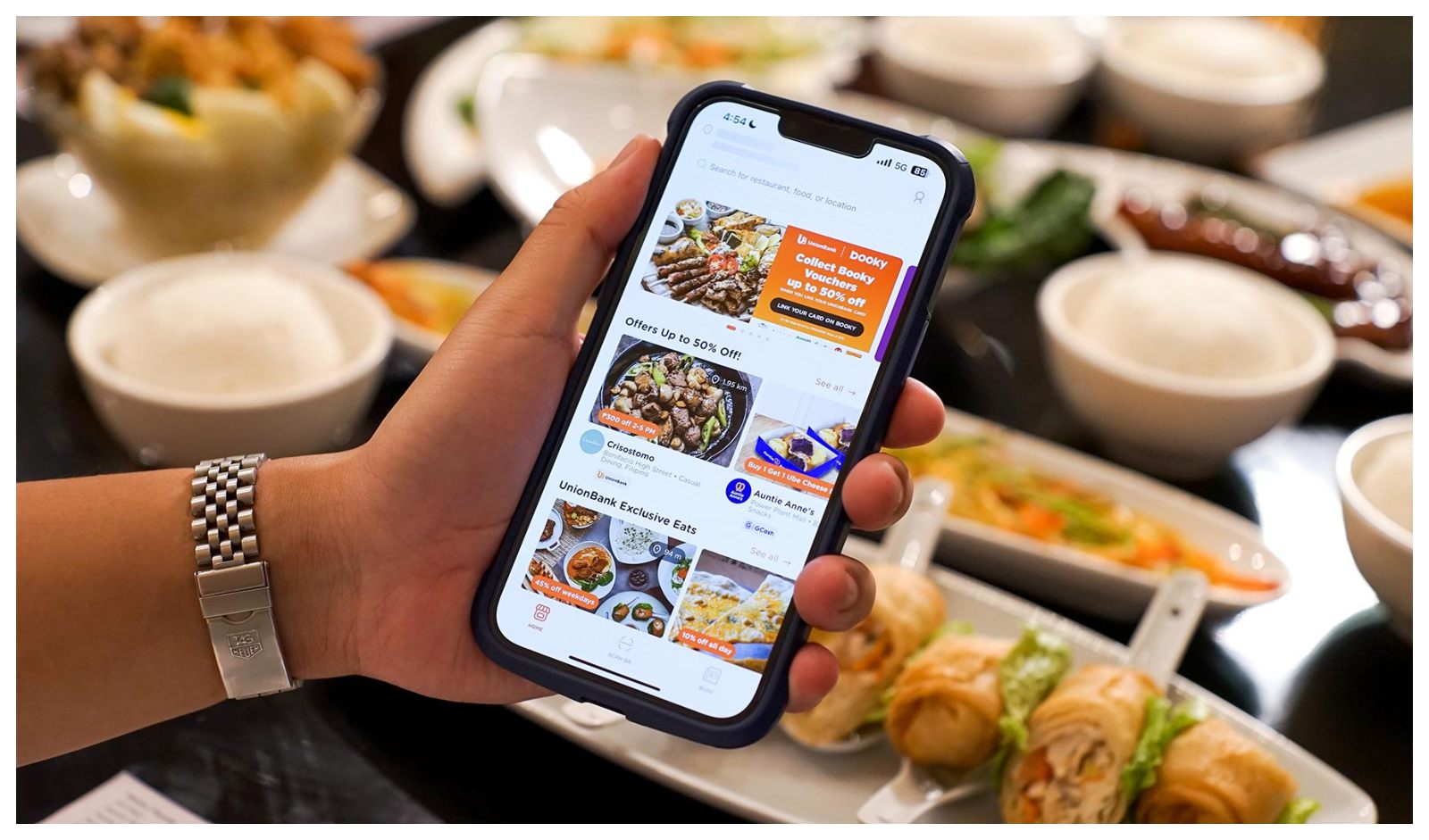
- Social Media Showcase: Post high-quality images and videos of your new dishes on social media sites like Facebook and Instagram. Emphasize each dish's special ingredients, preparation method, and inspiration. Tell an engaging story that ties your brand to the global flavor.
- Collaborate with Influencers: Join partnerships with local influencers, food bloggers, and food critics who have a history of interacting with daring diners. Organize special events and tastings to encourage genuine reviews and word-of-mouth advertising.
- In-House Promotions: Teach your front desk employees to act as brand ambassadors for the international menu. They ought to be competent in making meal recommendations, describing the different flavors, and suggesting complementary drinks. Adding a personal touch can greatly increase sales.
- Themed Events: Plan pop-ups or unique events that are focused on a certain exotic cuisine. Events like "Pasta & Wine Night" or "Taco Tuesday" can draw in new clients and infuse your brand with enthusiasm and originality.
Check out: A to Z List of Restaurant Operations
Adoption of AI for Personalized Customer Experience In Restaurants
Typical Mistakes to Avoid: Handling the Obstacles

International cuisine has a lot of potential, but certain frequent mistakes might ruin your plans. The first step to conquering these obstacles is realizing they exist.
- Losing Brand Identity: The biggest error is allowing your foreign or fusion menu to overwhelm the main character of your restaurant. Your brand should still be recognizable to a consumer. A biryani-focused restaurant shouldn't turn into a Mexican cantina overnight.
- Inauthentic or Confusing Flavors: The foreign cuisine needs to make sense. A dish that is chaotic and unattractive can result from just combining random ingredients from various cultures. The flavors must complement each other in a way that is both surprising and harmonious.
- Low Quality Ingredients: Using poor ingredients can result in a bad customer experience, particularly when introducing new flavors. Quality and authenticity should never be sacrificed.
- Ignoring Customer Feedback: Keep a careful eye on how people are reacting to your new meals. Be ready to change a dish or take it off the menu if it doesn't work. Instead of forcing a concept that doesn't appeal to your audience, the goal is to innovate.
Read this: How to Find Good Staff for Your Restaurant
Conclusion
Adding international cuisine to your menu is a smart move that will pay off in a market where customers are always looking for new and exciting experiences. A fundamental change in your restaurant's identity, that is, from an exporter of regional cuisine to a collector of international flavors, is more important than simply adding a few new things. You may successfully navigate this new environment by comprehending the reasons behind the demand, carefully revising your menu, investing in staff training, and strategically obtaining ingredients.
Mahak Sharma
Content Writer
Mahak Sharma is a passionate content writer with 2 years of experience crafting compelling content across various niches, tailoring her writing to suit different audiences and platforms. She is dedicated to producing engaging content for readers so that they can understand and enjoy the articles. Her strengths lie in crafting SEO-friendly, well-structured articles that drive visibility and engagement.