
How to Design a Profitable Restaurant Menu
A well-engineered menu not only increases profits but also creates a smoother customer journey, stronger brand perception, and a more sustainable restaurant business.

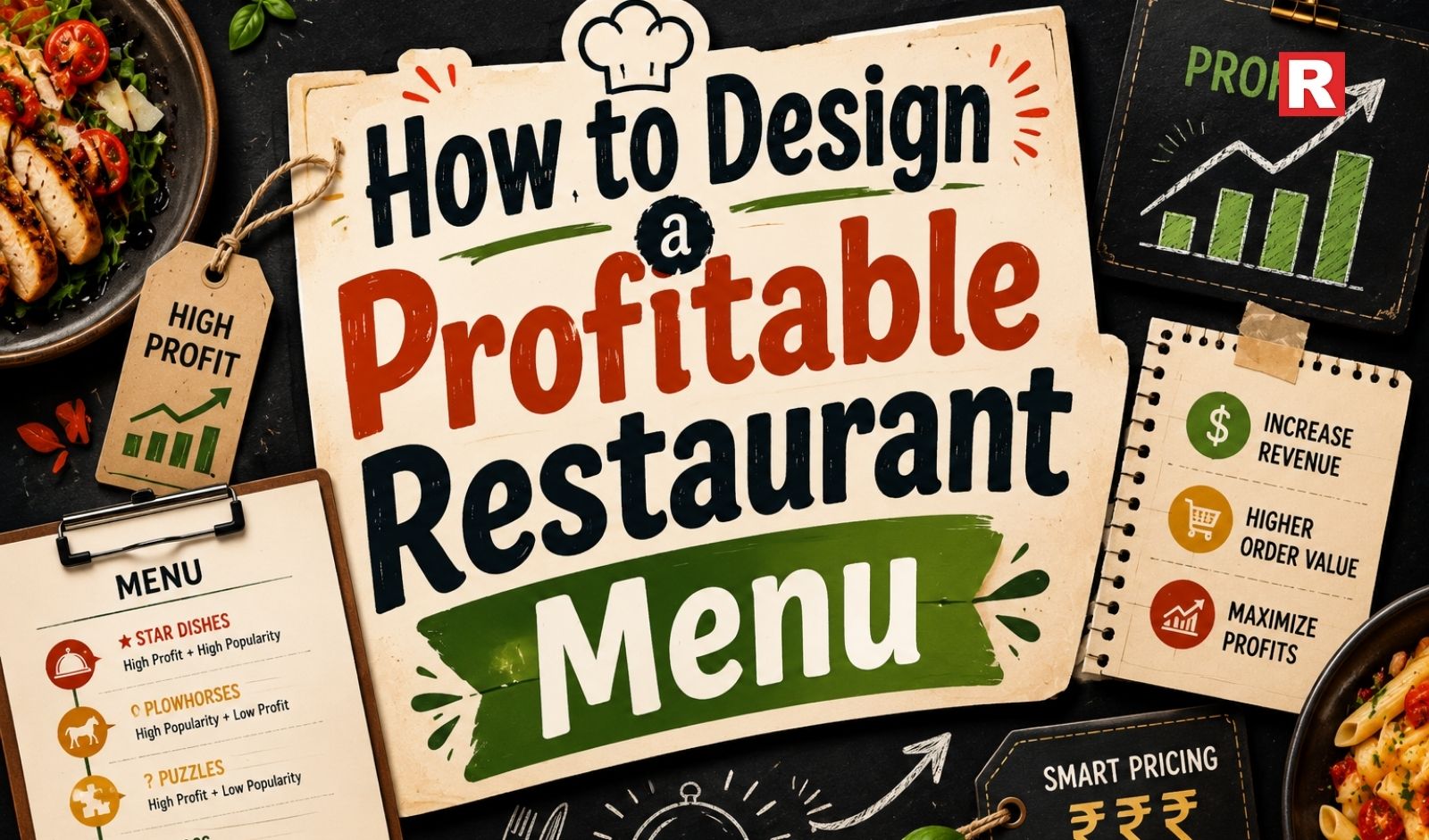
A restaurant menu is much more than a list of food and drinks. It is one of the most powerful tools for increasing sales, improving customer experience, and boosting profits. Every item placement, description, and price can influence what customers order and how much they spend.
Many restaurant owners focus heavily on food quality and service, which are undoubtedly important. However, even the best dishes can struggle to generate strong profits if they are not presented strategically on the menu. A well-designed menu helps guide customers toward high-margin items while making ordering simple and enjoyable. Whether you run a café, cloud kitchen, casual dining outlet, or fine dining restaurant, understanding menu design can make a significant difference to your bottom line.
Why Menu Design Matters for Restaurant Profitability
Customers typically spend just a few minutes reviewing a menu before placing an order, making menu design one of the most influential factors in restaurant profitability. A well-structured menu does more than showcase dishes—it guides customer choices and highlights items that deliver the best returns. Strategic placement of high-margin dishes, compelling descriptions, and thoughtful pricing can encourage guests to spend more while enhancing their dining experience. Effective menu design also helps restaurants reduce food waste by focusing on popular, profitable items and eliminating underperforming dishes. This improves inventory management, streamlines kitchen operations, and ensures greater consistency in food preparation. In addition, a carefully crafted menu strengthens brand identity by reflecting the restaurant's concept, quality standards, and unique offerings. Since a relatively small number of menu items often generate a large share of total profits, identifying and promoting these dishes is essential for maximizing revenue and long-term business growth.
Understanding Menu Engineering
Menu engineering is the process of analyzing menu items based on two important factors:
- Popularity
- Profitability
This method helps restaurant owners understand which dishes deserve more attention and which ones may need adjustments. Menu engineering divides dishes into four categories:
Stars: These are dishes that are both highly profitable and highly popular. Stars should receive maximum visibility on the menu. They should be placed in prominent positions and highlighted whenever possible.
Plowhorses: These items sell well but generate lower profits. Restaurant owners can improve margins by adjusting portion sizes, reviewing ingredient costs, or pairing these dishes with profitable add-ons.
Puzzles: These dishes are profitable but do not sell as often. Improving descriptions, repositioning them on the menu, or training staff to recommend them can increase sales.
Restaurants should carefully evaluate whether these dishes deserve a place on the menu.
Calculate Food Cost and Contribution Margin
Successful menu design begins with understanding the numbers behind each dish.
1. Food Cost Percentage
Food cost percentage measures how much of the selling price is spent on ingredients. Food Cost % = Ingredient Cost ÷ Selling Price × 100
Example
A Margherita Pizza costs ₹120 in ingredients and sells for ₹400.
- Food Cost % = ₹120 ÷ ₹400 × 100
- Food Cost % = 30%
Most restaurants aim for a food cost percentage between 25% and 35%, depending on their concept and operating expenses.
2. Contribution Margin
Contribution margin shows how much money remains after ingredient costs are deducted.
Using the same example:
- Selling Price = ₹400
- Food Cost = ₹120
- Contribution Margin = ₹280
This figure often provides a clearer picture of profitability because it reveals how much each dish contributes to covering operating expenses and generating profit.
3. Price Anchoring
Place a premium item next to your target item.
Example:
Wagyu Burger – ₹1,299
Signature Burger – ₹699
Customers perceive the ₹699 option as better value because of the comparison.
4. Remove Currency Symbols
- Instead of writing: ₹499
- Write: 499
This reduces the psychological pain of spending and keeps attention on the dish. When prices are listed in a neat column, customers tend to order based on price rather than preference.
Use Menu Psychology to Influence Customer Decisions
Some of the most profitable restaurants use menu psychology to guide customer choices naturally.
Strategic Placement: Place high-margin dishes in the menu's most-viewed sections, such as the top-right corner or center, to attract attention.
Use Attractive Descriptions: Detailed descriptions highlighting ingredients, cooking methods, and flavors create anticipation and make dishes appear more valuable to customers.
Avoid Excessive Price Focus: Avoid lining up prices in columns, as it encourages comparison shopping and shifts attention away from food quality.
Use Price Anchoring: Display a premium-priced item near target dishes to make moderately priced options appear more affordable and attractive.
Highlight Signature Dishes: Use boxes, icons, or chef recommendations to draw attention to unique dishes that represent your restaurant's strengths.
Limit Menu Clutter: A clean menu with fewer choices reduces decision fatigue and helps customers focus on profitable offerings.
Use Visual Hierarchy: Different font sizes, spacing, and section organization guide customers naturally toward featured and high-margin menu items.
Group Similar Items Together: Organized categories improve readability and help guests compare options easily without feeling overwhelmed by choices.
Promote High-Margin Add-Ons: Position sides, toppings, and beverage upgrades near main dishes to encourage additional purchases and increase order value.
Create Desirable Dish Names: Unique and memorable names make dishes stand out, improve recall, and create stronger emotional connections with customers.
Keep Your Menu Simple
Many restaurant owners assume that offering a large number of menu items will attract more customers, but research in consumer behavior shows that too many choices can lead to decision fatigue. When guests are faced with an overly extensive menu, they often take longer to order and may feel less satisfied with their final choice. A focused and carefully curated menu helps simplify the dining experience while improving restaurant operations. Fewer menu items reduce inventory requirements, lower food storage costs, and minimize ingredient wastage. It also allows kitchen staff to concentrate on perfecting core dishes, leading to greater consistency in taste and presentation. In addition, streamlined menus speed up preparation and service times, creating a better guest experience and helping restaurants operate more efficiently and profitably.
Highlight High-Profit Categories
Some menu categories naturally generate stronger margins than others.
Beverages: Soft drinks, specialty coffees, mocktails, and signature beverages often offer excellent profit margins.
Appetizers: Starters are highly effective because they increase the overall bill value before the main course is ordered.
Desserts: Desserts typically require lower labor costs and can significantly improve profitability.
Add-Ons: Extra cheese, sauces, toppings, and side dishes may seem small, but they contribute substantially to overall revenue.
Restaurant owners should ensure these profitable categories receive strong visibility throughout the menu.
Increase Average Order Value Through Smart Menu Design
A profitable menu is designed to increase the average order value while ensuring customers feel they are receiving good value for their money. One effective strategy is offering meal combos and bundles, such as a burger, fries, and beverage, which often generate higher revenue than individual purchases. Restaurants can also encourage spending through premium upgrades, including extra protein, gourmet toppings, premium ingredients, or specialty drinks that enhance the dining experience. Featuring labels such as "Chef's Special" or "House Favorite" helps build trust and directs attention toward signature dishes with stronger profit margins. Additionally, suggesting complementary pairings like desserts, beverages, or side dishes alongside main courses can naturally encourage add-on purchases. These techniques improve customer satisfaction while helping restaurants maximize revenue without relying solely on menu price increases.
Leverage Technology for Better Menu Decisions
Modern restaurant technology makes menu optimization easier than ever.
Point-of-sale systems provide valuable data on:
- Best-selling dishes
- Revenue performance
- Customer preferences
- Seasonal trends
- Average order value
By regularly reviewing these insights, restaurant owners can make smarter decisions about pricing, promotions, and menu updates. Data-driven menu management helps restaurants stay competitive while improving profitability.
Common Menu Design Mistakes to Avoid
Even successful restaurants can lose revenue through poor menu design.
Some common mistakes include:
- Offering too many menu items
- Ignoring sales data
- Using weak food descriptions
- Failing to update menus regularly
- Giving equal prominence to every dish
- Neglecting beverage sales opportunities
- Copying competitor pricing without analysis
Avoiding these mistakes can have a noticeable impact on revenue and customer satisfaction.
Road Ahead!
The most profitable restaurant menus are carefully planned, tested, and refined over time. They combine menu engineering, pricing strategy, customer psychology, and operational efficiency to maximize results. Rather than viewing the menu as a simple list of dishes, successful restaurant operators treat it as a revenue-generating asset. Every section, description, and price point serves a purpose. For restaurant owners looking to improve margins without compromising food quality, menu design remains one of the most effective and affordable business strategies available. A well-engineered menu not only increases profits but also creates a smoother customer journey, stronger brand perception, and a more sustainable restaurant business.
Saptopriya Ghosal
Feature Writer
I am a dedicated media professional with a bachelor's degree in mass communication from the State University of Calcutta and a postgraduate degree from Amity University. My academic journey has equipped me with a profound understanding of storytelling and communication. Passionate about the dynamic world of media, I continually strive to explore new ways to engage and inform through compelling narratives.



































































