
How to design a kid-friendly restaurant that parents also love
A restaurant that is designed for both generations and is genuinely family-friendly can turn a stressful outing into a treasured memory, generating a great deal of repeat business and developing customer loyalty.

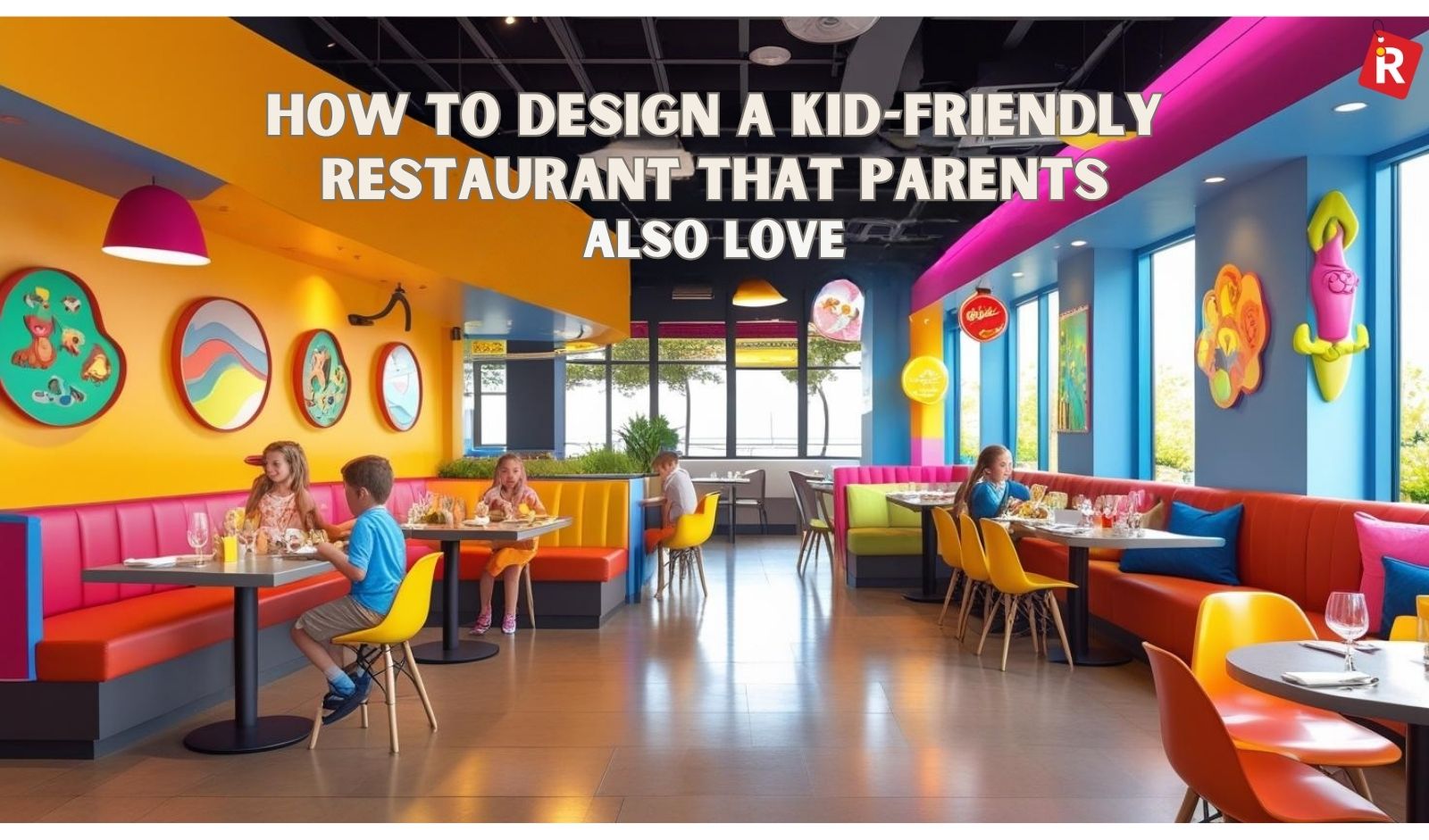
What are the two things kids like the most? We all know kids like tasty food and playing all the time the most. So, if you are thinking about opening a kid-friendly restaurant, then these are the two important factors you need to keep in mind. A kid-friendly restaurant will be visited mostly by families. And families make up a sizable and highly valued sector of the ever-evolving food environment of today. Most parents try to look for dining experiences that satisfy their kids' requirements without sacrificing their own wants for good food, a cozy setting, and some quiet time. The difficulty, though, is finding that fine balance between providing a sophisticated, pleasurable, and stress-free atmosphere for adults and a lively, stimulating space for active children.
Breaking this barrier for new restaurant owners involves more than just providing a kids' menu; it involves creating a whole experience, especially in busy family-friendly areas. A restaurant that is designed for both generations and is genuinely family-friendly can turn a stressful outing into a treasured memory, generating a great deal of repeat business and developing customer loyalty. In order to create a restaurant where children and their parents feel truly welcome and wish to return, this article will explore the fundamental design concepts and useful necessities.
Read more: Easy ways to attract more customers during slow nights
What the Kids and Parents Want
Before we look into the strategy to design a kid-friendly restaurant, we need to take a look at what both parties (kids and their parents) want. This will help us get a better understanding of how to design a kid-friendly restaurant that parents also love:
What the kids want:
- Fun Food Choices: Simple, well-known foods like fries, nuggets, pasta, or tiny pizzas make for enjoyable meal options.
- Exciting Presentation: Food that has an entertaining appearance, possibly in the form of imaginative shapes, vibrant colors, or unusual containers.
- Entertainment on Demand: On-demand entertainment options include coloring sheets, placemats with activities, tiny puzzles, or a special play space.
- Room to Move: Space between tables for wiggles or a safe, visible zone for active play.
- Comfortable, kid-sized seating: lots of booths, high chairs, and reclining seats for simple confinement.
- Easy-to-Use Utensils: Kid-friendly cutlery, sturdy, non-breakable plates, and cups.
- Clean & Accessible Restrooms: The restrooms should be clean and easily accessible, with changing tables and perhaps step stools for smaller users.
What the parents want:
For parents, enjoying a wonderful meal with their kids involves much more than just keeping them occupied. They're searching for an area that lets them eat in peace as well.
- Relaxed Atmosphere: A relaxed atmosphere lessens the stress and shame of parents by allowing small spills or some noise.
- Safety Assurance: Being aware that the space is kid-proofed with non-slip flooring, rounded corners, and sturdy high chairs.
- Cleanliness Is Important: Exceptional hygiene, particularly at the table and in restrooms, reflects overall excellence.
- Efficient service: Quick, attentive service that understands the pace needed when dining with children (e.g., bringing kids' meals out first).
- Comfortable Seating: Options include roomy tables and booths that are suitable for strollers and luggage.
- Adult-Friendly Menu: Good food and drink selections for adults, not just a concession for children.
- Well-considered restrooms: Possibly family restrooms for convenience, as well as tidy, fully stocked changing areas.
Know more: Sustainable Restaurant Practices That Attract More Customers in 2025
Key Design Elements for Kids and Approved by Parents
Here's how you can include thoughtful design features in your restaurants that appeal to both generations:
1. Thoughtful Seating Solutions for All Ages:
Variety is essential: Lots of sturdy, clean high chairs and booster seats should be available. Think about high chairs that are simple to stack and clean.
Embrace Booths and Banquettes: Families love them because they provide a safe environment for kids and make it more difficult for them to get lost.
Family-Sized Tables: Make sure you have enough tables that can easily seat families with strollers and additional luggage.
Strategic Spacing: To facilitate stroller mobility and avoid unintentional bumps, arrange your tables with plenty of room between them.
2. Engaging (and Monitored) Play Areas:
Designated Zone: Establish a play space that is easily recognizable and well-defined. This might be a corner with a big blackboard wall, a soft-play area for young children, or an activity panel installed on the wall for older children.
Supervision-Friendly: Play areas should be positioned in a way that allows parents to easily monitor their children from their tables.
Quality over Quantity: A play area that is small, well-stocked, and maintained is preferable to one that is huge, disorganized, or inadequately supervised. Age-appropriate books in a tiny reading nook can be a peaceful substitute.
Weather Specific: Consider an air-conditioned play area if your restaurant is in a hot or humid climate, where outside play could be uncomfortable during peak summer months.
3. Interactive & Subtly Themed Decor:
Visual Interest: Use paintings, large (but not overpowering) artwork, or even gently themed spaces that capture children's curiosity without offending adults. Consider a travel theme with attractive maps or an amusing forest theme with subdued colors.
Subtle Interactive Elements: Little hands can be occupied without making noise or mess by using magnetic activity boards or wall-mounted puzzles in waiting rooms.
Steer clear of excessive childishness: The design should be entertaining for children but elegant enough for adults. Cartoon characters aren't the only "restaurant theme ideas for families" that can be found.
Check out: How to Plate Food Like a Chef: 10 Secrets Only Pros Know
4. Strategic Noise Management:
Acoustic Solutions: Install sound-absorbing materials such as plush carpets in specific locations, fabric padding on chairs, and acoustic panels on walls or ceilings.
Zoning: Establish discrete zones if at all possible. For adults or families with older children, there should be a quieter dining room and a noisier, more relaxed "family zone" with access to the play area.
Background Music: Play background music at a volume that is both soft enough to facilitate easy conversation and loud enough to cover some crying and conversational noise. A well-designed restaurant's acoustics are crucial.
5. Thoughtful Restroom Facilities:
Basic Facilities: Any restaurant should have spotless, well-kept restrooms, but for families, the details are important. Make sure that both the male and female restrooms have hygienic, reliable baby changing stations (with disposable liners), or better yet, a special family restroom.
Kid-Friendly Access: If money permits, take into account step stools, low-height sinks, or even kid-sized toilets. For parents who are having a hard time with their toddlers, these little things make a big difference.
6. Kid-Friendly Tableware & Menu Presentation:
Fun and Durable: Give kids bowls, plates, and cups that are colorful, long-lasting, and non-breakable. Provide appropriate cutlery that is kid-sized and manageable by little hands.
Engaging Menus: Create a kid-friendly menu that is both aesthetically pleasing and possibly health-conscious. When people are seated, provide them with activity sheets and crayons as a standard offering. These tiny actions convey care and offer instant amusement.
7. Staff Training for Family Service Excellence:
Beyond Design: Outstanding execution is necessary for even the best designs. When dealing with families, teach your employees to be incredibly understanding, patient, and helpful. This includes helping with high chairs, receiving orders for children's meals first so they may be served on time, and paying attention to any spills or requirements.
Empathy and Speed: A server who shows genuine concern by promptly bringing a missing napkin or providing an additional set of crayons improves the whole family dining experience.
8. Welcoming Entrance & Waiting Area:
Accessibility: Make sure your entrance has stairs, open routes, or wheelchair- and stroller-friendly steps.
Comfortable Wait: Provide cozy seating in your waiting area if you expect long wait times. Impatient kids can be kept busy with a few quiet toys, a wall-mounted puzzle, or a tiny, entertaining feature like a fish tank.
What's new: Comparing Fast Food vs. Fine Dining: Which Is Right for Your Restaurant
9. Harmonious Lighting and Ambiance:
Warm & Inviting: Make sure the lighting in the room is warm and welcoming. Stay clear of harsh, institutional-feeling LED bulbs.
Dimmer Controls: Using dimmer switches, you may change the lighting throughout the day to create a more intimate, softer glow for dinner and a brighter, more lively atmosphere for lunch.
Zoned Lighting: By defining different parts with different lighting levels, a room can become more welcoming to all users.
10. "Parent-Approved" Touches: Subtle Sophistication for Adults:
Comfort Is Essential: Parents need comfort, and children need enjoyment. Ensure your adult seating is practical and attractive.
High-quality Offerings: Keep your adult menu and drink selections at a high level. Parents are looking for more than just a location to feed their children; they want a nice meal and a comfortable dining experience for themselves.
Cleanliness is Godliness: Parents greatly value the restaurant's impeccable cleanliness, which is reflected not only in the dining area but also, and particularly, in the restrooms.
Elegant Accents: To avoid making the restaurant seem like a glorified daycare center, use elegant components in your décor that appeal to adult tastes.
Read this: Savouring Stardom: What it Takes To be a Celebrity-Owned Restaurant
Conclusion
Creating a restaurant that appeals to both parents and kids is an excellent example of thoughtful hospitality design. It calls for a dedication to cleanliness, safety, and longevity, together with imaginative features that keep young children entertained and considerate additions that let adults unwind and enjoy their food. Families will love your restaurant if you invest in these multipurpose design strategies and back them up with first-rate, sympathetic service. This ensures your restaurant's long-term success by filling your tables and building a loyal customer base that will come back time and time again.
Mahak Sharma
Content Writer
Mahak Sharma is a passionate content writer with 2 years of experience crafting compelling content across various niches, tailoring her writing to suit different audiences and platforms. She is dedicated to producing engaging content for readers so that they can understand and enjoy the articles. Her strengths lie in crafting SEO-friendly, well-structured articles that drive visibility and engagement.



































































