
How to deal with Rude customers in a restaurant
When you work in a restaurant, you get to see many different types of customers. Not every customer is good and polite. Some of them can be rude or just difficult to deal with in a particular way. Dealing with such customers is an unavoidable task that happens in the fast-paced climate of restaurants.


When you work in a restaurant, you get to see many different types of customers. Not every customer is good and polite. Some of them can be rude or just difficult to deal with in a particular way. Dealing with such customers is an unavoidable task that happens in the fast-paced climate of restaurants. In Indian culture, where hospitality is deeply ingrained, competition between restaurants is already severe. So, effectively managing such issues is already a skill in itself. If a single public argument arises, it can swiftly become an atomic bomb to damage a restaurant’s reputation.
This article is intended for Indian restaurateurs, managers, and staff, providing a strategic, sympathetic, and practical approach for negotiating the complexity of difficult customers in a restaurant. By following these rules, you may turn a negative encounter into an opportunity to demonstrate professionalism, establish consumer loyalty, and defend your brand's reputation in the long run.
Read more: 9 Craft Alcohol Brands That Urban Indian Diners Can’t Get Enough Of
Why Indian Restaurants Need a Strategic Approach
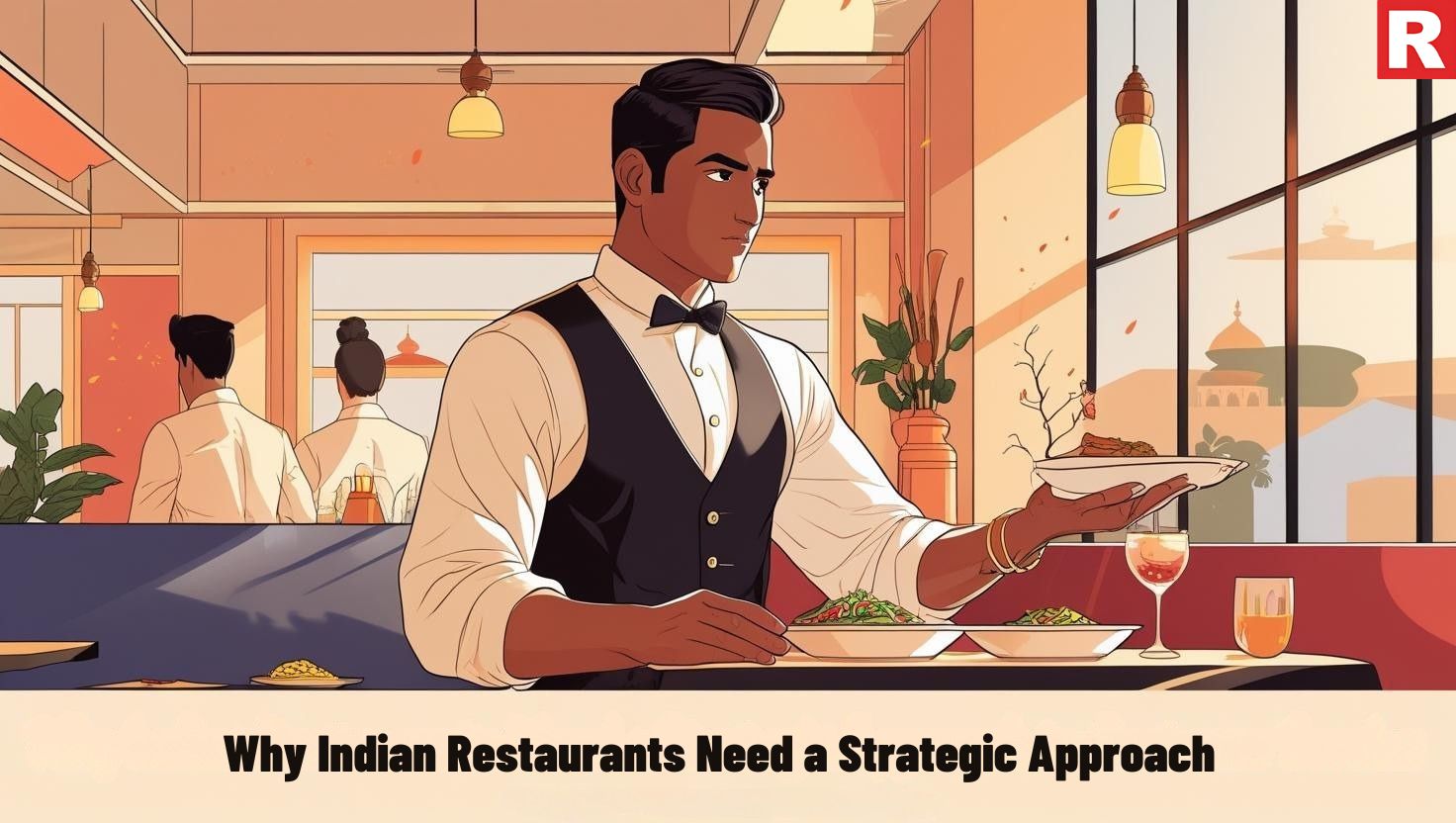
Handling difficult customers in India demands a more complex approach than a basic Western model due to the country's distinct social and cultural background.
- Reputation is Everything: In a competitive culinary world, a restaurant's reputation is its most important asset. Because of the massive impact of local word-of-mouth and community-based social media groups, a single negative experience can spread rapidly and widely. A strategic response is an active attempt to address this.
- The Importance of Social Proof: Indian diners frequently rely on recommendations from friends and family, making each consumer a potential brand ambassador for your restaurant. How you handle a complaint, whether in person or online, is a public advertisement for your principles and professionalism.
- Cultural Distinction: The Indian ideal of atithi devo bhava (the guest is God) establishes a high standard of hospitality. While this is a lovely principle, it also implies that customers have high expectations. Understanding these fundamental beliefs and handling complaints in a professional, diplomatic manner is critical for providing excellent customer service in restaurants.
- Preventing a Spiral: A well-managed complaint can de-escalate a situation before it spreads to review services such as Zomato or Google Reviews, where it can create long-term damage.
Read this: How Awards Can Drive Diners to Your Restaurant
Recognizing the "Difficult" Customer: Types and Triggers
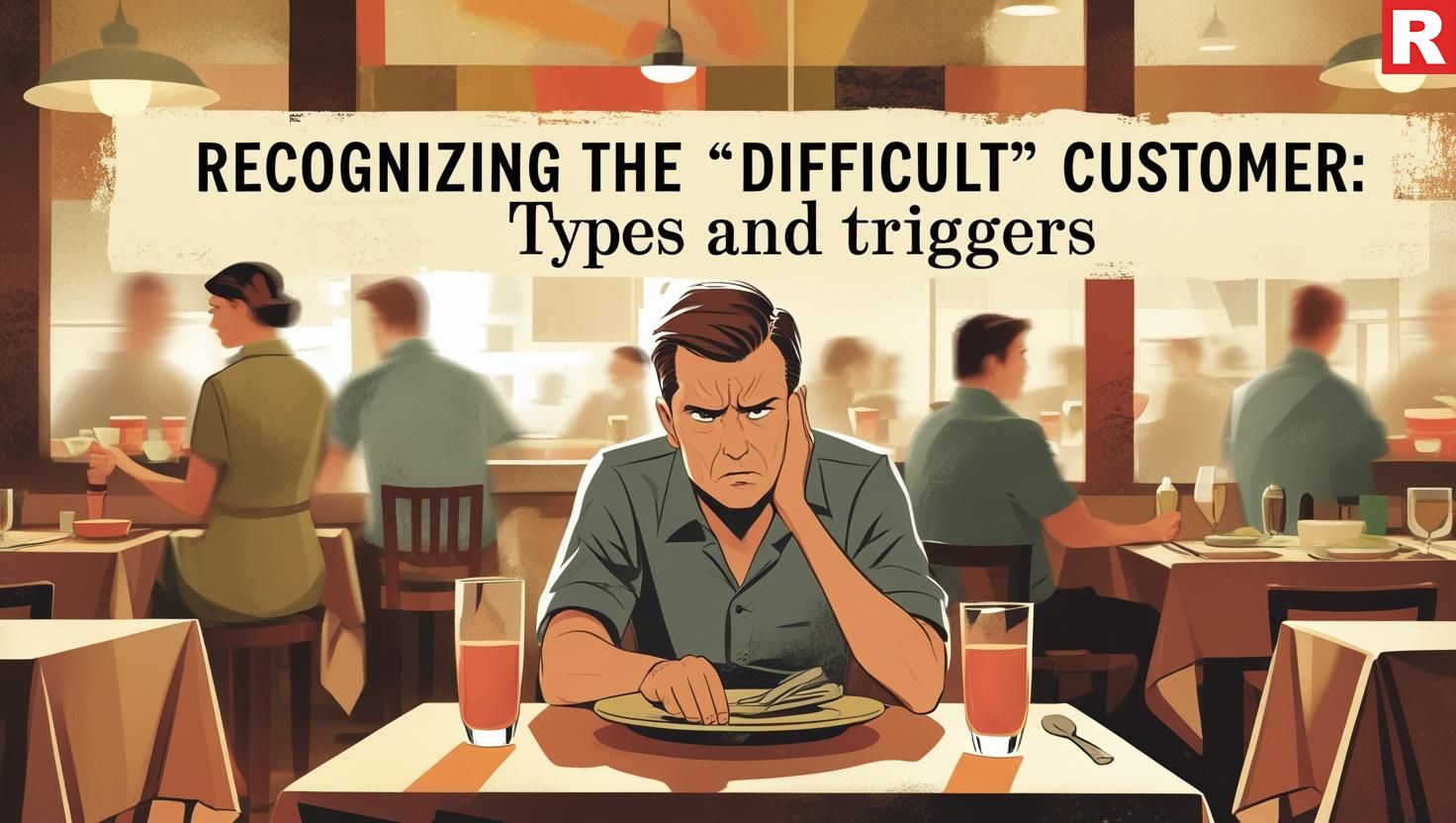
Not all difficult customers are alike. Recognizing the various sorts allows your staff to modify their strategy and react more effectively.
- The Disappointed Customer: This is the most common category. They came to your restaurant with high hopes, but something fell short, either the cuisine, the service, or the atmosphere. They basically want a solution to their problem.
- The Impatient Customer: This individual is frequently anxious and in a hurry. They are usually worried about excessive wait periods for their table, order, or bill.
- The Unjustifiably Angry Customer: This person could be having a rough day and is searching for a battle. They are not readily satisfied and may want a free lunch or a reward.
- The Overly Demanding Customer: They want extra customization, a large list of particular requests, or a degree of service that is unrealistic for your restaurant.
Common Triggers of Complaints:
- Long wait periods (for seats, ordering, or eating).
- Incorrect ordering or cold food.
- Billing errors or pricing disagreements.
- Service that is perceived as rude or neglectful.
- The food did not taste as expected
Know more: 7 Restaurant Trends That Didn't Last Long
A Step-by-Step Guide for Staff To Handle Difficult Customers
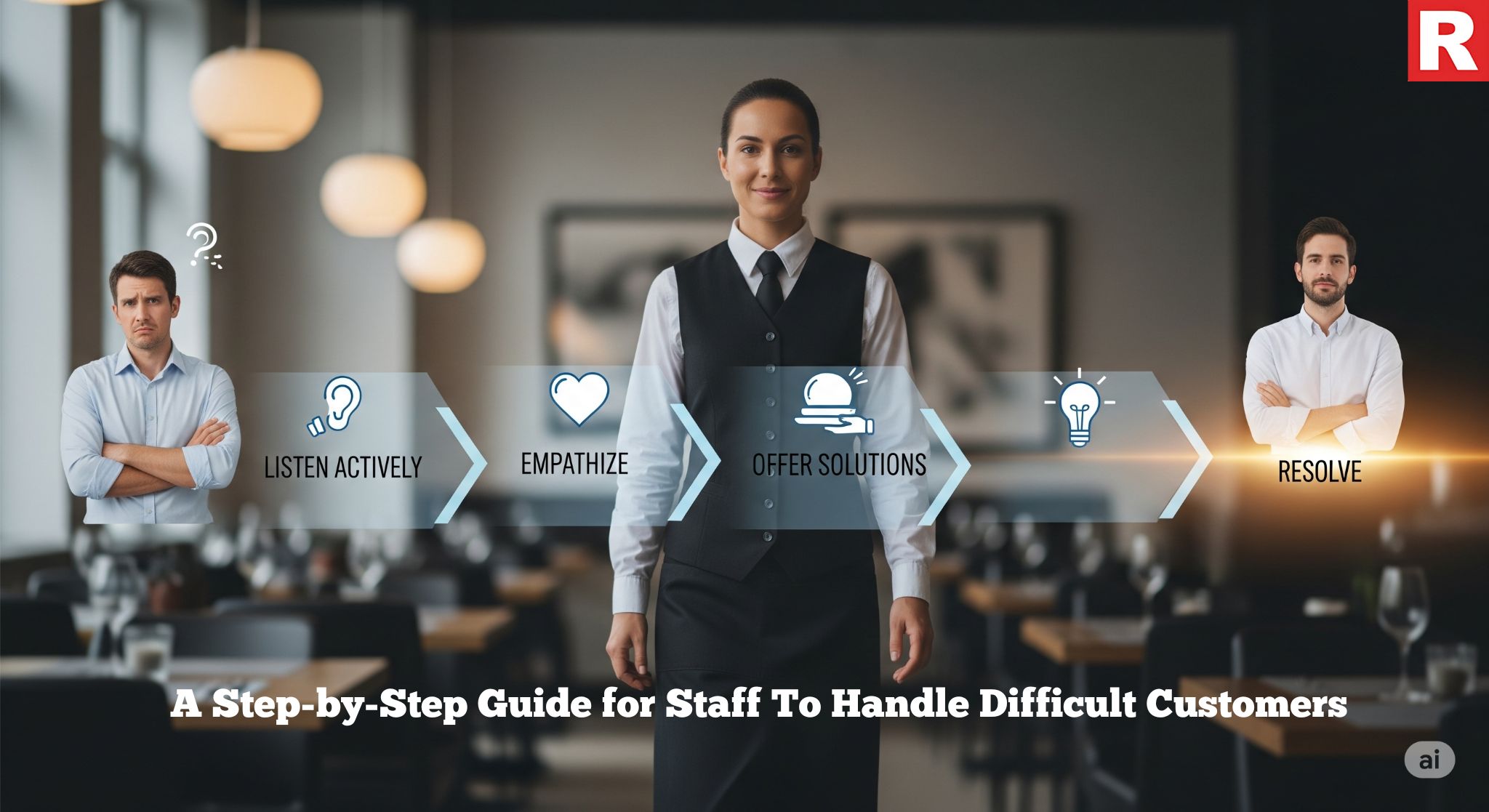
Dealing with difficult customers is a skill that can be trained in your staff. By providing your employees with a clear protocol, you can ensure consistent, professional responses each time.
Step 1: Stay Calm and Listen Actively
The initial few moments of a complaint are the most important. When a customer is upset, their main demand is to feel heard. Therefore, never interrupt the customer when they are telling their complaint. Allow the customer to fully express their frustrations. During this period, keep a relaxed demeanor. Your body language should be uncrossed arms, an open stance, and direct eye contact. It should indicate that you are listening. Take the complaint seriously. Even if the issue appears insignificant, it should be treated with respect.
Step 2: Acknowledge Their Feelings and Apologize
After listening, accept their feelings and apologize for the bad experience. This is an important method to calm down the difficult customer. Show empathy from your side. Use phrases like "I understand why you're upset" or "I'm sorry to hear that this happened." But make sure you are apologizing for the experience, not the mistake. If the situation is uncertain, you can say, "We sincerely apologize that your meal did not meet our expectations," without admitting guilt. This confirms their emotions without leading to a potential conflict.
Step 3: Isolate the Issue and Repeat it Back
This stage serves two purposes. Firstly, it demonstrates to the customer that you were actually listening, and it assists you in determining the specific problem to be solved. Then, clarify the scenario. Say, "Just to be sure I understand correctly, the food arrived cold, and you've been waiting for the bill for 15 minutes." Is that correct? This way, you can summarize the complaint properly. Get to the root of the problem. This keeps the talk from turning into an everyday complaint about everything.
What's new: How to Handle Negative Online Reviews of Your Restaurant
Step 4: Offer Solutions (Empower Your Staff)
Once the problem is identified, it is time to work on a solution. Empowering your employees to provide tiny, immediate solutions can frequently solve the problem on the spot. This way, the more senior employees do not need to step up every time a situation arises. Provide options to the customer. "I can have the dish remade for you immediately," or even "I'd be happy to offer you a fresh pot of tea on the house while you wait for the bill." Solve the problem quickly. For more complex or costly issues, a qualified employee should know when to politely offer, "Let me get my manager to handle this for you, or "I want to make sure we resolve this to your complete satisfaction."
Step 5: Take the Conversation Offline
If a customer is too loud or the situation becomes tense, it is preferable to keep the conversation out of public view so as not to disturb the other diners. Gently advise a change of place. Like “I'd like to discuss this with you in greater detail. Would you mind stepping over here for a moment?” Create a private channel for receiving online feedback. When you are replying to bad internet reviews, always include an email address or phone number for further discussion. This demonstrates transparency and a desire to handle the matter without a public debate.
Empowering Your Management and Staff

A restaurant's capacity to handle difficult guests is directly related to its restaurant staff training. This is not a naturally born skill; it must be learned and developed.
- Role-Playing Scenarios: Hold frequent training sessions in which employees can practice techniques for de-escalation in realistic scenarios. Include scenarios unique to your cuisine and target audience, such as a customer complaining about the spiciness of a meal or the legitimacy of a recipe.
- Emotional Intelligence: Teach employees to notice and comprehend their own emotional responses to stress, as well as the emotions of their customers. Recognizing that they are simply a messenger and not the source of the problem is critical.
- Clear Protocol: Create a clear protocol for when you should involve management in a situation. This ensures that employees are not overwhelmed and that managers are brought in at the appropriate time to provide effective assistance.
- Positive Reinforcement: Recognize and reward employees who manage challenging situations gracefully. This encourages positive behavior and fosters an environment of exceptional customer service.
Check out: The Rise of Vegan Restaurants: What It Means
6 Common Ingredients Used in South Indian Cuisines
Turning a Negative into a Win
A difficult customer, when handled correctly, is a hidden opportunity.
- Customer Care: Most of the consumers who complain and get their issue handled return to do business with the establishment. So, by resolving their issue, you can convert a critic into a committed supporter.
- Enhanced Brand Reputation: The way you address a complaint, particularly in a public forum such as a social media comment section, speaks volumes. A competent, empathic response may impress other potential diners reading the discussion.
- Valuable Feedback: Difficult customers frequently offer the most direct and unfiltered consumer feedback. This is a free consultation to identify what is wrong with your service, food, or business.
- Boosted Staff Confidence: Successfully settling a challenging issue can increase a team member's confidence, making them feel more capable and respected.
Conclusion
Dealing with tough customers is an essential skill in the active and competitive Indian restaurant sector, especially in an urban area. It's not just about avoiding conflict; it's also about developing a strong, customer-focused business. You can transform moments of impact into stepping stones for growth, turn unhappy diners into loyal customers, and ensure that your restaurant's reputation remains as flawless as its cuisine by cultivating an empathy culture, providing comprehensive restaurant staff training, and equipping your team with the right negotiation tools. Remember that every problem is an opportunity to demonstrate your commitment to excellence.
Mahak Sharma
Content Writer
Mahak Sharma is a passionate content writer with 2 years of experience crafting compelling content across various niches, tailoring her writing to suit different audiences and platforms. She is dedicated to producing engaging content for readers so that they can understand and enjoy the articles. Her strengths lie in crafting SEO-friendly, well-structured articles that drive visibility and engagement.



































































