
How to create a restaurant menu from scratch
The menu is unmistakably the heart and soul of any restaurant. It is considerably more than just a list of dishes; it is a precisely produced strategic document that captures your culinary vision, establishes your brand identity, directs your operational flow, and, most importantly, decides your profitability.

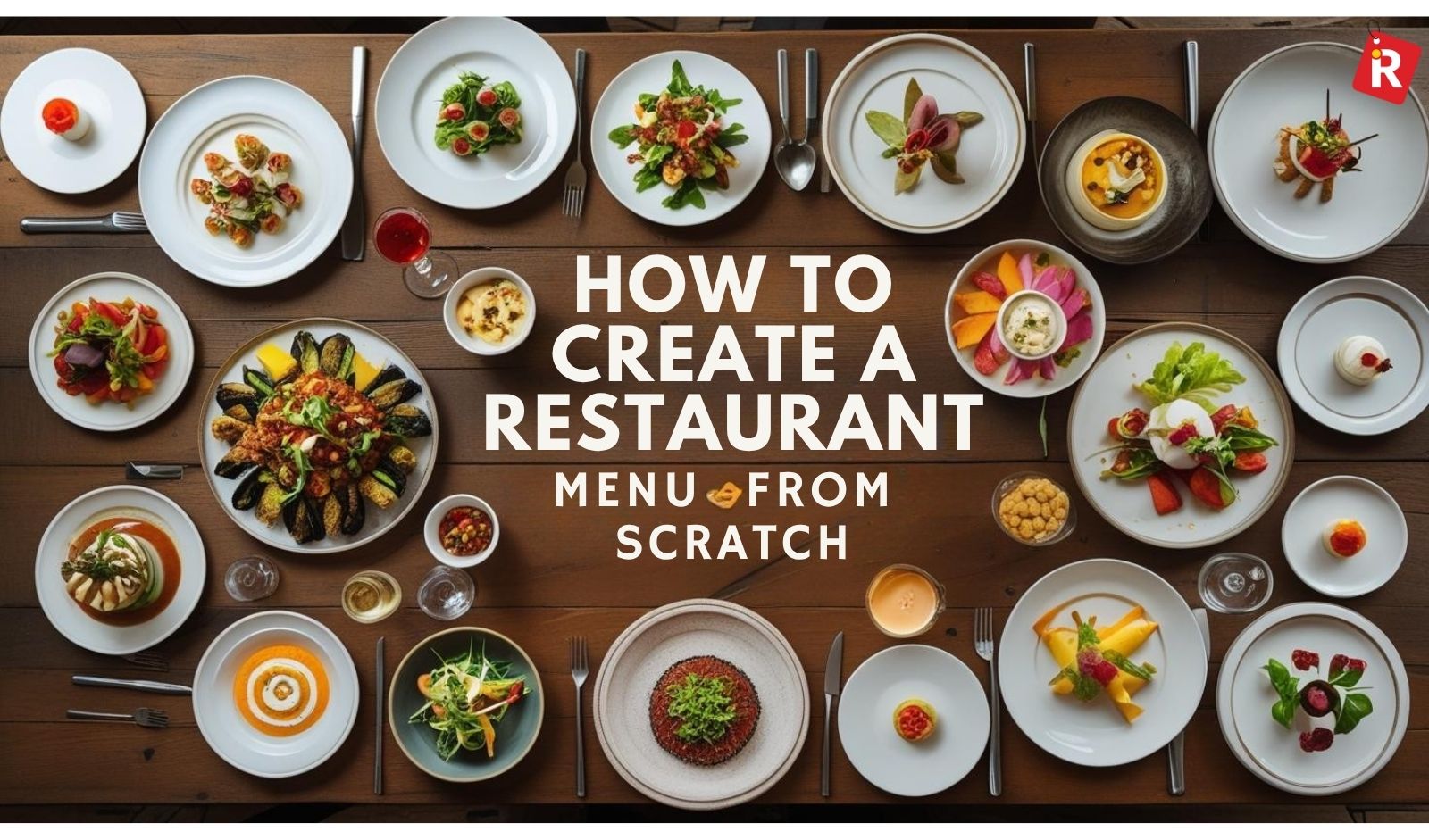
The menu is unmistakably the heart and soul of any restaurant. It is considerably more than just a list of dishes; it is a precisely produced strategic document that captures your culinary vision, establishes your brand identity, directs your operational flow, and, most importantly, decides your profitability. For aspiring restaurant owners, the task of creating a menu from scratch can be overwhelming. It necessitates a delicate balance of creative flair, keen market knowledge, accurate financial planning, and tireless operational practicality.
Whether you want to build a bustling quick-service restaurant, a pleasant casual dining location, or an elegant fine-dining establishment in a thriving city, a carefully crafted menu is the foundation of your success. This in-depth article will guide you through the procedures required to build a restaurant menu from the start, focusing on the strategic and culinary foundations that ensure both client satisfaction and strong business health.
Read more: Easy tips for saving money as a restaurant owner without sacrificing quality
Section 1: The Strategic Foundation—Vision, Market, and Resources
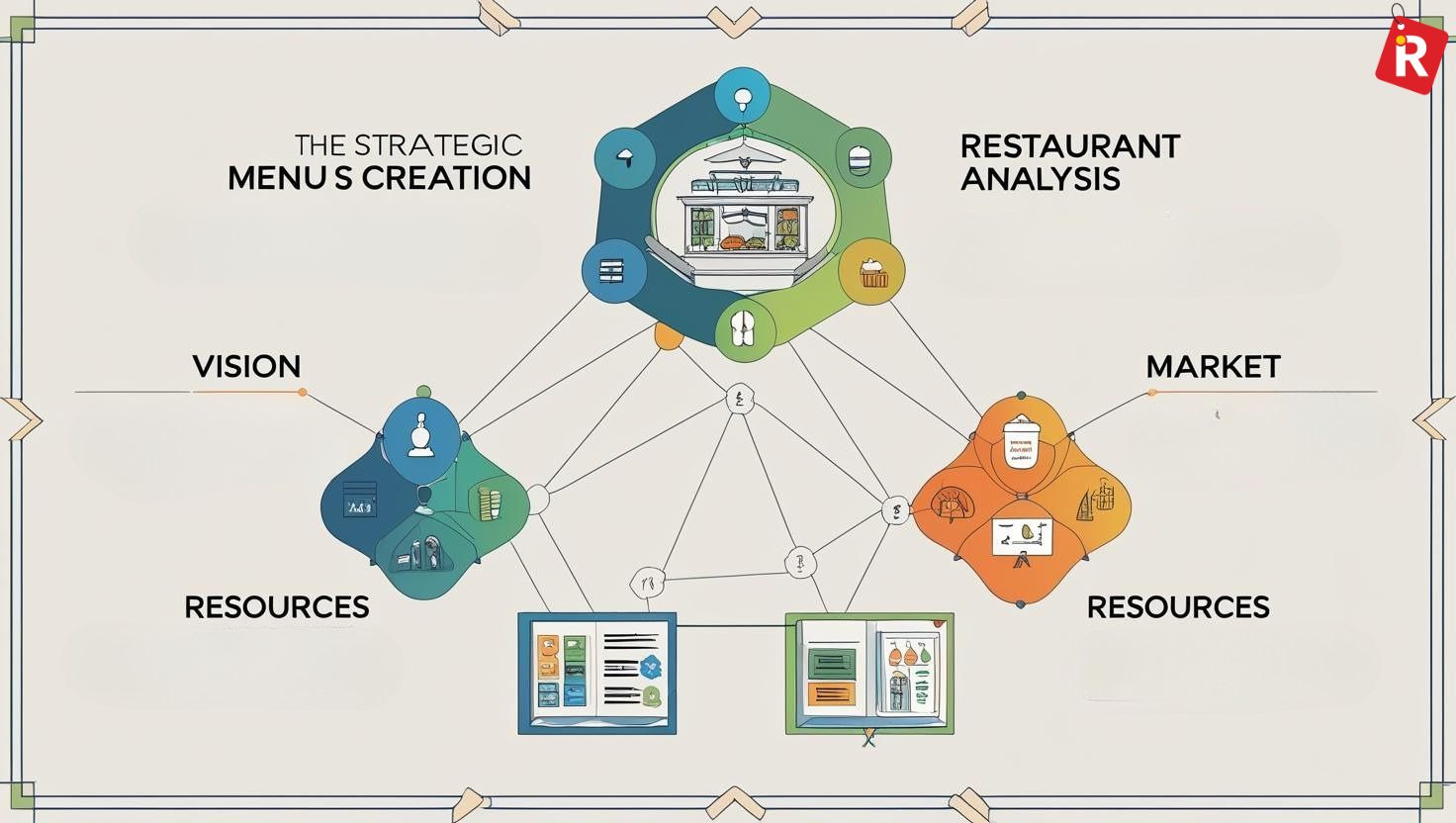
Before you even consider ingredients, you must first define your restaurant's goal and market position.
1. Define Your Restaurant Concept & Vision:
- Cuisine and Style: First, you need to decide what kind of cuisine you want to serve. What types of cuisine will you serve? Will it be true North Indian cuisine, a modern Indian bistro, traditional Italian fare, pan-Asian fusion, or something else different? What is the dining style: grab-and-go QSR, casual family restaurant, or premium dining experience? Consider the local palate in your area, whether it generally favors traditional Indian meals or also develops a penchant for cosmopolitan flavors.
- Unique selling proposition (USP): What distinguishes your restaurant from the other restaurants? Is it a secret family recipe passed down through generations? Are you committed to farm-to-table freshness? An unrivaled commitment to speed? Exceptional value for money? Your USP must be visible in your menu options.
- Target Audience: Who do you want to attract? Are you looking for large families, young professionals, students from local institutions, corporate executives, or a combination? Their preferences, disposable income, and dining habits will have a significant impact on your menu options, portion sizes, and pricing points.
- Desired Experience: Do you envision clients enjoying a short, efficient lunch, a leisurely social gathering, or an intimate and memorable dining experience?
What's new: How can a small restaurant double its customers in 6 months?
2. In-Depth Market Research & Competitor Analysis:
- Competitor Deep Dive: Visit competitor restaurants in your chosen area. What exact dishes do they offer? What are the prices for similar items? What are their best-selling items, and more crucially, what are their deficiencies (e.g., a lack of vegetarian alternatives, a terrible dessert menu, a small beverage selection)?
- Trend Identification: Look into current food trends, both national and local. Are health-conscious alternatives increasing in popularity? Is there a demand for certain regional Indian dishes or international comfort foods? Platforms like Zomato, Swiggy, and Google Maps reviews can provide vital information about local preferences and popular cuisine.
- Gap Analysis: Based on your findings, discover unmet demand or underdeveloped areas in your target market. Is a certain cuisine missing? A price point that is not being properly addressed? Is there an innovative dining experience that does not currently exist? This observed gap could be a tremendous opportunity.
3. Assess Your Strengths, Skills & Operational Capabilities:
- Chef's specializations: What are your head chef's particular specializations, signature dishes, or areas of cooking strength? Utilizing them can offer your cuisine a more authentic and high-quality feel.
- Ingredient Sourcing: What unique, high-quality, and cost-effective local ingredients can you consistently obtain in any surrounding agricultural regions? Prioritizing local produce can improve freshness and appeal, typically at a lower cost.
- Kitchen Capacity and Equipment: Can your kitchen layout and existing equipment (ovens, fryers, prep stations, refrigerators) handle the complexity and volume of the foods you want to prepare? Don't create a menu that requires specialized equipment or more kitchen space than you have.
- Staff Skills: Does your kitchen crew have the necessary abilities and training to consistently and efficiently prepare complex dishes, particularly during peak service hours?
Know more: How Microbreweries Are Redefining India’s Drinking Culture?
Section 2: The Culinary Core—Dish Development and Profitability
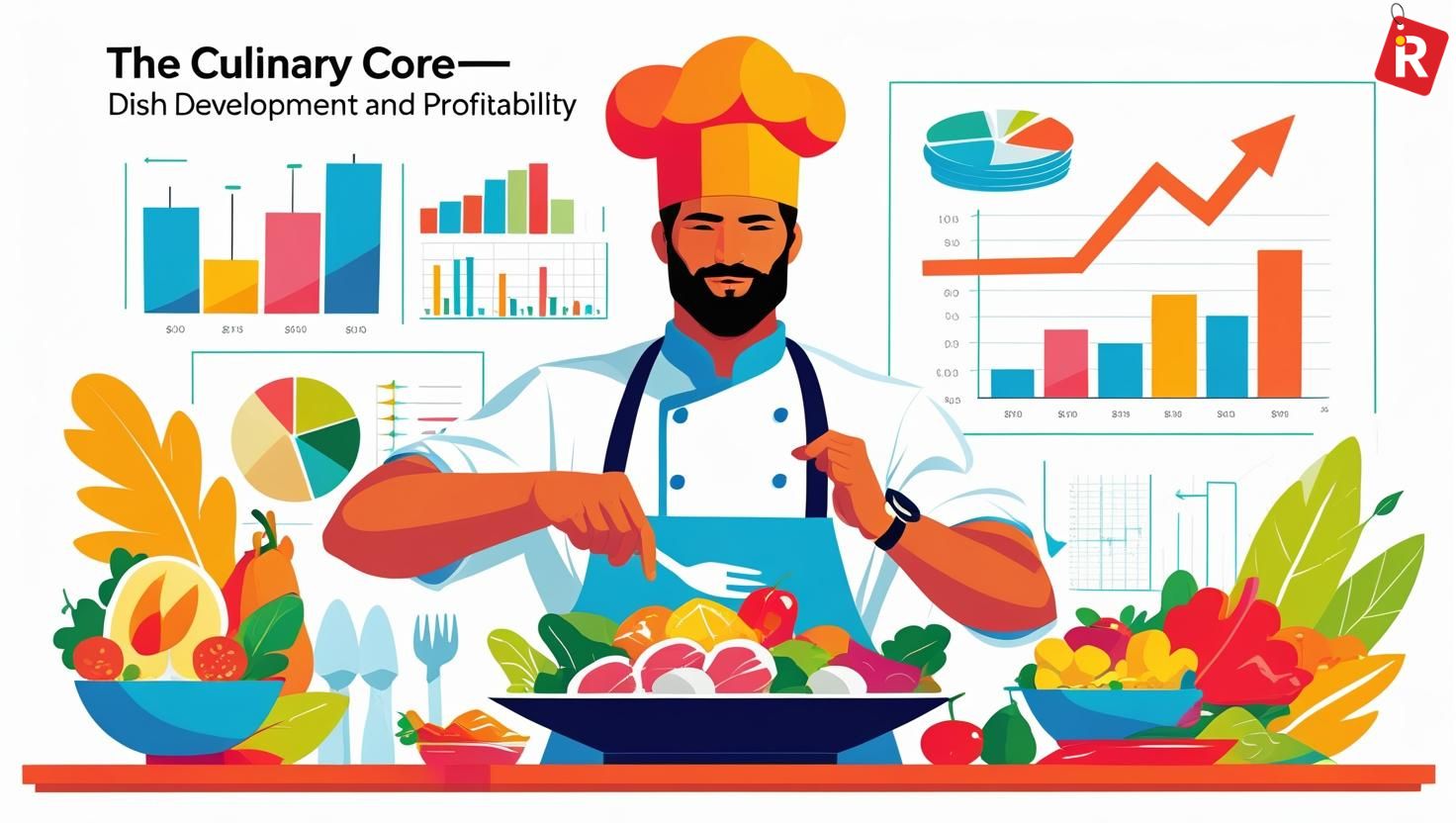
This is where your creative ideas become real and profitable dishes. This section discusses what services you provide and how you can make money.
1. Brainstorm & Curate Dish Ideas (The Creative Phase):
- Broad Ideas: Begin by identifying every possible food that fits with your restaurant's idea, vision, and market research findings. Don't censor thoughts at this point.
- Categorization: Divide these concepts into logical menu categories such as appetizers, soups, salads, main courses (subdivided by protein or cuisine type: vegetarian, chicken, mutton, seafood, pasta, etc.), sides, desserts, and a comprehensive beverage list (non-alcoholic and alcoholic).
- Variety and Balance: Aim for a menu with a wide range of flavors, textures, cooking methods (e.g., grilled, fried, baked, curried), and prices. Consider incorporating seasonal ingredients to increase freshness and allow for dynamic menu updates. Consider typical dietary restrictions (e.g., gluten-free, vegan alternatives) if your target audience requires them.
2. Rigorous Food Costing for Every Single Item:
- Exact Ingredient Cost: For each dish on your suggested menu, methodically calculate the exact cost of every component. This covers not only the primary ingredients but also garnishes, oils, spices, sauces, and even a portion of the cost of common products such as frying oil.
- Determine the target food cost percentage (FCP): Your FCP represents the cost of ingredients as a percentage of the dish's selling price. Typically, full-service restaurants aim for an FCP of 25-35%, although QSRs may seek lower. This proportion, when combined with your computed ingredient cost, will directly determine your selling price.
- Factor in waste and labor (indirectly): While it is more difficult to decide on an amount per dish, consider how much prep effort is required and the possibility of ingredient waste when calculating total profitability.
- Benefit: Ensures that each dish you sell contributes favorably to your desired profit margins, avoiding depleting your funds.
Check out: State of Coffee Prices in Indian Restaurants
3. Recipe Development, Testing, and Relentless Refinement:
- Standardized Recipes: Create accurate, step-by-step recipes for each food. These recipes must include precise measurements (weights are preferable to volumes), detailed instructions, and expected outputs. This maintains consistency no matter which chef prepares the dish.
- Multiple Blind Tastings: Conduct many blind tasting sessions. Include your chef, kitchen staff, front-of-house personnel, trusted friends, and even a small group of potential consumers. To avoid bias, do blind tastings. Collect candid, critical input on flavor, seasoning, texture, visual appeal, consistency, and "crave-ability."
- Iterative refinement: It includes not being afraid to start over. Refine recipes based on feedback until each dish regularly satisfies your quality criteria, fits your concept, and is visually appealing.
4. Operational Efficiency & Ingredient Management:
- Advance Prep: Can dish components be prepared in advance to save cooking times during busy hours? This is critical for ensuring speed and service quality.
- Kitchen Flow Analysis: Do your menus cause obstacles in the kitchen? Are there too many dishes that use the same piece of equipment at the same time? Design the menu so that it allows for a smooth process.
- Shared Ingredients: Make the best use of shared ingredients in various cuisines. This simplifies ordering, lowers inventory holding costs, decreases waste, and aids in negotiating better bulk prices from suppliers.
- Cook Time Management: Balance the cook times for different foods to avoid long client wait times, especially if you want a quick turnaround.
Section 3: Execution, Launch, and Continuous Evolution
1. Comprehensive Staff Training:
- In-Depth Knowledge: Instruct every server, bartender, and hostess on every menu item. They must understand ingredients, preparation methods, common allergens, and recommended pairings (food and beverage) and be able to confidently answer any client questions.
- Taste Sessions: Have your entire front-of-house personnel sample each dish on the menu. This enables them to genuinely recommend items, speak authentically about flavors, and answer questions based on personal experience, resulting in significantly improved customer service and increased sales.
2. The Grand Launch & Initial Performance Monitoring:
- POS System Analytics: Immediately after launch, make full use of your Point-of-Sale (POS) system's powerful analytics features. Track every single item's sales on a daily, weekly, and monthly basis. Which dishes are immediately popular? Which ones are hardly moving? What is your average check size per customer? This data is quite useful for making quick modifications.
- Initial Feedback: Pay special attention to early consumer feedback and informal employee observations.
Read this: Coffee Cocktail Drinks: 10 Must-Try Options to Follow in 2025
Brewing business over a cup of coffee
3. Gather Feedback & Iteratively Refine:
- Active Requests: Actively seek customer input via comment cards, brief QR code surveys, or direct talks with managers. Also, encourage your employees to share client observations.
- Data-Driven Decisions: Combine the qualitative customer feedback with the quantitative sales data. Use these insights to make ongoing, data-driven changes. Do not be hesitant to remove consistently unpopular goods, modify prices, or create new daily/weekly specials in response to shifting demand or ingredient seasonality. This adaptive menu management ensures that your offerings remain fresh, entertaining, and profitable.
Conclusion
Creating a restaurant menu from scratch is a complicated experience that goes beyond basic cooking skills. It's a strategic process that includes thorough market research, exact financial planning, innovative recipe development, and smart operational decisions. By devoting time and effort to each of these phases, you can create a menu that not only attracts consumers but also serves as the true engine of your restaurant's earnings and long-term success. Your menu is a live document, a masterwork that is constantly evolving and meant to keep consumers coming back for more.
Mahak Sharma
Content Writer
Mahak Sharma is a passionate content writer with 2 years of experience crafting compelling content across various niches, tailoring her writing to suit different audiences and platforms. She is dedicated to producing engaging content for readers so that they can understand and enjoy the articles. Her strengths lie in crafting SEO-friendly, well-structured articles that drive visibility and engagement.



































































