
How to Create a Restaurant Business Card
The business card given at the end of the customer’s dining experience is the last physical interaction you have with them. After that, your business card can become a big factor in creating regular customers or attracting new ones.

In the era of social media and digital marketing, a physical business card may seem like an outdated means of connecting with customers. This is different from reality, where we think that restaurant cards are just a phone number. If the restaurant card is designed properly, then it will not only invite past customers for future invitations, but it can also become a piece of your brand and an effective, affordable marketing tool. The business card given at the end of the customer’s dining experience is the last physical interaction you have with them. After that, your business card can become a big factor in creating regular customers or attracting new ones.
To design a business card that is both aesthetically beautiful and a marketing tool, we must have a proper plan. In this article, we will take you through a step-by-step guide that will help you with the entire process of designing a powerful business card. From completing its goal to perfecting the art of design and using it to its fullest potential for marketing.
Read more: Capturing the Craze: How Celebrity Restaurants are Winning the Game
The Qualities of A Physical Business Card
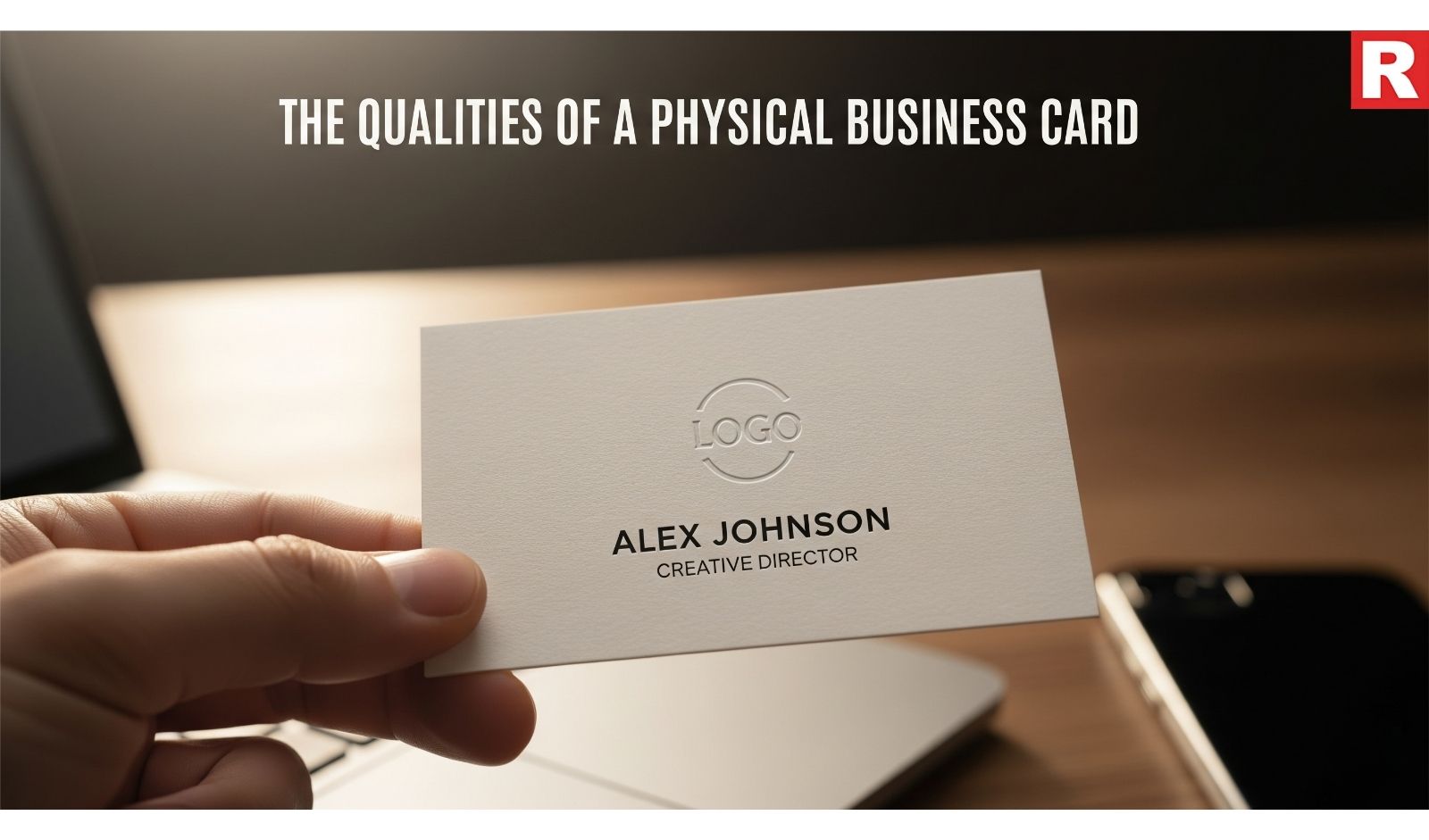
Even if your restaurant has a strong online presence, it still needs to have a physical card. This provides a direct connection that digital interactions cannot recreate.
- A Tangible Reminder: A physical card, whether it is in a customer’s wallet or on a kitchen counter, will subtly remind them of your restaurant. Unlike an email that can get lost in an inbox, it serves as a reminder for a future visit or order.
- Networking and B2B Relationships: Your restaurant is not just an establishment to sell food to customers. It is an entity in itself and a proper business model. So you, as the owner, need a physical card that can properly represent your business to food suppliers, local event planners, or other business owners. A high-quality card conveys seriousness and professionalism.
- Customer Loyalty: A business card can serve dual purposes by serving as a loyalty card for the customer. This offers clients a reason to remain involved with it and promotes repeat business.
- Offline Marketing: To draw in prospective customers who might not be looking for you online, leave your business cards at neighborhood businesses, community centers, or hotels.
The Essential Elements of a Great Restaurant Business Card
A business card needs to be concise, clear, and packed with all the important details. The following should always be included:
- Restaurant Name and Logo: The most important component is the restaurant's name and logo. Your brand's visual identity is represented by your logo, which should be clearly visible on the card.
- Contact Details: This includes your email address, phone number, and website URL. Make it simple for clients to contact you.
- Physical Address: An in-person restaurant's address cannot be negotiated. Clients must be able to locate you.
- Social Media Handles: Provide a list of your primary social media accounts, including Facebook and Instagram. This turns a one-time diner into a devoted social media follower.
- A Catchy Slogan or Tagline: There should be short, memorable phrases that can effectively convey the vibe of your brand and help people remember the card.
Know more: 5 Delicious Sago Desserts to Enjoy This Monsoon
Branding and Aesthetics to Create an Impact
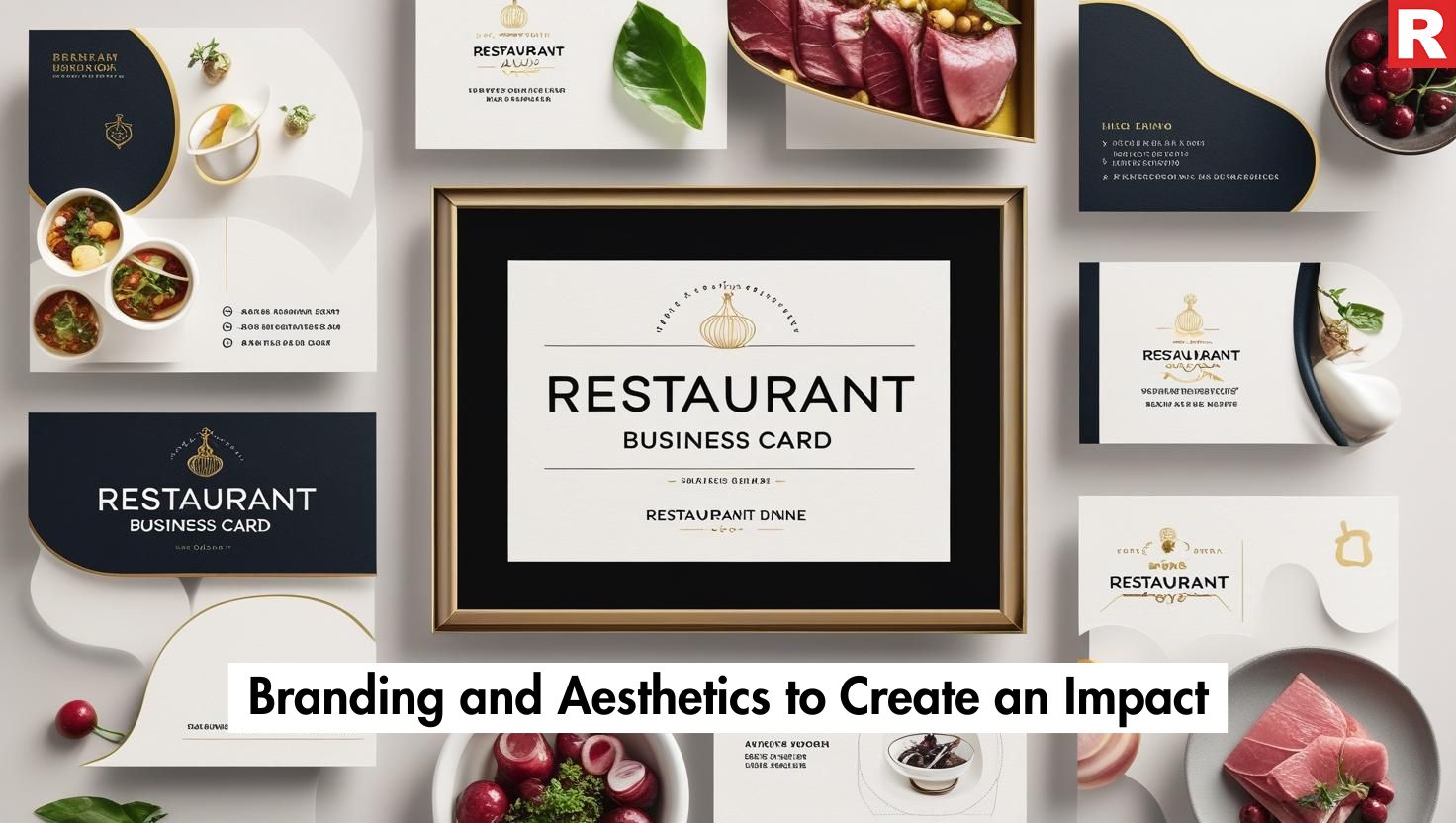
A business card is a small billboard for your restaurant, so the design must be flawless.
- Brand Consistency: Your restaurant's brand identity should be reflected in the design of your business cards. Make use of the same color scheme, font styles, and general design as your menu, website, and interior design. This produces a unified and polished image.
- Typography & Readability: Select fonts that are both aesthetically pleasing and simple to read. Stay clear of eye-straining small or excessively fancy fonts. Whether it's a quirky, handwritten font for a casual cafe or a traditional serif for a fine-dining business, the font should represent the personality of your restaurant.
- The Power of Color: Color creates mood and stirs up moods. While earthy tones could suggest a farm-to-table or organic theme, a strong red might suggest passion and energy for an Indian restaurant.
- White space and layout: A cluttered card is hard to read and appears unprofessional. To allow your important content to breathe, make good use of white space. For further information or a loyalty offer, the reverse of the card is a great location.
- Paper Quality and Finish: A business card's physical feeling says a lot about your company. Don't cut corners on this. A thick, premium paper material has a strong, lavish feel. Think about a glossy coating to bring out the colors or a matte finish for a timeless, elegant appearance. A brand's dedication to sustainability or a rustic feel can also be communicated through textured or recycled paper.
- Unique Shapes and Die-Cuts: A unique method to stand out is with a card shaped like a coffee bean, a pizza slice, or a chef's cap. A personalized die-cut card is much more memorable, but it costs more.
What's new: Marketing The Gen Z Way For Your Restaurant
A Step-by-Step Guide to Creating Your Card
- Collect Your Brand Assets: Make sure you have all of your branding resources ready before you begin developing. This contains the names of your brand fonts, the hex codes for your brand colors, and a high-resolution copy of your logo.
- Select Your Design Tool: There are several choices available to you.
- Canva and other online platforms are excellent for beginners. You can modify thousands of their editable templates to fit your brand.
- Professional software, such as Adobe Illustrator, provides the greatest creative freedom and is reserved for seasoned designers.
- If you have the funds, hiring a freelance designer is your best bet. A skilled designer can create a unique, improved card that precisely captures your brand.
- Draft Your Content and Layout: Create a draft of your layout and content by drawing the design you want on the card's front and back. Put the most crucial information on the front and make use of the back for social media handles, a QR code, or a loyalty reward.
- Review and Proofread: This is an important step. A single error can give the impression that your business is not professional. Verify all addresses, phone numbers, and spelling one last time. Before sending it to print, get a second and third opinion.
- Pick a Printer and Paper Supply: Look at nearby and online printers. While local printers can offer a more personalized touch and let you physically feel the paper type before making a decision, online firms can offer lower pricing. Request samples and discuss various finishes.
Common Mistakes to Avoid
- Cluttering the Card: When too much information is crammed onto a little card, it loses its readability and serves no useful purpose. Sometimes negative space can be useful, and it can make the card look prettier.
- Illegible Fonts: Customers become frustrated when they see fonts that are too small, thin, or overly stylized.
- Low-Resolution Images: A logo that is pixelated or fuzzy appears amateurish and unprofessional. A high-resolution vector file should always be used.
- Ignoring the Back: Your card's back is a precious piece of space. Don't leave it empty; use it for your social media accounts, a QR code, or a loyalty program.
- Faint Paper Stock: A cheap, flimsy card can give the wrong impression and feel fragile. Durability and quality are represented by a thicker, sturdier paper type.
Check out: Top 20 Trendy Whiskeys You Must Try Once
Your Guide to Influencer Marketing in Restaurants
Using Your Business Card to Promote Your Brand
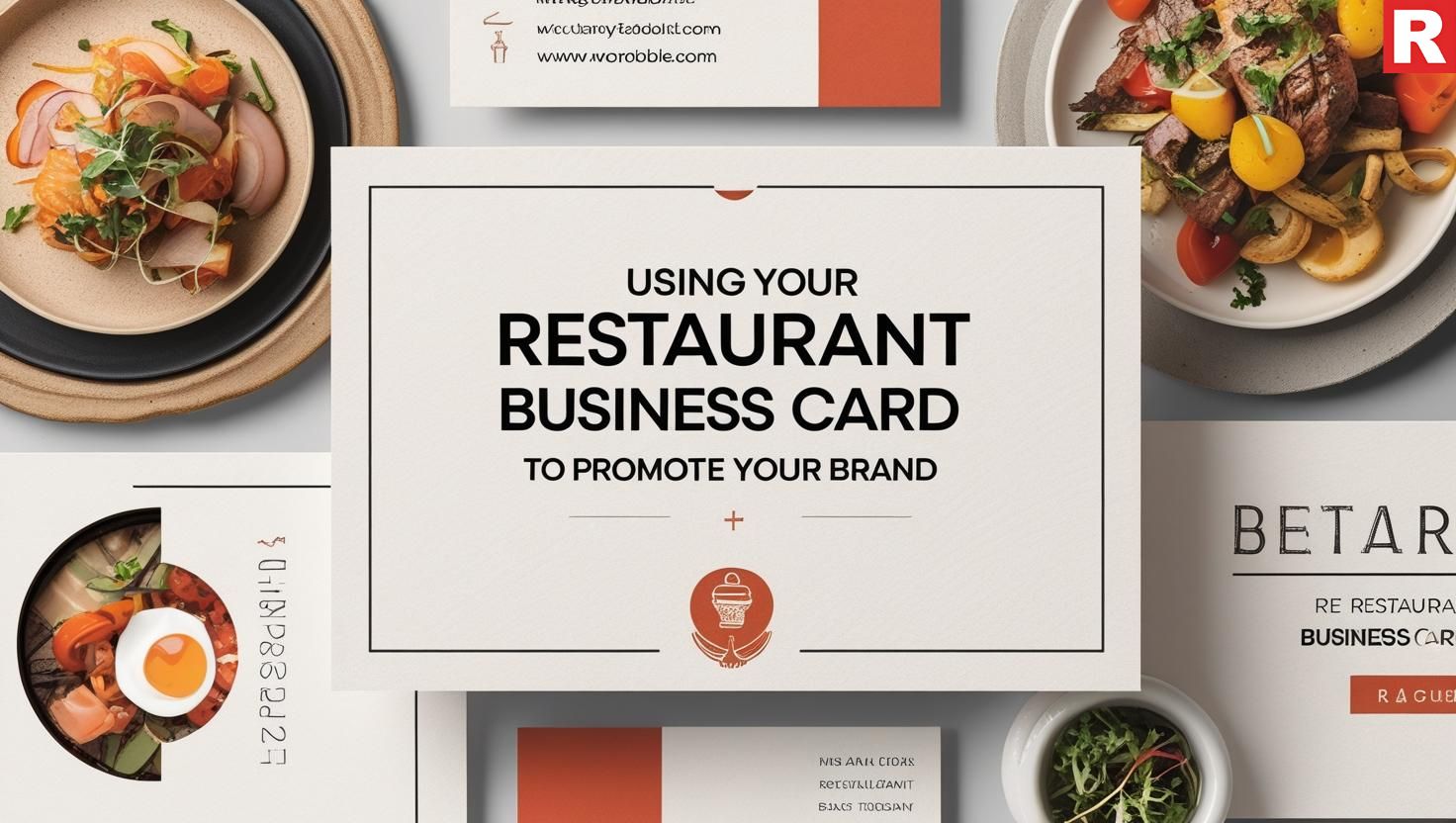
There is much more to a business card than merely a contact card. Here are some clever strategies to make the most of it as a marketing tool:
- The Loyalty Punch Card: This is a traditional and successful strategy. A basic pattern of a punch-hole stamp can be created on the back of the card. After a predetermined number of visits, customers can receive a complimentary item, such as coffee or a starter. It's a low-cost method of measuring customer engagement and promoting repeat business.
- The Mini-Menu Card: Highlight a specialty dish, daily special, or new seasonal item on the back of your business card. This acts as a mouthwatering reminder and invites the customers to visit and sample the meal.
- The Revolution of QR Codes: A QR code serves as a strong link between your online image and your physical card. It can be scanned to:
- Provide a direct link to your reservation system online.
- Redirect clients to your online menu.
- Direct them to your website's special offer page.
- Encourage them to become your social media followers.
- Allow them to post a review on Zomato or Google.
- Connect them to your Wi-Fi password.
Read this: 10 Facts You Should Know About Frozen Desserts
Conclusion
By no means is the restaurant business card a thing of the past. It is a strong, affordable tool that can strengthen your brand, increase your customer base, and close the gap between your online and offline presence when used carefully and properly. You may make a business card that not only reflects your restaurant but also leaves a lasting impression by emphasizing a clear message, premium materials, and a clean design. In a market that is highly competitive, a tiny investment can provide significant returns.
Mahak Sharma
Content Writer
Mahak Sharma is a passionate content writer with 2 years of experience crafting compelling content across various niches, tailoring her writing to suit different audiences and platforms. She is dedicated to producing engaging content for readers so that they can understand and enjoy the articles. Her strengths lie in crafting SEO-friendly, well-structured articles that drive visibility and engagement.



































































