How Taglines and Slogans Affect Your Restaurant Business
A well-written slogan is more than simply a catchphrase; it is a potent marketing tool that can convey a brand's unique selling proposition, capture its essence, and establish an emotional bond with its target audience. In a bustling market, new businesses are always competing for customers' attention, and a catchy tagline can make the difference between a restaurant's success and failure.

Every little detail counts in the fast-paced, cutthroat restaurant industry. Every component, from the well-chosen menu and welcoming atmosphere to the level of service, influences a diner's experience and, eventually, whether or not they choose to return. However, a restaurant's identity and success can be greatly impacted by a single, often-overlooked detail: the tagline or motto. A well-written slogan is more than simply a catchphrase; it is a potent marketing tool that can convey a brand's unique selling proposition, capture its essence, and establish an emotional bond with its target audience. In a bustling market, new businesses are always competing for customers' attention, and a catchy tagline can make the difference between a restaurant's success and failure.
This article will explore the strategic significance of restaurant taglines and slogans. We will examine the psychological effects they have on customers, present an overview for creating the ideal slogan, examine effective examples, and provide helpful suggestions for incorporating this effective technique into your restaurant's marketing plan.
Read more: 10 Ways the Restaurant Industry Impacted the Lifestyle of Indians
The Psychology of Slogans On Customers
An effective tagline automatically builds the brand of your restaurant in the minds of prospective customers. It acts as a mental shortcut, assisting customers in quickly remembering your brand and connecting it to a certain emotion or concept.
- Recall and Memory: Our brains are designed to store brief, memorable sentences. A short and witty tagline is far easier to remember than a lengthy restaurant description. Your tagline may be the secret to making sure that when a hungry customer is deciding where to dine, they think of your restaurant first. Consider the catchphrase of a well-known international chain: "I'm lovin' it." It's a straightforward statement that immediately conjures up feelings of contentment and joy, creating a powerful brand association.
- Emotional Connection: A strong slogan can awaken feelings of luxury, happiness, comfort, or nostalgia. A restaurant with the tagline "Your table, your story," for instance, implies a setting for private discussions and special occasions, forging a closer, more intimate bond with the business at hand. It conveys to the customer that the restaurant serves as a location for important life events in addition to being a place to dine.
- Trust and Authenticity: Trust is increased when a restaurant's motto precisely reflects its principles and offers. A restaurant's tagline strengthens its authenticity and establishes its reputation if it says it serves "The taste of home," and its food lives up to the promise. It lets the customer know what to anticipate from the experience.
The Blueprint for a Perfect Restaurant Slogan
Creating a catchy phrase is a skill that calls for careful consideration. It ought to combine brand intelligence, innovation, and clarity.
- Keep It Brief and Memorable: Try to use a phrase that is brief enough to be repeated and recognized with ease. Generally speaking, it should not exceed ten words. "Eat fresh" is a great example because it's brief, direct, and simple to remember.
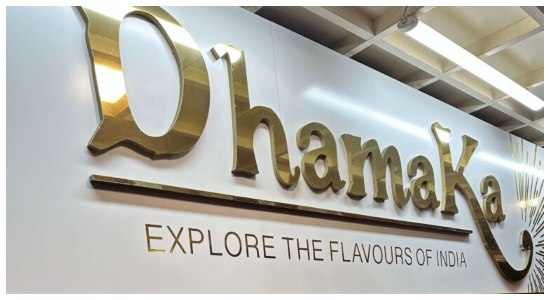
- Emphasize your USP, or unique selling proposition: Why is your restaurant unique? Is it your farm-to-table foods, your innovative cuisine, your atmosphere, or your reasonable costs? This is what your slogan should convey. A restaurant that serves traditional Maharashtrian food, for instance, might employ a slogan like "The authentic taste of Maharashtra," which would instantly inform customers of its unique selling point.
- Speak to Your Target Audience: A fine-dining restaurant's motto should sound different from a family-friendly cafe's. The target audience should find resonance in the words you use. An elegant restaurant might have a tagline like "An unforgettable culinary journey," yet a cafe might have a more casual and friendly one like "Your daily dose of delicious."
- Evoke an Emotion or a Benefit: Explain how you make the customer feel rather than merely what you do. It is more expressive to say "Where happiness is served daily" than "We serve good food." Pay attention to the customer's advantage. "Fast food, without the guilt" shows that the restaurant offers a nutritious substitute.
Know more: How to Reduce Food Wastage in Your Restaurant
Taglines vs. Slogans: A Subtle Difference
Despite the fact that the terms are frequently used identically, there is a little but significant distinction that might guide your marketing approach.
Slogan
A short, catchy phrase frequently utilized in marketing campaigns. It can be modified for various promotions or campaigns. For a summer promotion, a restaurant might use the phrase "Cool off with our new shakes."
Tagline
A more permanent statement that establishes the identity of the brand. It is utilized regularly in all marketing materials and is ingrained in the brand's DNA. In the case of a restaurant, this is the key phrase that customers will remember for years to come. Consider a slogan such as "Pizza & Pasta perfection."
The majority of restaurateurs should concentrate on developing a catchy, enduring tagline that can serve as a vital element of their brand identity.
What's new: How to Embrace International Flavors in an Indian Restaurant
Analyzing Tagline Types: What Works for You?
There are many kinds of slogans and taglines, each with a different function. The brand identity and marketing goals of your business will determine which style is best.
- Descriptive taglines: These briefly state the services or products your restaurant provides. For startups or companies with a very particular niche, they are simple and tremendously successful. For instance, "The Finest Italian Cuisine" and "Authentic Seafood from the Coast." They eliminate any uncertainty for the client.
- Benefit-oriented taglines: These emphasize the feeling or value that the customer will experience. They are effective because they market the experience rather than just the item. The phrases "Where every meal is a celebration" and "Bringing families together since 1999" strike a deeper, more intimate connection.
- Funny or lighthearted taglines: These are effective for brands that are informal, quirky, or target young people. A memorable and approachable brand can be created with a catchy or humorous slogan. Consider a slogan such as "We're not fast food, we're real food" for a health-conscious cafe or "So good, it's criminal" for a dessert shop.
- Inspirational Taglines: These seek to relate to the ideals or goals of the target audience. They are frequently employed by businesses whose goals go beyond simply providing food. A socially concerned audience would find phrases like "Crafting a better world, one cup at a time" or "Sourced with purpose, served with passion" appealing.
Check out: How to Find Good Staff for Your Restaurant
How unique concepts have become a major hit among investors?
A Slogan's Impact Across Marketing Channels
An excellent tagline is a flexible tool that may be used in any aspect of marketing for your restaurant.
- Online Presence and Social Media: The homepage of your website, the bios of your social media accounts, and your online ads should all prominently display your motto. It draws in the correct audience and supports the message of your business.
- Print & Outdoor Advertising: With limited room to convey your message, a well-written tagline is crucial for print advertisements, brochures, and billboards. Someone walking by is more likely to remember a memorable phrase than a lengthy text passage.
- Inside-Restaurant Experience: Your phrase should be displayed on menus, coasters, napkins, or the walls of your restaurant. Customers' association with your brand is strengthened as a result of this, which reinforces the brand message while they are eating.
- Branded Products: Your phrase can be used to brand merchandise like coffee mugs and t-shirts, transforming customers into walking billboards for your restaurant.
Read this: Understanding Joint Ownership in the Restaurant Industry
Practical Steps to Crafting Your Tagline
Create a tagline that appeals to both your audience and your brand by following these easy steps.
- Brainstorming: Get your staff together, including managers, cooks, and even frequent customers, and come up with a list of words and phrases that best characterize your restaurant. Consider your fundamental values, your special dishes, and the emotion you wish to create.
- Describe Your Unique Selling Point: Clearly state what makes you different from your rivals. Are you an expert in a certain cuisine? Do you provide an unforgettable eating experience? Is your customer service very welcoming? Your motto is built around your USP.
- Draft and Test: Write down several different slogans. Say them aloud to test them. Are they easy to pronounce? Are they simple to recall? Get feedback from a few people you can trust after sharing them with them. Do they understand what you're attempting to say?
- Repeat and Finalize: Adjust your catchphrases according to the feedback. Select the one that most effectively conveys the core of your brand and appeals to your target market.
- Seek Expert Assistance: If you are having trouble coming up with the ideal phrase, think about working with a marketing firm or professional copywriter. They are skilled in turning the vision of your brand into a catchy phrase.
Conclusion
Customers have countless eating options, and a slogan or tagline is what differentiates them. It is the initial message that catches a customer's interest and the last one that stays with them. A strong slogan may convey the overall message of your business, establish credibility, and create an enduring emotional bond with your target audience. Putting time and effort into creating the ideal tagline is not just an advertising scheme for restaurateurs. It's a calculated move that lays the groundwork for long-term success. They are the few phrases that best capture your restaurant's essence, acting as both an icon that attracts customers and a treasured memory that keeps them coming back.
Mahak Sharma
Content Writer
Mahak Sharma is a passionate content writer with 2 years of experience crafting compelling content across various niches, tailoring her writing to suit different audiences and platforms. She is dedicated to producing engaging content for readers so that they can understand and enjoy the articles. Her strengths lie in crafting SEO-friendly, well-structured articles that drive visibility and engagement.