
How "Swicy" Dishes Can Transform Your Restaurant's Menu
In the ever-changing culinary world, staying ahead of other restaurants requires not just mastering traditional flavors but also embracing new and emerging dishes and adding them to your menu. According to recent trend reports, one such global phenomenon likely to dominate menus in 2025 is the tempting combination of sweet and spicy, fittingly named "swicy."


In the ever-changing culinary world, staying ahead of other restaurants requires not just mastering traditional flavors but also embracing new and emerging dishes and adding them to your menu. According to recent trend reports, one such global phenomenon likely to dominate menus in 2025 is the tempting combination of sweet and spicy, fittingly named "swicy." This powerful and complex flavor combination appeals to adventurous customers seeking an exciting and profound culinary experience that goes beyond the simple sweetness or spiciness.
While "spicy" elements may be present in some Indian dishes, a thoughtful and planned approach to this trend provides a significant opportunity for restaurants across India, from bustling Quick Service Restaurants (QSRs) to upscale fine-dining establishments in metropolitan cities, to update their menus, attract a larger audience, and establish themselves as flavor innovators. This article will dive into the "swicy" trend, examine its possibilities in the Indian context, present concrete menu fusion techniques, and highlight the compelling reasons why Indian restaurants should embrace this exciting flavor rush.
Read more: 8 Game-Changing Strategies to Expand Your Restaurant Brand
Understanding the "Swicy" Sensation
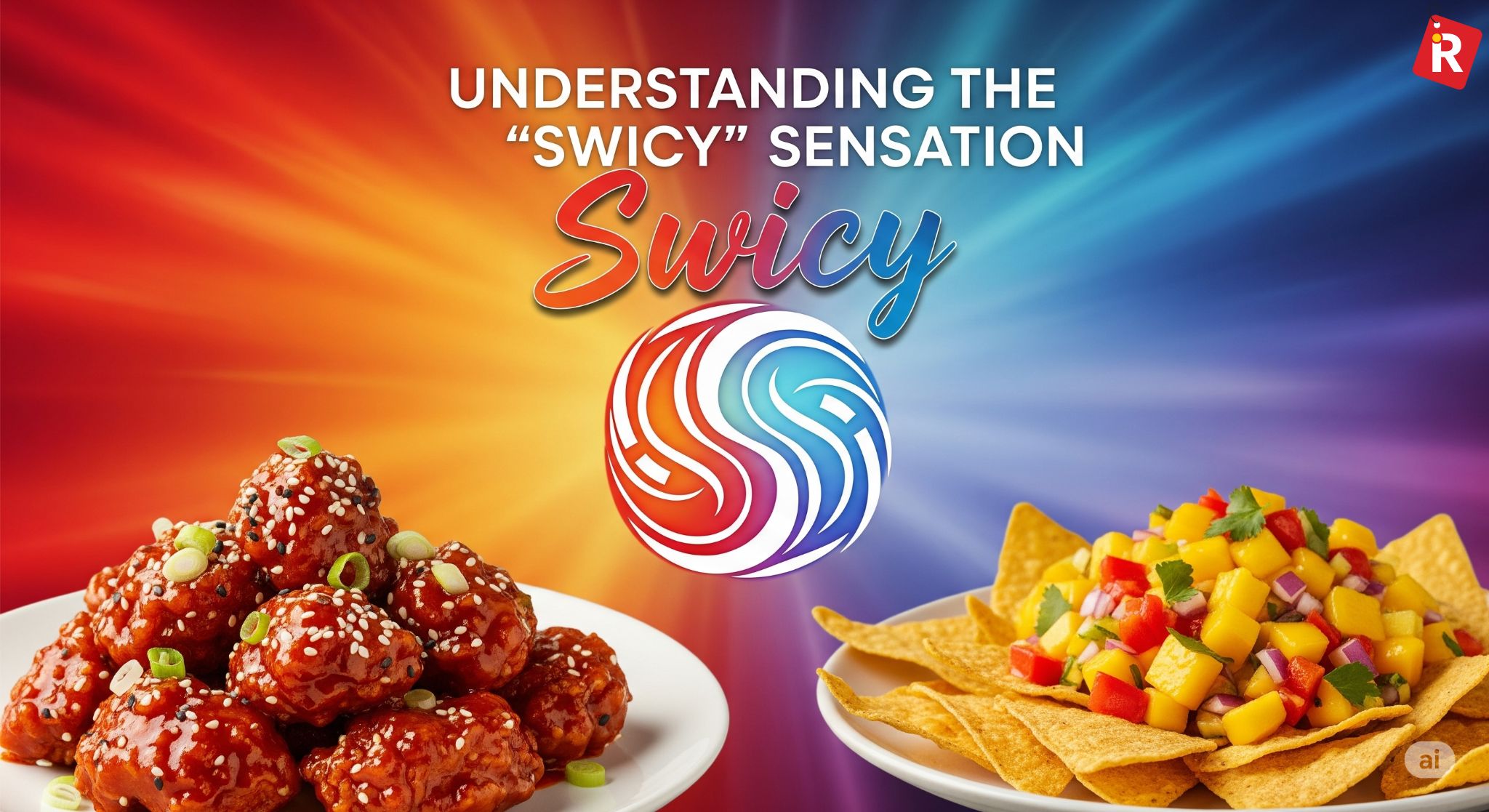
The "swicy" flavor profile involves more than simply adding sugar to chili. It's a meticulously crafted blend of sweetness that seduces the palate and heat that delivers a startling kick, resulting in a multidimensional flavor experience that remains and fascinates.
The Appeal of Complexity
In a world overloaded with predictable flavors, "swicy" foods are a pleasant change. They activate numerous taste receptors at once, resulting in a complex and pleasing sensation. The initial sweetness is frequently a pleasant introduction, followed by a gradual or immediate warmth that can range from a gentle tingle to a more intense heat. This contrast keeps the palate hooked and wanting more.
Global Roots, Universal Appeal
While the term "swicy" is relatively new, the idea of balancing sweet and spicy flavors has its origins in many different global cuisines. Consider Korean gochujang-based meals, Chinese sweet and sour sauces with a chili kick, Thai sweet chili sauces, or the slight sweetness found in some Mexican mole sauces. This global presence demonstrates a common human desire for this captivating flavor dynamic.
The Swicy Indian Palate
Surprisingly, the Indian palate is no stranger to the sweet-spicy combination. Many traditional cuisines combine mild, sweet undertones with spice. Consider the hint of jaggery in certain hot curries, the sweetness of caramelized onions with chiles, or the sweet-sour-spicy flavors in some chutneys and pickles. This natural familiarity provides a solid platform for Indian diners to accept more pronounced "spicy" options.
Know more: 4 Easy High-Protein Egg Recipe Ideas For A Post-Workout Boost
Beyond Simple Sweetness & Heat
The success of "swicy" is dependent on the quality of both the sweet and spicy ingredients. Natural sugars, honey, fruits, and caramelized veggies can all provide sweetness, each with its own distinct flavor. Similarly, the heat might come from a variety of chilies, peppercorns, or ginger, each with its own intensity and flavor character. The goal is to carefully choose and balance these components in order to achieve a pleasant and thrilling flavor combination.
The "Adventure" Factor
Today's customers, particularly younger generations, are more adventurous and willing to try new flavor combinations. "Swicy" foods respond directly to this urge for culinary exploration, providing a sense of adventure and discovery on the menu. This may be a powerful tool for attracting new customers and keeping your services fresh and relevant.
How "Swicy" is a Game-Changer for Indian Restaurants
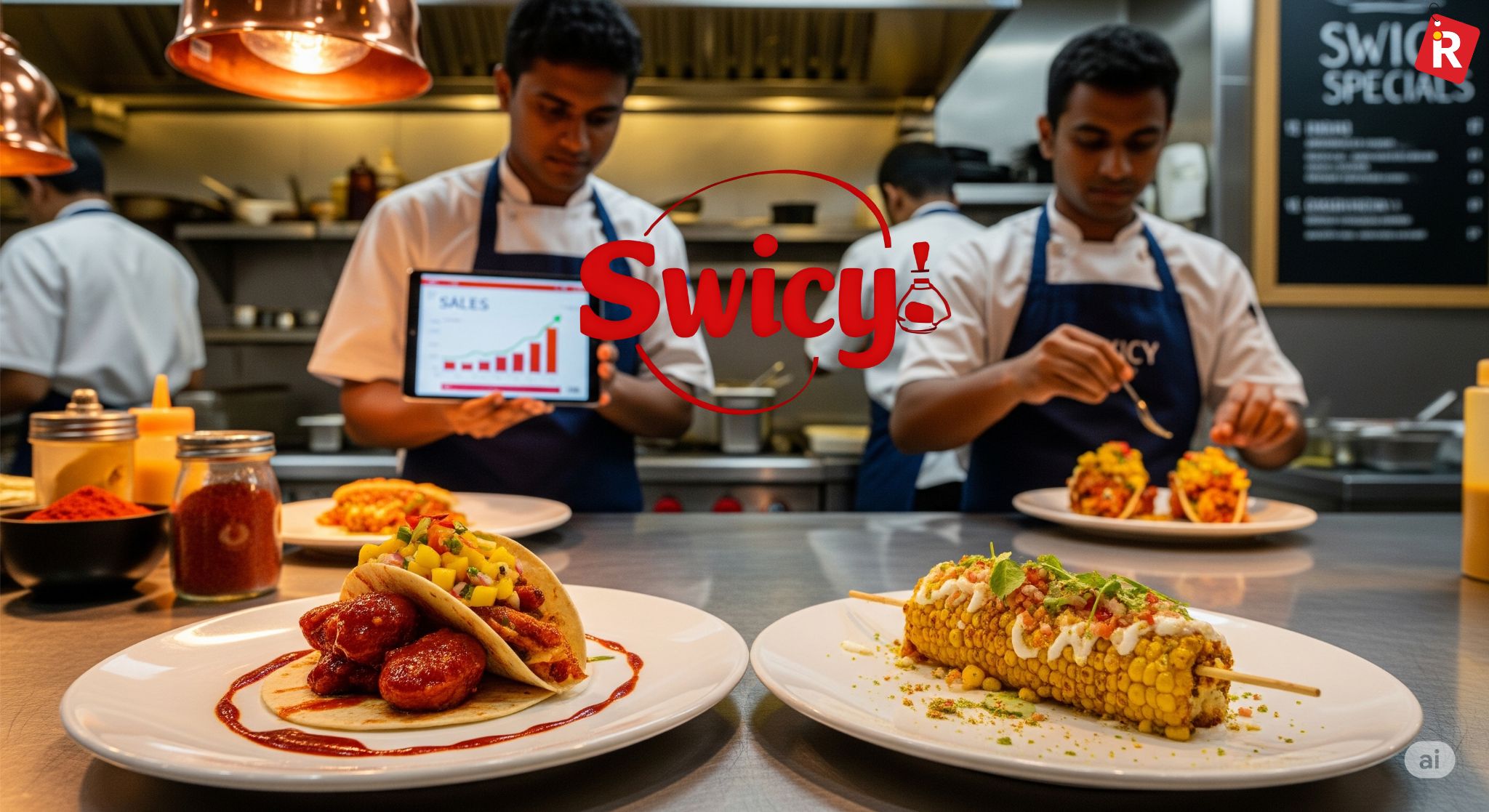
With restaurants looking for changes in the menu to attract more diners, embracing the "swicy" trend provides numerous appealing benefits in India's diversified culinary scene.
- Attracting a Broader Audience: The balanced nature of "swicy" may appeal to a broader range of tastes. The early sweetness may appeal to individuals who are wary about hot food, while the ensuing spiciness gives the excitement that adventurous diners want. This dual appeal can help restaurants reach previously overlooked consumers.
- Menu Differentiation & Innovation: In a competitive market, presenting innovative and trend-forward meals is critical for uniqueness. Adding "swicy" dishes onto your menu on purpose might help you portray your restaurant as an innovator, indicating that you are aware of global food trends and prepared to push flavor boundaries. This might create buzz and draw media attention.
- Increased Perceived Value: The complex nature of "spicy" flavors can frequently contribute to a sense of more culinary knowledge and innovation. Diners may be willing to pay more for foods that provide a more varied and thrilling taste experience than traditional sweet or spicy selections.
- Versatility Across Cuisines: The "swicy" notion is not limited to a single cuisine. It can be smoothly blended into a variety of Indian regional cuisines, as well as fusion and global options. Consider a Goan Vindaloo with a touch of palm sugar for balance, a Tandoori chicken with a honey-chili coating, or a South Indian curry with the sweetness of coconut milk compared against scorching chiles. The options are endless, allowing for creative exploration within your current menu framework.
- Potential for Signature Dishes: Creating unique and interesting "spicy" foods can become signature dishes that people might specifically seek out at your restaurant. These can be effective brand distinctions and dramatically increase customer loyalty.
- Catering to the Growing Globalized Palate: With increased exposure to various cuisines, Indian customers are becoming increasingly open to global flavor combinations. "Swicy" meals appeal to this developing palate, providing a familiar yet attractive variation on traditional tastes. This is especially important in urban areas and tourism locations around India.
What's new: How to Make a Healthy Dessert With Just 5 Ingredients
Strategically Blending "Swicy" into Your Menu
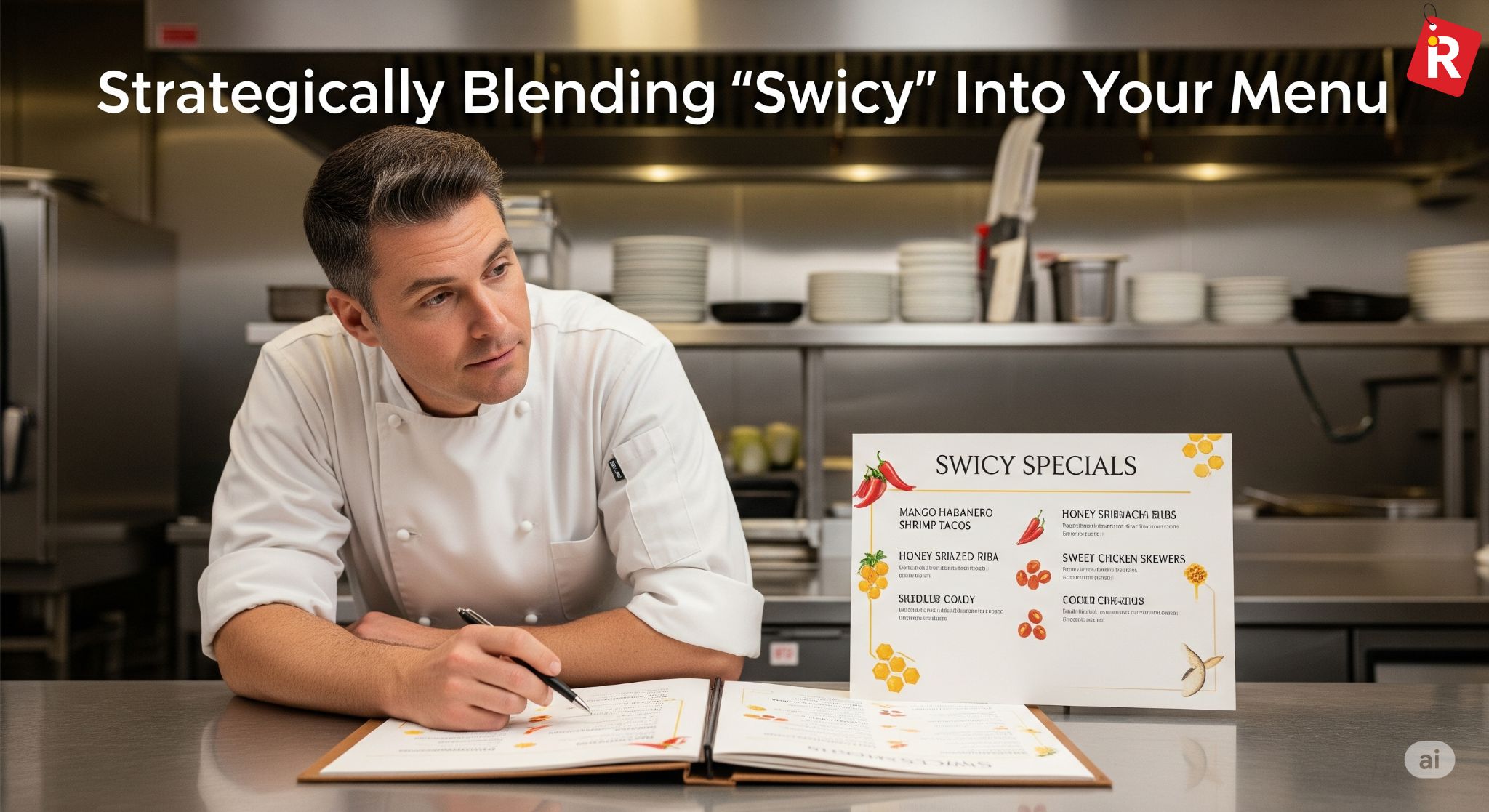
For every restaurant, constantly making changes in the menu to attract more customers is a big part of their operations. And adding a new menu item requires careful consideration. Therefore, successfully adding "spicy" dishes needs an organized and planned strategy. Here are concrete steps that Indian restaurants should consider:
Start with Research & Inspiration
Explore global cuisines with sweet and spicy ingredients. Analyze successful "spicy" meals from overseas cuisines and uncover flavor combinations that appeal to the Indian taste. Look for inspiration in regional Indian recipes with a sophisticated sweet-spicy balance.
Identify Core Menu Items for "Swicy" Transformation
Consider which foods on your menu could be improved with a "spicy" twist. Consider appetizers, main dishes (both vegetarian and non-vegetarian), and even sides and sauces. For example, may a honey-chili marinade be used to improve a basic paneer tikka? Could a jaggery-soy glaze with a hint of Sichuan peppercorns enhance a vegetable stir-fry?
Experiment with Natural Sweeteners
Try alternatives to refined sugar. For a variety of taste combinations and levels of sweetness, try honey, jaggery, date syrup, fruit purees (mango, pineapple), caramelized onions, or even a dash of maple syrup.
Master the Art of Heat Infusion
Improve your heat infusion skills by learning about Indian chiles, ginger, white pepper, and black peppercorns. Experiment with various heat-incorporation methods, such as fresh chilies, chili powders, chili oils, or fermented chili pastes, to get the necessary intensity and taste variety.
Check out: Best Theme Idea for a Rooftop Restaurant: A Starlit Bohemian Escape
Balance is Key—The Swicy Ratio
The precise balance of sweetness and heat is required for "swicy" to be successful. Experiment with different percentages to find the sweet spot that your target audience likes. Consider offering several levels of "spicy" intensity on your menu (e.g., mild, medium, and hot) to accommodate varying tastes.
Provide "Swicy" Sauces and Glazes
Adding "swicy" sauces or glazes to current dishes can be a low-risk method to explore the trend. For appetizers, provide a honey-mustard-chili dipping sauce, and for grilled meats or veggies, use a sweet-soy-ginger glaze.
Highlight "Swicy" Dishes on Your Menu
Use descriptions on your menu to highlight the "spicy" quality of these items. To grab customer interest, highlight a mix of sweet and spicy sensations. Consider adding a specific "Swicy" icon or category to your menu.
Train your staff
Ensure that your service personnel understand the "swicy" concept and can accurately describe the flavor profiles of these dishes to customers. They should be able to lead new diners through this trend and make recommendations based on their spice tolerance.
Gather customer feedback
Actively seek feedback on your "swicy" products. This will allow you to better identify what connects with your clients and adjust your recipes accordingly. Use surveys, comment cards, or online reviews to evaluate their responses.
Promote your "Swicy" creations
Use your marketing channels (social media, website, and email newsletters) to promote your new "spicy" cuisine. Use eye-catching photos and interesting descriptions to convince customers to try them. Consider organizing special discounts or tasting menus that highlight your "swicy" inventions.
Read this: 7 Strategies to Focus on While Targeting New Age Customers
Embracing the Future of Flavor
The "swicy" flavor revolution provides a big potential for Indian restaurants to add excitement, innovation, and broader appeal to their menus. Understanding the minute details of this captivating flavor combination and carefully incorporating it into their menus allows restaurateurs to attract innovative guests, differentiate themselves from competitors, and eventually improve their culinary reputation and earnings. The Indian palate, which is already used to the complex interplay of sweet and spicy, is ready for this culinary evolution. By embracing the "swicy" revolution, Indian restaurants can boldly put themselves at the center of flavor creation, catering to the changing tastes of a globalized and increasingly adventurous customer base.
Mahak Sharma
Content Writer
Mahak Sharma is a passionate content writer with 2 years of experience crafting compelling content across various niches, tailoring her writing to suit different audiences and platforms. She is dedicated to producing engaging content for readers so that they can understand and enjoy the articles. Her strengths lie in crafting SEO-friendly, well-structured articles that drive visibility and engagement.



































































