How Specialty Restaurants are Redefining the Dining Experience
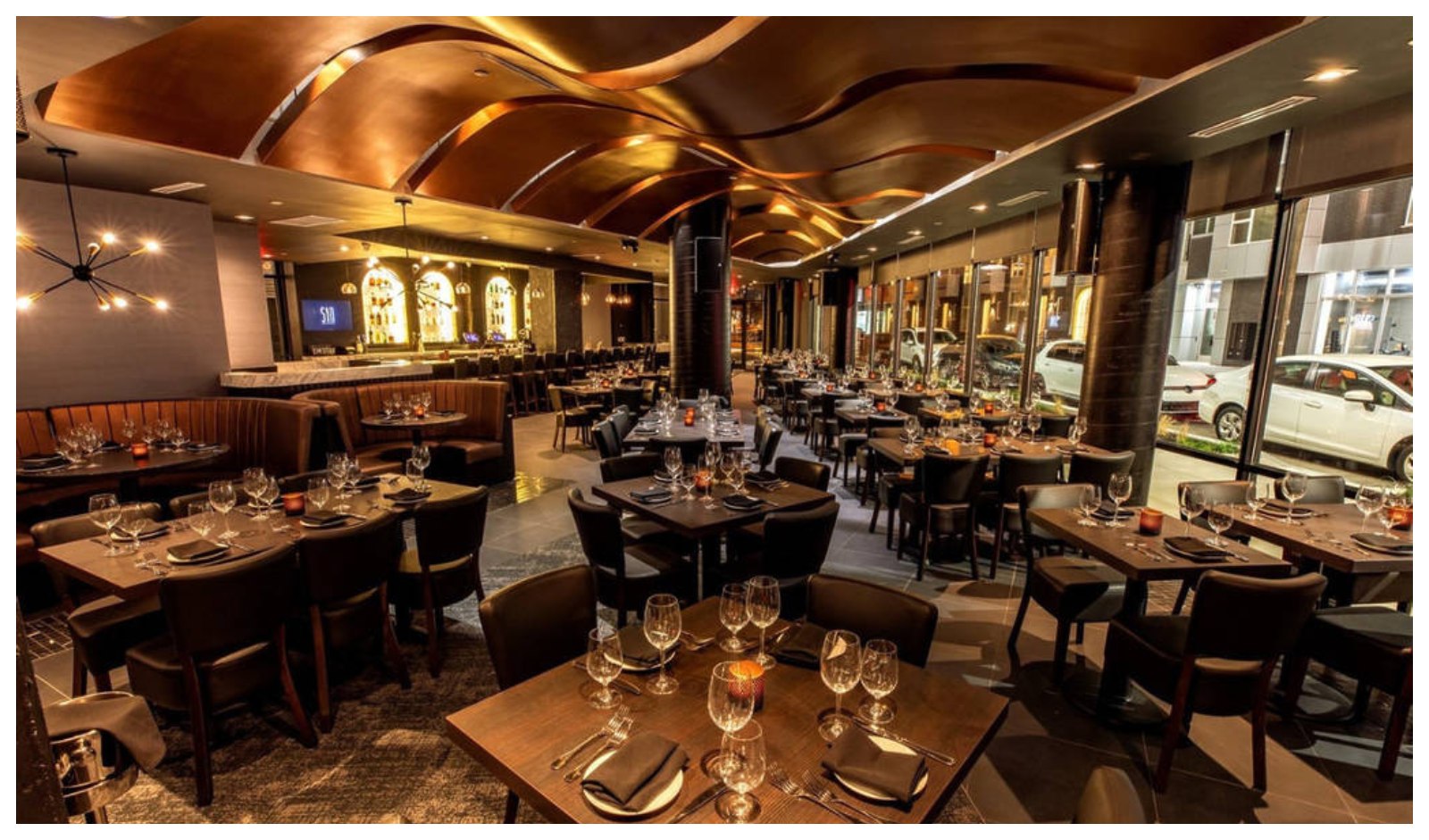
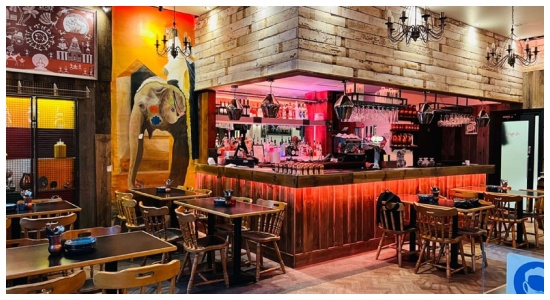
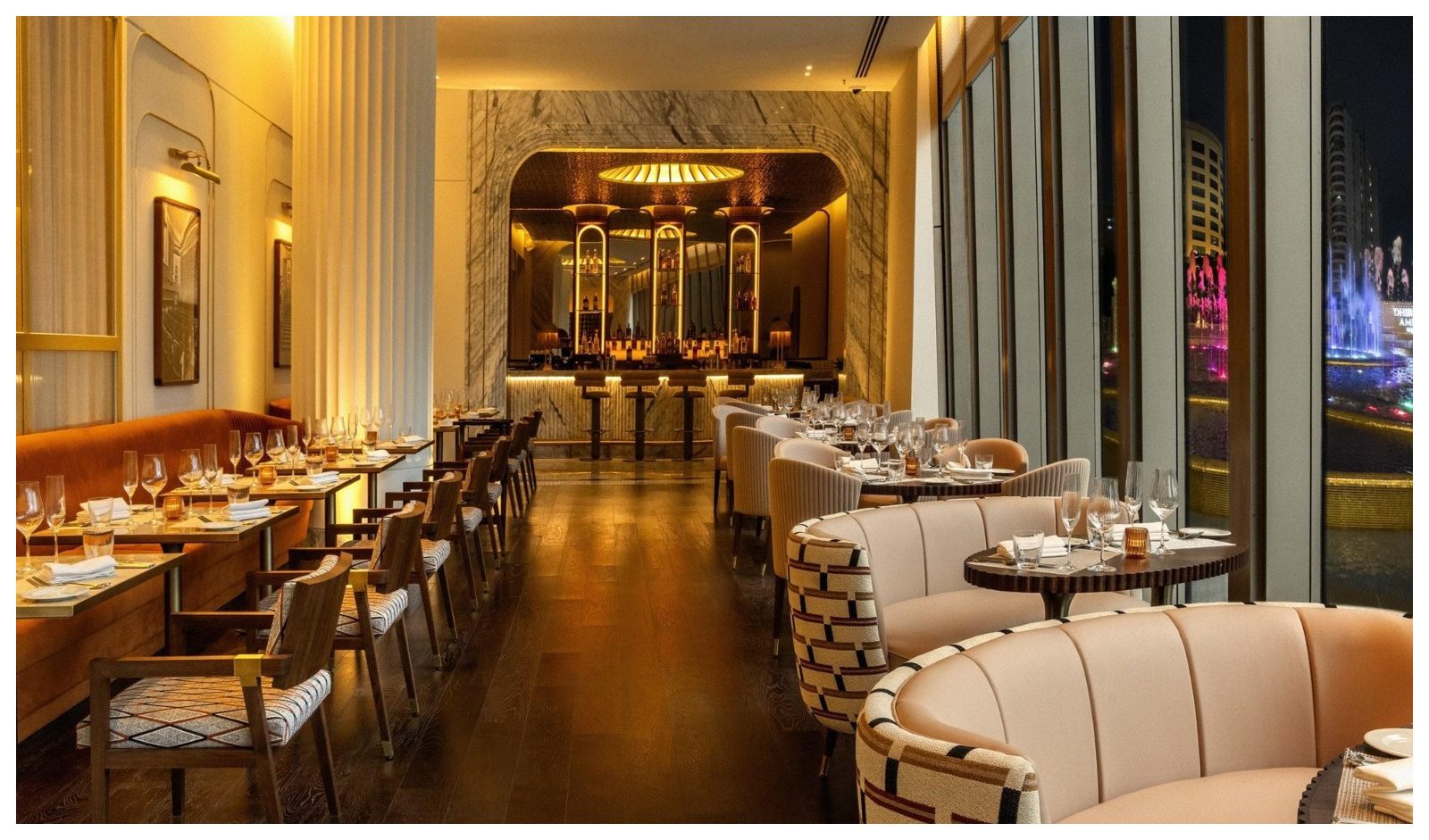
Specialty restaurants are a new type of establishment that is starting to appear in addition to the common cafes and typical multi-cuisine restaurants. These are not merely dining establishments; rather, they are carefully chosen culinary experiences based on a single theme, such as a particular cuisine, unusual ingredient, or dining idea.

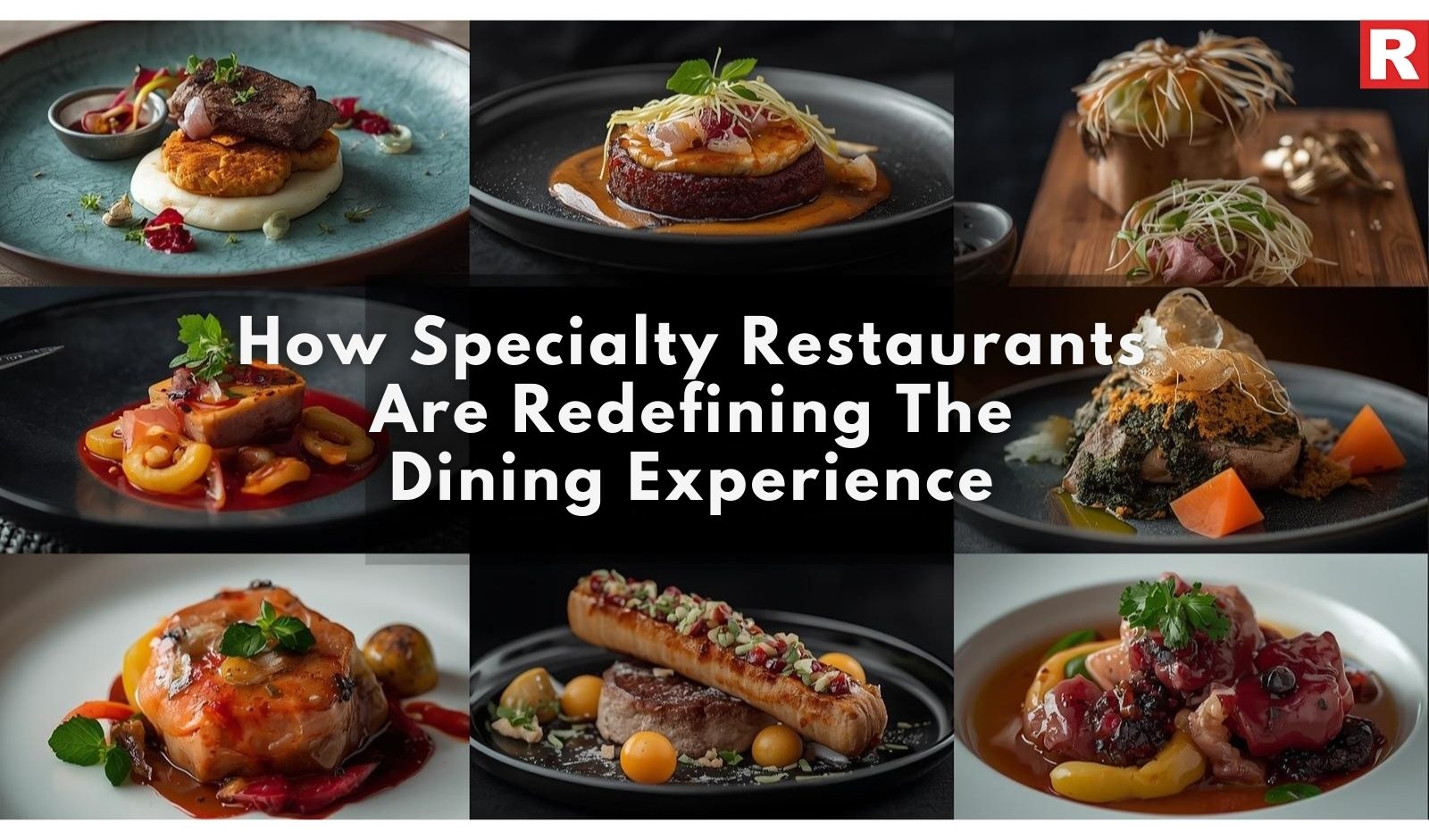
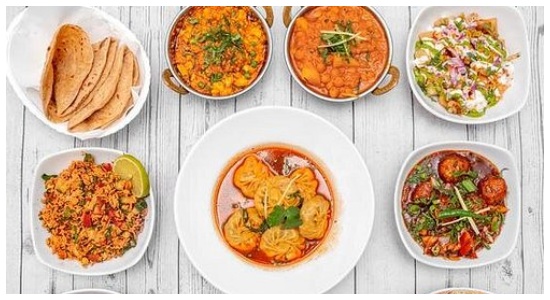
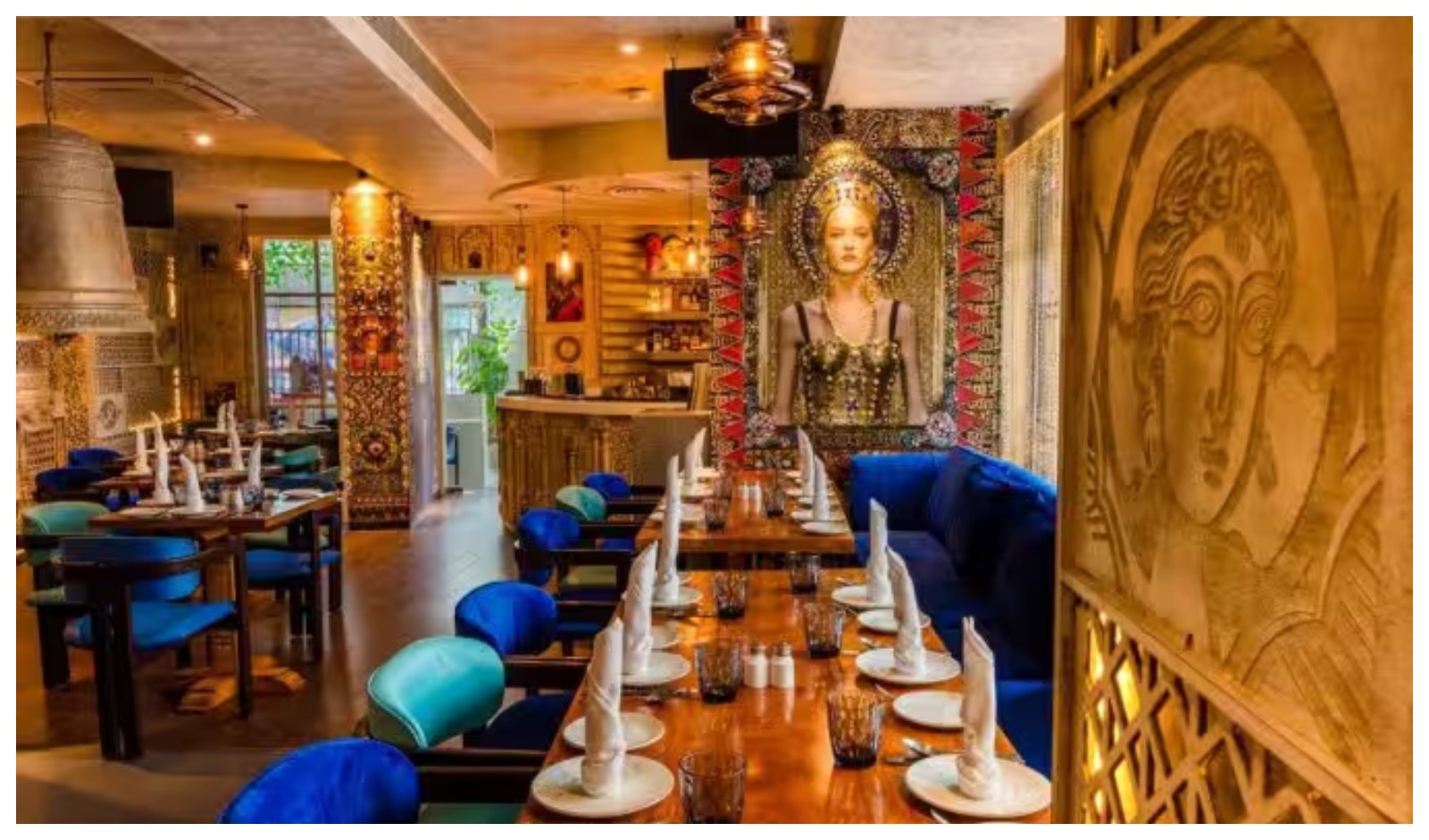
A major change is taking place in India's dynamic and constantly changing culinary industry. Specialty restaurants are a new type of establishment that is starting to appear in addition to the common cafes and typical multi-cuisine restaurants. These are not merely dining establishments; rather, they are carefully chosen culinary experiences based on a single theme, such as a particular cuisine, unusual ingredient, or dining idea. In cities throughout the nation, the dining experience is being redefined by this calculated shift from a broad, universal approach to a specific, customized one. These restaurants are setting a new standard for quality, service, and customer interaction by providing depth, authenticity, and an engaging story.
This detailed article will examine the various ways that specialty restaurants are changing the Indian food and beverage sector. We will examine the factors that contribute to their success, the various models they represent, the operational strategies that guarantee their prosperity, and the significant influence they are exerting on consumer demands and the larger culinary landscape.
Read more: Top 10 Calcium-Rich Foods for Stronger Bones
What are Specialty Restaurants?
Restaurants that specialize in one particular culinary specialty are known as specialty restaurants. They focus their menu, expertise, and brand identity on a single area, unlike multi-cuisine restaurants. This could be a single dish (like a restaurant serving biryani or dosa), a particular regional food (like Chettinad or Rajasthani), a particular cuisine (like authentic Japanese ramen or traditional Lebanese), or an innovative idea (like farm-to-table or a dessert parlor). They can provide a greater level of authenticity, consistency, and quality thanks to this targeted strategy, which also helps them develop a powerful brand narrative. They can serve more sophisticated customers and provide a more memorable and enlightening eating experience by specializing in just one area.
Specialty vs. Multi-Cuisine Restaurants
Specialty Restaurants: Restaurants that specialize in a single, particular culinary niche are known as specialty restaurants. This could be a single dish, like biryani, a particular regional cuisine, like Rajasthani food, or a particular kind of food, like sushi bars. A more sophisticated menu, improved quality, and increased authenticity are made possible by the focus.
Multi-Cuisine Restaurants: These provide a broad range of meals from several culinary traditions, such as Chinese, Italian, and Indian. Although they serve a wide range of palates and larger gatherings, the originality and consistency of particular dishes may occasionally be sacrificed due to their extensive menu.
Know more: Beyond Borders: Turning Collaboration into Profit
From Jack-of-All-Trades to Master of One
The growth of specialty restaurants can be directly linked to the growing sophistication and globalization of Indian consumers. The following explains why the "master of one" strategy is working so well:
- The Search for Authenticity: Indian diners are looking for authentic experiences as they become more well-traveled and familiar with international culinary trends. Whether it's regional Indian (like Goan or Rajasthani), international (like authentic Japanese ramen or traditional Lebanese), or even a particular dish (like a biryani or a dosa restaurant), a restaurant that focuses on just one cuisine is seen as more legitimate and authentic. This emphasis guarantees that the chefs are well-versed in the complexities, methods, and components of the cuisine.
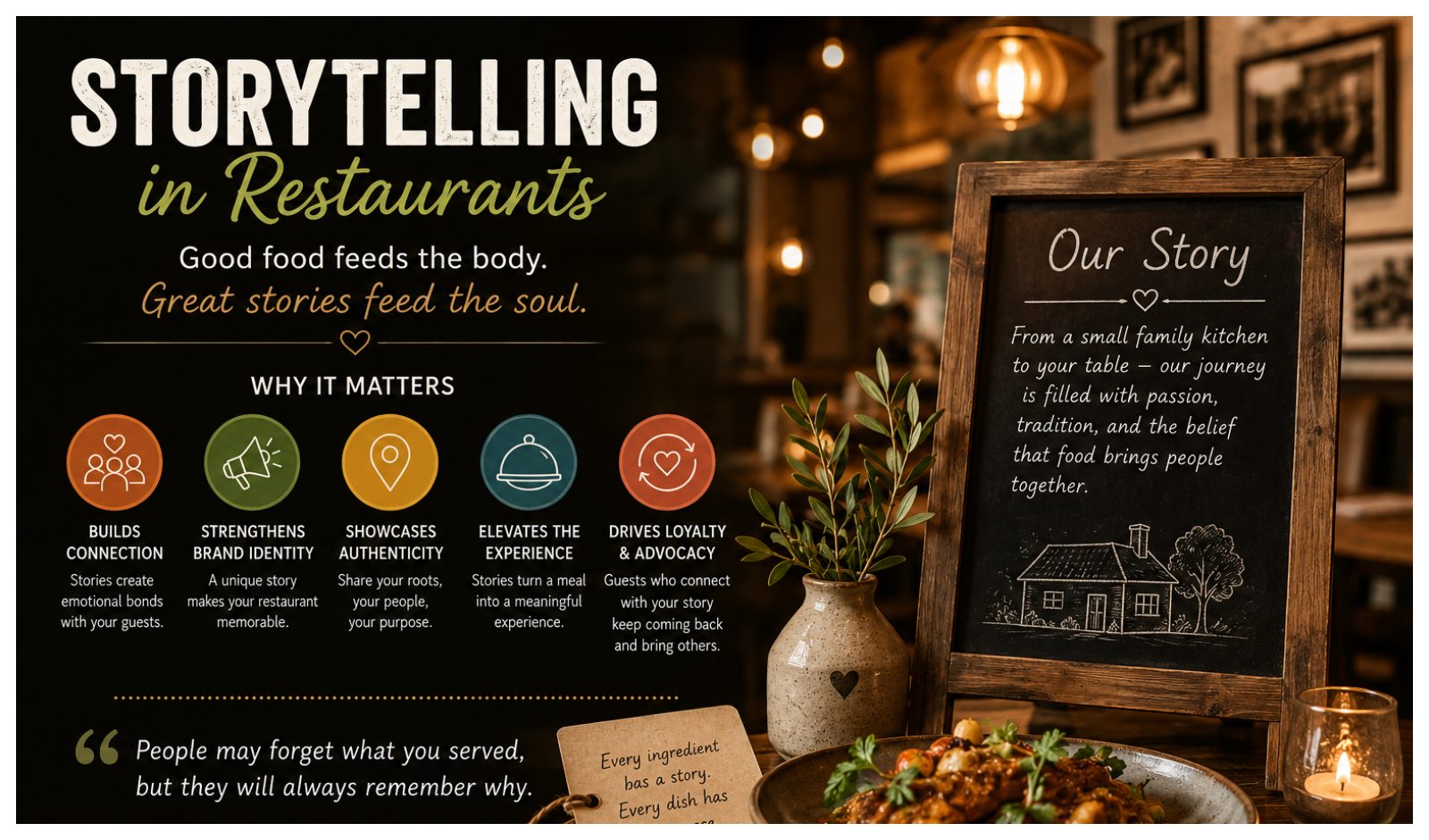
- Enhancing the Story: A specialty restaurant has an engaging tale to share. It's not just about the cuisine; it's also about the history of a recipe, the path taken by an ingredient, or the cultural background of a dish. This story makes the eating experience more memorable by establishing an emotional bond with the customer.
- Quality and Consistency: A kitchen can concentrate its resources on refining a select few dishes by narrowing the menu. As a result, there is less food waste and improved quality and uniformity. A broad, multi-cuisine menu would make it hard for chefs to find the freshest, most appropriate ingredients and hone their techniques to that level.
- Marketing and Brand Identity: A restaurant's brand identity is evident when it has a specific focal point. In a crowded market, a regional seafood restaurant, a sushi bar in Japan, or a dessert cafe stands out. Customers who are truly interested in that particular culinary experience are drawn in by the more focused and successful marketing that results from this specific market setting.
Check out: Indians becoming experimental with food
Is QSR a threat to hotels?
Models of Specialization
There is no set format for the concept of a specialized restaurant. It is found in several fascinating models throughout India:
- Regional Indian Cuisine Restaurants: From the rich seafood of coastal Kerala to the delicate aromas of Kashmiri Wazwan or the spicy curries of Andhra, these eateries honor India's wide and varied culinary traditions. Beyond the standard "Indian food" menu, they provide a more engaging experience.
- Single-Cuisine International Restaurants: As more people travel abroad, there is a rising desire for real international cuisine. As a result, restaurants that specialize in a specific international cuisine—such as authentic Thai, Vietnamese Pho, Italian spaghetti, or Mexican taquerias—have become more popular.
- Concept-Based Restaurants: Cuisine isn't necessarily the focus of the specialization. It could be about a main ingredient or a specific concept. Among the examples are:
- Dessert Parlors & Bakeries: These establishments only serve a variety of sweets, ranging from traditional pastries to creative fusion delicacies.
- Farm-to-Table Restaurants: These establishments focus on creating a cuisine that is always changing by utilizing seasonal, locally produced ingredients.
- Themed dining: It refers to restaurants that are designed with a particular theme in mind, such as a historical era, a fictional world, or a unique dining experience (like an all-you-can-eat barbecue grill).
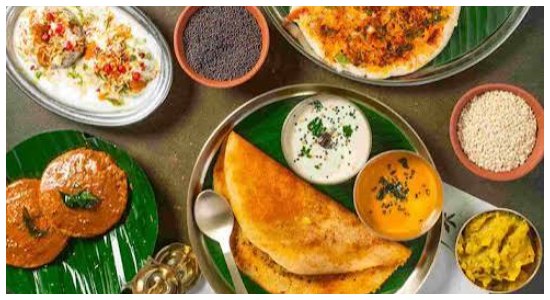
- Single-Dish Restaurants: The most concentrated type of restaurant is the single-dish model, which devotes the whole menu to variations of a single meal. For example, a "biryani" or "dosa" restaurant focuses on making one dish into an art form.
What's new: Managing Your Restaurant's Cash Flow Like a Pro
The Art of Operation: Strategies for Success
Although rewarding, operating a specialist restaurant calls for a unique set of operational techniques:
- Deep Expertise: A staff with a deep, almost addictive understanding of the area of expertise is the most valuable asset. The chef needs to be a specialist in the ingredients, methods, and history of the cuisine. In order to lead consumers through the menu and narrate the story of the meal, the staff needs to be trained.
- Sourcing and Supply Chain: Specialized supply chains are frequently needed for rare ingredients. A seafood restaurant will need an efficient system for locating fresh, premium goods if it is located in a remote town. This might involve forming alliances with particular vendors, purchasing directly from farmers or fishers, or even cultivating ingredients inside.
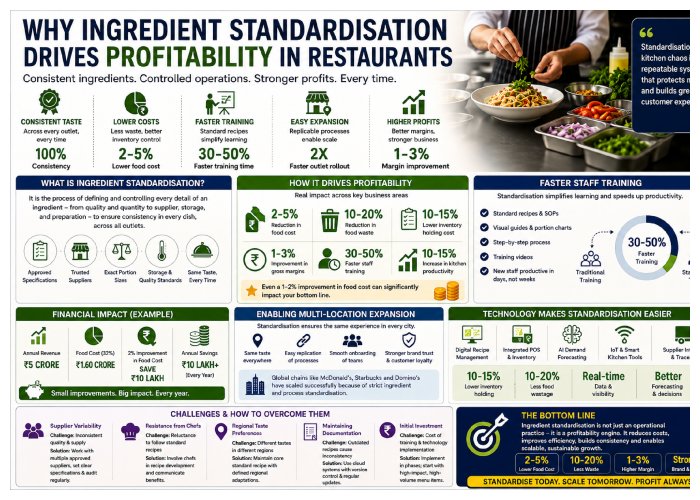
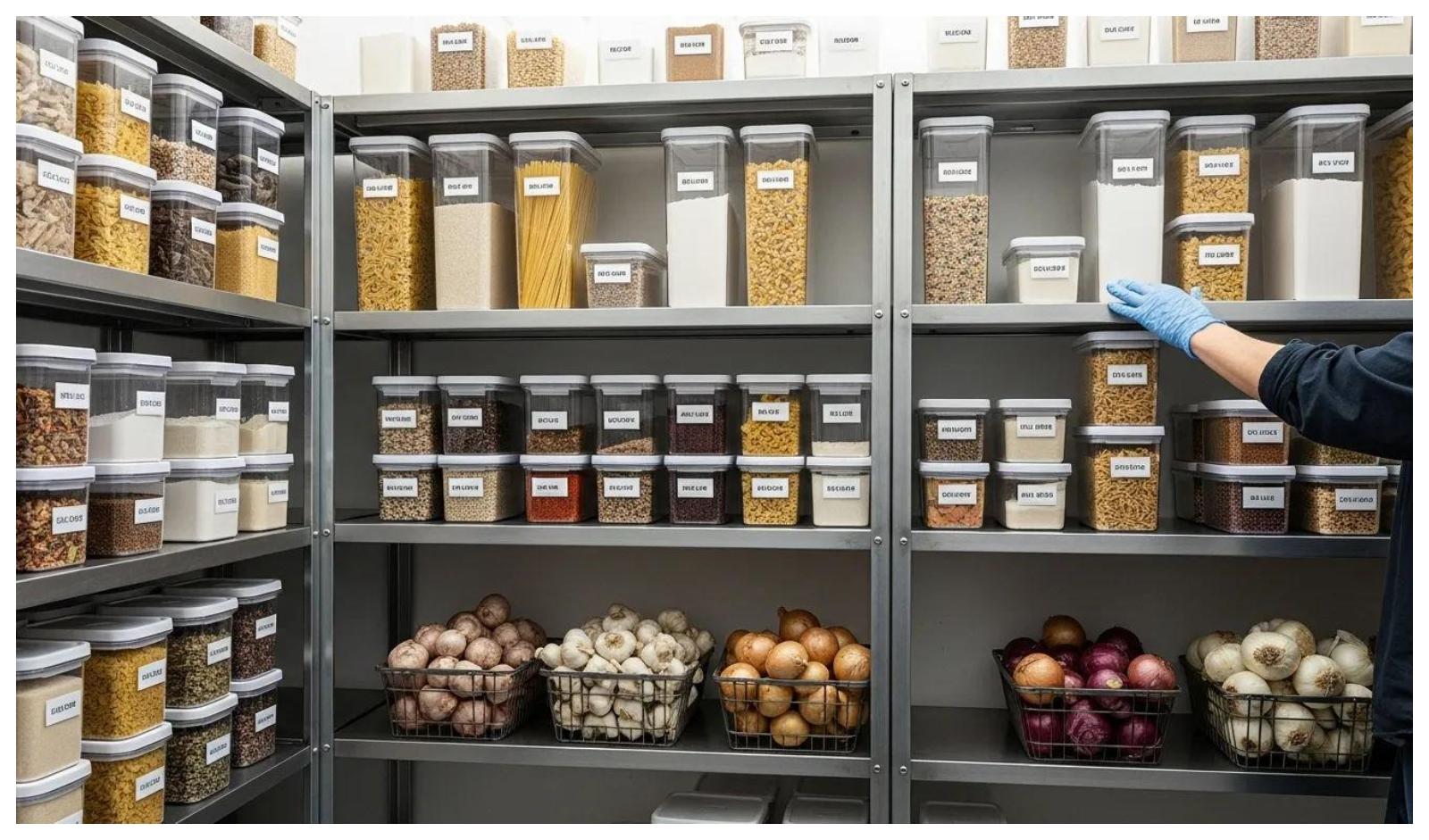
- Focused Menu and Inventory: A small menu makes it easier to manage inventory, cuts down on food waste, and frees up the kitchen to concentrate on quality. Better cost control results from the more predictable inventory.
- Experiential Marketing: Marketing is more than just advertising, according to experiential marketing. It involves developing an experience that is symbolic of the restaurant's area of expertise. This may consist of:
- Cooking Workshops: Providing instruction on how to make the specialized dishes.
- Food Festivals: To highlight the restaurant's particular offers, take part in regional food festivals.
- Social media storytelling: It is the practice of sharing information about the ingredients, the chefs, and the cultural context of the food on networks like Instagram reels or posts.
Read this: How will you brand your restaurant?
Redefining the Dining Experience
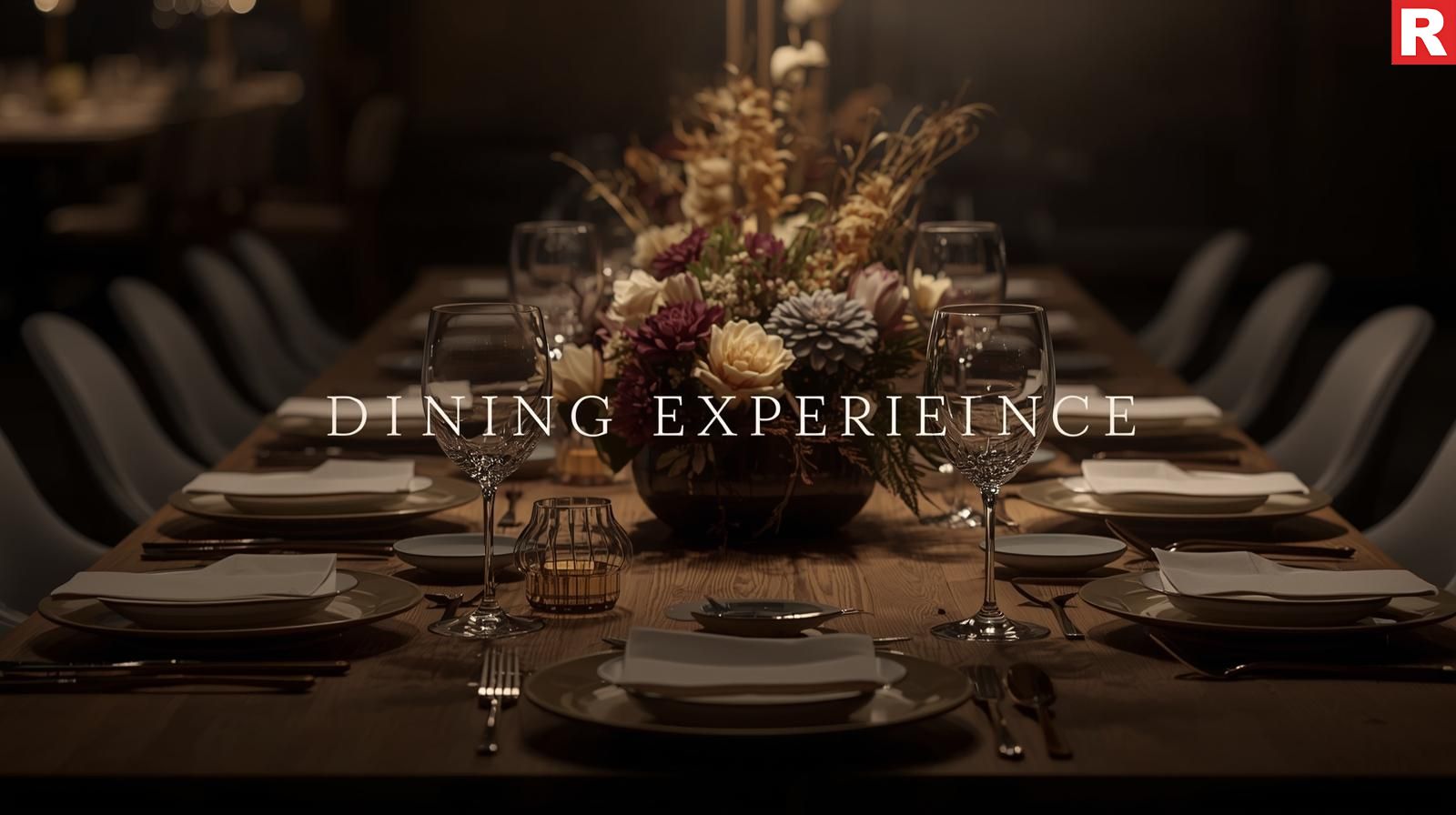
Specialty restaurants have an impact that goes well beyond their kitchens. They are drastically changing how customers see and engage with food:
- Education and Appreciation: These restaurants are teaching customers about the complexity and diversity of food customs by focusing on a specific cuisine. A customer at a real Vietnamese restaurant may discover the differences between different varieties of pho or the function of particular herbs in the cooking. A greater appreciation for food is cultivated as a result.
- Community and Connection: For fans of a certain cuisine, specialty restaurants can turn into gathering places. They draw people who share their interests, establishing a feeling of community and a venue for mutual passion. For instance, a specialty Korean food restaurant might become a gathering place for Korean cuisine lovers.
- Raising the Bar for Quality: The restaurant industry as a whole is being pressured to improve its standards due to the popularity of specialist restaurants. Multi-cuisine restaurants are having to raise the standard of their food to stay competitive as customers get pickier and want authenticity.
- Encouraging Niche Entrepreneurs: Without having to become experts in a variety of foods, entrepreneurs can launch a firm based on their love of a particular cuisine, thanks to the specialization model. This promotes innovation in the culinary industry and lowers the entry barrier.
Conclusion
Specialty restaurants are becoming more and more popular. As Indian customers' tastes and sophistication grow, this fundamental change is probably going to continue. The need for distinctive and genuine eating experiences will only rise as cities continue to expand and change.
A straightforward yet effective rule holds the secret to success for restaurateurs: identify your specialty and capitalize on it. Specialty restaurants are prospering rather than merely surviving by concentrating on their key strengths, creating an engaging brand narrative, and offering a genuine and superior experience. One meticulously prepared meal and one passionate tale at a time, they are revolutionizing the dining scene and demonstrating that, in the world of food service, a clear vision can be the most potent component of all.
Mahak Sharma
Content Writer
Mahak Sharma is a passionate content writer with 2 years of experience crafting compelling content across various niches, tailoring her writing to suit different audiences and platforms. She is dedicated to producing engaging content for readers so that they can understand and enjoy the articles. Her strengths lie in crafting SEO-friendly, well-structured articles that drive visibility and engagement.