
How Smart Restaurants Are Using Loyalty Programs to Build Repeat Customers
Instead of offering the same rewards to every diner, restaurants are using AI and customer data to create tailored promotions based on spending habits, dining preferences, and visit frequency.

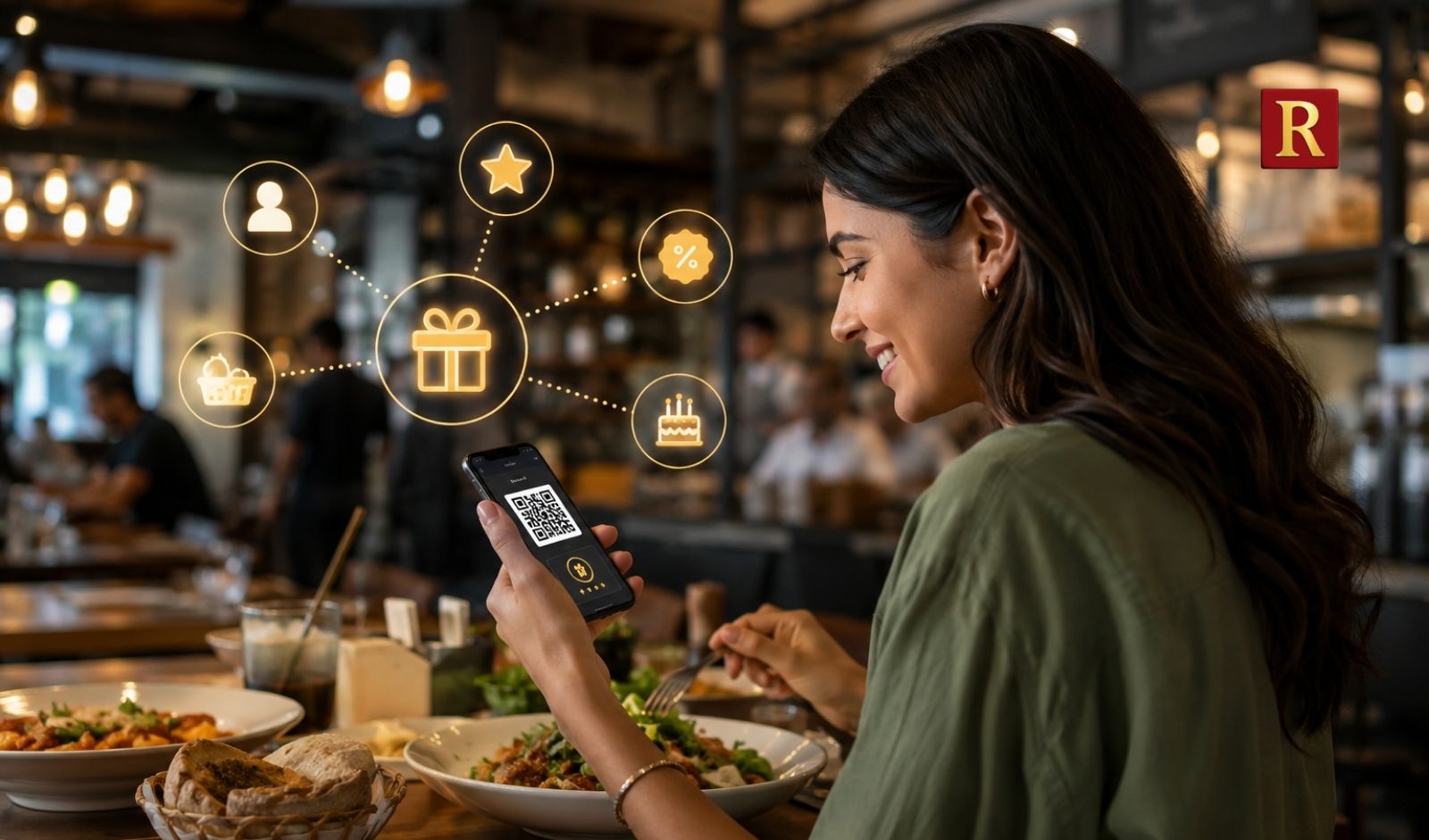
Getting a customer through the door is only the first step. The bigger challenge for restaurants is encouraging that guest to return again and again. With rising food costs, higher customer acquisition expenses, and intense competition, repeat business has become one of the most valuable drivers of long-term growth.
That is why restaurant loyalty programs have evolved far beyond paper stamp cards and simple discount coupons. Today, smart restaurants use loyalty platforms connected with point-of-sale (POS) systems, customer relationship management (CRM) software, artificial intelligence (AI), and mobile apps to understand customer preferences and create personalized dining experiences. The goal is no longer to reward spending alone. It is to build lasting relationships that increase customer lifetime value while making every visit more relevant and enjoyable.
Why Repeat Customers Matter More Than Ever
For restaurants, retaining existing customers is often more cost-effective than constantly acquiring new ones. Expenses such as digital marketing, online advertising, food delivery platform commissions, and promotional campaigns make customer acquisition increasingly expensive. Returning diners, however, are already familiar with the restaurant's food, service, and overall experience, making them more likely to visit again and spend with confidence. Loyal customers also tend to dine more frequently, place higher-value orders, recommend the restaurant to friends and family, leave positive online reviews, and explore new or seasonal menu offerings. Their continued support contributes to steady revenue and long-term business growth. According to DoorDash's 2026 Restaurant Industry Trends Report, 80% of dine-in visits and 79% of restaurant orders come from customers who already know the restaurant, highlighting the strong business value of customer retention.
Loyalty Programs Have Changed Completely
Many people still think loyalty programs only mean earning points after every purchase. While points-based rewards remain popular, modern restaurant loyalty programs have become much more sophisticated.
Earlier loyalty systems included:
- Paper punch cards
- Buy 9, Get 1 Free offers
- Flat discount coupons
- Printed membership cards
Today's systems use customer data to deliver rewards that feel personal instead of generic.
Modern loyalty features include:
- Digital reward wallets
- Birthday and anniversary offers
- Personalized meal recommendations
- Tier-based memberships
- Referral rewards
- Mobile ordering integration
- QR code check-ins
- Gamified challenges
Instead of offering every customer the same discount, restaurants can reward guests based on their dining habits. For example, if a customer regularly orders pasta and coffee every Friday evening, the restaurant can send a personalized weekend offer featuring a new pasta dish or complimentary dessert instead of a random discount.
Technology Is the Engine Behind Modern Loyalty Programs
Modern loyalty programs rely on connected technologies to deliver personalized customer experiences and improve retention.
Point-of-Sale (POS) Integration: Every transaction provides valuable insights, including visit frequency, average spending, favourite dishes, payment methods, and peak dining hours. This helps restaurants understand customer behaviour and make data-driven decisions.
Customer Relationship Management (CRM): CRM systems securely store customer details such as birthdays, anniversaries, dietary preferences, allergies, seating choices, and order history. Staff can use this information to provide a more personalized dining experience.
Artificial Intelligence (AI): AI analyses customer behaviour to recommend menu items, predict future purchases, identify inactive customers, and automatically send personalized offers.
Marketing Automation: Restaurants can schedule welcome rewards, birthday vouchers, festival promotions, re-engagement emails, and time-based offers, ensuring customers receive relevant communication without manual effort.
Personalization Is Becoming the Biggest Competitive Advantage
Today's customers expect more than discounts. They appreciate restaurants that remember their preferences and make recommendations that suit their tastes. Imagine a customer who regularly orders Butter Chicken, Garlic Naan, and Mango Lassi.
Instead of offering a generic 10% discount, the restaurant might send:
- A complimentary dessert with their favourite meal
- Early access to a new North Indian menu
- A family dining package before the weekend
- Double reward points on their favourite dishes
These offers feel more valuable because they match the customer's interests. Research from Toast shows that only 20% of guests consistently experience personalized service, leaving a major opportunity for restaurants that invest in customer data and personalization.
Different Loyalty Programs for Different Restaurants
There is no one-size-fits-all loyalty program. The right model depends on a restaurant's concept, customer behaviour, and business goals. Here are some of the most common types:
Points-Based Programs: Customers earn points for every purchase, which can later be redeemed for free dishes, discounts, or exclusive rewards. This model encourages frequent spending and repeat visits. Quick-service restaurants (QSRs), coffee chains, and casual dining restaurants.
Visit-Based Rewards: Guests receive a reward after visiting a certain number of times, such as a free coffee after 10 visits or a complimentary dessert on the fifth visit. It is simple to understand and encourages repeat footfall. Cafés, bakeries, ice cream parlours, and small independent restaurants.
Tiered Membership Programs: Customers move to higher membership levels as they spend more or visit more often. Higher tiers unlock exclusive perks that make loyal guests feel valued. Common benefits include priority reservations, birthday gifts, exclusive menu previews, and VIP dining experiences. Fine-dining restaurants, premium cafés, and luxury hotel restaurants.
Subscription Programs: Customers pay a monthly or annual membership fee in exchange for ongoing benefits such as free beverages, discounted delivery, exclusive menu items, or special member-only offers. These programs generate recurring revenue while encouraging customers to visit more frequently. Coffee chains, cloud kitchens, fast-casual restaurants, and delivery-focused brands.
Cashback Programs: A percentage of every purchase is credited back to the customer's account and can be used on future orders. This encourages repeat spending without relying solely on discounts. Casual dining restaurants, family restaurants, and multi-outlet chains.
Referral Programs: Existing customers receive rewards when they introduce new diners to the restaurant. Both the referrer and the new customer may receive benefits, helping restaurants grow through word-of-mouth marketing.Cloud kitchens, newly launched restaurants, and delivery-first brands.
Gamified Loyalty Programs: Customers complete challenges, collect badges, or participate in seasonal campaigns to unlock rewards. This interactive approach increases engagement and keeps customers returning. Restaurants targeting Gen Z, digital-first brands, and app-based restaurant chains.
How Leading Restaurant Brands Build Loyalty
Several global restaurant brands have transformed loyalty into a business growth strategy.
Starbucks Rewards combines mobile ordering, digital payments, personalized offers, and reward points in a single app. Customers earn Stars with every purchase and receive offers based on their buying habits.
Chipotle Rewards focuses on seamless digital ordering while providing personalized promotions that encourage repeat purchases.
McDonald's Rewards integrates loyalty directly into its mobile app, making it easy for customers to collect and redeem points during checkout.
Domino's uses its ordering platform to remember previous purchases, recommend favourite meals, and send timely offers that encourage repeat orders.
These brands demonstrate that convenience and personalization often matter as much as the rewards themselves.
The Metrics Smart Restaurants Monitor
Successful loyalty programs rely on continuous measurement rather than assumptions.
Important performance indicators include:
Customer Retention Rate: Measures how many customers continue returning over a specific period.
Repeat Visit Rate: Shows how frequently loyalty members come back.
Average Order Value (AOV): Tracks whether loyalty members spend more during each visit.
Customer Lifetime Value (CLV): Estimates the total revenue a customer generates throughout their relationship with the restaurant.
Reward Redemption Rate: Indicates whether customers find loyalty rewards attractive enough to use.
Churn Rate: Measures how many customers stop returning.
Monitoring these metrics helps restaurants improve both marketing and operations.
Common Loyalty Program Mistakes
Not every loyalty program succeeds.
Some common mistakes include:
- Offering rewards that are difficult to redeem
- Depending only on discounts
- Ignoring customer preferences
- Failing to analyse customer data
- Sending too many promotional messages
- Creating complicated membership rules
- Not connecting loyalty across dine-in, takeaway, and delivery
Simple, transparent programs usually perform better because customers immediately understand the benefits.
Looking Ahead!
Restaurant loyalty programs are becoming more intelligent as technology enables deeper personalization and stronger customer engagement. Instead of offering the same rewards to every diner, restaurants are using AI and customer data to create tailored promotions based on spending habits, dining preferences, and visit frequency. Emerging trends include AI-powered offers, predictive customer engagement, dynamic rewards, integrated loyalty across dine-in, takeaway, delivery, and reservations, gamified challenges for younger audiences, sustainability incentives for eco-friendly choices, and digital memberships with exclusive benefits. According to Deloitte, 67% of loyalty members belong to two or more restaurant loyalty programs, making personalized experiences a key differentiator. As a result, loyalty programs are no longer just marketing initiatives but an essential part of restaurant strategy. By combining POS systems, CRM platforms, AI, and customer insights, restaurants can build meaningful relationships, increase repeat visits, improve customer lifetime value, and achieve sustainable long-term growth while creating experiences that make guests feel genuinely valued.
Saptopriya Ghosal
Feature Writer
I am a dedicated media professional with a bachelor's degree in mass communication from the State University of Calcutta and a postgraduate degree from Amity University. My academic journey has equipped me with a profound understanding of storytelling and communication. Passionate about the dynamic world of media, I continually strive to explore new ways to engage and inform through compelling narratives.



































































