
How Restaurants Can Benefit From Zero Waste Packaging
In a time of increased environmental consciousness, industries with large waste footprints are coming under more and more criticism. Restaurants are at the center of this criticism because of how much they depend on packaging for delivery and takeaway.

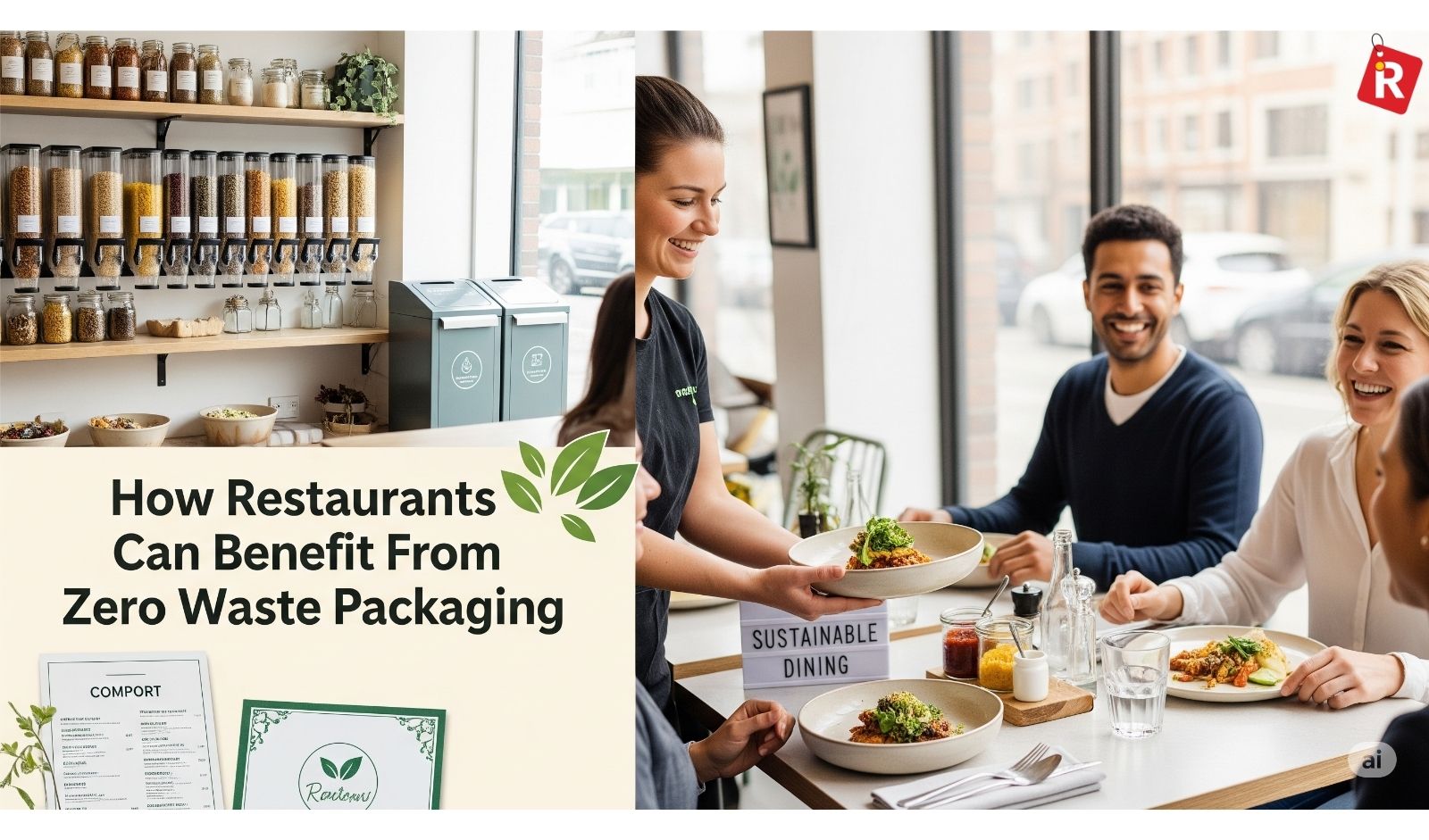
As much as plastic is affordable and a first choice when packaging, it is also the main reason our earth is suffering from undisposable food waste. In a time of increased environmental consciousness, industries with large waste footprints are coming under more and more criticism. Restaurants are at the center of this criticism because of how much they depend on packaging for delivery and takeaway. Many people now view the common single-use plastic container—once a sign of convenience—as an enemy to the environment. However, this dilemma offers a fantastic opportunity for progressive businesses: adopting zero-waste packaging. Making the switch to sustainable packaging is not just a trend; it has several advantages that go beyond environmental conservation, which will eventually improve a restaurant's financial performance and operational stability.
In this article, the revolutionary advantages of zero-waste packaging for restaurants will be examined, along with its definition, environmental necessity, and noticeable advantages in terms of customer loyalty, brand reputation, cost savings, and operational efficiency.
Read more: UK Whisky in India: 8 Brands That Elevate Any Bar Menu
What is Zero Waste Packaging
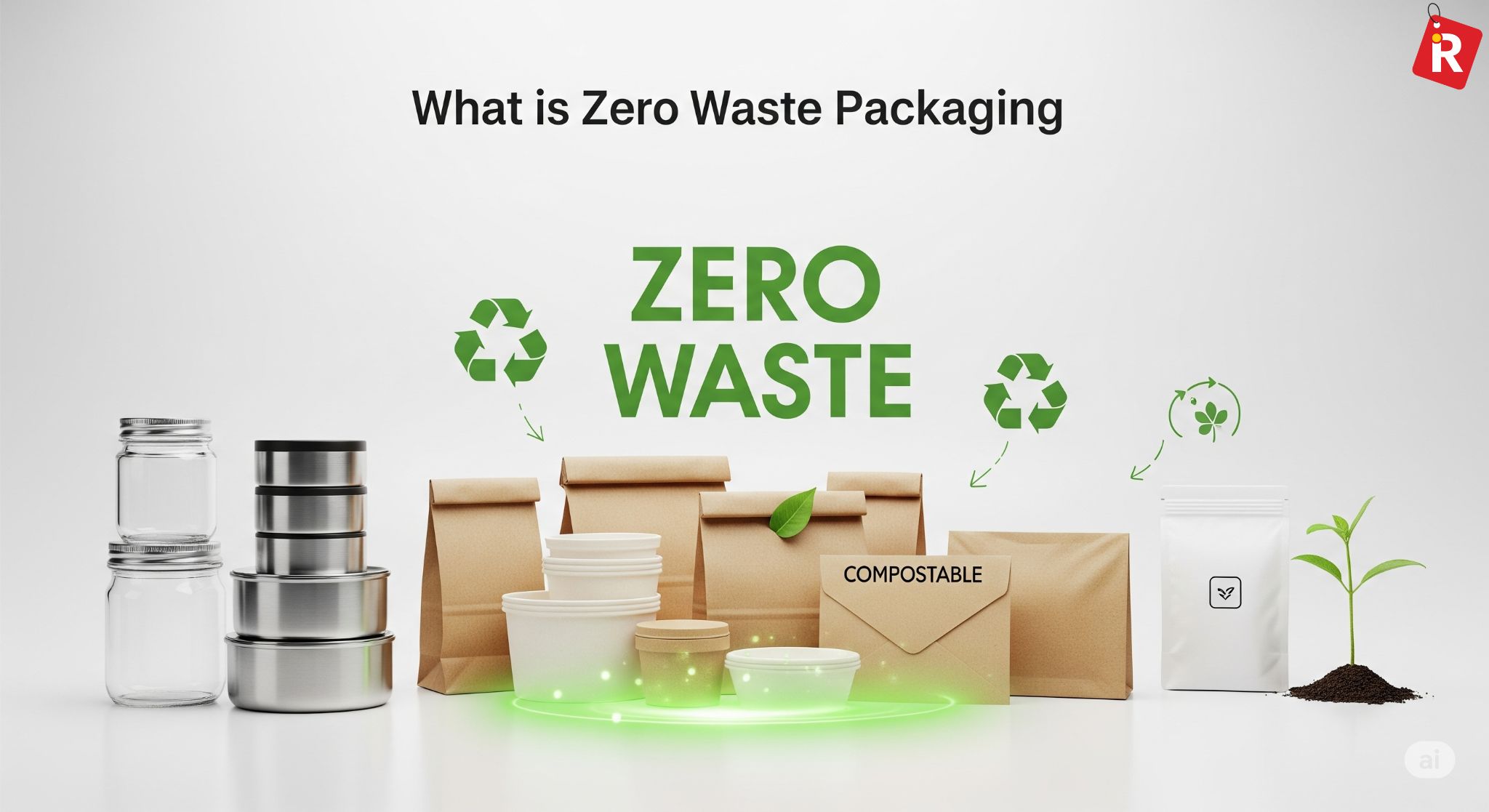
It's important to fully understand what zero-waste packaging actually means before diving into the advantages. Utilizing "recyclable" materials is only one aspect of it. According to the fundamental principles of "zero waste" (Reduce, Reuse, Recycle, Rot, Rethink), all resources must be made to be sustainably reused, composted, or returned to the environment rather than ending up in a landfill.
This leads to several important sustainable packaging options for restaurants:
- Compostable/Biodegradable Packaging: Packaging made from plant-based materials, such as sugarcane bagasse, cornstarch (PLA), bamboo, or palm leaves, is considered compostable or biodegradable. These are made to organically decompose in commercial composting facilities (and occasionally in household composts) and restore the soil with nutrients.
- Reusable Systems: The ultimate goal of zero waste is reusable systems. It involves putting in place initiatives that allow consumers to return containers for future usage. Examples include working with specialist container-share services or implementing deposit-return programs for takeout containers or reusable mugs.
- Minimalist or No Packaging: Promoting dine-in rather than completely doing away with takeout containers or encouraging customers to provide their own reusable takeout containers, particularly for large orders or drinks.
The goal is to establish a circular economy for packaging, in which materials and products are recovered and regenerated at the end of each service life after being used for as long as possible, and their maximum value is extracted while they are in use.
The Environmental Essentials
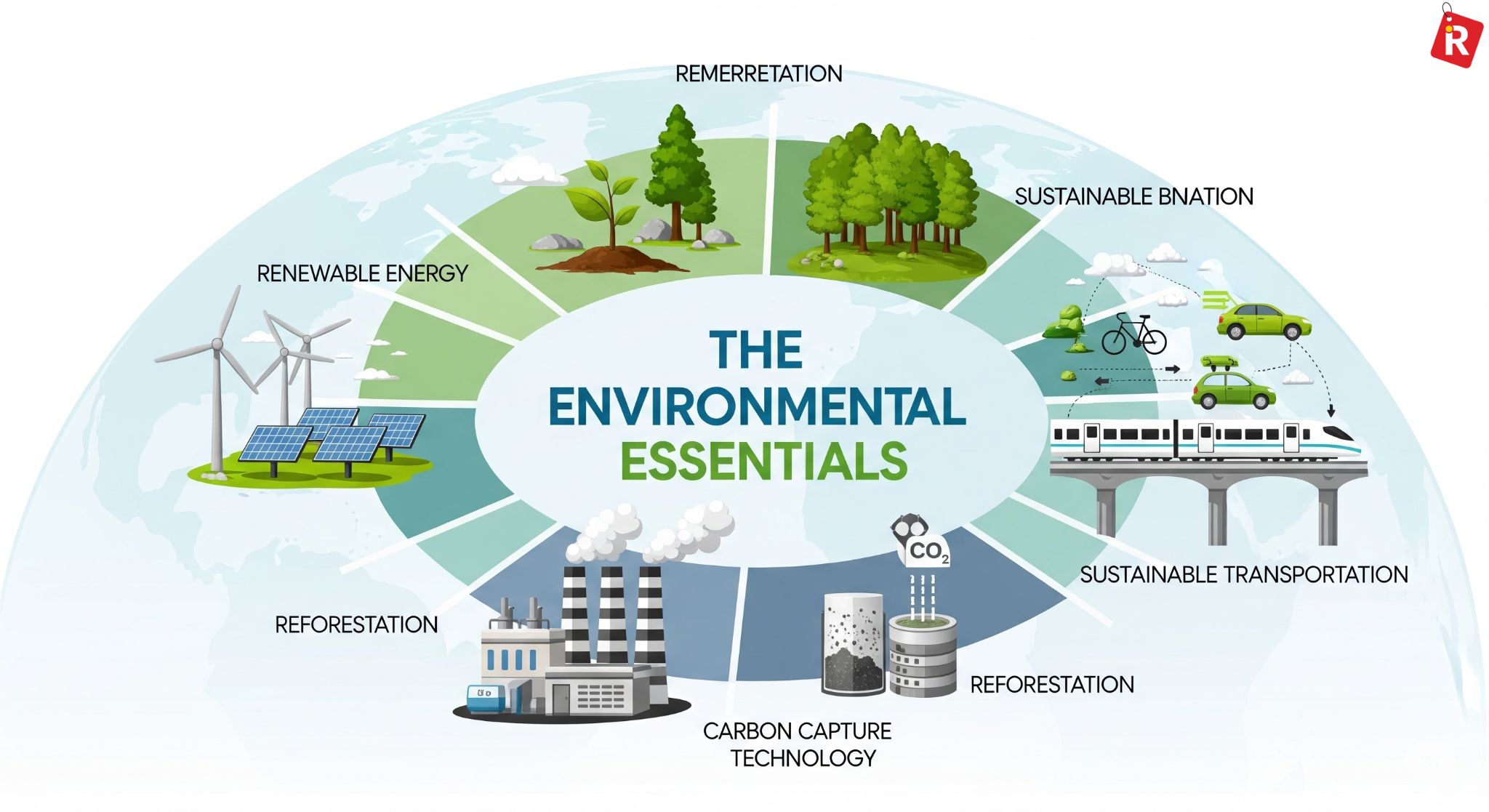
Changing the packaging that produces zero waste is a pressing environmental requirement. In particular, the amount of plastic pollution has increased to concerning proportions, affecting ecosystems all around the world.
Fighting Plastic Pollution: Every year, millions of tons of plastic debris end up in landfills and the ocean, degrading into microplastics that enter our food chain, killing wildlife, and contaminating ecosystems. This challenge is immediately addressed by restaurants implementing zero-trash efforts.
Reducing Carbon Footprint: Traditional packaging's manufacture, shipping, and disposal all have a major impact on greenhouse gas emissions. A restaurant's overall carbon footprint can be decreased by using sustainable packaging, which frequently uses less energy to make, requires less waste to be transported, and doesn't release methane into landfills.
Resource Conservation: Restaurants reduce their dependency on limited resources like fossil fuels (for plastics) and old-growth timber by giving priority to reused or quickly renewable materials. This encourages healthier consumption and the preservation of resources.
Aligning with Global Goals: Environmental responsibility is becoming more and more demanded by investors, governments, and consumers. A restaurant that adopts zero waste is in line with national and international environmental protection goals as well as larger environmental movements.
Know more: 8 Game-Changing Strategies to Expand Your Restaurant Brand
Tangible Benefits for Restaurants
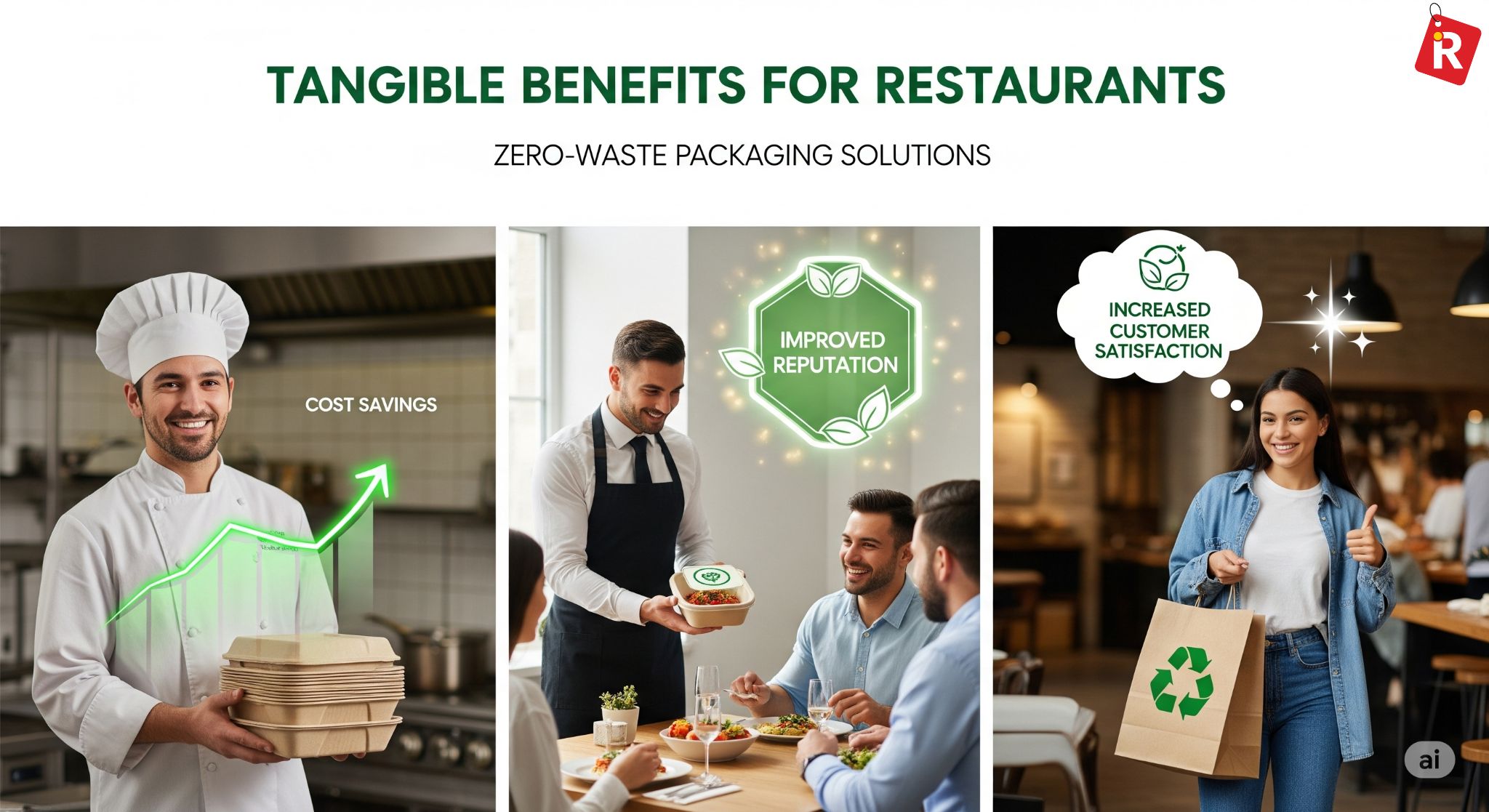
In addition to being morally right, zero-waste packaging makes a strong commercial argument for restaurants and has real benefits.
1. Enhanced Brand Reputation & Image
Values are important in today's market. Customers are increasingly considering a company's environmental and moral practices while making purchases.
- Attracting Eco-Conscious Diners: A sizeable portion of the consumer base actively looks for restaurants that are committed to environmental responsibility. Restaurants may quickly appeal to this expanding market by using eco-friendly packaging, attracting new customers who value sustainability.
- Leadership in Sustainability: A restaurant can establish itself as a trendsetter and leader in the sustainable hospitality sector by pledging to use zero-waste packaging. Customers, competitors in the industry, and local communities can all respect this.
- Good PR and Media Attention: Sustainable projects are newsworthy. Restaurants that use creative zero-waste solutions frequently get favorable press coverage, obtaining priceless earned media that spreads their message and reaches more people without spending money on advertising.
- Market Differentiation: Making an impression is essential in a highly competitive sector. A strong dedication to environmentally friendly packaging develops a unique marketing concept that sets your restaurant apart from competitors who continue to mostly use traditional, wasteful solutions. It demonstrates your restaurant's concern for more than just food.
2. Increased Customer Loyalty & Attraction
Modern diners are very value-driven, especially those from younger generations like Gen Z and Millennials.
- Shared ideals: A stronger emotional bond and sense of loyalty are created when a restaurant's environmental impact activities reflect the ideals of its customers. Consumers are pleased to support a company that shares their values on the environment.
- Word-of-mouth marketing: Happy, environmentally concerned customers are more likely to tell others about their great experiences, including the restaurant's sustainable practices, in addition to the food. This genuine word-of-mouth advertising is very efficient and economical.
- Improved Dining Experience: Even for takeout, many people find that knowing their food is packaged responsibly improves their entire dining experience. Beyond just taste, it offers a level of satisfaction.
What's new: How Awards Can Drive Diners to Your Restaurant
3. Long-Term Potential Cost Savings
Over time, zero-waste packaging can result in significant cost savings, even though there may be an initial expenditure.
- Reduced Garbage Disposal Fees: Municipalities or private garbage haulers will charge less for waste management when there is less rubbish because fewer bins will be collected. This financial advantage is obvious and instant.
- Bulk Purchasing & Reusability: Investing in reusable container systems removes the ongoing expense of continuously buying single-use items, even though the initial cost may be higher. Reusable containers can have significantly lower costs per use over time.
- Avoidance of Future Regulations & Taxes: "Plastic taxes" or complete prohibitions on specific single-use plastics are being implemented by governments all over the world. Restaurants may future-proof their operations and stay clear of possible fines, taxes, or expensive last-minute changes by installing sustainable packaging.
4. Operational Efficiencies
Adopting zero-waste packaging can improve daily operations in addition to lowering direct costs.
- Simplified Waste Management: The back-of-house waste management procedure becomes more structured and effective with separate streams for composting, reuse, and less landfill waste.
- Decreased Storage: By switching to reusable systems, businesses may find that they don't need to keep as much of a variety of single-use packaging, which will save valuable storage space.
- Better Staff Discipline: Establishing a transparent zero-waste policy frequently motivates employees to use resources more wisely and thoughtfully, which results in increased efficiencies.
5. Regulatory Compliance & Future-Proofing
In the commercial world, being ahead of the competition is essential.
- Preventative Compliance: Bans on things like plastic straws, bags, and foam containers are already being implemented in a number of towns and nations. Restaurants can potentially gain a competitive edge by using zero-waste packaging now rather than rushing to comply with upcoming rules.
- Opportunities for Certification: Some areas or groups provide sustainable business certificates, which can improve a restaurant's standing and possibly lead to incentives.
Challenges and Considerations
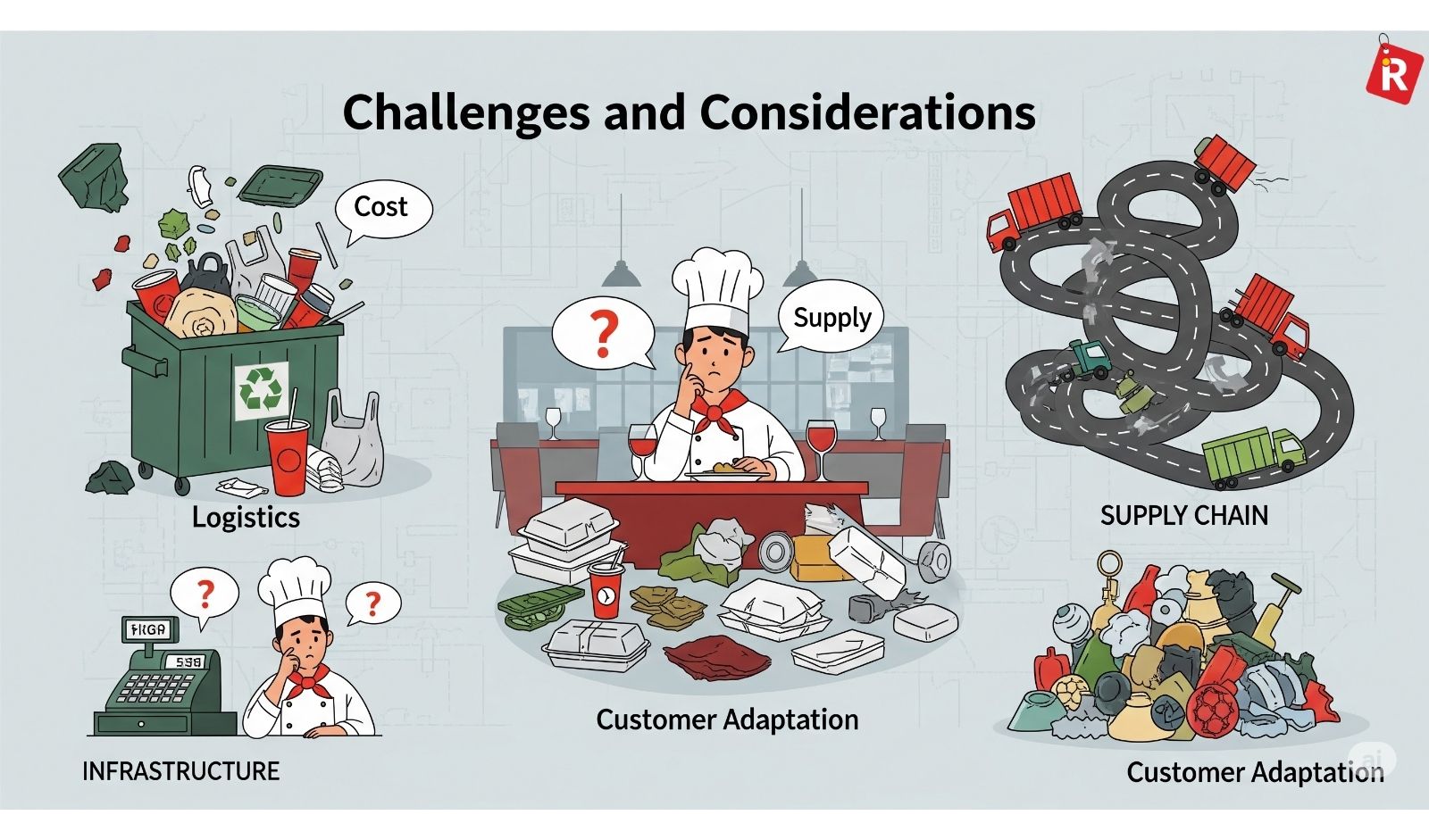
Although switching to zero-waste packaging has many advantages, there are drawbacks as well.
Initial Investment: Compared to traditional plastic, compostable or reusable packaging occasionally has a greater upfront cost per unit. Long-term savings and brand advantages must be considered while evaluating this, though.
Consumer Education: Consumers require clear directions on how to engage in reusable container programs or dispose of biodegradable packaging appropriately.
Logistical Complexity: Keeping track of inventories, handling returns of reusable containers, and making sure that everything is cleaned and sanitized correctly can all add levels of complexity to operations.
Supply Chain Reliability: It can occasionally be difficult to find really sustainable packaging that satisfies all performance standards (such as preservation of heat and grease resistance), requiring strict supplier screening.
Check out: 8 Strategic Pillars to Run a High-Performing Restaurant Franchise
How Carbon-Labelled Menus Attract Eco-Friendly Diners
Implementing Zero Waste Packaging: A Step-by-Step Approach
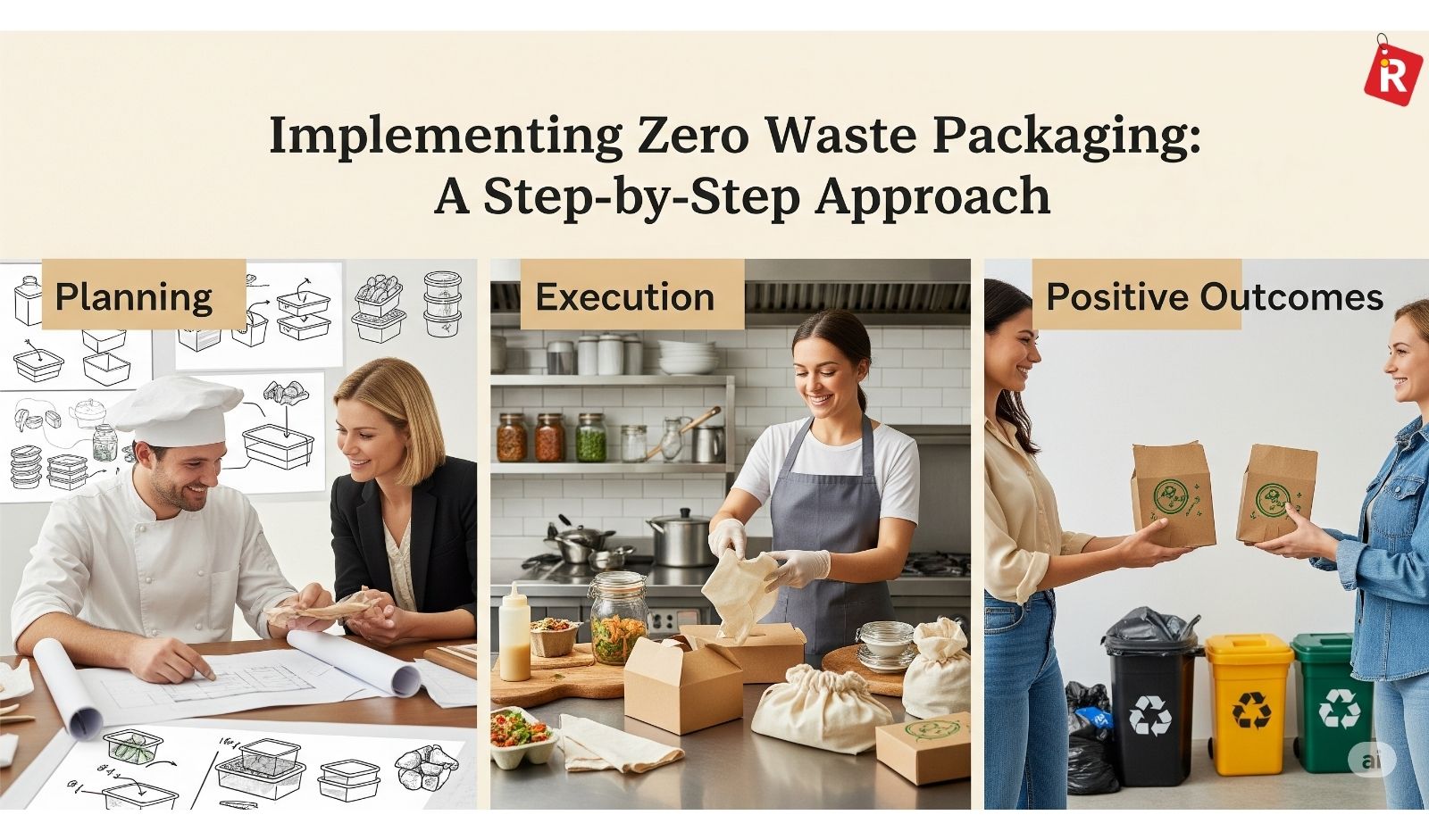
Examine Your Present Waste: Recognize the kinds and amounts of single-use packaging you presently use. This identifies the places with the greatest influence.
Research and Pilot Programs: Investigate various zero-waste packaging methods through research and pilot projects. To assess durability and consumer approval, begin with a modest pilot program for particular items or during off-peak hours.
Train Employees and Clients: Educate your staff about the new waste and packaging regulations. Using menu notes, signs, and social media, make sure your customers are aware of your sustainable initiatives. Give clear directions for return or disposal.
Collaborate with Reputable Suppliers: Look for suppliers who specialize in sturdy reusable container solutions or certified biodegradable materials. Check their claims and make sure they are consistently supplied.
Communicate Your Commitment: Don't only implement the program; communicate it so people know about this. Promote your environmentally friendly restaurant initiatives on your website, social media, and in-store. This not only informs but also motivates your consumers and community.
Start Small, Scale Up: Begin with one or two critical package items, then progressively expand your waste reduction efforts to cover your entire operation.
Read this: AI‑Driven Dynamic Pricing: The Next Big Shift in Restaurant Revenue Strategies?
Conclusion
The transition to zero waste packaging is more than just an environmental concern; it is a strategic need for modern restaurants. Businesses that use sustainable packaging solutions can considerably improve their brand image, create deeper consumer loyalty, enjoy long-term cost savings, and future-proof their operations against changing laws. In an increasingly sustainable world, restaurants that promote zero waste packaging are doing more than just helping the environment; they are actively constructing a more strong, respected, and successful business.
Mahak Sharma
Content Writer
Mahak Sharma is a passionate content writer with 2 years of experience crafting compelling content across various niches, tailoring her writing to suit different audiences and platforms. She is dedicated to producing engaging content for readers so that they can understand and enjoy the articles. Her strengths lie in crafting SEO-friendly, well-structured articles that drive visibility and engagement.



































































