
How Restaurants Are Adapting Traditional Hot Pot Recipes
Modern hot pot concepts now focus on experiential hospitality through live cooking stations, customizable broths, premium ingredients, and visually engaging restaurant interiors.

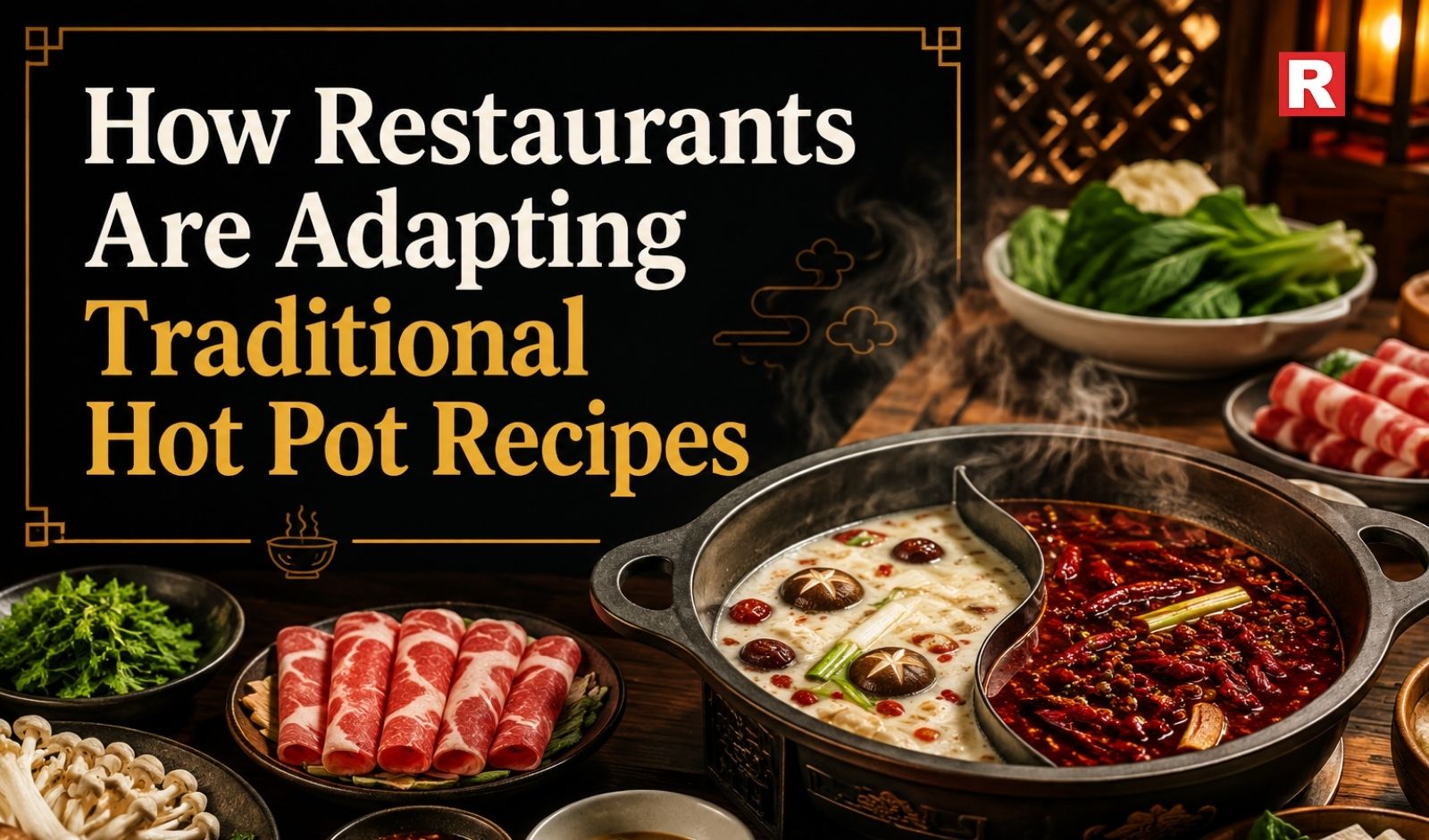
Hot pot was once seen as a simple communal meal deeply connected to Chinese culture and winter gatherings. Today, it has become one of the fastest-growing experiential dining formats across global restaurant markets. From luxury dining rooms in Asia to modern fusion restaurants in India, hot pot is evolving into a premium, customizable, and technology-driven food experience.
Consumers are no longer looking only for good food. They want interaction, comfort, storytelling, and personalization. That shift is pushing restaurants to redesign traditional hot pot recipes in ways that appeal to younger diners while still preserving authenticity. According to the National Restaurant Association, comfort food, local sourcing, and global flavor experiences are among the biggest restaurant trends shaping menus in 2026.
The Cultural Roots of Hot Pot
Traditional hot pot dates back centuries in China. It began as a warming meal shared among families and communities during colder months. Over time, different regions developed their own styles. The spicy Sichuan version became famous for its numbing mala flavors. Beijing-style hot pot focused more on mutton and lighter broths. Cantonese hot pot emphasized seafood and delicate flavors. Mongolian hot pot introduced thinner meats and simpler seasoning styles.
The beauty of hot pot has always been its social experience. Diners sit together around a simmering broth, slowly cooking meats, vegetables, noodles, and tofu while sharing conversations. Unlike fast dining formats, hot pot encourages people to stay longer and enjoy the process. Today, restaurants are using this emotional and communal appeal to attract consumers who are tired of rushed dining experiences.
Why Hot Pot is Becoming More Popular Globally
The global restaurant industry is seeing a strong shift toward experiential dining. Diners want meals that feel interactive and memorable. Hot pot naturally fits into this trend because customers actively participate in the cooking process. Many restaurant operators now view hot pot as more than a meal. It has become an entertainment-driven dining concept. According to Hotpot Intelligence 2026, hot pot is among the fastest-growing restaurant categories in parts of Southeast Asia, with strong year-on-year growth across urban markets.
Social media has also played a major role. Bubbling broths, colorful ingredient platters, and customized sauce stations create highly shareable dining moments. Younger consumers especially enjoy restaurants where the dining process itself becomes part of the experience. At the same time, hot pot allows restaurants to improve operational flexibility. Ingredients can be customized easily, menu pricing becomes more flexible, and diners often order additional items throughout the meal. Some restaurant professionals also note that longer table engagement can increase beverage sales and repeat visits. Discussions around hot pot’s growing restaurant presence have also gained traction across food communities online.
How Restaurants Are Modernizing Traditional Hot Pot Recipes
One of the biggest changes happening in hot pot restaurants is the modernization of broth recipes. Traditional oily and spicy broths are now being redesigned to suit health-conscious consumers.
Restaurants are introducing:
- mushroom collagen broths
- herbal soup bases
- vegan stocks
- low-sodium options
- bone broth variations
- fermented soup bases
Many consumers now associate food with wellness. This is encouraging chefs to create lighter and cleaner hot pot experiences without losing depth of flavor. Industry reports show that health-focused comfort foods are becoming increasingly important in restaurant menus globally. Regional adaptation is another major trend shaping hot pot innovation. Restaurants are blending traditional hot pot with local flavors and ingredients. Korean kimchi hot pot, Japanese shabu-shabu, Thai tom yum hot pot, and Vietnamese herb-based broths are becoming increasingly common across international restaurant chains. In India, chefs are creating localized hot pot concepts designed specifically for Indian palates.
Some restaurants are experimenting with:
- curry-infused broths
- paneer platters
- millet noodles
- tandoori vegetables
- spice-heavy dipping sauces
- masala-based soup stocks
This localization helps restaurants introduce hot pot to consumers who may not be familiar with traditional Chinese flavors.
Premium Dining is Changing the Hot Pot Industry
Hot pot is no longer positioned only as an affordable group meal. Many restaurants are turning it into a luxury dining format. Premium ingredients are becoming central to modern hot pot menus.
Restaurants now offer:
- Wagyu beef
- handcrafted seafood balls
- organic vegetables
- handmade noodles
- artisanal tofu
- imported mushrooms
- fresh seafood platters
This shift reflects a broader restaurant industry trend where comfort foods are being elevated through better ingredients and storytelling. According to recent restaurant trend forecasts, diners are increasingly willing to spend more on familiar foods when quality and experience improve. Restaurant interiors are also becoming more immersive. Modern hot pot restaurants focus heavily on mood-driven dining spaces with warm lighting, open kitchens, traditional Asian décor, and interactive sauce counters. Consumers today want restaurants that feel emotional and personal instead of overly formal. This emotional comfort factor is becoming one of the strongest drivers behind modern restaurant design trends.
Technology is Transforming the Hot Pot Experience
Technology is playing a major role in how restaurants manage and serve hot pot.
Many modern restaurants now use:
- QR-code ordering systems
- tablet-based broth customization
- conveyor belt ingredient systems
- smart induction cooktops
- robotic ingredient delivery
- automated billing systems
These upgrades improve operational efficiency while also making the dining process smoother for customers. Some restaurants are even using AI-driven systems to recommend ingredients based on customer preferences and dietary habits. This helps create a more personalized dining experience while also supporting inventory forecasting and reducing food waste. Conveyor-belt hot pot formats are also becoming popular because they simplify ingredient selection and improve customer engagement. Food communities online have discussed how these formats create convenience while also increasing interaction during dining.
The Rise of Solo and Individual Hot Pot Dining
Traditionally, hot pot was designed for large groups. However, changing consumer lifestyles are forcing restaurants to rethink this format. Solo dining culture is growing rapidly across urban markets. Many consumers now prefer eating alone without sacrificing the experience of restaurant dining.
As a result, restaurants are introducing:
- individual broth stations
- personal induction cookers
- single-serving hot pots
- compact table setups
- solo dining booths
This approach allows restaurants to attract office workers, younger urban diners, and consumers looking for flexible dining experiences. Modern individual hot pot setups also improve hygiene and customization. Diners can fully personalize spice levels, broth types, and ingredients without sharing cooking space.
Sustainability is Becoming Important
Sustainability is another reason why hot pot fits well into future restaurant models. Hot pot naturally supports flexible ingredient usage. Restaurants can reduce waste by using vegetables, broth bases, mushrooms, tofu, and seasonal produce more efficiently.
Many restaurants are now focusing on:
- local sourcing
- seasonal menus
- plant-forward ingredients
- sustainable seafood
- reduced packaging
- low-waste kitchen systems
The restaurant industry’s growing focus on local sourcing and sustainability is expected to remain a major trend in 2026. Consumers are also becoming more conscious about ingredient transparency. They want to know where their food comes from and how it is prepared. Restaurants that combine sustainability with authentic storytelling are gaining stronger customer loyalty.
The Future of Hot Pot Dining
Hot pot is no longer limited to being a traditional Chinese communal meal. Restaurants across global and Indian markets are transforming it into an immersive dining experience that combines food, interaction, and personalization. Modern hot pot concepts now focus on experiential hospitality through live cooking stations, customizable broths, premium ingredients, and visually engaging restaurant interiors. Consumers are also driving demand for healthier options such as low-sodium soups, plant-based ingredients, and collagen-rich broths, reflecting the growing wellness-focused eating trend. At the same time, social dining culture continues to make hot pot popular among younger consumers who value shared food experiences and longer dining interactions. Restaurants are blending authenticity with innovation by introducing regional flavors, technology-driven ordering systems, and sustainable sourcing practices. This balance between tradition and modernization is helping hot pot emerge as one of the most adaptable and future-ready restaurant formats worldwide.
Saptopriya Ghosal
Feature Writer
I am a dedicated media professional with a bachelor's degree in mass communication from the State University of Calcutta and a postgraduate degree from Amity University. My academic journey has equipped me with a profound understanding of storytelling and communication. Passionate about the dynamic world of media, I continually strive to explore new ways to engage and inform through compelling narratives.



































































