How India's Cocktail Culture is Redefining the Modern Bar Experience
While cities such as Mumbai, Bengaluru and Delhi continue leading India's cocktail movement, growth depends on expanding beyond metropolitan centers.

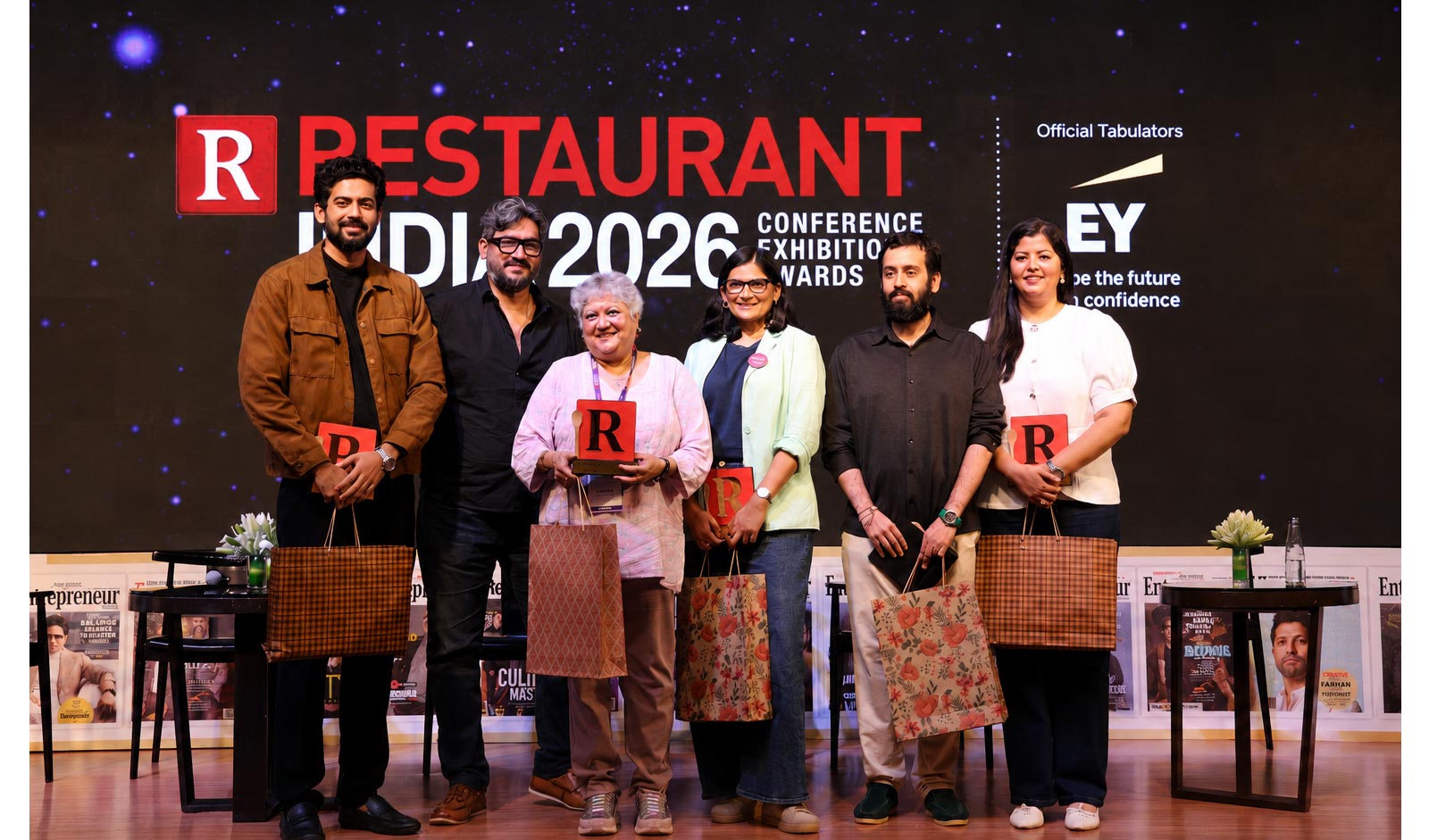
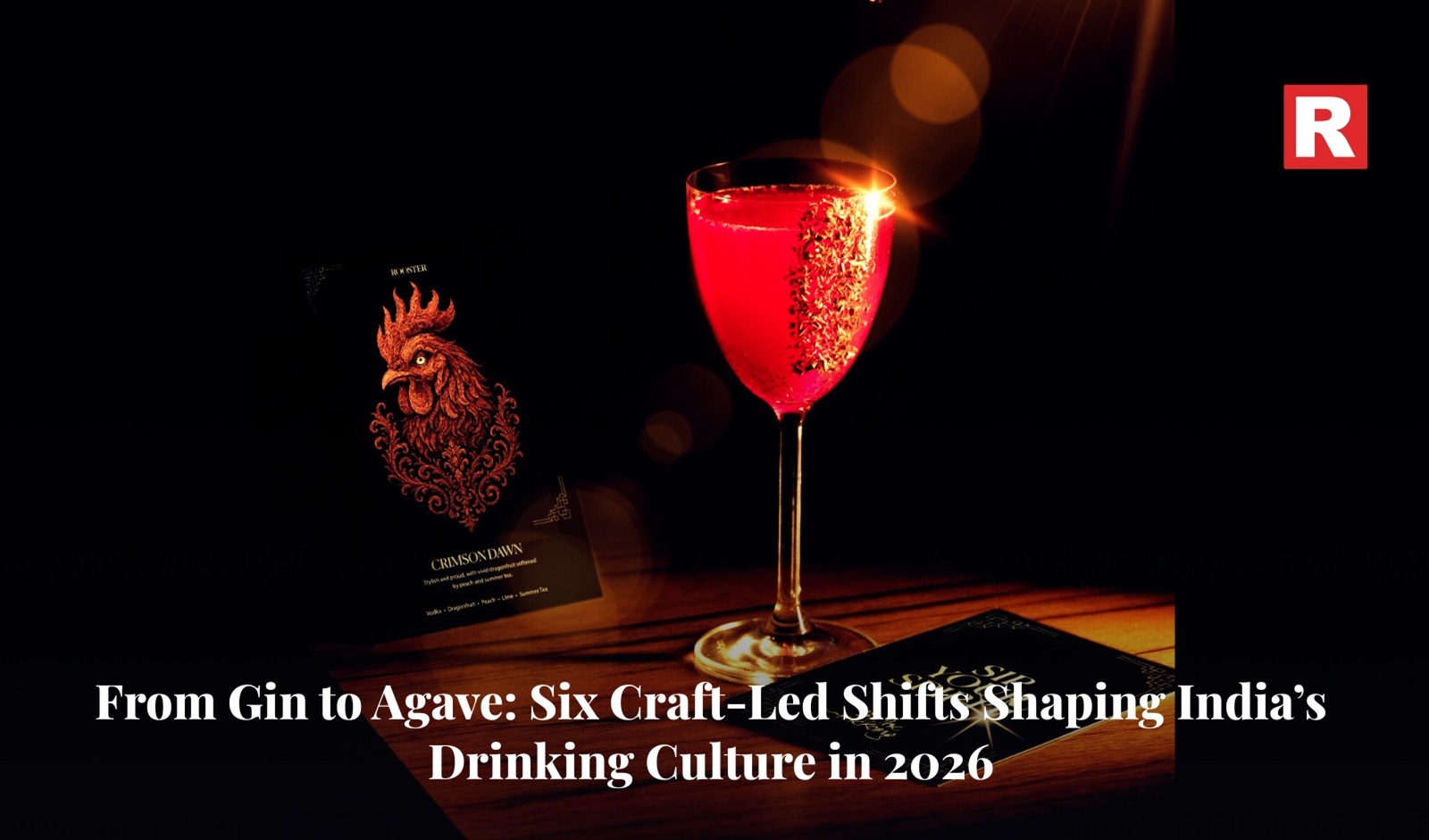
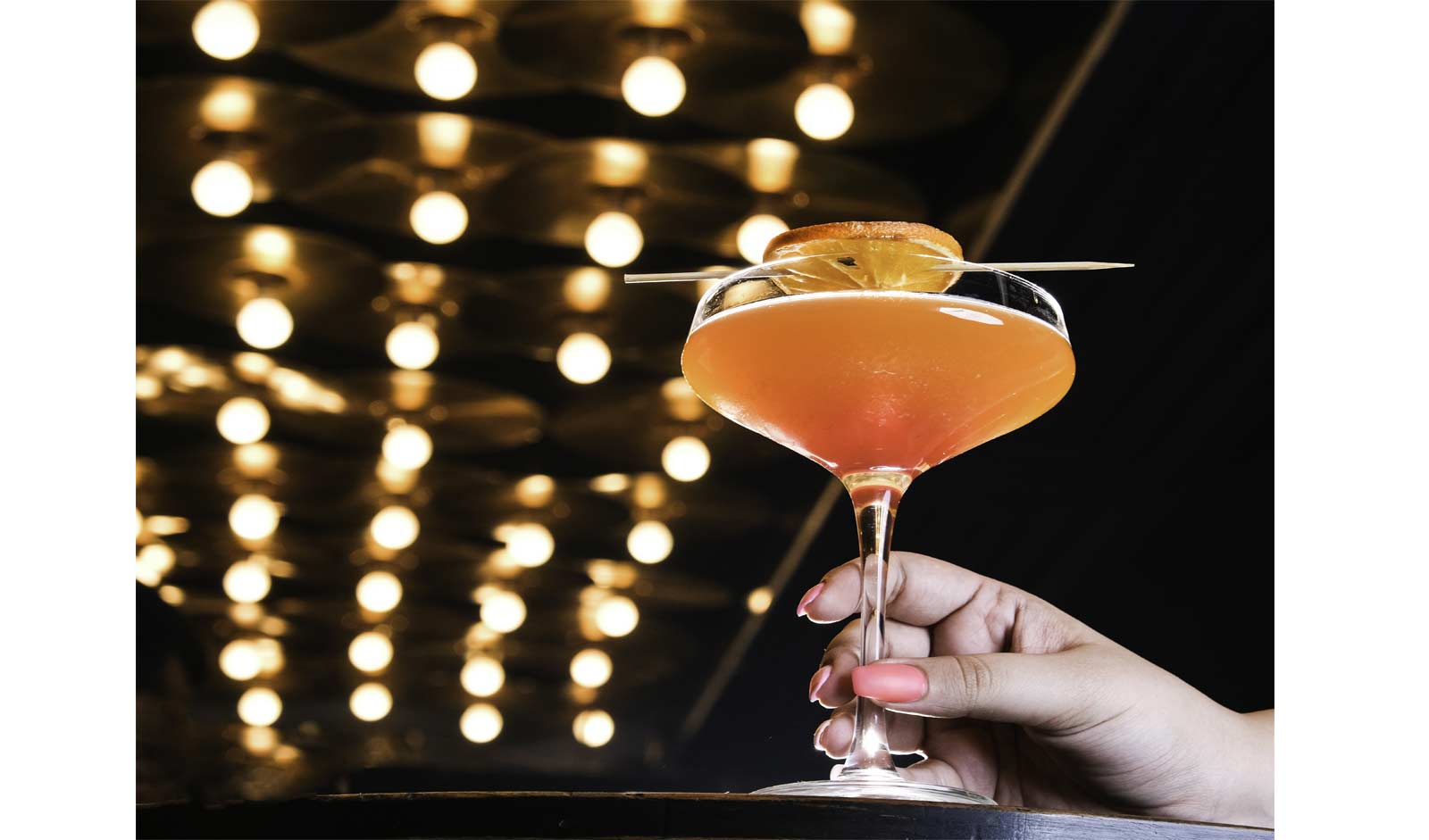
India's bar culture is evolving rapidly, moving beyond classic cocktails and conventional drinking spaces to embrace creativity, regional ingredients and immersive guest experiences.
Today's bars are more than places to enjoy a drink; they are destinations where storytelling, craftsmanship and personalised hospitality come together. While innovation continues to redefine the cocktail landscape, industry leaders believe it should always complement, not overshadow, exceptional service. The future of India's cocktail industry lies in balancing innovation with simplicity while keeping the guest experience at its core.
The Bar Has Always Been About People
Bars have traditionally served as spaces where people disconnect from everyday pressures. Rather than becoming overly technical or intimidating, bars should remain welcoming spaces centered on conversation, enjoyment and human connection.
The role of the bartender extends beyond mixing drinks. A great bartender creates memorable experiences, understands guests and builds relationships that encourage repeat visits.
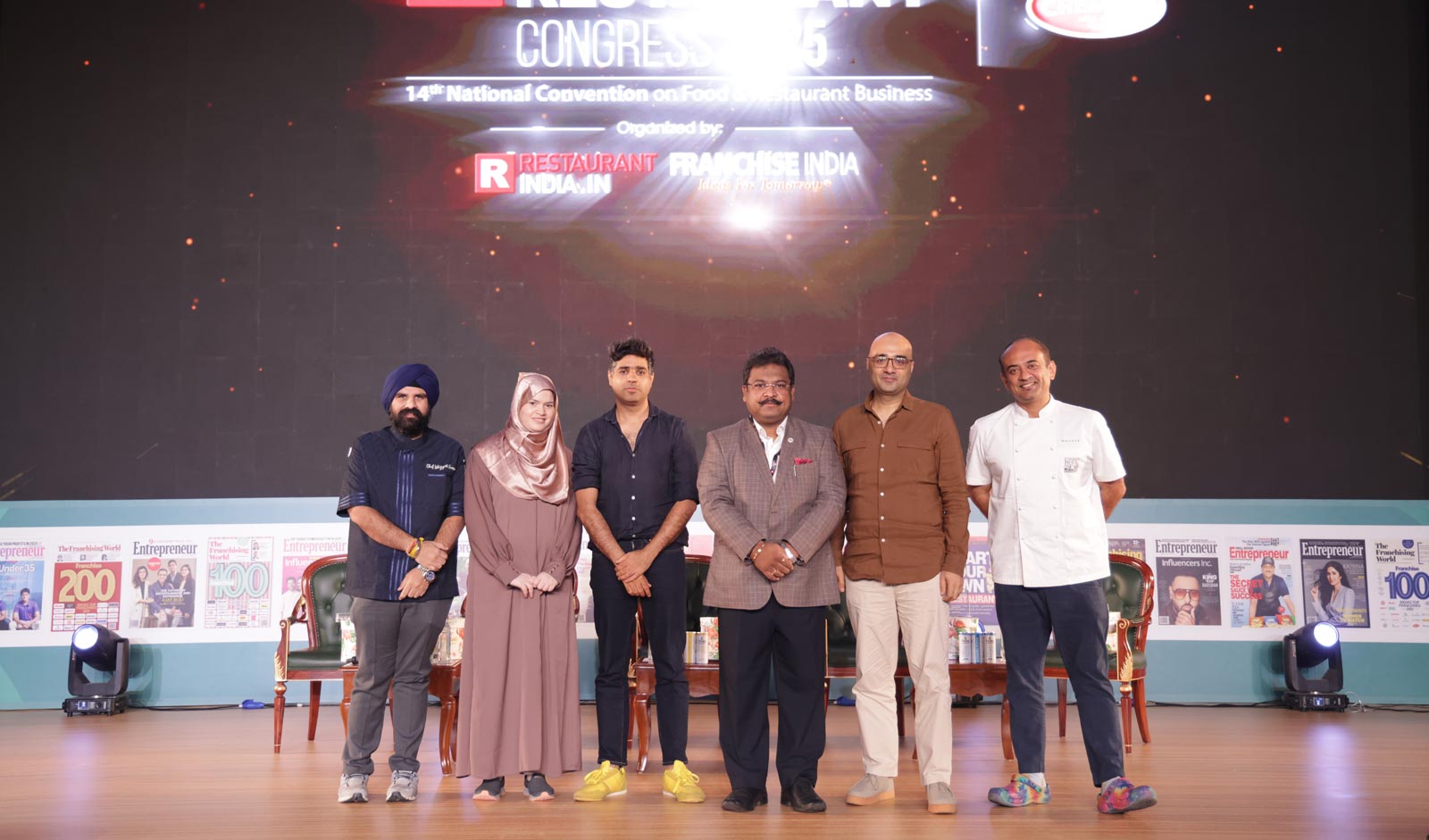
"A bar is where people come to wind down after a long day, relax and have fun. We should never lose sight of that,” said Shatbi Basu, Creative Consultant & Founder of STIR Academy of Bartending.
While cocktail techniques have advanced considerably, that sense of personal interaction has gradually diminished.
India's Cocktail Revolution Has Arrived
Among the strongest themes throughout the discussion was the extraordinary growth of India's cocktail industry.
Niketa Sharma, Founder of Keish Hospitality said, “Our country has entered an exciting phase where bars are no longer simply replicating Western concepts but are beginning to establish their own identity. The evolution over the past five years has been especially significant.”
Cocktail menus have become more collaborative, ingredient-driven and story-focused with bartender creating experiences inspired by travel, culture and local narratives.
"The cocktail industry has become far more collaborative, ingredient-focused and driven by storytelling,” added Pratik Gaba, Founder of HOM, Adam & Eve.
Gaba explained how his intimate cocktail bar focuses on delivering an experience rather than volume. For him, cocktails represent discovery—new ingredients, unfamiliar flavours and fresh cultural influences. This shift reflects changing consumer expectations.
Local Ingredients Are Becoming India's Greatest Strength
Perhaps the biggest transformation within Indian cocktail culture is the industry's growing confidence in indigenous ingredients.
Vaishali Mehta, Founder, Swa Syrups said, “Instead of depending heavily on imported syrups, herbs and flavouring agents, bartenders are increasingly exploring India's vast agricultural diversity. From kokum and Himalayan herbs to regional spices, tropical fruits and native botanicals, India's culinary heritage offers an enormous palette for cocktail innovation.”
"We're finally using locally sourced ingredients and regional spices instead of relying entirely on international flavours,” added Sharma.
India Is Ready to Become a Global Cocktail Destination
India can emerge as one of the world's most exciting cocktail destinations.
Adding up, Prathik Shetty, Founder, 1522 Bar & Kitchen, House of Paloma said, “Rather than travelling abroad to discover innovative bars, international enthusiasts may increasingly visit India specifically to experience its unique drinking culture. The country's diversity of ingredients gives it an extraordinary competitive advantage.”
Unlike regions with relatively limited botanical diversity, India possesses thousands of herbs, spices, fruits and traditional flavour combinations that remain largely unexplored.
Sharma shared, “In the next four or five years, people will come to India to experience cocktails made with our own local ingredients."
While Shetty noted that these days, bartenders try to innovate or invent something on their own rather than copying something and we are motivating them.
Innovation Must Never Replace Hospitality
Despite celebrating creativity, technique dominates guest experience. Advanced preparation methods, clarification, molecular techniques and laboratory-style experimentation have become increasingly fashionable.
If cocktails become completely pre-batched or inflexible, bartenders lose the ability to personalise drinks according to customer preferences. Hospitality has evolved. Guests already know what they want to drink. We cannot force our ideas on them,” mentioned Mayank Bhatt, Founder of All in Hospitality.
Signature creations attract attention; classics continue to define bartending excellence. A perfectly executed Mojito, Old Fashioned or Negroni reveals far more about a bartender's skills than an elaborate drink containing dozens of ingredients.
"Keep the classics classic. Innovation should complement, not replace—the integrity of timeless recipes, “shared Bhatt.
Guests often judge a bar by how consistently it executes universally recognised drinks.
Why Simplicity Wins
Another recurring message was that many cocktail programmes have become unnecessarily complicated.
Shetty humorously suggested that cocktails containing twenty ingredients resemble "chutney" more than balanced drinks.
"Three or four great ingredients are enough. If twenty ingredients compete in one glass, nobody wins. We can make cocktails as per the customer’s choice as well,” pointed Gaba.
Mehta added, “While we try to understand and see, we have worked with many bartenders over the years. Don’t overcomplicate the things. The ingredients play an important role, but have to standardize the operations. Managing the backened is important.”
Every ingredient should contribute meaningfully rather than merely increasing complexity.
Training Bartenders for the Future
If India's cocktail industry is to continue evolving, education will become essential. Bartenders receive limited opportunities to explore creativity or personalise drinks. Instead, they often rely heavily on predefined recipes.
"We need to give bartenders the confidence to create something special—even if it isn't on the menu. Empowering bartenders ultimately enhances guest satisfaction while strengthening brand loyalty.” said Sharma.
While cities such as Mumbai, Bengaluru and Delhi continue leading India's cocktail movement, growth depends on expanding beyond metropolitan centers.
Bhatt believes that flavor profile while focusing on the technique is important. And, there is technique in everything we do.
Shetty mentioned, “Keep the classics simple and experiment in something else. Training the bartender goes long way.”
However, the challenge lies in ensuring that high-quality ingredients, standardised processes and bartender education become accessible nationwide. Only then can India's cocktail culture achieve genuine scale.
Vijetha Iyer
Content Editor
Working as a Content Editor with Restaurant India. I have worked in various sectors like food and beverage sector, chemicals, pharma, nutraceuticals, now specially focusing on restaurant side. But my core knowledge was always on content. Be it writing poems to verses, I always loved writing and have been exploring my career on the same. In Restaurant India, I deliver insightful stories, take interviews of various brands and update the audiences about the newest happenings in the restaurant industry.