
How Indian Restaurants Can Use Food Science to Create Irresistible Dishes
Food science is a way of understanding the chemical reactions that can help the food become more delicious. This knowledge can also help to elevate traditional Indian recipes.

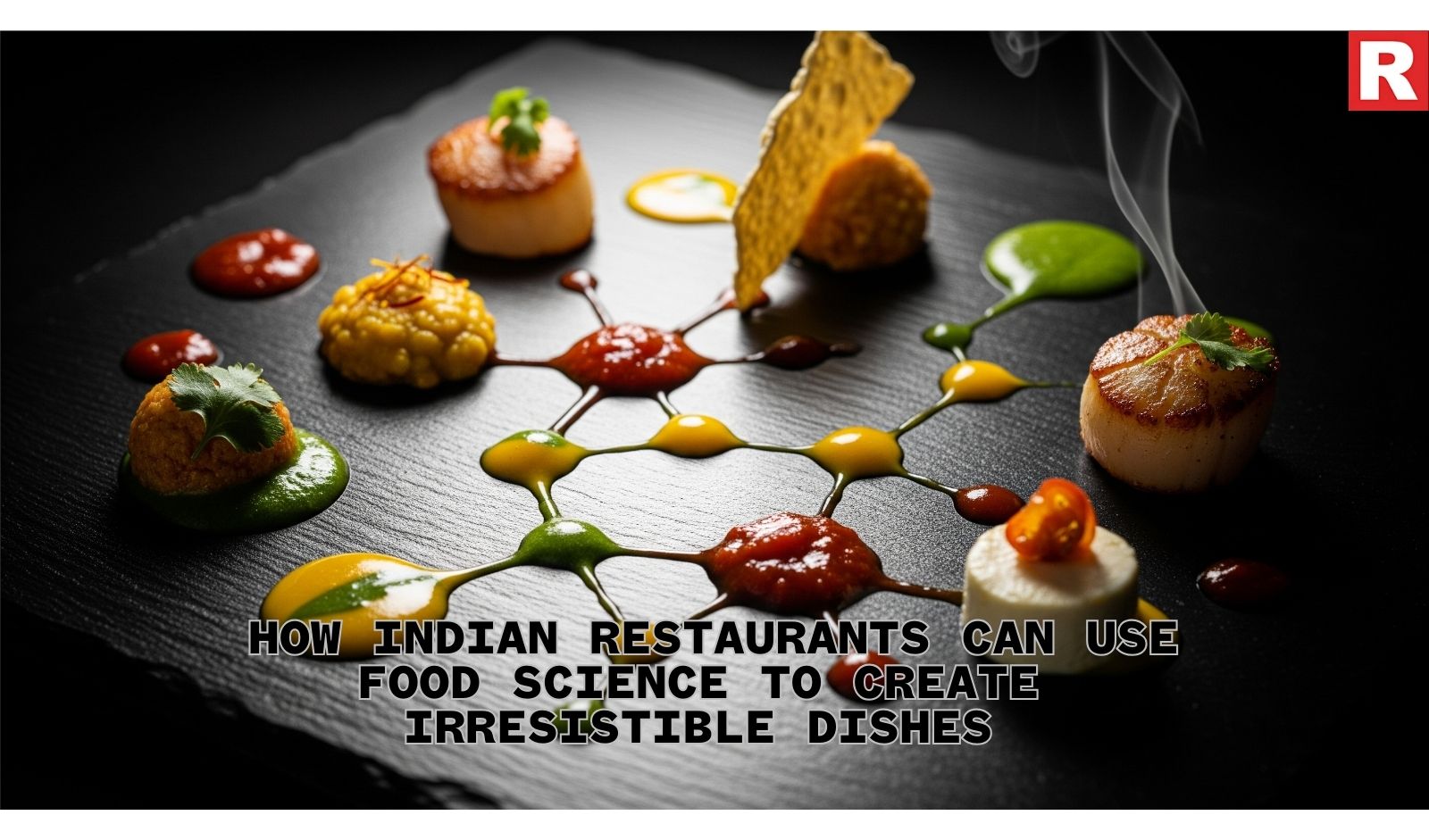
For centuries, Indian food has captivated people with different palates all around the world with its rich, multi-layered flavors, vivid colors, and complex scents. It is said that only a chef who has mastered the art of dish balancing through generations of knowledge inherited from their predecessors can possess this magic. However, what if we told you there's a science behind this artistry? This is known as Food Science in the modern world.
In an already competitive food sector, simply serving good food is no longer enough. Most of today’s modern restaurants have started using the art of food science to bring magic to their food. This technique can help the restaurants attract more customers who are looking for a great dining experience. Food science is a way of understanding the chemical reactions that can help the food become more delicious. This knowledge can also help to elevate traditional Indian recipes. In this article, we will be exploring the ways that can help the Indian restaurateurs apply the principles of food science to create unforgettable dishes.
Read more: Best International Cuisines You Should Try Once
What is Food Science? How does it work?
The study of food's physical, biological, and chemical composition, as well as the biological foundations of food preparation, is known as food science. It is an art form that enhances food safety, quality, and nutrition by utilizing chemistry, biology, physics, and engineering.
Key Aspects of Food Science
- Food Chemistry: Investigates the components of food, such as the vitamins, minerals, fatty acids, proteins, and carbs. It also investigates the chemical alterations that food goes through while being processed, stored, and cooked, like the Maillard reaction that gives food its savory, browned crust.
- Food Microbiology: Focuses on the microbes that are present in food, both good (such as those that aid in fermentation) and bad (such as those that lead to spoiling or foodborne illness). This area is essential for creating preservation techniques and guaranteeing food safety.
- Food Engineering: Designing and creating systems and equipment for food processing is the focus of food engineering. It enhances food production by using engineering concepts for everything from packaging and quality control to pasteurization and refrigeration.
- Nutrition: The study of food's nutritional content and how it affects human health. This covers the creation of dietary supplements and food supplements.
Know more: Fundraising For A Restaurant: How it Works?
Different Types of Food Science Techniques and How to Use Them
Let us take a good look at some food science techniques and their reactions. We will also see the ways to incorporate them into the restaurant’s kitchen:
1. The Maillard Reaction: The Secret to a Perfect Sizzle

One of the most important chemical reactions in cooking is the Maillard reaction, which is also known as the best friend of a chef. It's what gives a nicely seared paneer a rich, nutty crust, why a tandoori chicken has a lovely, smoky char as it comes out of the oven, and why caramelized onions give a curry such a deep sweetness.
In simpler terms, this is a complex process that involves amino acids and reducing sugars. These compounds react when the food is heated to a certain temperature (typically above 140°C or 285°F). This creates hundreds of new flavor and aroma molecules in the food.
How to use it in your kitchen:
- Tandoori Excellence: The Maillard process performs well in a tandoor oven's high heat. Make sure the marinated meat or veggies are dry on the outside before cooking to improve them. That golden-brown crust can also be achieved with a thin layer of fat, such as ghee.
- Caramelizing Onions: Take your time. The natural sugars in onions caramelize when they are cooked gently over low heat, giving any curry a rich, sweet, and deep foundation. This is an essential step in making a traditional Dal Makhani or a rich Rogan Josh.
- Searing Proteins: Proteins that are seared in a hot skillet before being added to a curry, such as chicken, fish, or even tofu, can maintain their flavor and offer a level of depth that might otherwise be missing.
2. The Art of Acidity: Balancing the Palate
Indian food is renowned for its strong flavors, which are flavorful, spicy, and frequently creamy. In the absence of a complementary acidic component, a dish may feel flat or heavy. A key element that clears the palate, enhances flavors, and encourages you to take another mouthful is acidity. Consider it the high note in a symphony of flavors.
How to use it in your kitchen:
- Final Touches: A dish can be transformed with a dash of amchur (dried mango powder) or a squeeze of fresh lemon juice right before serving. For this reason, a chhole bhature or dal tadka requires a last squeeze of lime.
- Tamarind and yogurt: They are essentials for a reason. In addition to softening meat, yogurt gives a sour taste that balances the richness of korma or biryani. Likewise, tamarind gives South Indian soups like sambar a rich, tangy sourness.
- Pickles and chutneys: These are expertly prepared acidic ingredients that are meant to enhance a dish; they are more than just accessories. While a sweet-and-sour tamarind chutney might cut through the richness of a snack like samosas, a sharp, tangy pickle can balance a fatty meal.
What's new: A Modern Guide to India's Fitness-Focused Restaurant Concept
3. Umami: The Fifth Taste in Indian Cuisine
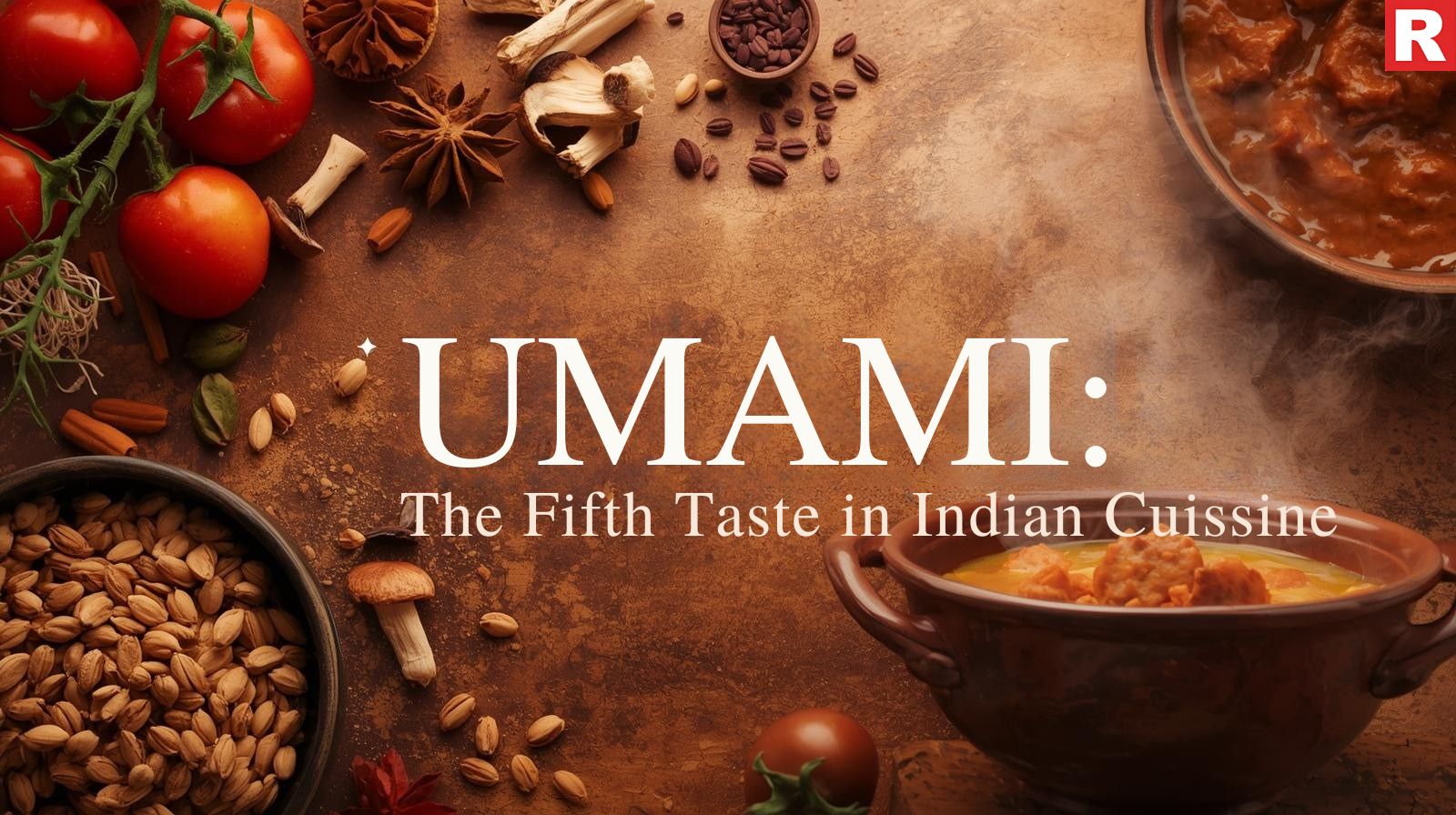
Umami is a more subtle, savory flavor that gives food a rich, fulfilling depth, whereas salt, sweet, sour, and bitter are all readily identifiable. This naturally occurring element, which is frequently referred to be "meaty" or "broth-like," is what gives a dish its authentic flavor.
How to use it in your kitchen:
- Tomatoes: The umami potency of slow-cooked tomatoes is immense. Glutamates, the chemical ingredient that gives them their umami flavor, are released and concentrated during cooking.
- Mushrooms: A natural source of umami is mushrooms. Their earthy, savory flavor will be enhanced by sautéing them until they are well-browned, which makes them a fantastic addition to vegetarian curries.
- Fermented Foods: The chemical process of fermentation adds taste to food. Idli and dosa batters, as well as buttermilk (chaas), are examples of fermented Indian cuisine that have a mild umami flavor.
- Aged Cheeses: You may add a powerful umami boost to fusion recipes by using aged cheeses like Parmesan (or an Indian substitute).
4. The Role of Texture: A Feast for the Senses

Texture is a key component of the multisensory experience that is food. It is much more intriguing and fulfilling to consume a food with a range of textures rather than one that is continuously mushy.
How to use it in your kitchen:
- Crunch & Crispness: To add a pleasing crunch, finish with a final garnish of roasted cashews, crispy sev, crushed peanuts, or fried onions. The combination of crisp, soft, and moist textures is what makes pani puri and bhel puri tempting.
- Creaminess & Smoothness: To make a silky, creamy sauce for a malai kofta or shahi paneer, use a finely ground nut paste (almond or cashew).
- Contrast is key: Serve a flaky paratha or a crispy dosa beside a warm, tender curry. Additionally important is the contrast between a hard protein (such as a paneer cube or a well-cooked chicken breast) and a silky sauce.
5. Flavor Pairing: Beyond the Basics
Through the analysis of the chemical compounds found in various foods, food science has revealed many secrets of flavor pairing. This enables chefs to create surprising yet delicious pairings that go beyond traditional pairings. For instance, basil shares some of the flavor molecules found in coconut and ginger, so a recipe that combines them can seem both familiar and unique at the same time.
How to use it in your kitchen:
- Spices and Fruits: Spices such as cardamom, nutmeg, and cinnamon have volatile components in common with apples and pears. With this information, you can make elegant desserts with an Indian twist.
- Chocolate and Chili: A well-known example of a scientifically proven combination is chocolate and chili. A surprise and well-balanced flavor experience is produced by the flavanols in chocolate and the capsaicin in chili peppers.
- Mint and Cucumber: These two fresh, cooling ingredients are frequently used in salads or raitas. Knowing the science underlying this combination can lead to new applications, such as cucumber-and-mint chutney or water infused with mint.
Check Out: A Comprehensive Guide to In-house Restaurants in the Indian Market
Making your Restaurant Future Ready: Building Experiential Brands
6. The Science of Spices: From Bloom to Boost
One essential method in Indian cooking is the tempering of spices, also referred to as tadka or chaunk. In itself, this is a scientific procedure. Adding whole spices, such as cumin seeds, mustard seeds, and asafoetida, to hot oil or ghee causes their flavor compounds to "bloom," giving the oil a deep flavor and aroma.
How to use it in your kitchen:
- Timing is Everything: Timing is crucial since every spice has a unique smoke point and ideal release period for its flavor. To keep them from burning and becoming bitter, it's important to add them in the right order. Add the whole spices first, then the powdered spices.
- Control of Temperature: The oil should be hot enough to release the flavors without burning the spices right away. A sizzle is good, a flaming cloud of smoke is not.
7. Temperature and Presentation
The last two components that can improve a dish are frequently disregarded.
- Serving Temperature: How we taste a meal is significantly influenced by its serving temperature. It is best to serve a raita or salad cold to highlight its refreshing features, and a hot curry hot to enhance its scents.
- Visual Appeal: Our eyes are the first to take in the food we eat. A wonderful meal starts in motion by an elegantly prepared dish, featuring an organized arrangement of garnishes and a balance of colors. An eye-catching garnish, such as a sprinkling of paprika, a spoonful of contrasting yogurt, or fresh cilantro, can enhance the appearance of a dish just as much as its flavor.
Read this: How to Find Your Niche in the Restaurant World
Conclusion
Food science is not about using a sterile laboratory method to replace the natural artistic talents of Indian cooking. Rather, it aims to give a more thorough explanation of the "why" underneath traditional techniques. A new level of culinary perfection can be achieved by Indian restaurants by fusing the knowledge of centuries-old recipes with contemporary scientific ideas.
Indian cuisine's future is in improving upon its traditional dishes rather than merely re-creating them. It's about a chef who knows why a bit of tamarind makes a rich curry delicious, why a nicely charred onion produces a deep umami, and why a pinch of sugar balances a tomato sauce. Indian eateries may create a new generation of genuinely remarkable meals by embracing this blending of art and technology.
Mahak Sharma
Content Writer
Mahak Sharma is a passionate content writer with 2 years of experience crafting compelling content across various niches, tailoring her writing to suit different audiences and platforms. She is dedicated to producing engaging content for readers so that they can understand and enjoy the articles. Her strengths lie in crafting SEO-friendly, well-structured articles that drive visibility and engagement.



































































