
How Health & Wellness Trends Are Redefining Indian Dessert Menus
Across the metro cities, the diners are becoming more and more health-conscious and choosing options that are aligned with their healthier lifestyles. This also includes that sweet dishes are no longer allowed to be too unhealthy or too sweet. This has led to a significant shift in the dessert menus of many restaurants, cafes, and bakeries.


The food sector of India is undergoing a significant transformation in a way that we might have never even thought about in the past. We know that the final star of any Indian meal is a rich and sweet dessert. However, the wave of health and wellness trends has marked its territory in this culinary realm. Across the metro cities, the diners are becoming more and more health-conscious and choosing options that are aligned with their healthier lifestyles. This also includes that sweet dishes are no longer allowed to be too unhealthy or too sweet. This has led to a significant shift in the dessert menus of many restaurants, cafes, and bakeries. Desserts that provide "less sugar, more function," combining healthy ingredients and thoughtful preparation methods, are becoming more and more popular.
This in-depth article explores the interesting relationship between traditional Indian desserts and modern health issues. The main health and wellness trends that are revolutionizing Indian dessert menus will be discussed, along with how chefs and restaurateurs in metro cities are coming up with creative ways to serve healthy, nutritious, and delightful sweets that will draw in more customers and satisfy evolving palates.
Read more: Instagram-Worthy Interior & Food Styling Trends That Are Driving Footfalls in Metro Cities
Why Health is the New Sweetness
Indian desserts have long been associated with huge quantities of dairy, ghee, and sugar. However, this practice is being challenged by several cultural and health-driven shifts:
- Growing Health Awareness: People are becoming more conscious of their sugar intake as a result of growing awareness of lifestyle diseases, including diabetes, heart disease, and obesity.
- Dietary Restrictions & Preferences: As more people follow particular diets (vegan, gluten-free, keto) or suffer from allergies, there is a growing demand for dessert options that are nutritious.
- Global Influences: Indians' taste for substitute sweeteners and ingredients has expanded as a result of exposure to global health food trends, such as plant-based diets and superfoods.
- Demand for "Clean Eating": Customers are closely examining ingredient labels and favoring healthy, natural ingredients over synthetic ones.
- Emphasis on "Functional Foods": People are looking for foods that provide health advantages beyond basic nutrition, such as components that improve digestion, increase immunity, or give long-lasting energy.
- Social media and wellness influencers: Wellness trends are amplified by online platforms, which foster a community around healthy eating and motivate customers to look for healthier options.
Adapting to these developments is crucial for restaurants in competitive metropolitan settings in order to stay relevant and take advantage of a sizable and expanding market segment.
Key Health & Wellness Trends Redefining Indian Desserts
Indian desserts are undergoing a complex transformation that touches on appearance, ingredients, and preparation techniques.
The Low-Sugar & Sugar-Free Movement

This movement, which directly addresses the health issues associated with excessive sugar consumption, is arguably the most well-known.
The Challenge: Traditional Indian sweets like rasgulla, jalebi, and gulab jamun are high in sugar. It's an art to recreate their essence without the sugar.
Innovations:
- Natural Sweeteners: Using jaggery, dates, figs, honey, maple syrup, stevia, erythritol, and monk fruit extract instead of refined sugar. These provide extra nutrition and sweetness with a reduced glycemic index.
- Fruit-Based Sweetness: Making greater use of fruits' inherent sweetness. Consider desserts that are mostly sweetened with apple sauce, berry compotes, or mango puree.
- Reduced Sugar Versions: Providing traditional desserts with a much lower sugar content so that the inherent flavors of other ingredients can be highlighted.
Impact on Desserts: Date-syrup-based gulab jamuns, jaggery-sweetened kheer, date-and-nut-based laddus, and halwas made with natural fruit sugars.
Know more: Best Wine Chiller Brands for Restaurants
Plant-Based & Vegan Adaptations

Indian desserts, which have historically relied on dairy, are changing to plant-based alternatives as veganism and dairy-free diets become more popular.
The Challenge: The main ingredients of many Indian desserts are paneer, ghee, and khoa (reduced milk solids).
Innovations:
- Nut Milks: Kheer, rabri, and malai are made with almond, cashew, coconut, and oat milk as a basis.
- Coconut milk or cream: To provide richness and smoothness to payasam and barfis.
- Plant-Based Ghee Substitutes: Making use of vegetable oils, coconut oil, or vegan butter.
- Tofu/Cashew Cream: Used in some dishes to give them textures akin to paneer or khoa.
Impact on Desserts: Cashew cream-based vegan ras malai, plant-based milk and coconut oil-based moong dal halwa, and flavor-enhancing coconut fudge (nariyal barfi).
Gluten-Free & Allergen-Friendly Options

Bakers are looking at alternative flours as a result of increased knowledge of celiac disease and a broad demand for gluten-free meals.
The Challenge: Refined flour (maida) or wheat flour (atta) is used in many Indian desserts.
Innovations:
- Nut flours: They include cashew flour, coconut flour, and almond flour.
- Grain Alternatives: Buckwheat (kuttu), amaranth (rajgira), millet flours (ragi, bajra), rice flour, and tapioca flour are substitutes for grains.
- Legume-Based Flours: A common ingredient in many Indian desserts, such as ladoos and mysore pak, which is besan, or chickpea flour, is naturally gluten-free.
Impact on Desserts: Gluten-free gulab jamun made with millet flour, ragi barfi, almond flour halwa, and besan laddus, all naturally gluten-free, are emphasized for being allergy-friendly.
What's new: How Health & Wellness Trends Are Redefining Indian Dessert Menus
The Rise of "Functional" Ingredients & Superfoods
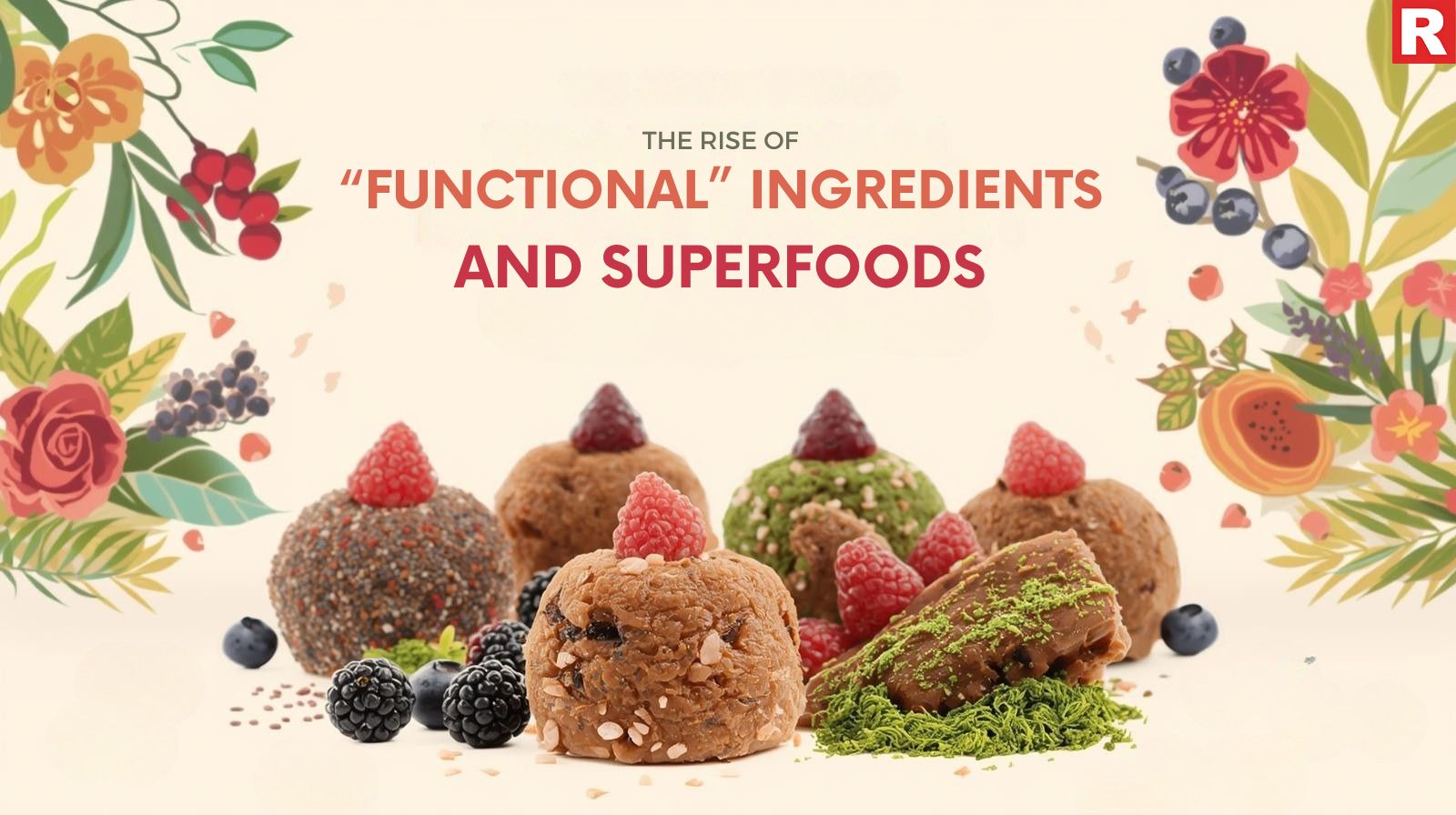
Desserts are now considered a chance to include healthy elements rather than merely a treat.
The Challenge: The difficulty is in incorporating health-promoting components without sacrificing flavor or texture.
Innovations:
- Nuts and Seeds: For fiber, protein, and good fats, try almonds, walnuts, pistachios, chia seeds, flax seeds, and pumpkin seeds.
- Ayurvedic Herbs & Spices: Turmeric, ginger, cardamom, cinnamon, saffron, ashwagandha, and moringa are Ayurvedic herbs and spices that are used for their anti-inflammatory, digestive, and immune-boosting qualities.
- Whole Grains & Millets: Quinoa, oats, and ragi provide long-lasting energy and fiber.
- Probiotics: Including fermented foods or yogurt (for example, in a healthy shrikhand).
- Antioxidants: Dark chocolate.
Impact on Desserts: chia seed puddings with Indian fruit flavors, halwas enhanced with flax seeds, turmeric lattes with a touch of natural sweetness, barfis with ginger and jaggery that strengthen immunity, and ragi laddus with dates and almonds.
Portion Control & Mindful Indulgence

Desserts are becoming richer, smaller, and more deliberately consumed rather than being eliminated out.
The Challenge: Traditionally, sweets have been associated with the "more is better" mentality.
Innovations:
- Miniature Desserts: Presenting miniature copies of traditional candies or modern plated desserts.
- Deconstructed Desserts: Showcasing different ingredients in appealing, portion-controlled presentations.
- Dessert Shots/Verrines: A classy, small treat consisting of layered sweets in tiny glasses.
Impact on Desserts: deconstructed gajar halwa with a tiny scoop of vegan ice cream, mango shrikhand parfaits, and mini rasmalai tarts.
How Restaurants Are Innovating Their Desserts

Restaurateurs, chefs, and patissiers are at the forefront of this sweet revolution, creatively blending tradition with health trends:
- Modernizing Classics: Popular traditional delicacies are being re-engineered rather than entirely abandoned. A gulab jamun could be made with reduced sugar, baked rather than fried, and served with a delicate rosewater froth rather than thick syrup. In order to highlight the inherent flavor of the carrot, a gajar halwa may utilize date puree and be less sweet.
- Fusion Desserts with a Healthy Twist: Developing crossbreeds that combine worldwide healthy dessert ideas with Indian flavors. Consider Chia Seed Phirni, Kulfi Pops made with natural fruit sugars, Ragi Brownies, or Turmeric and Ginger Cheesecake.
- Ingredient Transparency: Emphasizing the specific ingredients and their health benefits. Menus frequently include terms like "rich in fiber," "vegan," "gluten-free," "sugar-free," and "superfood-infused."
- Presenting Natural Beauty: Presentation is very important. Desserts are elegantly presented, with minimum garnishes, edible flowers, and fresh fruits frequently used to highlight their organic, healthful appeal.
- Collaborations & Special Menus: Developing unique dessert menus for particular dietary requirements or health goals while working with dietitians or wellness specialists.
- Educational Initiatives: To promote a greater appreciation for healthy delights, some businesses are subtly teaching their customers about the advantages of these healthier substitutes.
Check out: What Are the Special Dishes You Must Try This Durga Puja
Best Flour Brands in India for Pizza & Bakery Restaurants
Challenges and Opportunities for Restaurants

Although there are many opportunities associated with the move to healthier desserts, restaurants also face some difficulties that, if resolved, might give them an advantage in the market:
- Teaching the Traditional Palate: A lot of diners still expect rich, sugary sweets. Through tasting menus or instructive menu language, restaurants can gently inform customers about the subtle differences of plant-based or reduced-sugar options.
- Cost of Specialty Ingredients: Compared to standard ingredients, alternative flours, natural sweeteners, and plant-based dairy products might be more costly. Menu prices and sourcing must be done carefully.
- Preserving Genuine Flavors: The most difficult task is to innovate without sacrificing the character of popular Indian desserts. To create recognizable textures and strong flavors using healthier ingredients, chefs need to learn new techniques.
- Closing the Generation Gap: It takes a balanced strategy to serve both younger, health-conscious diners and older, traditionally inclined diners by providing both traditional and modern options.
- Using Local Produce: Desserts made with fresh, in-season fruits and vegetables can improve their health value and local appeal thanks to the local agricultural surroundings.
Read this: Top Air Purifier Brands for Restaurants in India
The Future is Sweet and Smart
The redesign of Indian dessert menus is a fundamental change brought about by a growing number of health-conscious consumers, not merely a temporary trend. Adopting these trends is essential for restaurants in busy metro areas to get a competitive edge and achieve long-term success. It's about showcasing an awareness of changing consumer demands and providing options that complement their ideals.
The journey includes delicate balancing acts, such as lowering sugar without sacrificing the essence of Indian sweetness, maintaining rich textures with plant-based substitutes, and including beneficial ingredients without sacrificing flavor. Chefs are evolving into alchemists, reimagining classic recipes into modern works of art that enhance well-being in addition to being delicious.
Mahak Sharma
Content Writer
Mahak Sharma is a passionate content writer with 2 years of experience crafting compelling content across various niches, tailoring her writing to suit different audiences and platforms. She is dedicated to producing engaging content for readers so that they can understand and enjoy the articles. Her strengths lie in crafting SEO-friendly, well-structured articles that drive visibility and engagement.



































































