
How Cloud Kitchens Are Expanding the Food & Beverage Ecosystem
As consumer demand for convenience continues to grow, cloud kitchens will remain a key driver in shaping the future of the food and beverage ecosystem.

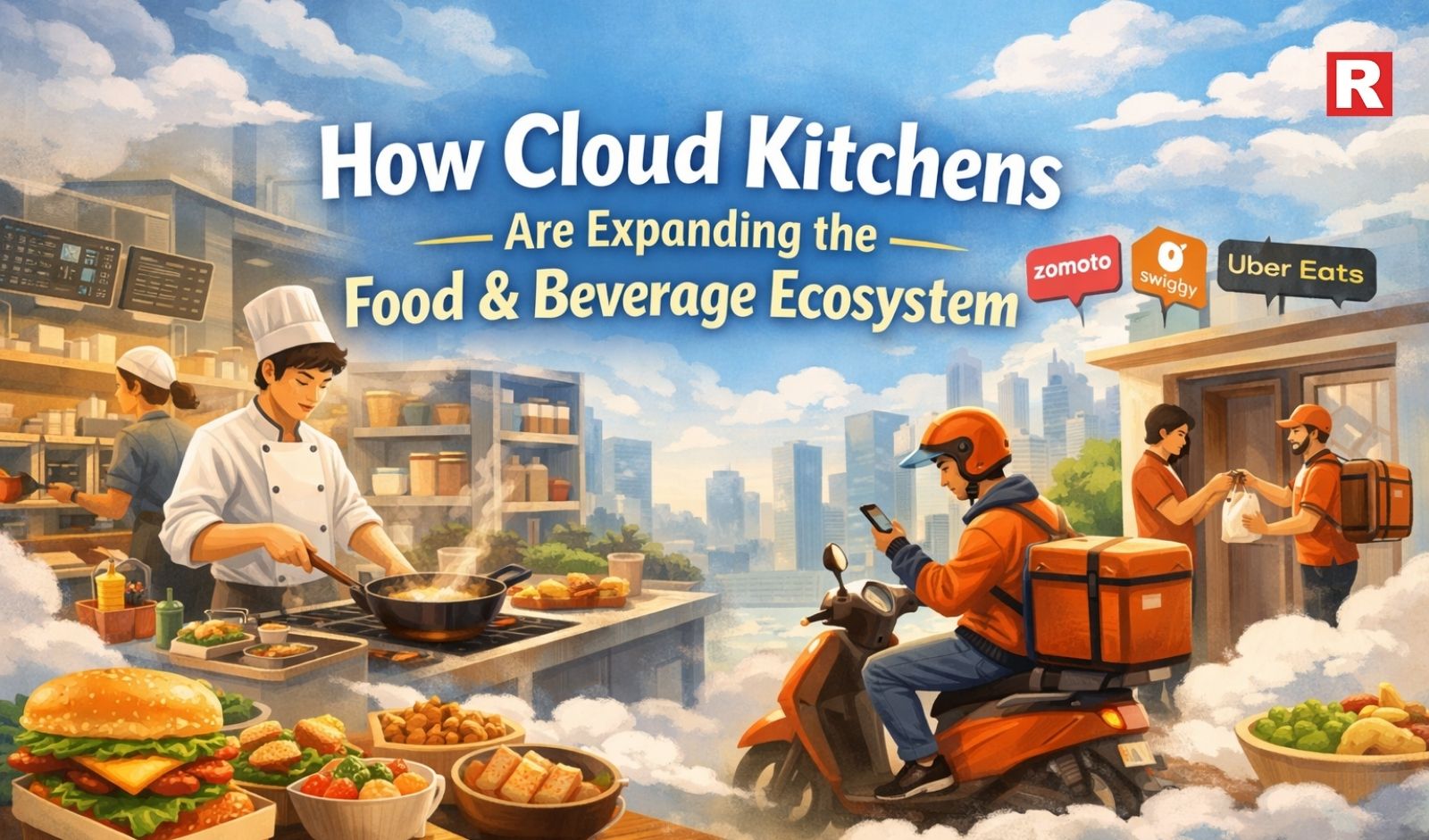
The food industry has changed dramatically in the last decade. Urban lifestyles, smartphone adoption, and the rapid growth of food delivery platforms have reshaped how people order and consume meals. Today, many customers prefer ordering food online rather than visiting a restaurant. This shift has led to the rise of cloud kitchens, one of the most disruptive innovations in the food and beverage sector.
Cloud kitchens operate without traditional dining spaces. These kitchens focus only on preparing food for delivery. Orders are placed online through delivery apps, and meals are prepared in optimized kitchen spaces designed for speed and efficiency. Because of their flexible structure, cloud kitchens are expanding the food and beverage ecosystem and creating new opportunities for entrepreneurs, restaurants, and food technology companies.
What Are Cloud Kitchens?
Cloud kitchens are delivery-only food preparation facilities. They do not have dine-in areas or storefronts for customers. Instead, these kitchens operate through online ordering platforms and mobile apps. These kitchens are also known as virtual kitchens, ghost kitchens, or dark kitchens. The concept focuses on minimizing overhead costs while maximizing delivery efficiency. Because they do not need expensive retail locations or large service staff, cloud kitchens can operate at a significantly lower cost than traditional restaurants.
Why Cloud Kitchens Are Growing Rapidly
The rapid expansion of cloud kitchens is closely linked to the rise of online food delivery services. Consumers today value speed, convenience, and variety. Ordering food through mobile apps has become a routine part of urban life. Platforms like Zomato, Swiggy, and Uber Eats have played a major role in accelerating this trend. These platforms connect customers with hundreds of restaurants and virtual food brands within minutes.
Several factors are driving the growth of cloud kitchens:
- Increasing demand for online food delivery
- Rising urban populations with busy lifestyles
- Lower startup costs compared to traditional restaurants
- Faster brand launches and menu experimentation
- Access to data-driven customer insights
For many food entrepreneurs, the cloud kitchen model offers a faster and less risky way to enter the food business.
Read more: How to Start a Cloud Kitchen in India: A Step-by-Step Guide
Cloud Kitchen vs. Traditional Restaurants: Which is More Profitable?
How Cloud Kitchens Work: A Detailed Overview
1. Lower Entry Barriers for Food Entrepreneurs
Starting a traditional restaurant often requires a significant financial investment. Business owners must pay for high rental costs in prime locations, interior design, kitchen equipment, furniture, service staff, and daily operational expenses. These requirements make it difficult for many aspiring chefs and entrepreneurs to enter the food industry. Cloud kitchens provide a more accessible alternative. Because these kitchens operate only for delivery, they eliminate the need for large dining spaces and front-of-house operations. This allows entrepreneurs to focus primarily on food preparation, branding, and online visibility. As a result, the overall cost of launching a food brand becomes much lower and more manageable. Cloud kitchens also allow businesses to begin operations quickly without long construction timelines. Entrepreneurs can experiment with menus and adjust offerings based on customer preferences and demand trends. Many chefs and home cooks are now using this model to launch delivery-first brands that specialize in niche categories such as healthy meals, regional cuisines, or gourmet comfort food.
2. The Rise of Virtual Restaurant Brands
Cloud kitchens have also encouraged the growth of virtual restaurant brands, which operate entirely through online delivery platforms without maintaining physical storefronts. These brands exist digitally and rely on delivery apps to reach customers. One of the most important advantages of this model is that a single kitchen facility can operate multiple food brands at the same time. This allows businesses to target different consumer preferences without investing in additional infrastructure. For example, one kitchen may simultaneously run a fast-food burger brand, a healthy salad concept, a dessert-focused brand, and a regional cuisine offering. This strategy helps maximize kitchen utilization while increasing revenue potential. If demand for one cuisine drops during certain hours, orders from other brands can help balance operations. This flexible structure has become popular among modern food entrepreneurs. Companies like Rebel Foods have successfully scaled this model by launching several virtual brands from centralized kitchen networks across multiple markets.
3. Strengthening the Food Delivery Ecosystem
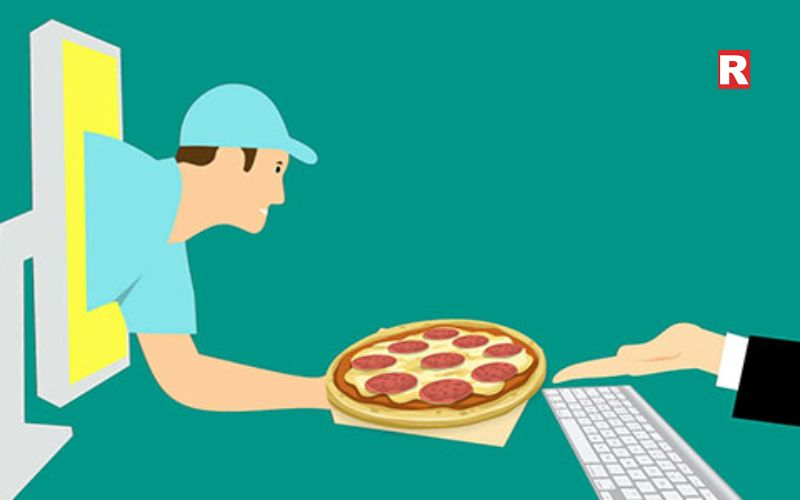
Cloud kitchens work closely with food delivery platforms. These platforms provide visibility, logistics support, and access to a large customer base. Digital ordering systems also generate valuable data that cloud kitchens can use to optimize their operations.
Important benefits include:
- Real-time customer feedback
- Order trend analysis
- Data-driven menu optimization
- Targeted marketing campaigns
For example, if customer data shows that late-night snack orders are increasing in a particular area, cloud kitchens can adjust their menus to meet that demand. This close connection between technology, logistics, and food preparation is strengthening the entire food delivery ecosystem.
4. Driving Innovation in Food Technology
Technology plays a critical role in cloud kitchen operations. These kitchens are designed to maximize efficiency and minimize delays in food preparation and delivery.
Modern cloud kitchens often use advanced digital tools such as:
- Kitchen display systems for order management
- Automated inventory tracking
- AI-based demand forecasting
- Digital point-of-sale integration
- Delivery route optimization software
These technologies help kitchen operators manage large volumes of orders while maintaining consistency and quality. In addition, many cloud kitchens design menus specifically for delivery. Foods that travel well and maintain their texture during transport are prioritized.
Know more: How to Start a Cloud Kitchen on Swiggy for Your Restaurant (2025 Guide)
5. Boosting Local Food Entrepreneurship
Another important impact of cloud kitchens is the rise of small and niche food brands. Entrepreneurs no longer need expensive locations to reach customers. Instead, they can focus on building unique food concepts and targeting specific customer segments. Customers benefit from greater variety and access to cuisines that may not be widely available in traditional restaurants. This model has also encouraged innovation in packaging, branding, and online marketing.
Cloud kitchens have enabled the growth of:
- Regional cuisine brands
- Health-focused meal services
- Vegan and plant-based food brands
- Dessert and specialty snack brands
6. Different Business Models of Cloud Kitchens
The cloud kitchen industry operates through several different business structures.
- Independent Cloud Kitchens: These kitchens operate a single food brand and focus on a specific cuisine or concept.
- Multi-Brand Cloud Kitchens: One operator manages multiple virtual restaurant brands from the same facility. This helps maximize kitchen capacity and revenue.
- Platform-Owned Kitchens: In some cases, food delivery platforms provide kitchen infrastructure for partner brands. This allows small food businesses to start operations without building their own kitchens.
Each model offers different advantages depending on the scale and strategy of the business.
7. Challenges in the Cloud Kitchen Industry
Despite their rapid growth, cloud kitchens also face several challenges.
Key challenges include:
- High commission fees from delivery platforms
- Intense competition between virtual brands
- Maintaining food quality during delivery
- Rising packaging and logistics costs
- Limited opportunities for in-person brand experience
Because customers interact only through delivery apps, building brand loyalty can also be more difficult than in traditional restaurants. Successful cloud kitchens often focus on strong branding, consistent quality, and effective digital marketing.
Also check: How to Choose the Best Location for Your Cloud Kitchen in India
10 Low-Budget Cafe Interior Design Tips to Follow
Menu Engineering: How Restaurants Decide Pricing (And Why It Matters More Than You Think)
The Future of Cloud Kitchens in the Food Industry
Cloud kitchens are expected to play an even bigger role in the future of the food industry. As technology improves and delivery networks expand, more food businesses will adopt delivery-first models.
Several emerging trends are shaping the future of this sector:
- Expansion of cloud kitchens into smaller cities
- AI-driven menu and pricing strategies
- Sustainable and eco-friendly food packaging
- Automation in kitchen operations
- Greater collaboration between food brands and delivery platforms
Many restaurant chains are also experimenting with hybrid models that combine dine-in restaurants with cloud kitchen operations. This allows them to expand their delivery reach without opening multiple physical locations. Cloud kitchens are transforming how food businesses operate and grow. By removing the need for expensive retail spaces and focusing on delivery efficiency, these kitchens are opening new opportunities for entrepreneurs and established brands alike. The integration of technology, data analytics, and delivery infrastructure has created a powerful ecosystem that supports rapid innovation in the food and beverage industry. For chefs, startups, and investors, cloud kitchens represent one of the most dynamic developments in modern hospitality. As consumer demand for convenience continues to grow, cloud kitchens will remain a key driver in shaping the future of the food and beverage ecosystem.
Saptopriya Ghosal
Feature Writer
I am a dedicated media professional with a bachelor's degree in mass communication from the State University of Calcutta and a postgraduate degree from Amity University. My academic journey has equipped me with a profound understanding of storytelling and communication. Passionate about the dynamic world of media, I continually strive to explore new ways to engage and inform through compelling narratives.



































































