
How Carbon-Labelled Menus Attract Eco-Friendly Diners
While customers want to make sustainable choices, they frequently lack clear, actionable information when presented with a restaurant menu. This is where carbon-labeled menus appear as a revolutionary answer. By publicly presenting each dish's carbon footprint, restaurants can help diners align their ideals with their plates.

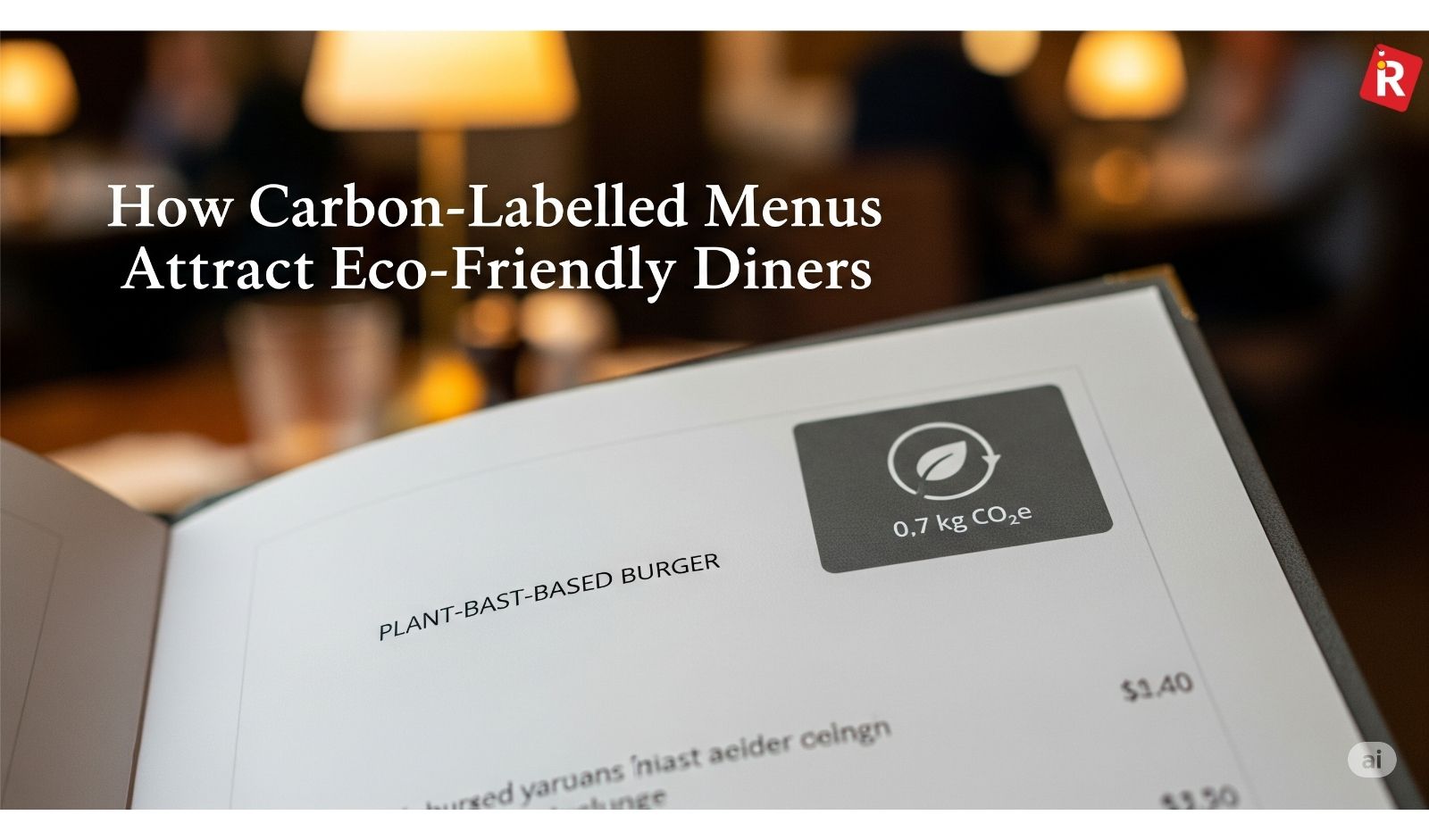
The advancement in technology and education has made consumers more aware of carbon emissions. This change has resulted in people actively seeking and analyzing carbon labels on most products, strongly influencing their purchase decisions and demanding greater transparency from businesses. This has also influenced the restaurant sector, where now people want to know if their food choices are having a big impact on the environment. The rising wave of eco-consciousness, driven by increased awareness of climate change, resource depletion, and ethical consumption, is fundamentally changing shopping behaviors.
While customers want to make sustainable choices, they frequently lack clear, actionable information when presented with a restaurant menu. This is where carbon-labeled menus appear as a revolutionary answer. By publicly presenting each dish's carbon footprint, restaurants can help diners align their ideals with their plates. This article will explain how embracing carbon analysis and visible carbon labels not only demonstrates a strong commitment to the planet's well-being but also serves as an undeniable magnet for a growing number of eco-friendly diners, giving your restaurant a significant competitive advantage and increasing the appeal of your brand.
Read more: AI‑Driven Dynamic Pricing: The Next Big Shift in Restaurant Revenue Strategies?
The Rise of the Eco-Conscious Diner

Understanding the motivations of this rising consumer sector is critical to realizing the benefits of carbon-labeled meals. Their beliefs are changing the whole concept of a desirable dining experience.
A Global Shift in Values
Across continents, there is a noticeable growth in knowledge of climate change and its serious consequences. Consumers are becoming increasingly aware of their individual and collective environmental impact. This increased sense of responsibility affects all aspects of their lives, including what they eat and where they choose to dine. They are looking for products and businesses that share their desire for a more sustainable future.
Millennials and Gen Z Driving the Change
This demographic shift is most noticeable among Millennials and Generation Z. These generations, who are among the most influential customers in India and around the world, regularly prioritize sustainability, ethical sourcing, and environmental responsibility while making purchase decisions. They are not only actively looking for environmentally friendly products and services, but they are also willing to pay a premium for them. Restaurants must capture this segment's devotion to maintain long-term growth and appeal.
Moving from "What's in it?" down to "What's its impact?"
The customer's need for information has increased. While nutritional information, calorie counts, and ingredient lists are still important, the focus has shifted to cover the full food lifecycle. Diners increasingly demand to know the environmental story of their food, including how it was created, how far it went, and its overall footprint. Due to this, the restaurant needs to have increased transparency from food providers.
Know more: Neuro‑Gastronomy: The Science Behind Immersive Dining Experiences
Demand for Transparency
Consumers are growing more and more suspicious of uncertain promises due to information overload, leading to a demand for transparency. They seek specific, verifiable information about a product's origins and impact. Restaurants that provide this level of transparency establish a stronger foundation of trust and credibility with their customers, differentiating themselves in a crowded industry.
The "Conscious Consumer" in India
India's "Conscious Consumer" movement reflects a growing awareness of environmental issues. Personal values, global trends, and local environmental concerns are all driving an increasing desire for sustainable options among urban people. This means that embracing sustainability, including carbon-labeled menus, is not simply a global trend but a directly applicable and increasingly crucial strategy for restaurants operating throughout India, from bustling metropolises to prosperous villages. They represent a major and rising market niche that is actively searching out sustainable food options.
What is a Carbon-Labeled Menu?
Defining Carbon Footprint in Food
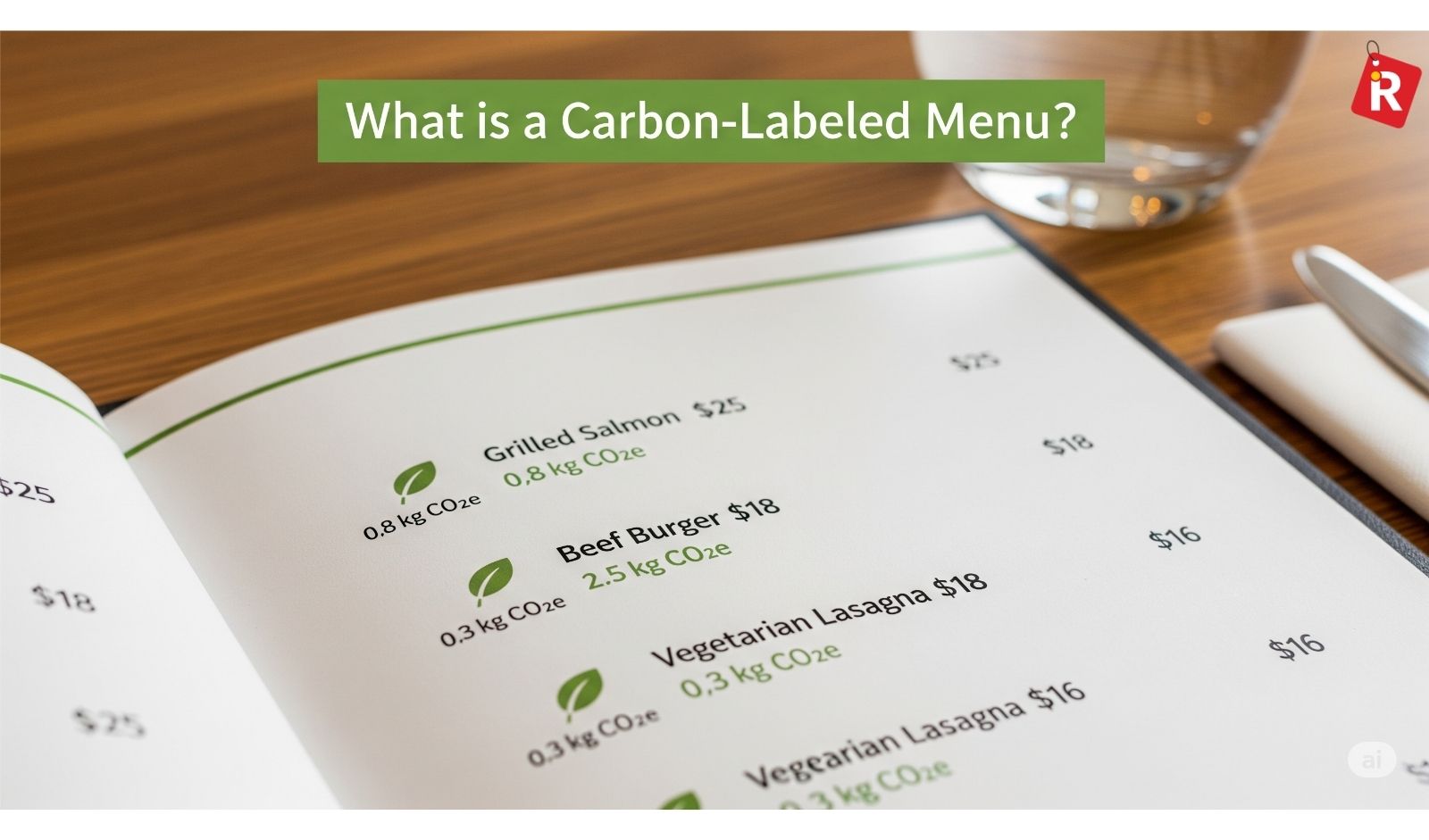
A dish's carbon footprint is its total Greenhouse Gas (GHG) emissions, calculated in kilograms of CO2 equivalent (kg CO2e), across its whole lifecycle. This "farm-to-fork-to-waste" path includes all stages, from ingredient production to final consumption and disposal. It is a complete assessment of the environmental cost of your meal.
Components of a Dish's Carbon Footprint:
- Ingredient Sourcing: This is frequently the major contributor. The type of food is essential; for example, meat and dairy products have a substantially higher carbon footprint than plant-based alternatives due to variables such as land use, methane emissions from livestock, and feed production. Farming methods (for example, organic vs. conventional and regenerative agriculture) have an impact on this.
- Transportation: The distance traveled by ingredients from farm to restaurant, as well as the mode of transportation (air transport being the most carbon-intensive), all contribute considerably to the footprint.
- Energy Use: The energy used in kitchen operations, such as refrigeration, cooking (ovens, stovetops), and lighting, adds to total emissions.
- Waste: Food waste, ranging from preparation scraps to uneaten portions, as well as the disposal of packaging trash (non-recyclable items that wind up in landfills), produces methane, a strong greenhouse gas.
How It's Calculated (Simplified)
Calculating a dish's carbon footprint requires complicated life cycle assessments (LCAs). Restaurants frequently employ specialist software tools, engage with sustainability firms, or incorporate certified databases that offer emission factors for specific items and operations. While the detailed calculation is complex, the end result is a simple figure or rating that may be simply displayed.
Check out: 8 Game-Changing Strategies to Expand Your Restaurant Brand
What Carbon Labels Look Like
Carbon labels come in a variety of consumer-friendly designs. They may display the actual kg CO2e figure next to a dish, use simple "low carbon" icons, or employ a traffic signal system (green for low impact, amber for medium, and red for high). The goal is always to provide clarity and ease of understanding to the diner.
"Climate-Optimized" Menus
Understanding the carbon impact of each item and dish can help restaurants create climate-friendly menus. This means making creative menu design decisions that lower total emissions while maintaining taste and quality. This includes tactics such as increasing plant-based alternatives, prioritizing local sourcing, and reducing waste, all of which have a direct impact on the restaurant's carbon footprint.
How Carbon Labels Attract Diners
Beyond environmental responsibility, setting up carbon-labeled meals provides significant business advantages by directly appealing to the ideals of an expanding customer base.
- Transparency Builds Trust: In a society suspicious of fake news, clearly presenting a dish's environmental impact lends instant trust. Diners feel confident in supporting a restaurant that is truly committed to sustainability, building a stronger connection and trust with your brand.
- Empowering Informed Choices: Carbon labels provide critical information that environmentally concerned customers actively seek. This enables customers to actively choose foods that reflect their particular values while reducing their environmental impact, making a meal into a meaningful act of conscious sustainability.
- Education and Awareness: These labels quietly educate customers on the environmental impact of various food choices and sourcing. Over time, this information promotes more conscious eating behaviors, both in your restaurant and in their daily lives, establishing your business as an agent for positive change.
- Positive Brand Image and Differentiation: Being the first to take advantage of carbon labeling establishes your restaurant as a sustainability leader in a competitive market. This strategic method attracts rich, educated, and ethically conscious consumers, resulting in a devoted customer base and beneficial PR and media coverage.
- Fostering Shared Responsibility: Carbon labels encourage diners to actively engage in your sustainability journey. By selecting climate-optimized foods, they feel a sense of shared responsibility for environmental goals, which improves their overall dining experience and fosters a strong, value-driven community around your business.
Implementing Carbon Monitoring & Optimizing Your Menu
Getting Started with Carbon Profiling
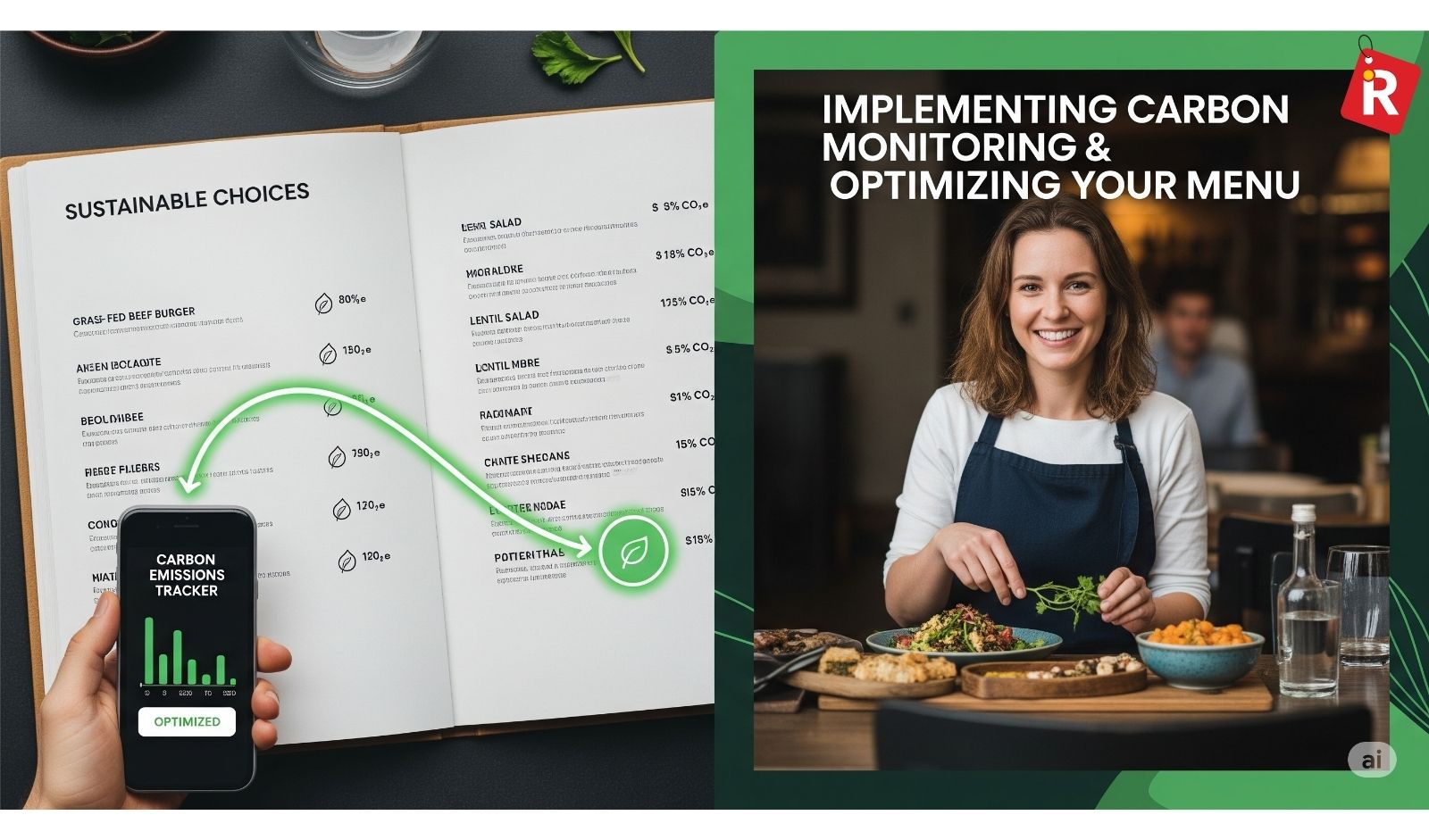
To begin carbon profiling, start by measuring your dishes' footprints correctly.
Choose your method: Several approaches exist. You can collaborate with specialized sustainability consulting organizations, use dedicated software solutions that interact with your inventory and recipes, or look into simpler models for initial assessments. Some current POS systems are starting to include simple carbon calculating features.
Data Collection: This involves methodically recording data connected to your activities, including energy bills (electricity and gas), thorough supplier information for all ingredients (origin and farming methods), transportation logs, and extensive waste data. Accurate data is essential for creating convincing carbon labels.
What's new: How "Swicy" Dishes Can Transform Your Restaurant's Menu
Designing "Climate-Optimized" Menus
Once you understand the carbon footprint, you may strategically tailor your products.
- Prioritize Plant-Based Dishes: This is perhaps the most significant shift. Highlight how vegetarian and vegan options have a substantially smaller carbon footprint. Encourage creativity by serving plant-based recipes that are just as tempting (if not more so) than meat-based options. Focus on flavor and innovation to make low-carbon food appealing.
- Local and seasonal sourcing: This reduces transportation emissions by sourcing ingredients from local farms and providers. Emphasize the freshness and low environmental impact of these foods in your menu. This also benefits local economies and reflects a growing customer appetite for "farm-to-table" experiences.
- Reduce Food Waste: Establish strict food waste management policies. This includes exact portion management, creative use of all sections of ingredients (for example, root-to-stem cooking), distributing edible surplus food, and strong composting systems for unavoidable trash.
- Eco-Friendly Packing: For takeaway and delivery services, use compostable, recyclable, or reusable packing materials. Communicate with customers about your efforts to reduce plastic and non-biodegradable garbage.
- Energy Efficiency: To reduce operating carbon dioxide emissions, invest in energy-efficient kitchen equipment (ovens, freezers, dishwashers) and use energy-saving practices (for example, shutting off equipment when not in use).
Read this: 4 Easy High-Protein Egg Recipe Ideas For A Post-Workout Boost
A Taste of a Greener Tomorrow
Carbon-labeled menus are far more than a passing trend; they represent a potent combination of customer ideals, responsibility for the environment, and smart economic strategy. By embracing carbon profiling, restaurants can achieve remarkable transparency, enabling their customers to make really informed decisions and greatly improving their brand reputation.
Implementing a climate-optimized menu is more than just an option; it's an interesting competitive advantage that appeals to both the palate and the conscience. In an increasingly impact-driven world, demonstrating your commitment to a greener future places your restaurant as a true leader in sustainable culinary.
Mahak Sharma
Content Writer
Mahak Sharma is a passionate content writer with 2 years of experience crafting compelling content across various niches, tailoring her writing to suit different audiences and platforms. She is dedicated to producing engaging content for readers so that they can understand and enjoy the articles. Her strengths lie in crafting SEO-friendly, well-structured articles that drive visibility and engagement.



































































