How Brands Are Using Nostalgia to Win Over Consumers
As consumer behavior continues to evolve, nostalgia marketing will remain relevant because it speaks to something timeless—the human desire to reconnect with meaningful moments and familiar experiences.

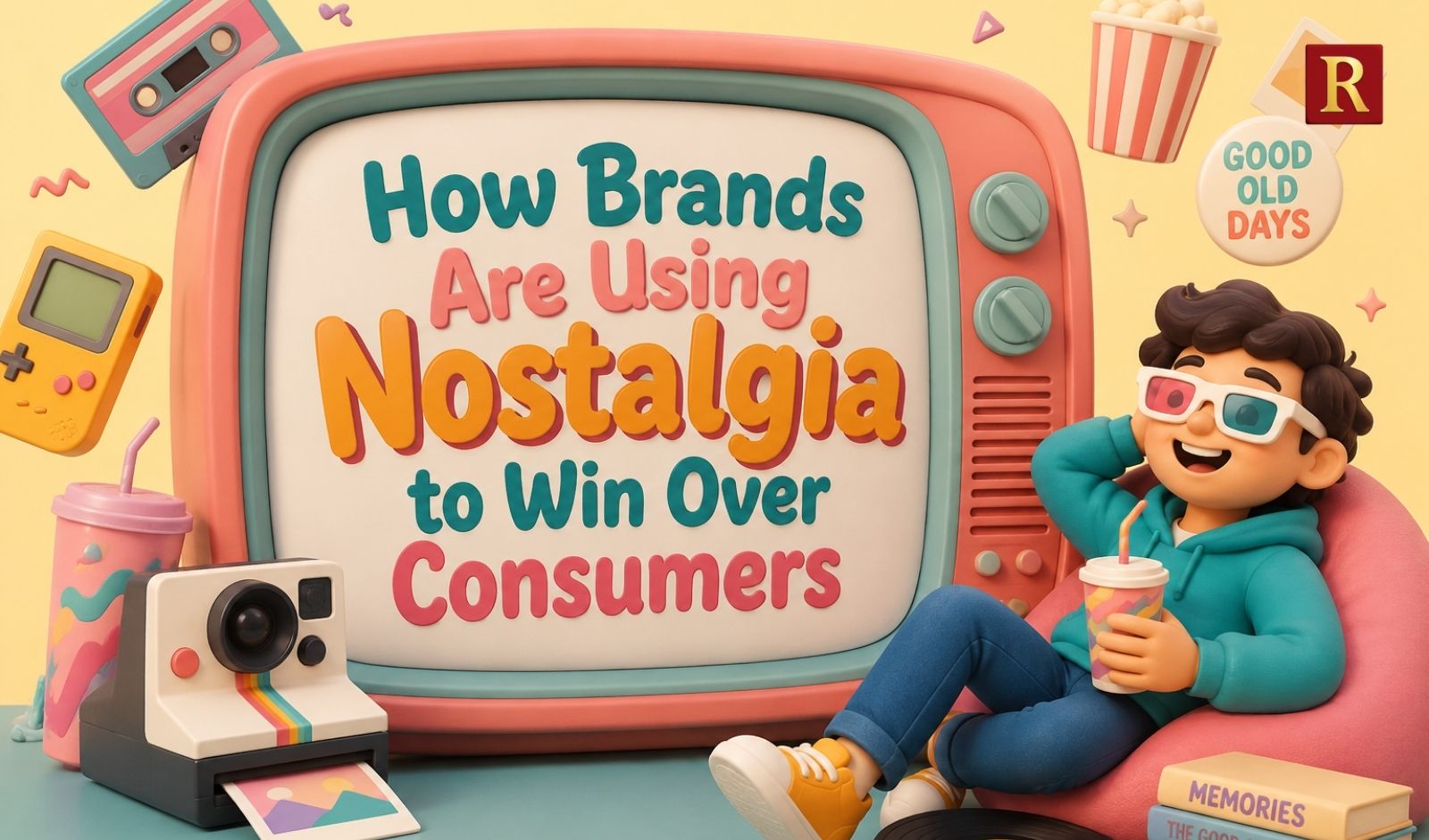
Walk into a store today, scroll through social media, or browse a food delivery app, and you will notice something interesting. Brands are bringing back old logos, classic products, vintage packaging, and even advertisements from decades ago.
What was once considered outdated is now becoming popular again.
This growing trend is called nostalgia marketing. It is a strategy where brands use memories from the past to create emotional connections with consumers. From food and beverages to fashion, beauty, gaming, and technology, companies are discovering that people often feel attached to products that remind them of simpler times. More importantly, nostalgia is not just attracting older consumers. Gen Z and Millennials are also embracing retro trends, proving that memories—whether experienced personally or borrowed from another era—can influence buying decisions.
What Is Nostalgia Marketing?
Nostalgia marketing is a strategy that uses familiar memories, cultural references, and emotional experiences from the past to connect with consumers.
Brands use this approach through:
- Vintage packaging
- Classic product relaunches
- Retro-themed advertisements
- Heritage storytelling
- Throwback social media campaigns
The goal is simple. Instead of selling just a product, brands sell a feeling. A soft drink may remind someone of family gatherings. A chocolate brand may bring back childhood memories. A retro sneaker may remind consumers of a favorite sports star or a particular decade. These emotional connections often make products feel more meaningful and memorable.
Why Nostalgia Marketing Works So Well
Marketing experts have long understood that emotions influence purchasing decisions more than logic. Nostalgia taps directly into positive emotions.
Emotional Comfort During Uncertain Times: Consumers often look for familiarity when dealing with stress, uncertainty, or rapid change. The modern world moves quickly. New technologies, changing trends, and constant information can sometimes feel overwhelming. A familiar brand logo or a product from childhood creates a sense of comfort. It feels safe, reliable, and trustworthy. This is one reason why nostalgia marketing often performs well during periods of economic uncertainty or social change.
Familiarity Builds Trust: Consumers naturally trust what they recognize. A brand with a long history carries a sense of credibility. Heritage brands often use their legacy to remind consumers that they have stood the test of time. This familiarity reduces hesitation and increases confidence during the purchase process.
Positive Memories Influence Decisions: Nostalgia triggers pleasant memories and emotional associations. When consumers feel happy while interacting with a brand, they are more likely to remember it, recommend it, and purchase from it again.
This emotional bond can be stronger than discounts or promotional offers.
Why Gen Z Loves Nostalgia
One of the most surprising aspects of nostalgia marketing is its popularity among Gen Z consumers. Many members of Gen Z are embracing trends from the 1990s and early 2000s. They are buying vintage-inspired clothing, collecting retro gadgets, listening to old music formats, and engaging with classic entertainment franchises. Interestingly, many of these consumers never experienced those eras firsthand.
This phenomenon is often called "borrowed nostalgia."
For Gen Z, nostalgia represents authenticity. In a highly digital world, retro aesthetics often feel unique and refreshing. Social media platforms have accelerated this trend. Viral content regularly revives old fashion styles, television shows, toys, and food products, introducing them to entirely new audiences.
The Most Popular Nostalgia Marketing Strategies
Brands use nostalgia in many creative ways.
Bringing Back Classic Products: One of the most successful approaches is reviving discontinued products. Consumers often develop strong emotional attachments to products they grew up with. When brands bring these products back, excitement spreads quickly across social media. Limited-edition launches also create urgency and increase demand.
Retro Packaging: Packaging plays a major role in nostalgia marketing. Many brands temporarily return to older designs, vintage logos, or classic labels to celebrate anniversaries or special campaigns. These familiar visuals instantly grab attention and spark memories.
Reviving Iconic Advertisements: Some companies revisit old advertising campaigns, jingles, mascots, and taglines. Consumers who remember the original campaigns feel a sense of connection, while younger audiences discover a piece of the brand's history.
Leveraging Pop Culture: Movies, television shows, video games, and music are powerful nostalgia triggers. Brands frequently collaborate with entertainment franchises to create products and campaigns that remind consumers of specific moments in popular culture.
Creating Retro Experiences: Consumers today are increasingly interested in experiences rather than products alone. Brands are responding with vintage-themed events, retro store concepts, and interactive campaigns that recreate memories from the past.
Brands That Have Successfully Used Nostalgia Marketing
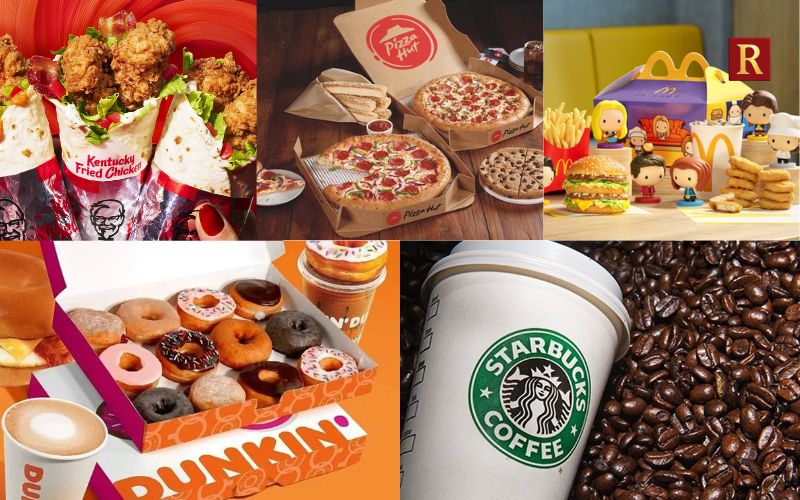
Many global brands have mastered the art of nostalgia.
McDonald's
McDonald's is one of the strongest examples of nostalgia marketing in the restaurant industry. The brand frequently revisits childhood memories through limited-time menu returns, collectible toys, retro packaging, and special promotions inspired by past decades. Campaigns such as the Adult Happy Meal and classic character revivals have helped the brand connect with both Millennials and Gen Z.
KFC
KFC often leverages its rich history by highlighting its original recipes, vintage Colonel Sanders branding, and heritage storytelling. The brand regularly references its decades-old legacy in marketing campaigns, reinforcing trust and familiarity among consumers while introducing its iconic story to younger audiences.
Pizza Hut
Pizza Hut has successfully revived memories of family dinners and dine-in experiences through retro-inspired campaigns. The return of nostalgic menu items, vintage logos, and throwback restaurant aesthetics has helped the brand reconnect with consumers who grew up visiting Pizza Hut during the 1990s and early 2000s.
Dunkin'
Dunkin' frequently taps into nostalgia through seasonal menu returns, classic flavors, and campaigns that celebrate its long-standing presence in consumers' daily routines. The brand balances its heritage with modern innovations, making nostalgia feel fresh and relevant.
Starbucks
Starbucks uses nostalgia by bringing back beloved seasonal beverages and fan-favorite products. Drinks such as the Pumpkin Spice Latte have become annual traditions, creating emotional anticipation and familiarity that customers look forward to every year.
How Restaurants and Food Brands Are Using Nostalgia
Food is one of the strongest triggers of memory. A particular flavor, aroma, or dish can instantly transport someone back to childhood. Restaurants understand this emotional power. Many food brands are bringing back popular menu items, traditional recipes, and classic flavors that consumers remember fondly. Retro diners, vintage-inspired interiors, and old-school comfort foods are also becoming increasingly popular. In India, many restaurants are reviving regional recipes, traditional sweets, and heritage cooking techniques to create a deeper emotional connection with customers. Consumers are not simply buying food. They are reconnecting with memories.
The Business Benefits of Nostalgia Marketing
Nostalgia marketing delivers several measurable benefits.
Stronger Brand Recall: Consumers are more likely to remember campaigns that trigger emotions. A nostalgic campaign often stands out more than a standard product-focused advertisement.
Increased Engagement: People enjoy sharing memories. Nostalgia-based campaigns frequently generate higher engagement on social media because consumers want to participate in conversations about familiar experiences.
Better Customer Loyalty: Emotional connections encourage repeat purchases. When consumers feel personally attached to a brand, they are more likely to remain loyal even when competitors offer similar products.
Enhanced Brand Equity: Nostalgia reinforces a brand's heritage and authenticity. This strengthens long-term brand value and creates a competitive advantage in crowded markets.
The Risks of Relying Too Much on Nostalgia
While nostalgia can be highly effective, it is not without challenges. Brands that focus only on the past risk appearing outdated. Consumer preferences continue to evolve. Younger audiences expect innovation, convenience, and relevance. A successful nostalgia campaign should celebrate history while still offering something new. The strongest brands use nostalgia as a foundation rather than a complete strategy. They combine familiar elements with modern design, technology, and consumer expectations.
Looking Ahead!
Nostalgia marketing is likely to evolve rather than disappear. Consumers continue to seek emotional connections in an increasingly digital world. Future campaigns may include personalized nostalgia experiences powered by artificial intelligence, interactive digital throwbacks, and community-driven storytelling. Brands will also continue blending heritage with innovation. Rather than simply recreating the past, they will reinterpret it for modern audiences. The most successful companies will be those that understand a simple truth: people may buy products, but they often stay loyal because of the memories and emotions those products create. Nostalgia has become one of the most valuable tools in modern marketing. It helps brands create emotional connections, build trust, and stand out in competitive markets. From vintage packaging and classic product relaunches to heritage storytelling and retro experiences, nostalgia allows brands to transform memories into meaningful consumer relationships. However, the real power of nostalgia lies in balance. Consumers appreciate brands that honor their past while continuing to innovate for the future. As consumer behavior continues to evolve, nostalgia marketing will remain relevant because it speaks to something timeless—the human desire to reconnect with meaningful moments and familiar experiences.
Saptopriya Ghosal
Feature Writer
I am a dedicated media professional with a bachelor's degree in mass communication from the State University of Calcutta and a postgraduate degree from Amity University. My academic journey has equipped me with a profound understanding of storytelling and communication. Passionate about the dynamic world of media, I continually strive to explore new ways to engage and inform through compelling narratives.