How Ancient Grains are Transforming Modern Desserts
Chefs, who are reimagining traditional Indian desserts with coarse grains, are unanimous in their view that the shift to traditional grains isn’t merely a fad but a dietary change.

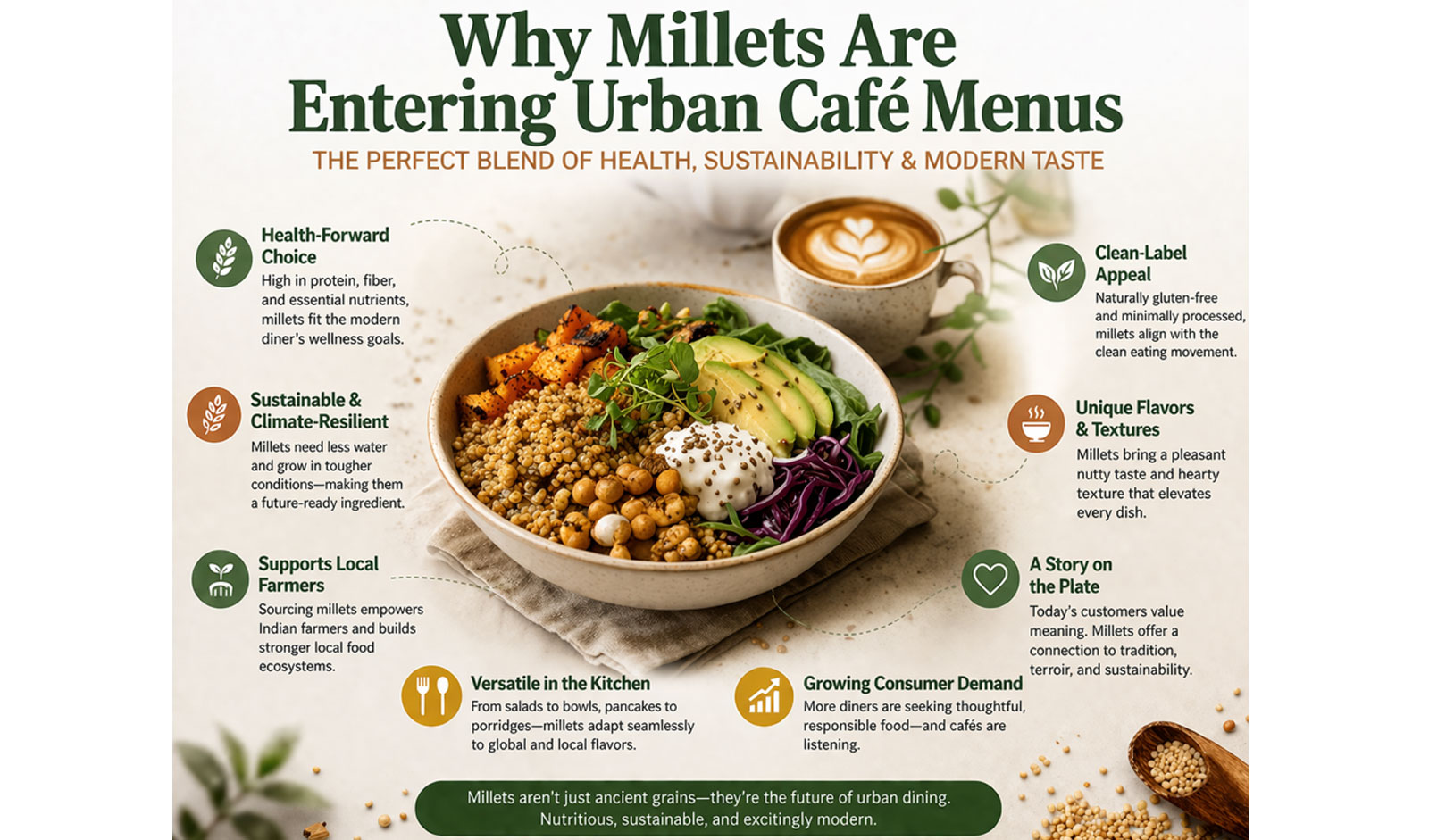
When the UN declared 2023 as the International Year of the Millets, at the suggestion of the Indian government in 2019, it was a long overdue recognition of the country’s rich heritage of coarse grains and the gargantuan health benefits they impart. Ever since the Green Revolution in the 1960s, coarse grains had been pushed to the sidelines in India’s daily staples but in the last few years, thanks to the push by the National Millets Mission, launched in 2007 and the UN endorsement, India’s heritage grains are back in fashion – and not just locally but even globally.
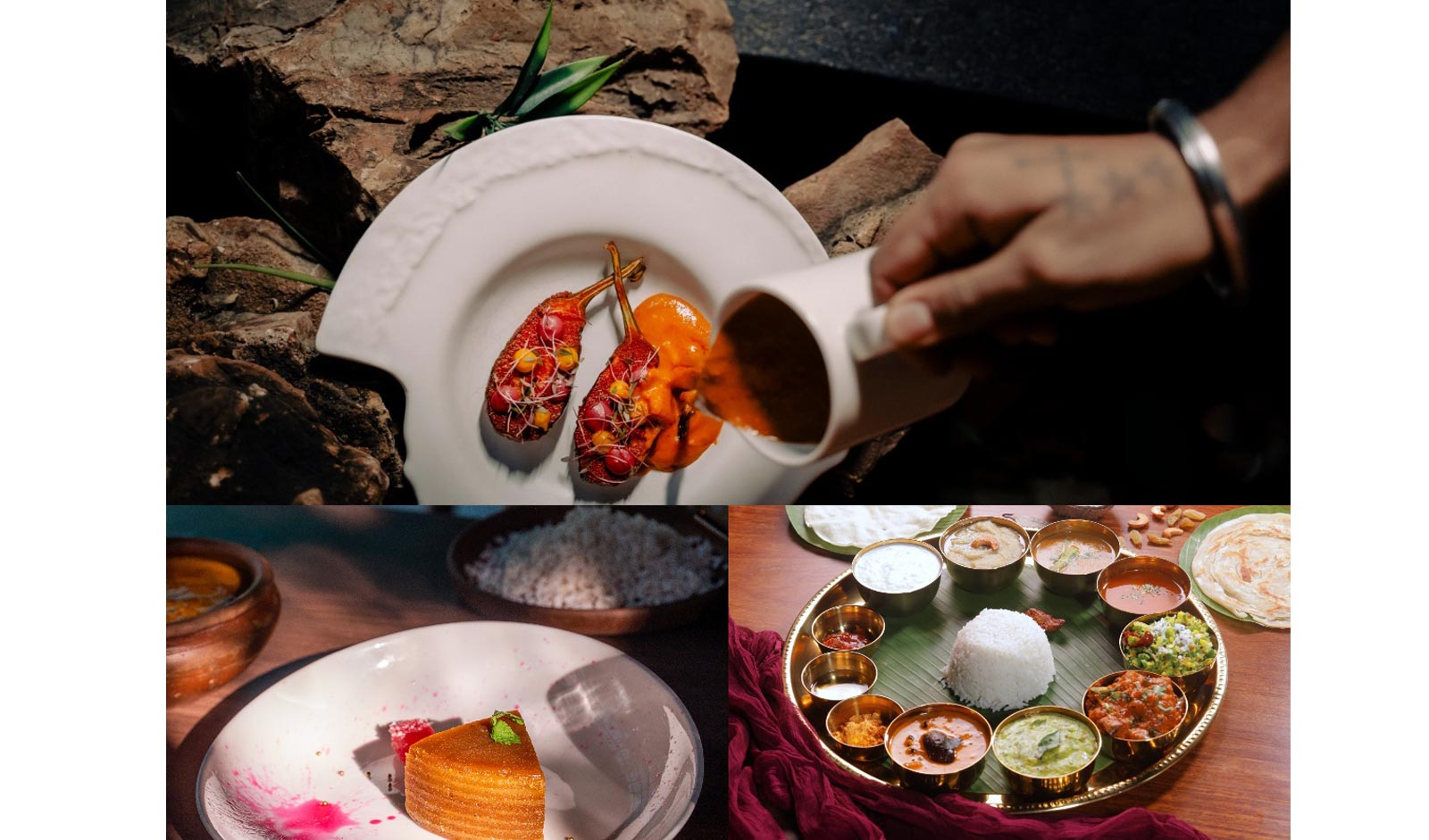
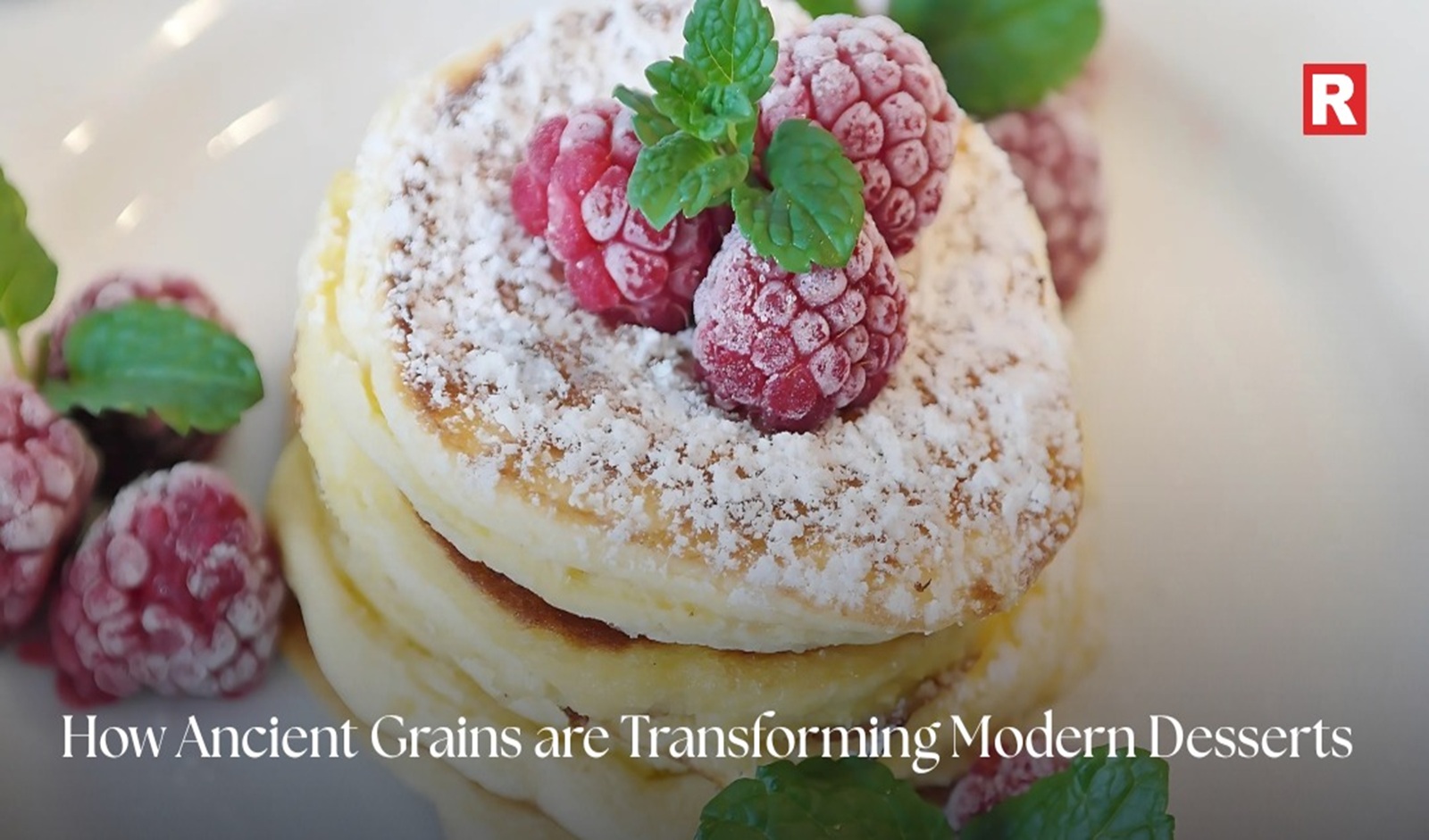
It's not just the main course where these grains are making a comeback – thanks to culinary creativity, desserts, both Indian and western, are being reimagined with these coarse grains, giving people healthier and tastier options to indulge their sweet tooth. One of the most famous instances of that in recent times was the cardamom-flavoured barnyard millet pudding, served at the G20 dinner hosted by the Indian President during the 2023 G20 Summit in Delhi.
Also giving a push for consumption of such ancient grains are pharma majors – with India’s largest pharma company Abbott India recommending, on its website, coarse grain-based desserts as a healthier alternative for people suffering diabetes.
What’s leading the revival
World over, there’s been a rediscovery of the health benefits of coarse grains which can directly counter the lifestyle diseases that have proliferated. After all, our ancestors and forefathers were not known to suffer from diabetes or heart disease! Amaranth, for instance, is a gluten-free grain with a cup of it delivering 20% of the human body’s daily fibre – and it also lowers cholesterol.
Quinoa, another gluten-free grain, is considered a super-food for not just its high protein content – 8 gm in a1 cup of 185 gm - but also for its anti-oxidant properties which have shown to be anti-inflammatory and anti-cancerous in research studies. Others, like millet and sorghum, are rich not just in dietary fibre but also in nutrients like iron and magnesium while others such as kamut or khorasan wheat and farro offer an abundance of selenium and zinc and consuming these grains regularly boost bone health, digestion and immunity. Millet, in fact, s also freekeh, helps prevent a post-meal spike in blood sugar levels.
So, what’s cooking?
Chefs, who are reimagining traditional Indian desserts with coarse grains, are unanimous in their view that the shift to traditional grains isn’t merely a fad but a dietary change that’s here to stay as people are increasingly becoming health conscious, keeping tabs on what they consume.
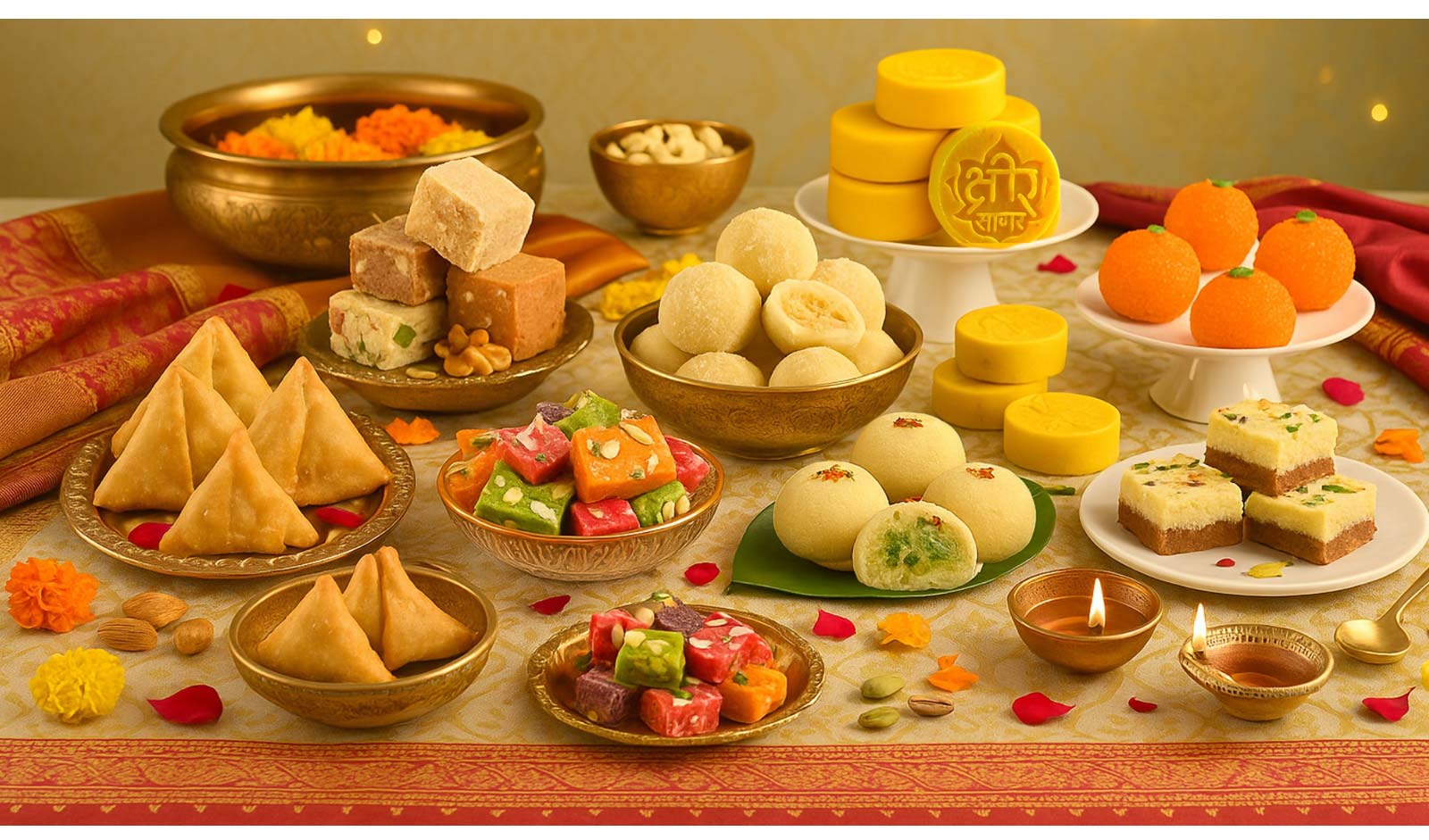
So laddoos, for instance, traditionally made from gram flour, are now coming in Jowar (Sorghum) and Ragi – also known as finger millet – based avatars and using jaggery instead of refined sugar as a sweetener. Halwa, another traditional Indian sweet usually made from wheat flour or semolina – known as sooji or rava locally – is also being reinterpreted with ragi and bajra, also known as finger millet.
Then there’s kheer, the traditional north Indian milk-based rice pudding which has been re-imagined with foxtail millet along with milk or coconut milk and jaggery. Payasam, the famous south Indian dessert made traditionally with rice and milk or coconut milk – similar to the north Indian kheer – comes in a version made of Little Millets, using coconut milk and jaggery.
Even chikki, another traditional Indian sweet available as a crunchy bar and usually made with jaggery and peanuts, with optional addition of sesame seeds, is now available in a ragi version, made of roasted ragi flour with peanuts and jaggery. Cookies and biscuits, usually made with a base of wheat flour or refined flour, are being made with mixed millet flours, replete with nuts and spices.
A global phenomenon
Across Europe and the US, pastries, breads and other bakery products are seeing coarse grain flours like farro, barley and spelt replace the traditional refined flours. In certain countries, especially in South America, coarse grains have traditionally been a part of their staple diet. For example, in Peru, quinua con leche – a creamy quinoa pudding flavoured with cinnamon – is famous dessert that’s been on the dinner table menu for generations.
Belgium-based Puratos, a leading manufacturer of bakery ingredients, in a recent survey on baking trends, found that 56% of consumers desired plant-based desserts while 85% wanted their desserts made with fibre-rich ingredients. This has led to innovations like chia-seed puddings and avocado mousses sweetened with jaggery served with a millet brownie – letting chefs unleash their creativity to the hilt.
Sandeep Jangala
CEO and Founder, Yummy Bee