
How AI & Chatbots Are Redefining Restaurant Reservations in India
Reservations are no longer just about filling tables. They are about creating a seamless customer journey. AI and chatbots are helping restaurants move from reactive service to proactive engagement. They capture every opportunity.

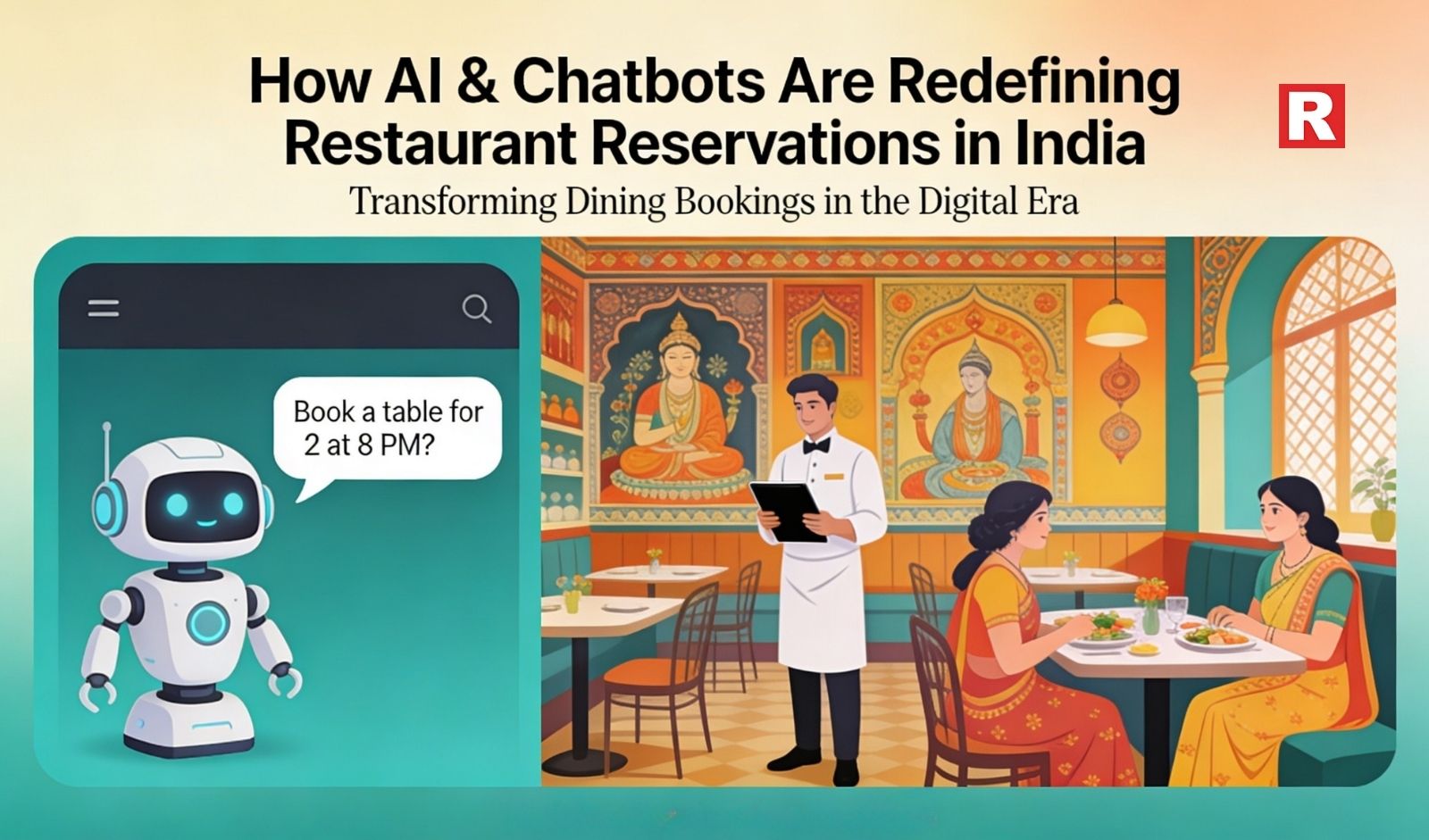
Dining in India has changed fast. Ordering food is now digital. Payments are seamless. But reservations are still catching up. Many restaurants still depend on phone calls and manual booking logs. This leads to missed calls, long wait times, and lost revenue.
Today’s customer expects speed. They want instant replies. They want to book a table as easily as they order food online. This is where AI and chatbot integration is changing the game. It is not just about automation. It is about improving how restaurants connect with guests.
The Shift from Calls to Conversations
Traditional reservations depend on staff availability. During peak hours, calls often go unanswered. This means lost business. A customer who does not get a quick response will move on.
AI-powered chatbots solve this problem. They respond instantly. They work 24/7. They can handle multiple queries at the same time. Whether it is a late-night booking or a weekend rush, the system does not slow down. In India, this shift is even more relevant. Customers are already used to chatting on WhatsApp and Instagram. Booking a table through chat feels natural. It removes friction and saves time.
What AI Reservations Really Look Like
AI in reservations is more than just a booking tool. It is a complete system that manages guest interaction. A customer can send a message on WhatsApp. The chatbot responds in seconds. It asks for the date, time, and number of guests. It checks real-time availability. It confirms the booking instantly.
Some systems also support voice AI. These can handle phone calls like a human receptionist. They understand natural language and respond clearly. This helps restaurants manage calls without adding staff. The real value comes from integration. AI tools connect with POS systems and CRM platforms. This ensures that every booking is recorded and tracked. It also helps in building customer profiles.
Why Restaurants Are Adopting This Now
Customer behaviour has shifted in recent years. People now expect quick replies. They do not like waiting for callbacks or confirmations. This change is pushing restaurants to upgrade their systems. Digital ordering has already shaped these expectations. When food can be ordered in seconds, customers want the same ease while booking a table. At the same time, people are using many platforms. They interact with restaurants through websites, apps, and social media. Handling all these channels manually is not easy. It often leads to delays and missed opportunities. In India, the rise of quick commerce has made speed even more important. Fast delivery has become the norm. This habit is now influencing dining as well. Customers expect fast, smooth, and simple reservation experiences.
- Customers expect instant replies
- Waiting time leads to drop-offs
- Digital ordering has set new standards
- Multiple platforms increase complexity
- Manual handling slows down service
- Quick commerce has raised speed expectations
- Dining behaviour is becoming more convenience-driven
Read more: From Kitchen to Cashflow: Smart Food Costing & Pricing Strategies Every Chef Must Master
From Office Lunches to Doorstep Deliveries: How Work-From-Home Is Redefining Food Ordering in India
Key Features That Make AI Chatbots Effective
AI reservation systems come with strong technical capabilities. These features are what make them useful for restaurants.
- Natural Language Processing allows chatbots to understand human language. Customers can type or speak naturally. The system understands intent and responds correctly.
- Real-time availability sync ensures that double bookings do not happen. The system updates table status instantly.
- Multi-channel support allows restaurants to manage bookings from WhatsApp, websites, and social platforms in one place.
- Automation reduces manual work. The chatbot can handle bookings, cancellations, and modifications without staff intervention.
- AI-driven recommendations add another layer of value. The system can suggest menu items or special offers based on customer preferences.
Real Business Impact
AI in reservations is no longer just about ease. It plays a direct role in improving revenue and daily operations. Restaurants using such systems often see more confirmed bookings. Fewer calls are missed, which means fewer lost customers. More enquiries turn into actual reservations. This improves overall conversion. Staff workload also becomes lighter. Employees do not have to handle the same questions again and again. They get more time to focus on guests inside the restaurant. Service quality improves as a result. It also becomes easier to increase order value. The system can suggest add-ons like special menus or better seating options. This leads to higher spending per guest. Cost savings are another advantage. Restaurants can manage with smaller front-desk teams. This helps in improving efficiency and reducing operational pressure.
- Increase in confirmed bookings
- Reduction in missed calls
- Better conversion of enquiries
- Lower staff workload
- More focus on in-house service
- Easier upselling opportunities
- Higher average spend per customer
- Reduced front-desk dependency
- Improved overall efficiency
Practical Use Cases in Restaurants
Many restaurants are already using AI in different ways. Some use chatbots to handle peak-hour bookings. This ensures that no query is missed. Others use AI voice assistants to manage incoming calls. These systems can confirm reservations without human involvement.
Waitlist management is another area where AI helps. Customers receive real-time updates on their table status. This improves transparency and reduces frustration. Personalisation is also becoming common. Regular customers can receive tailored recommendations based on past visits. This creates a more engaging experience.
Balancing Technology with Human Touch
Technology cannot replace hospitality. Dining is still a human experience. Guests value warmth and personal attention. AI should support staff, not replace them. It should handle repetitive tasks. This gives employees more time to focus on service.
For example, instead of answering calls all day, staff can engage with guests in the restaurant. They can improve service quality and build stronger relationships. This balance is important. It ensures that technology enhances the experience without making it feel robotic.
Know more: Restaurant Business in India: Complete Guide to Start, Run & Grow (2026)
Challenges to Consider
- AI adoption is not without challenges. Integration can be complex. Systems need to connect with existing tools like POS and CRM platforms.
- Data accuracy is critical. If table availability is not updated in real time, it can lead to booking errors.
- Training is also important. AI systems need to be properly set up and maintained. Poorly designed chatbots can frustrate customers instead of helping them.
There is also the need for fallback options. Some queries are complex. In such cases, human intervention should be available.
The India Opportunity
India is a strong market for AI-driven reservations. The country has a large mobile-first audience. Messaging apps are widely used. This makes chatbot adoption easier. Urban consumers are comfortable with digital interactions. They prefer convenience and speed. Restaurants that meet these expectations can stand out.
There is also a growing interest in premium dining experiences. Personalisation plays a big role here. AI can help restaurants deliver tailored services at scale. For mid-sized and large restaurant chains, AI offers a clear advantage. It helps in managing high volumes without compromising service quality.
Also check: Menu Engineering: How Restaurants Decide Pricing (And Why It Matters More Than You Think)
Subscription Dining Models: Can Monthly Meal Memberships Work?
The Ultimate Guide to Getting Your Cloud Kitchen on Zomato
The Future
The future of reservations will go beyond basic bookings. Voice-first systems will become more common. Customers will book tables through simple voice commands. AI will act like a dining assistant. It will suggest the best time to visit, recommend dishes, and even remember preferences. Predictive systems will analyse customer behaviour. They will anticipate demand and optimise table management. Loyalty programs will also become smarter. AI will offer personalised rewards and experiences based on individual preferences.
Reservations are no longer just about filling tables. They are about creating a seamless customer journey. AI and chatbots are helping restaurants move from reactive service to proactive engagement. They capture every opportunity. They reduce friction. They improve efficiency. For restaurants in India, this is a chance to stay ahead. The tools are available. The demand is already there. The real question is not whether to adopt AI. It is how quickly restaurants can integrate it into their operations and use it to create better dining experiences.
Saptopriya Ghosal
Feature Writer
I am a dedicated media professional with a bachelor's degree in mass communication from the State University of Calcutta and a postgraduate degree from Amity University. My academic journey has equipped me with a profound understanding of storytelling and communication. Passionate about the dynamic world of media, I continually strive to explore new ways to engage and inform through compelling narratives.



































































