From Plate to Palette: The Art and Science of Visual Presentation in Modern Indian Cuisine
All these colors are used by chefs to create compositions that make everyone’s appetite keen before taking any food. On the other hand, textures make it easy to create variation and depth on the haptic level.


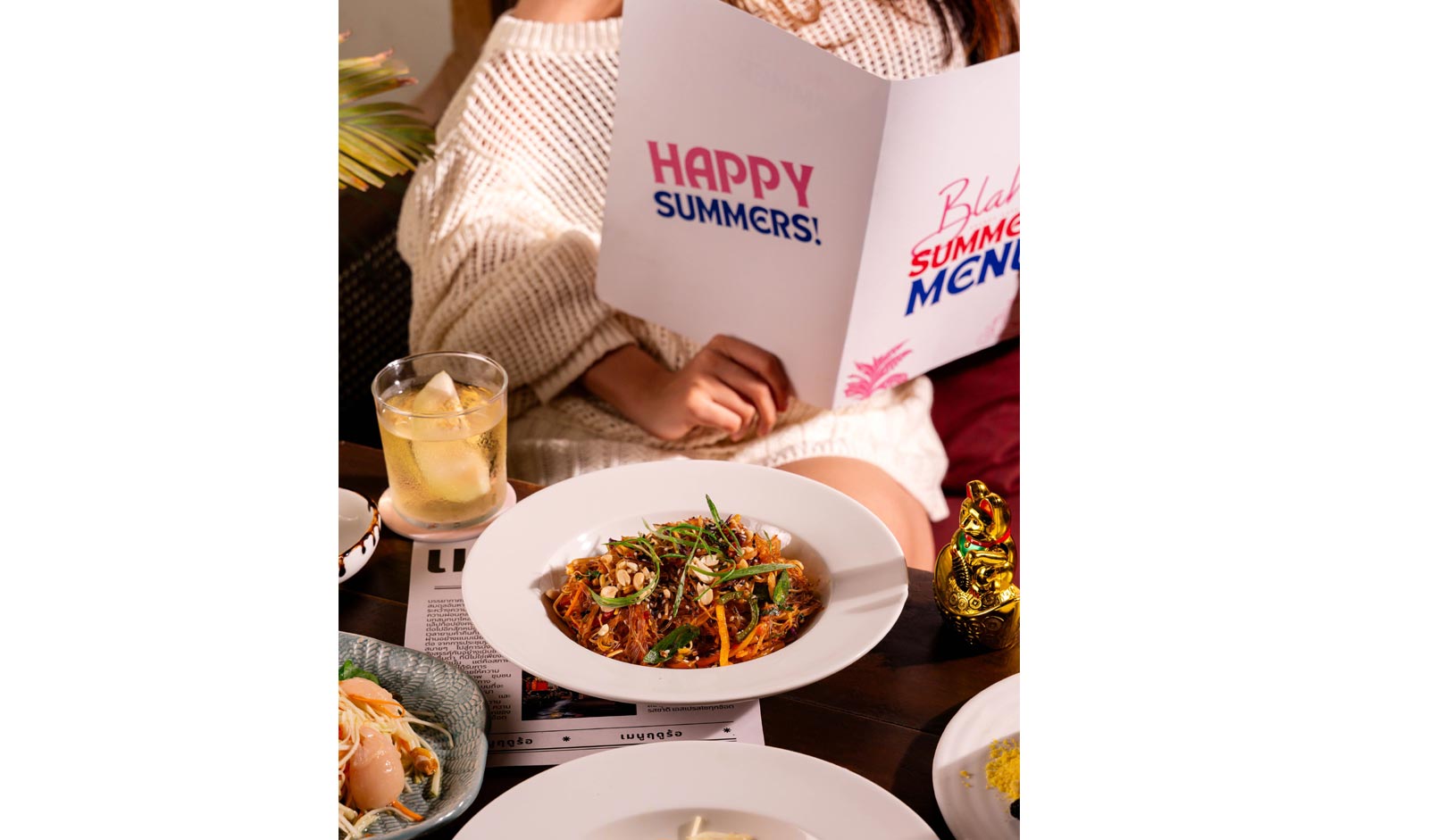
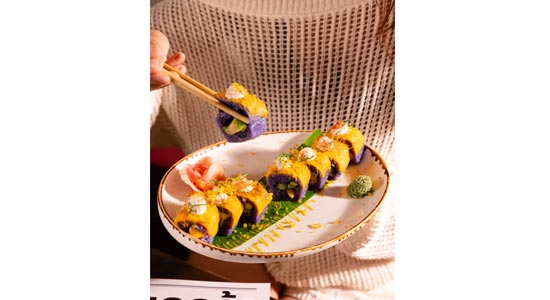
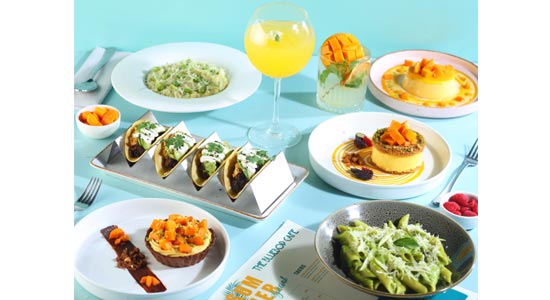
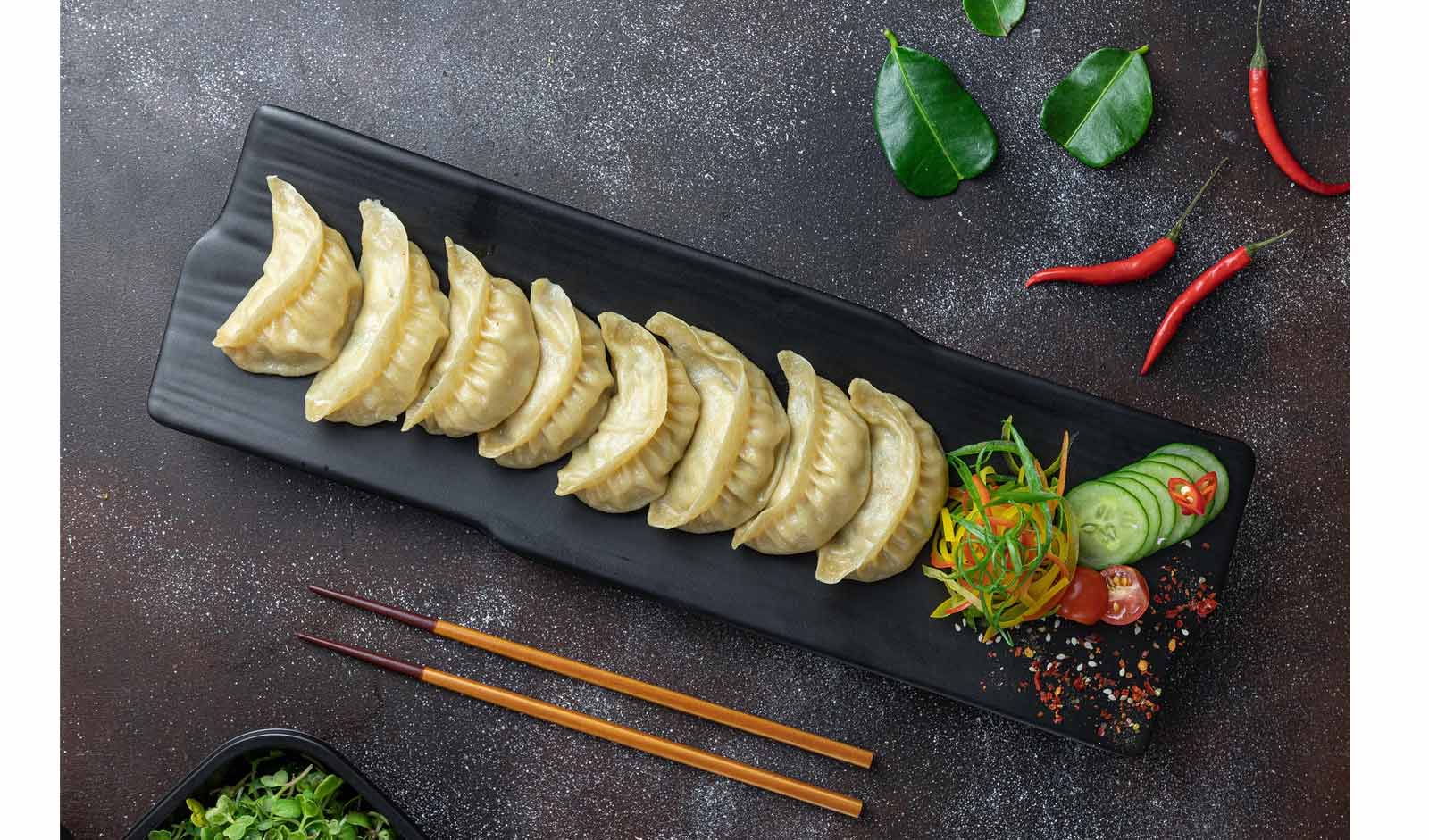
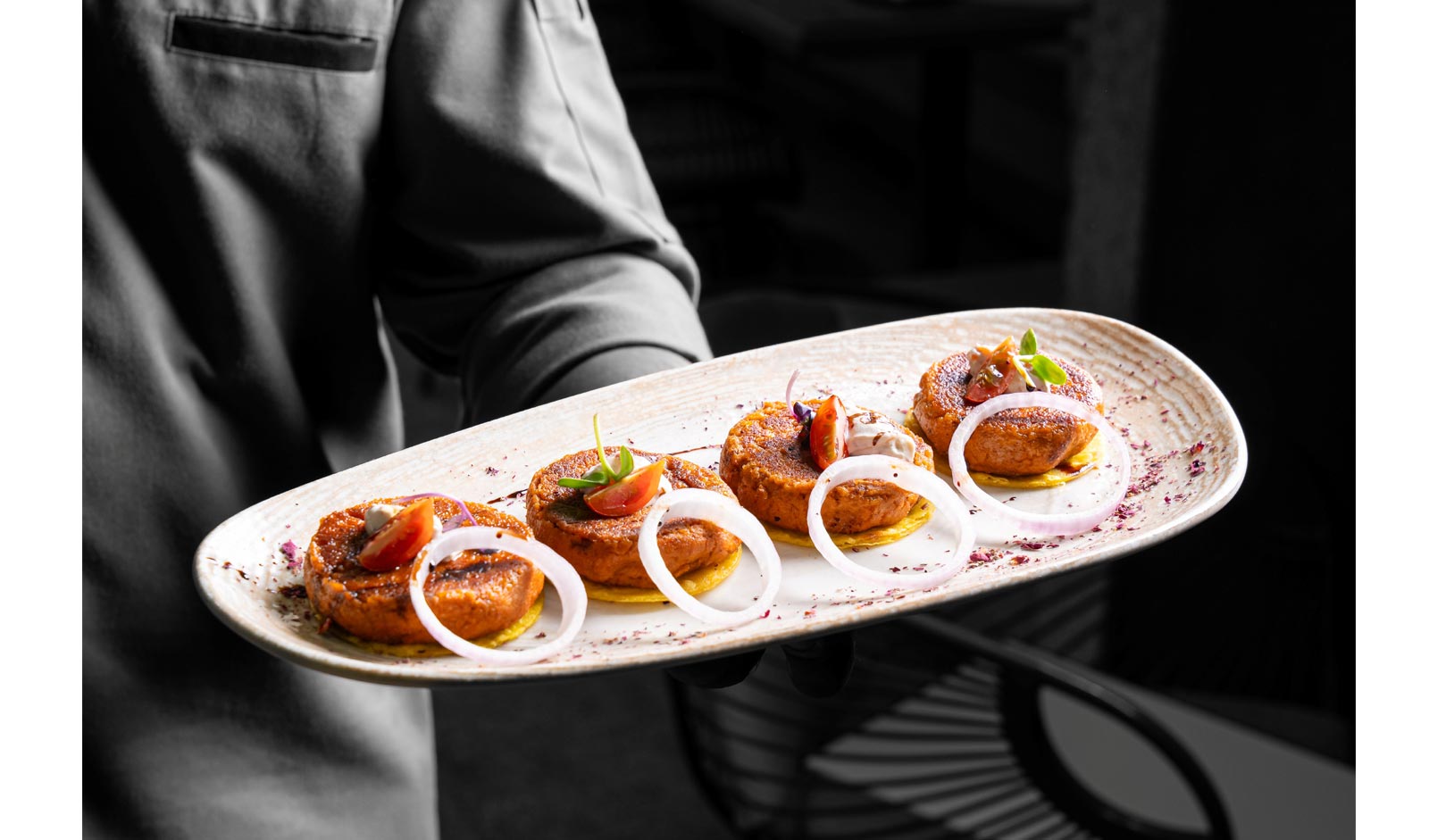
In today’s culinary world, presentation is a crucial aspect of the dishes, becoming an essential part of the taste experience and a pathway to the dining process. Chefs like Suvir Saran, Kunal Kapur, Atul Kochhar and others also speaks for the new Modern Indian cuisine transforming traditional dishes into inviting eye-paint pieces which are both ancient and contemporary. In this case, plating elevates itself from an aesthetic issue – beyond taste, it turns into an art where the plate, colors, textures and tastes go together, and tell a story.
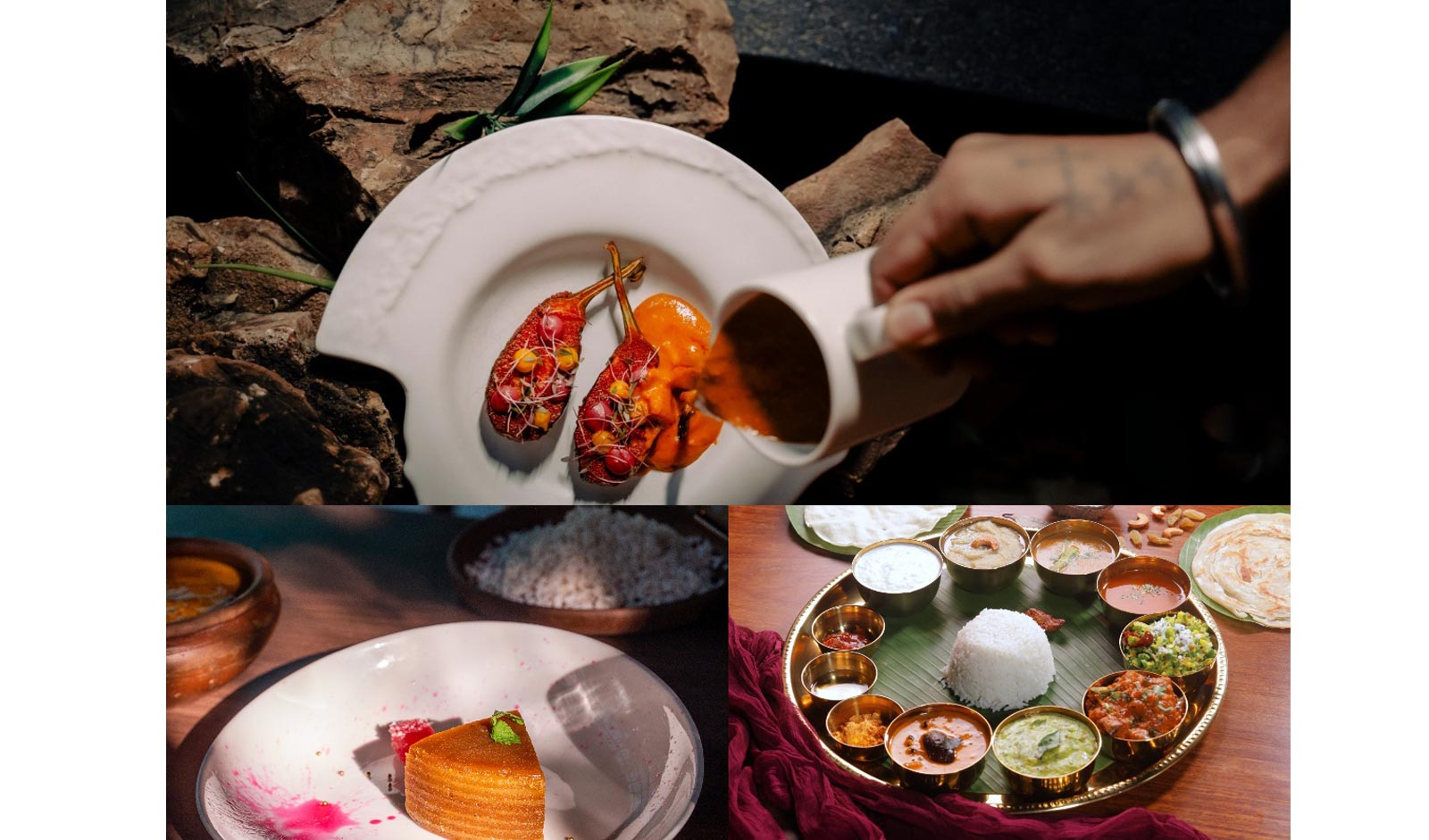
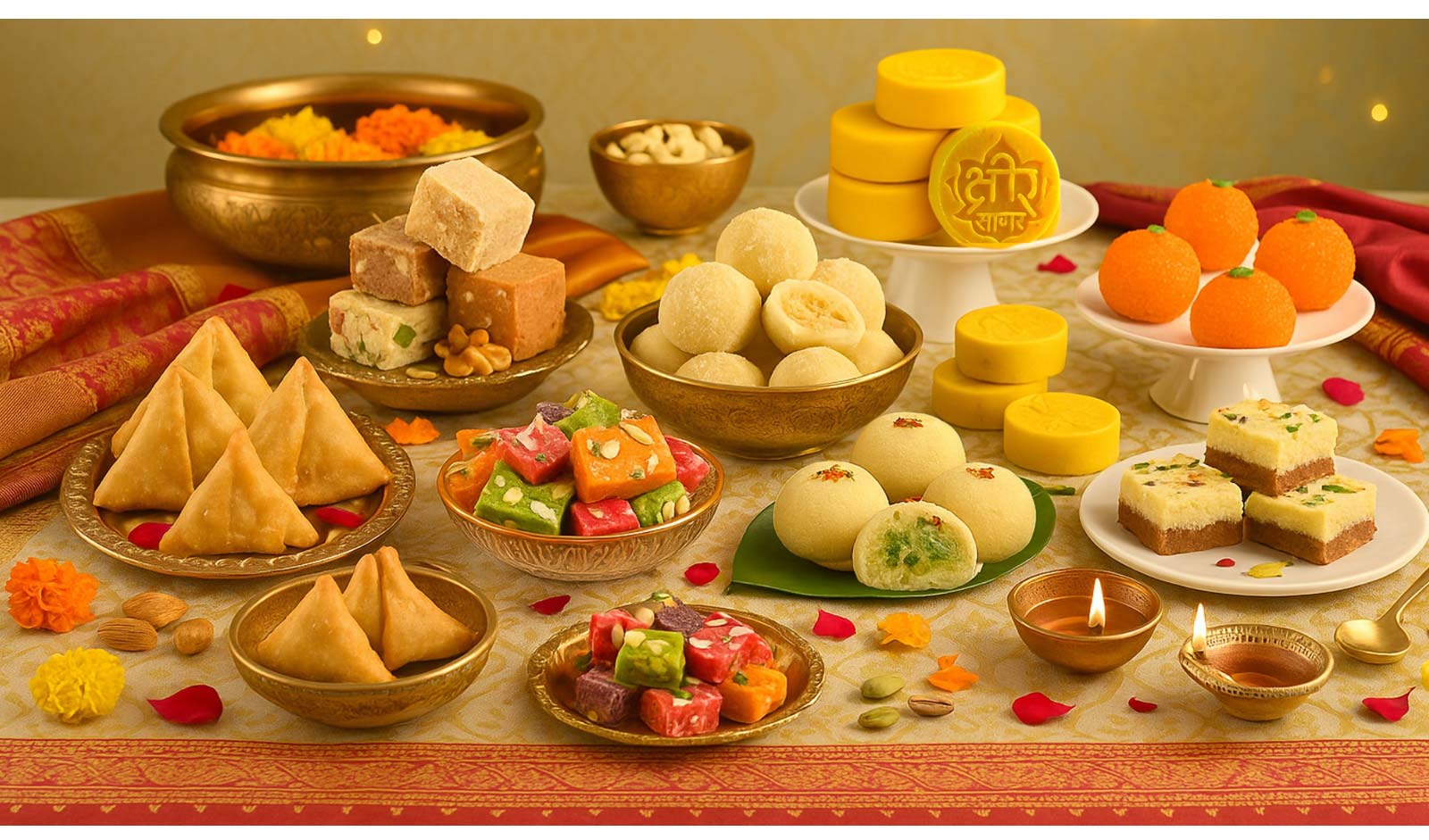
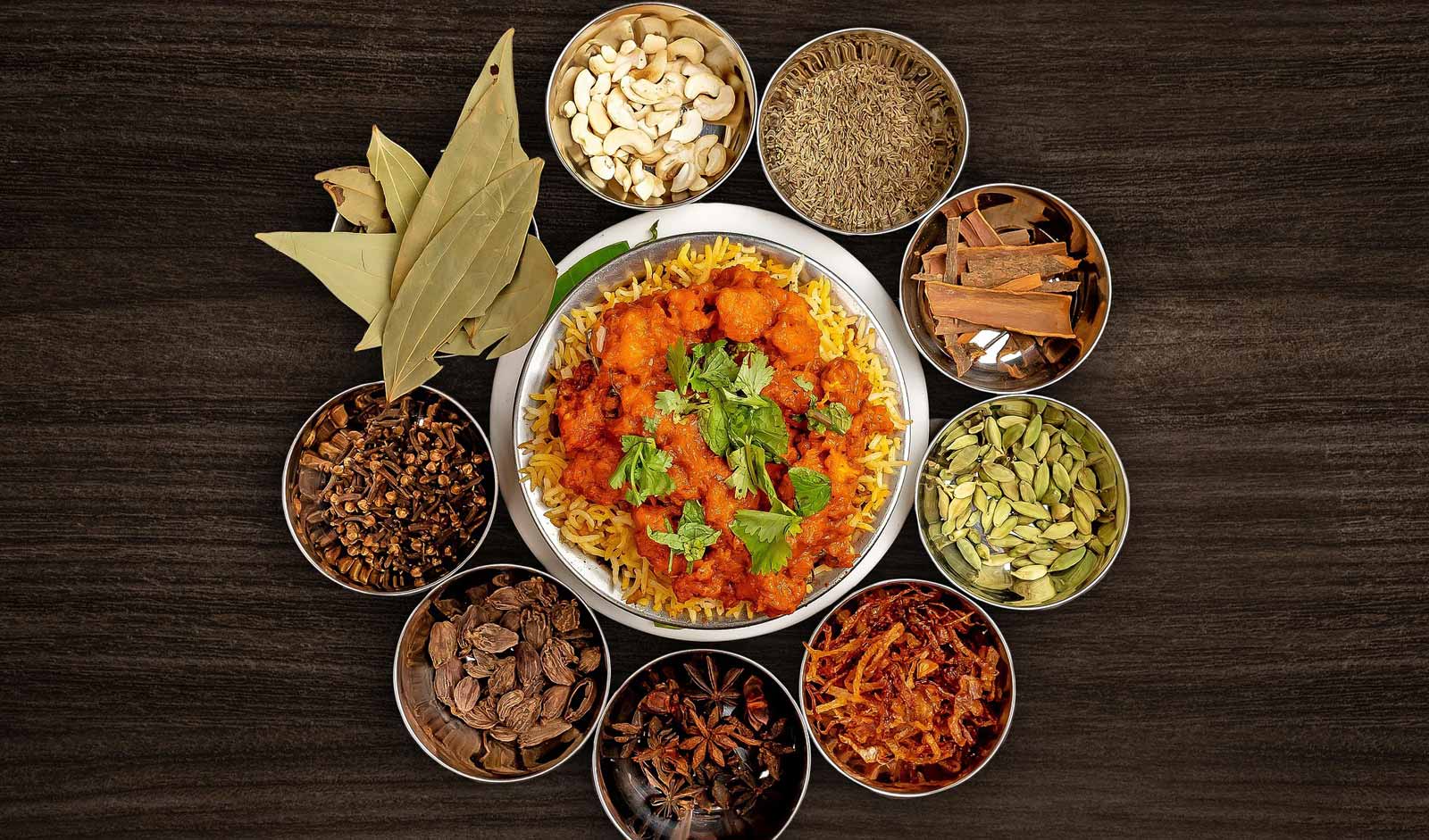
The Traditional Roots of Indian Presentation: Indian food always has a certain intrinsic aspect of presentation though in the olden days for sharing wherein many types of dishes could be found within a single plate known as the thali. Raw and natural looking spices and ingredients used in preparation bring beautiful and lively hues in these plates and each item on it contributes to the whole experience. Chefs today enhance procedure with this and make it possible to transition from tradition to global outlook when plating.
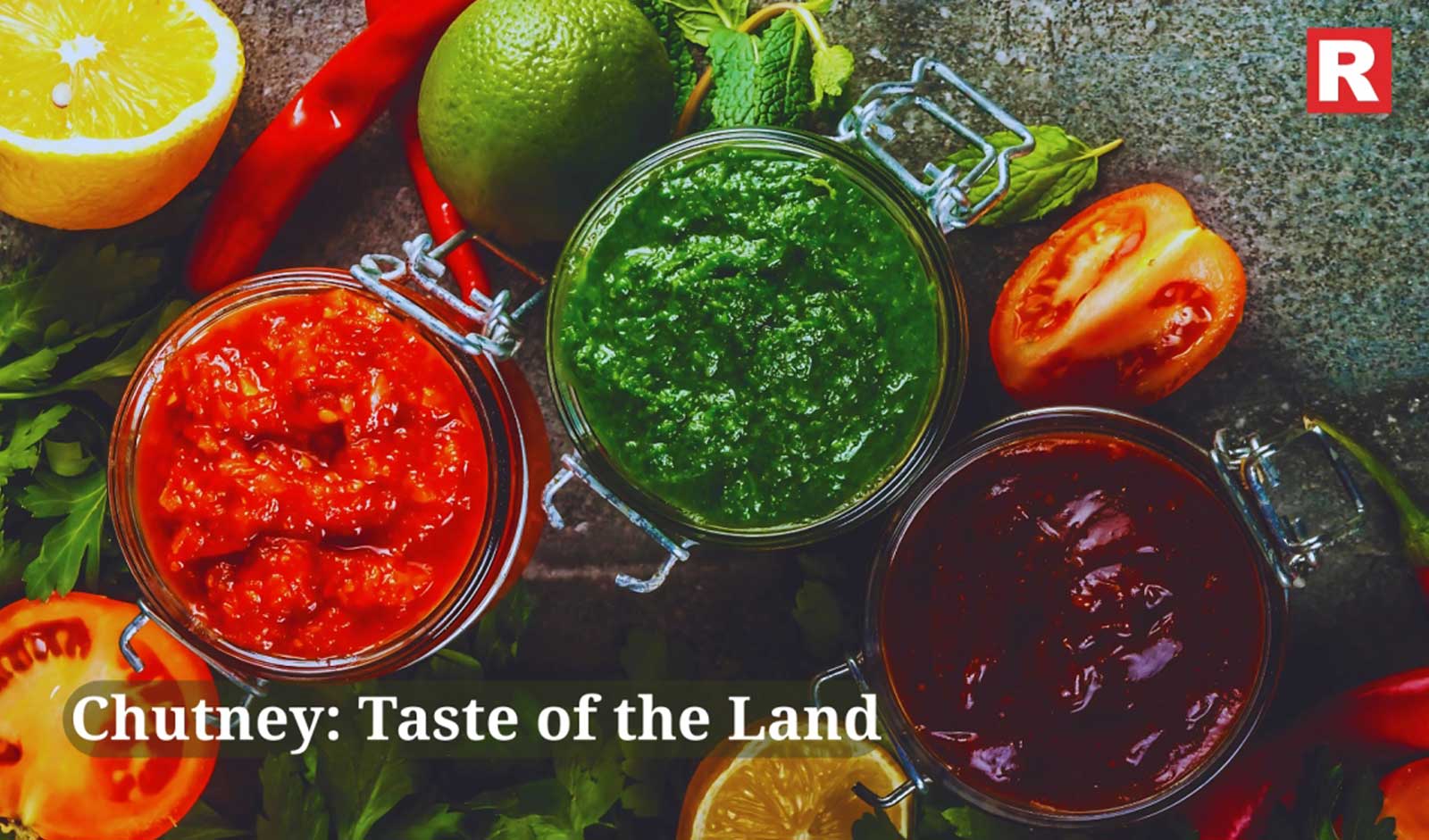
The Art and Science Behind Plating: Plating, as mentioned before, is more of an art as well as science. As much as cooking and presentation go in tandem, it takes careful planning on how the colors, shapes and texture are placed on a plate. Elements of color are important to Indian food, for instance, while turmeric, chili and saffron are all spices, their bright yellow and red hues also add to the appeal of any meal. All these colors are used by chefs to create compositions that make everyone’s appetite keen before taking any food. On the other hand, textures make it easy to create variation and depth on the haptic level. This is because such features cut across the fundamental aspect of food such as the appearance of a crispy dosa with the moistness of chutney for example.
Techniques in Modern Indian Plating: Today’s chefs are aspiring to try out new tricks, combining the best of intercontinental flair and authentic Indian flavors. A few popular plating techniques in modern Indian cuisine include:
1. Deconstruction: In a manner of speaking, by deconstructing what could be fairly conventional meals into distinct apparatus, chefs are letting the guests to engage. An example of a bad molecular technique is a deconstructed samosa where small portions of potato filling, the crispy shell and chutney are prepared separately, but they help the guests think differently about something as ordinary as a samosa.
2. Molecular Gastronomy: The combination of science and cooking skill, chefs cook an ingredient as if a scientist and a culinary artist and turn an ingredient into something with a different texture. When the film rolls out bio-morphic yogurt foam or turns spices into spheres that can be eaten or melds flavors into geometric shapes or forms, it introduces more mystery to each plate.
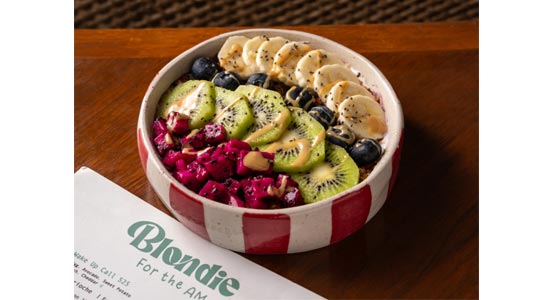
3. Microgreens and Edible Flower: These small, intense colors enrich dishes with taste and make entrees look much more exquisite. Picking up a touch of green or the floral accents not only correlates with the objective improvement of the dining area appearance but also introduces subtle sparing notes to the dishes that help make the impression of a great gourmet restaurant.
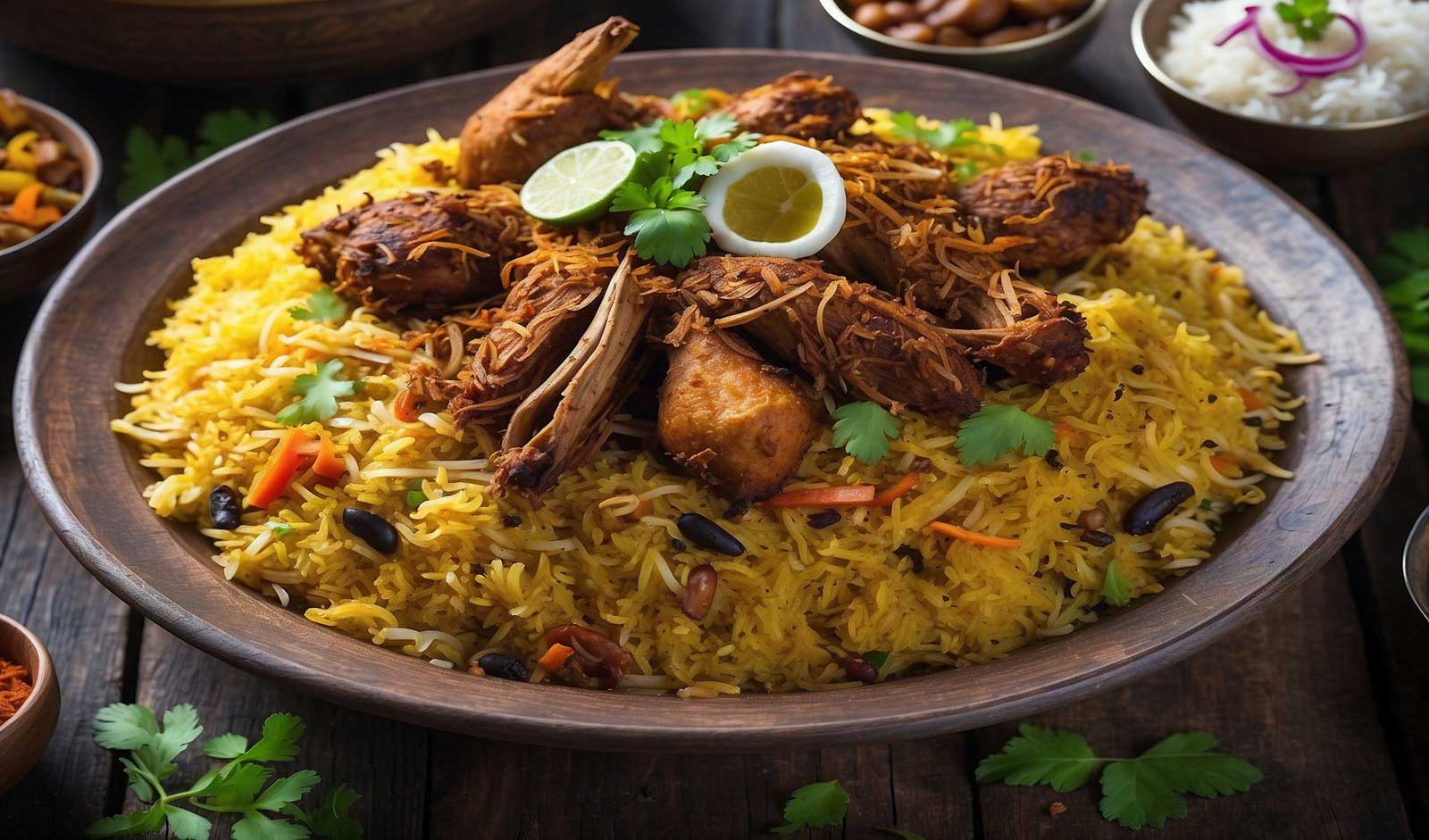
4. Traditional Vessels: To be realistic, or as many chefs seek to do, they also use such basic accessories as brass, copper or clay. First impressions are important, which is why food placed in locally made containers, such as an earthen pot for biryani or a copper bowl for butter chicken, plays an important role because it connects to the people’s culture and tastes and looking at the food21.
The Psychological Impact of Presentation: Apart from taste, appearance influences the perception of the taste of the foods that are served in a restaurant. Research proves that if the food is colorful then it will have a better taste in the eyes of customers as they believe that when the outlook is good, the outlook on service is good too. In the modern world of the social networks this psychological influence is enhanced, which visually stunning meals attract habits and the sight on the networks. The positioning of the food also enables the chef to tell a story that is associated with every preparation prepared for the clients.
The Future of Food Presentation in Indian Cuisine: Even today, presentation being a key component of food, will always remain important to the specifics of modern Indian cuisine. Chiefs probably will tend to experiment more, take more measures in sustainability while considering aesthetics, and create dishes that reflect both old and new traditions. Influencing the future of Indian cuisine, this experience of art and science is turning each plate into visuals.
To sum up, presentation in the modern Indian cuisine: the art of creating the dishes presentation, is the tradition with the touch of modernity. Indeed each plate is a masterpiece where color, texture and tradition is reflected, a feast for the eyes and the stomach. With time, dining will increase as customers are keen on the visual aspects and therefore presentation of foods as meals to be relished will always be important.
Manish Sharma
Co-founder and COO, Karigari Restaurant