From Pizza to Pasta: The Rising Popularity of Italian Cuisine in India
The future of Italian cuisine in India looks promising, with innovation playing a key role in its continued growth. Health-conscious options like whole wheat pizzas, gluten-free pastas, and vegan dishes are gaining popularity.

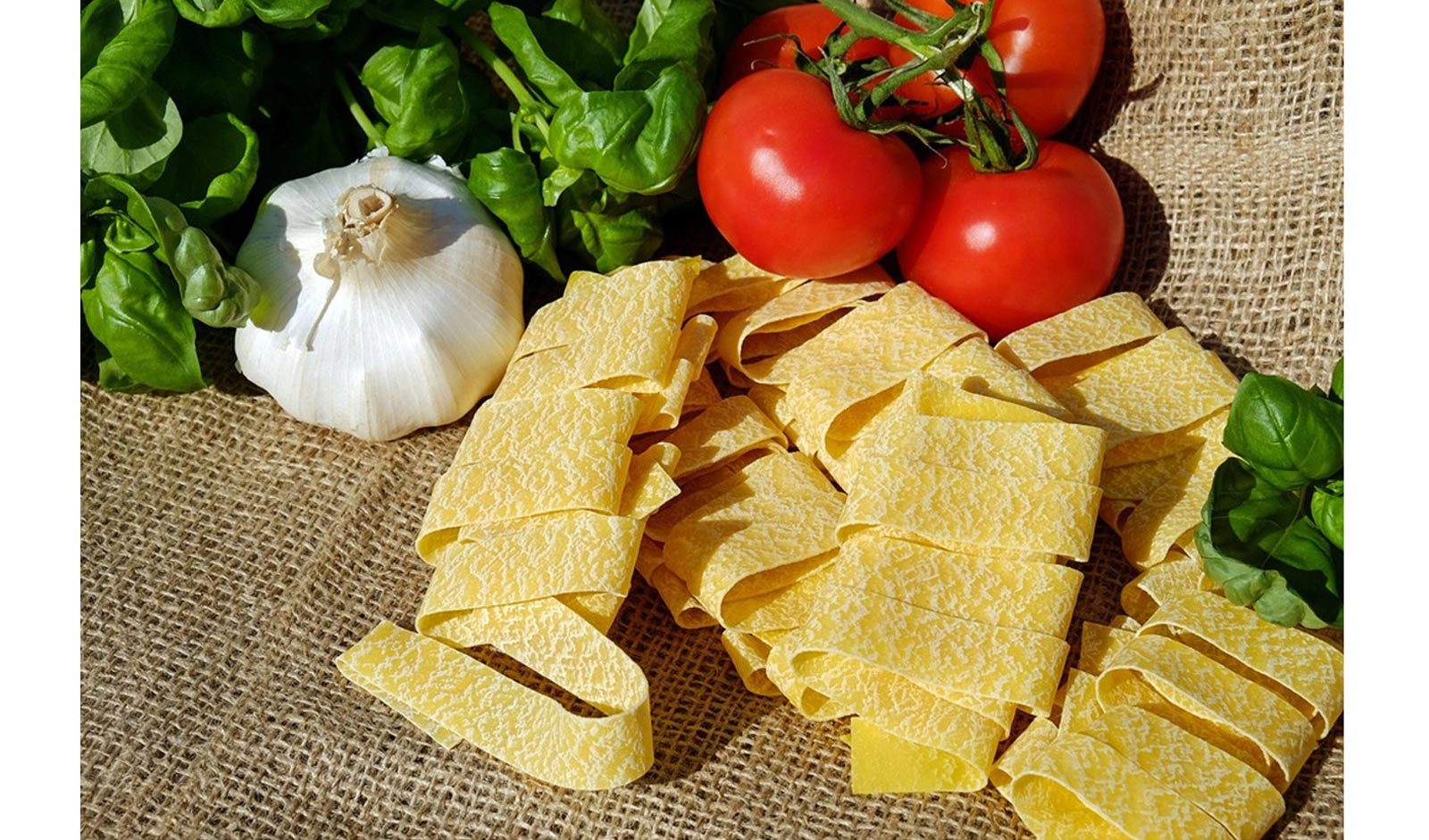
The Indian food landscape has evolved dramatically over the past decade, embracing global cuisines like never before. Among the many international culinary influences, Italian cuisine has carved a special place in the hearts of Indian diners. From cheesy pizzas to creamy pastas, Italian food has transitioned from being a niche offering to a mainstream favorite across metros and even smaller cities. This growing popularity reflects changing lifestyles, exposure to global cultures, and an increasing appetite for diverse dining experiences.
Changing Food Preferences in India
India’s urban population, particularly the younger generation, is more experimental with food than ever before. Exposure to international travel, digital media, and global food trends has broadened culinary horizons. Italian cuisine, with its simple ingredients and comforting flavors, fits perfectly into this evolving palate.
Unlike heavily spiced cuisines, Italian food offers a balance of flavors that appeal to a wide audience. The mild seasoning, use of cheese, olive oil, and herbs like basil and oregano create dishes that are both indulgent and easy to enjoy. This accessibility has been a key factor in its widespread acceptance.
The Pizza Revolution
Pizza has been one of the biggest drivers of Italian cuisine’s popularity in India. What started as an exotic dish has now become a staple in many households. The rise of quick-service restaurant chains and delivery platforms has made pizza easily accessible, affordable, and customizable.
Indian consumers have embraced pizzas with a local twist—toppings like paneer, tandoori chicken, spicy vegetables, and even fusion flavors have become extremely popular. This adaptability has helped pizza evolve into a comfort food that caters to Indian taste preferences while retaining its Italian roots.
Pasta Finds Its Place
While pizza may have led the way, pasta has steadily gained popularity among Indian diners. From creamy Alfredo to tangy Arrabbiata, pasta dishes are now widely available across restaurants, cafés, and home kitchens.
The versatility of pasta makes it a favorite among chefs and consumers alike. It can be easily customized with vegetarian, non-vegetarian, or even vegan ingredients. In India, pasta dishes are often enhanced with bold flavors, making them more appealing to local tastes. This fusion approach has played a significant role in popularizing pasta across different segments of consumers.
Growth of Italian Dining Culture
The rise of Italian cuisine in India is also closely linked to the growth of café culture and casual dining. Italian food is often associated with comfort, sharing, and relaxed dining experiences, making it ideal for social gatherings.
Restaurants have capitalized on this by creating warm, inviting spaces that reflect Italian aesthetics. Open kitchens, wood-fired ovens, and rustic interiors add to the overall experience. Dining is no longer just about food—it’s about ambiance, storytelling, and connection.
Localization: The Key to Success
One of the biggest reasons behind the success of Italian cuisine in India is localization. Chefs and restaurateurs have skillfully adapted traditional recipes to suit Indian preferences without compromising the essence of the cuisine.
Vegetarian options dominate menus, reflecting India’s dietary habits. Ingredients like paneer, corn, mushrooms, and spinach are commonly used, while spice levels are often adjusted to match local tastes. This balance between authenticity and innovation ensures that Italian cuisine remains both relatable and exciting.
Expansion Beyond Metro Cities
Italian cuisine is no longer limited to metropolitan cities like Delhi, Mumbai, or Bangalore. It has steadily expanded into Tier 2 and Tier 3 cities, driven by changing consumer aspirations and the growth of organized food chains.
With increasing disposable incomes and exposure to global trends, consumers in smaller cities are also embracing Italian food. This expansion highlights the strong and sustained demand for the cuisine across India.
Innovation and Future Trends
The future of Italian cuisine in India looks promising, with innovation playing a key role in its continued growth. Health-conscious options like whole wheat pizzas, gluten-free pastas, and vegan dishes are gaining popularity.
Chefs are also experimenting with fusion concepts, blending Italian techniques with Indian ingredients to create unique culinary experiences. This continuous evolution ensures that Italian cuisine remains relevant and appealing to modern consumers.
From pizza to pasta, Italian cuisine has successfully become a part of India’s dynamic food culture. Its rise is a testament to the country’s openness to global influences and its ability to adapt them to local tastes.
As the demand continues to grow, Italian cuisine in India will keep evolving—balancing authenticity with innovation, and tradition with modernity. In this journey, it is not just about food; it is about creating experiences that resonate with the diverse and ever-changing Indian palate.
Chef Dinesh Parshad Bhatt
Cluster Chef, Toscano