
From Ordering to Pricing: The Growing Role of AI in Restaurants
As food costs continue to rise and customer expectations evolve, AI is becoming a critical ingredient in building smarter, more efficient, and more profitable restaurants.

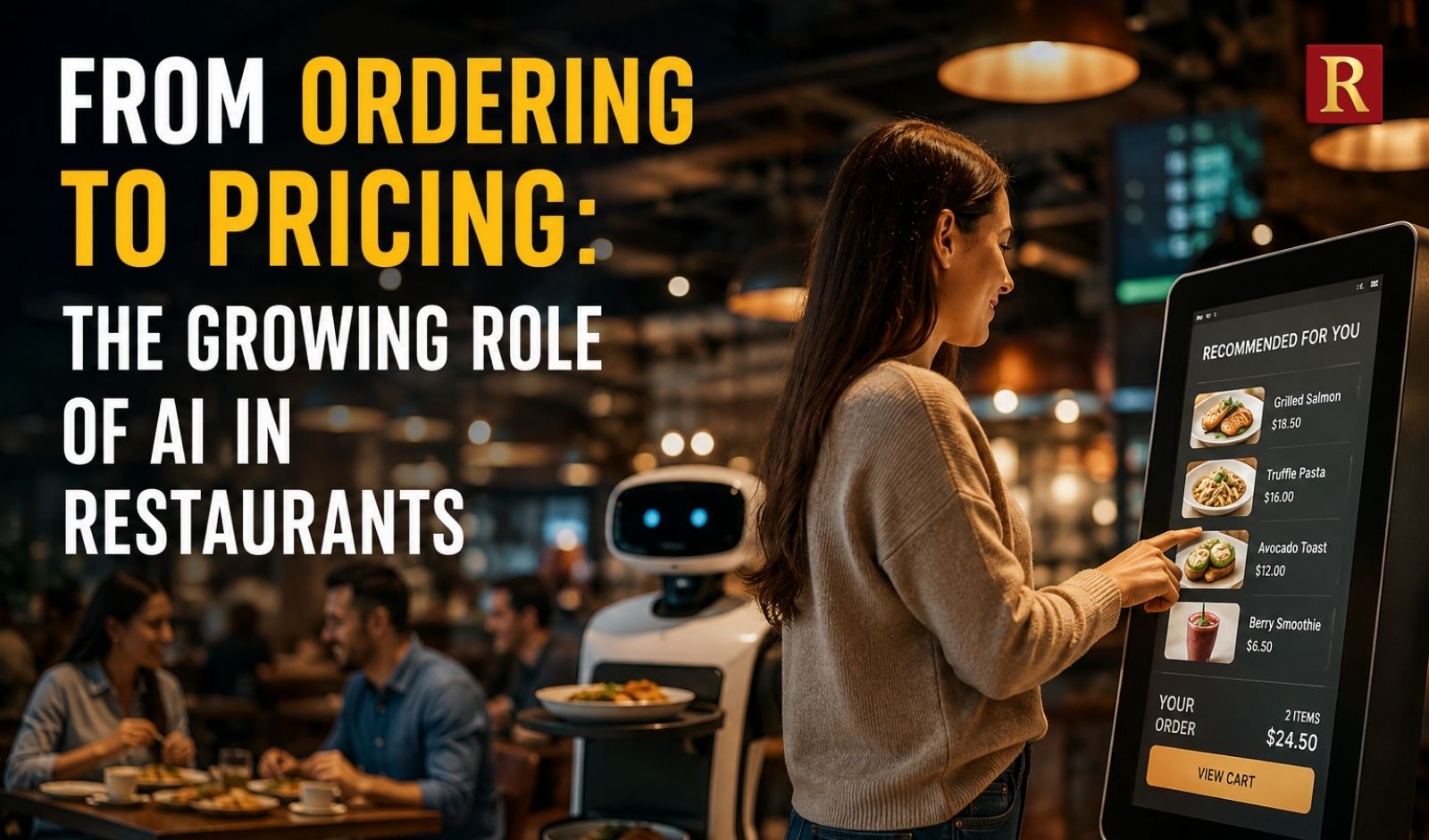
The restaurant industry is going through one of its biggest technology shifts in decades. Artificial Intelligence (AI) is no longer limited to chatbots or futuristic concepts. Today, it is helping restaurants take orders, predict customer demand, manage inventory, reduce food waste, optimize staffing, and even recommend menu prices.
For an industry that often operates on profit margins of just 3 to 5 percent, every efficiency matters. Rising food costs, labor shortages, and changing customer expectations are pushing restaurants to adopt smarter technologies. AI is emerging as one of the most effective solutions to address these challenges while improving both profitability and customer experience.
Why Restaurants Are Investing in AI
Restaurants generate enormous amounts of data every day. Every order, payment, reservation, and customer interaction creates valuable information. Traditionally, much of this data remained underutilized. AI changes that by analyzing large datasets and turning them into actionable insights. According to industry estimates, the global AI in food and beverage market is expected to grow significantly over the next decade as businesses look for ways to improve efficiency and reduce operational costs.
Restaurant operators are increasingly using AI because it helps them:
- Forecast demand more accurately
- Reduce food waste
- Improve labor scheduling
- Increase sales through personalized recommendations
- Streamline customer service
- Optimize menu pricing
The result is a restaurant that operates more efficiently while delivering a better guest experience.
Smarter Ordering Through AI
One of the most visible uses of AI in restaurants is in the ordering process. Customers today expect speed and convenience, whether they are dining in, ordering online, or using a drive-thru. AI-powered voice assistants are becoming more common in restaurants. These systems can answer calls, take orders, and handle multiple customers at the same time. Unlike human staff, they can operate around the clock and never miss a call during busy hours.
Self-service kiosks are also becoming smarter. Instead of simply displaying menu options, AI can analyze purchasing patterns and recommend additional items. For example, a customer ordering a burger may be prompted to add fries, a beverage, or a dessert based on previous customer behavior. Many restaurants are also using AI chatbots on websites and messaging platforms. These tools answer customer questions, assist with orders, and provide real-time updates, reducing pressure on restaurant staff.
AI-Powered POS Systems
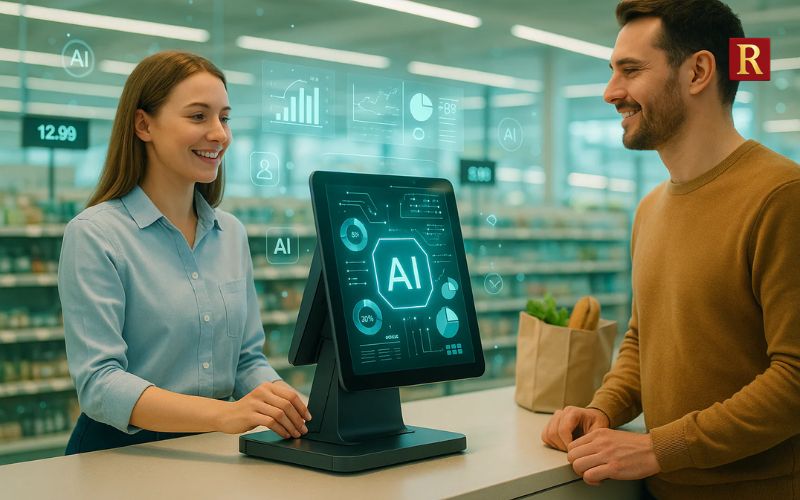
Modern point-of-sale (POS) systems do much more than process payments. AI-enabled POS platforms collect and analyze sales data to help restaurant managers make better decisions. These systems can identify best-selling dishes, peak business hours, seasonal trends, and customer preferences. Instead of manually reviewing reports, managers receive insights automatically.
For example, AI can detect that a particular menu item sells better on weekends or that certain beverages are more popular during summer months. These insights help restaurants plan inventory, promotions, and staffing more effectively. The POS system is gradually evolving from a transaction tool into a business intelligence platform.
Predicting Demand Before Customers Arrive
One of AI's most valuable capabilities is demand forecasting. Restaurants often struggle with balancing inventory and staffing levels. Ordering too much food leads to waste, while ordering too little results in lost sales. Similarly, overstaffing increases labor costs, while understaffing affects customer service.
AI addresses this challenge by analyzing multiple factors, including:
- Historical sales data
- Weather forecasts
- Holidays
- Local events
- Seasonal patterns
- Customer behavior trends
By combining these variables, AI can predict future demand with remarkable accuracy. Several restaurant groups have reported significant reductions in food waste after implementing AI forecasting systems. Some businesses have reduced waste by more than 30 percent while improving inventory planning and operational efficiency.
For restaurant owners, this translates directly into cost savings and higher profitability.
Reducing Waste Through Intelligent Inventory

Food waste remains one of the biggest challenges facing the restaurant industry. Studies suggest that restaurants lose thousands of dollars annually due to spoilage, overordering, and poor inventory management. AI helps solve this problem by continuously monitoring ingredient usage and inventory levels.
Instead of relying solely on manual counts, AI systems can:
- Track ingredient consumption
- Predict future inventory needs
- Identify slow-moving products
- Generate automated purchase recommendations
For example, if a restaurant is expected to experience lower customer traffic because of weather conditions, the system may recommend reducing orders for perishable ingredients. This proactive approach helps restaurants control costs and minimize waste without affecting customer service.
AI Is Transforming Menu Engineering
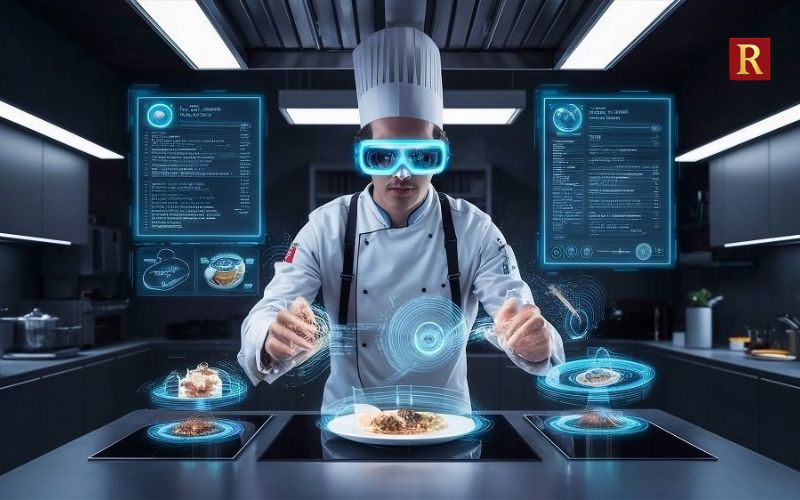
Creating a successful menu involves much more than offering popular dishes. Restaurants must also consider profitability. AI-powered menu engineering tools analyze both sales performance and profit margins. They help operators understand which items contribute most to revenue and which ones underperform.
The technology evaluates factors such as:
- Sales volume
- Contribution margin
- Customer preferences
- Menu placement effectiveness
If a dish sells frequently but generates low profit, AI can recommend adjustments to pricing, portion sizes, or ingredient sourcing. Similarly, highly profitable items can be highlighted more prominently on menus to encourage sales. This data-driven approach allows restaurants to optimize their menus for both customer satisfaction and financial performance.
The Growing Influence of Dynamic Pricing
Dynamic pricing is one of the most discussed developments in restaurant technology. The concept involves adjusting menu prices based on real-time factors such as demand, time of day, inventory levels, and special events. Airlines and hotels have used dynamic pricing for years. Restaurants are now beginning to explore similar strategies.
For example:
- Happy-hour discounts during slower periods
- Promotional pricing for excess inventory
- Premium pricing during major sporting events or holidays
AI analyzes large volumes of data to recommend pricing adjustments that maximize revenue while maintaining customer demand. However, transparency is crucial. Customers expect fair and consistent pricing. Restaurants must ensure that any pricing strategy is clearly communicated to maintain trust.
Smarter Workforce Management
Labor costs typically account for 25 to 35 percent of restaurant expenses. Managing staffing efficiently is therefore essential. AI helps managers schedule employees based on predicted customer traffic and historical sales patterns. Instead of relying on guesswork, restaurants can align staffing levels with expected demand. This reduces unnecessary labor costs while ensuring sufficient coverage during busy periods.
Benefits include:
- Lower overtime expenses
- Improved employee productivity
- Better customer service
- More efficient workforce allocation
For operators facing labor shortages, AI-driven scheduling can provide a significant competitive advantage.
Personalized Experiences Drive Customer Loyalty
Today's customers expect personalized experiences. AI helps restaurants deliver them. By analyzing customer purchasing behavior, AI can create tailored recommendations, promotions, and loyalty rewards. For example, if a customer regularly orders coffee and pastries in the morning, the restaurant may send targeted offers related to breakfast products. This level of personalization increases customer engagement and often leads to higher spending and repeat visits. Many leading restaurant brands are already using AI-driven loyalty programs to strengthen customer relationships and improve retention rates.
The Future of AI-Powered Restaurants
The role of AI in restaurants is expanding rapidly. What began as a tool for automation is evolving into a comprehensive business management system. In the near future, restaurants may operate with AI managing demand forecasts, inventory purchases, staffing schedules, menu recommendations, pricing strategies, and customer engagement from a single platform. Human creativity, hospitality, and service will remain essential. However, AI will increasingly handle the complex calculations and operational decisions happening behind the scenes. For restaurant operators, the question is no longer whether AI will shape the industry. The real question is how quickly businesses can adopt these technologies to stay competitive. As food costs continue to rise and customer expectations evolve, AI is becoming a critical ingredient in building smarter, more efficient, and more profitable restaurants.
Saptopriya Ghosal
Feature Writer
I am a dedicated media professional with a bachelor's degree in mass communication from the State University of Calcutta and a postgraduate degree from Amity University. My academic journey has equipped me with a profound understanding of storytelling and communication. Passionate about the dynamic world of media, I continually strive to explore new ways to engage and inform through compelling narratives.



































































