From Energy to Focus: How Beverages Are Selling a Job, Not a Flavour
But in an increasingly crowded beverage market, the reason a consumer reaches for a particular bottle may become just as important as what is inside it.


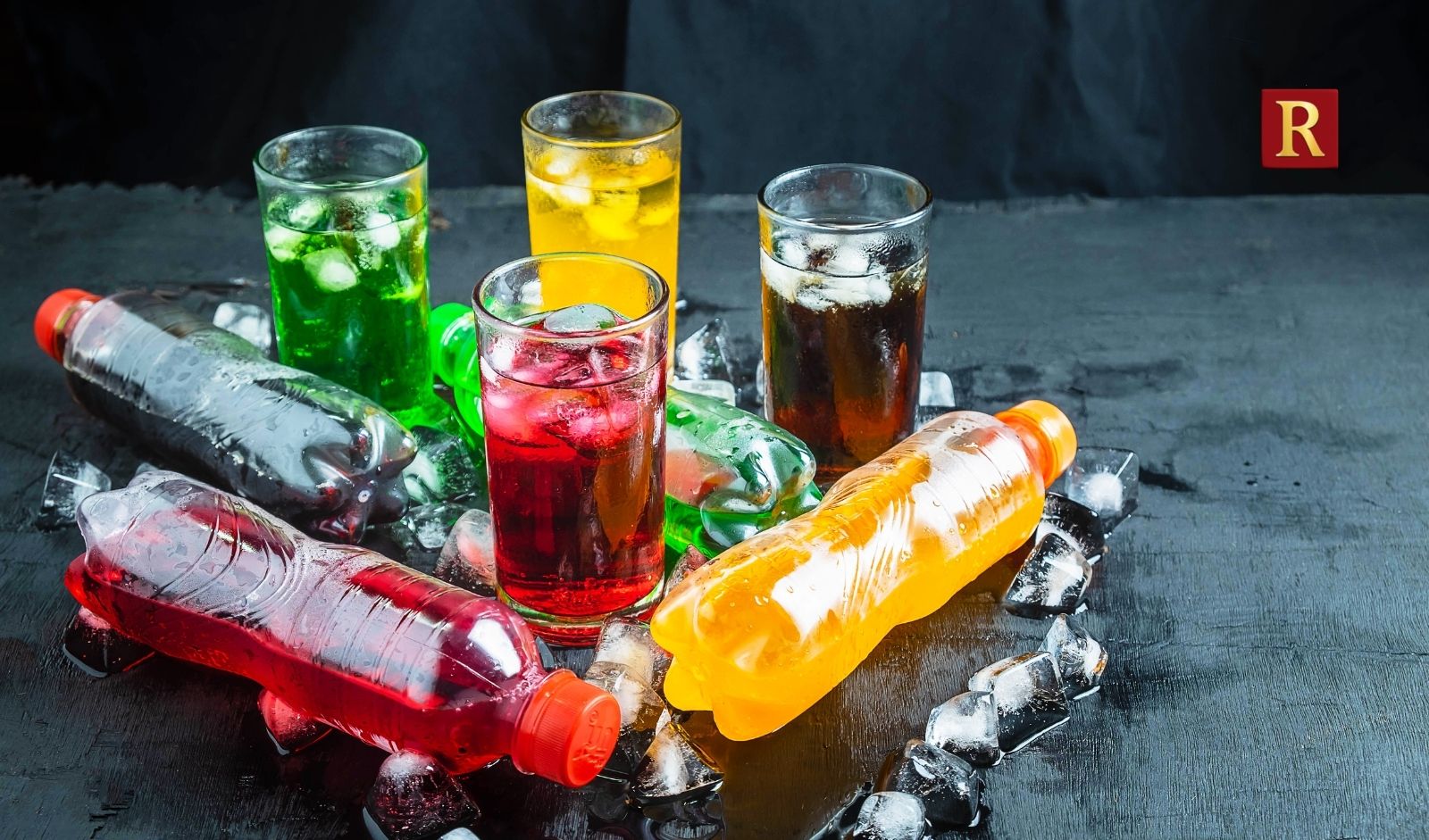
A beverage was once chosen mainly for its taste, price or ability to quench thirst. Today, brands are increasingly connecting drinks with specific needs. Some promise alertness during a long workday. Others focus on hydration, workout recovery or relaxation after work. This shift is changing how beverage companies develop products, communicate with consumers and compete for shelf space. The question is no longer simply whether a drink tastes good. It is also about when consumers need it and what they expect it to do. For the beverage industry, this creates a new opportunity. A product can be positioned around a particular moment in a consumer's day instead of competing only on flavour. But it also creates a challenge. Brands must prove that their functional claims are credible and that the product offers something beyond attractive packaging.
From Flavour Preferences to Functional Needs
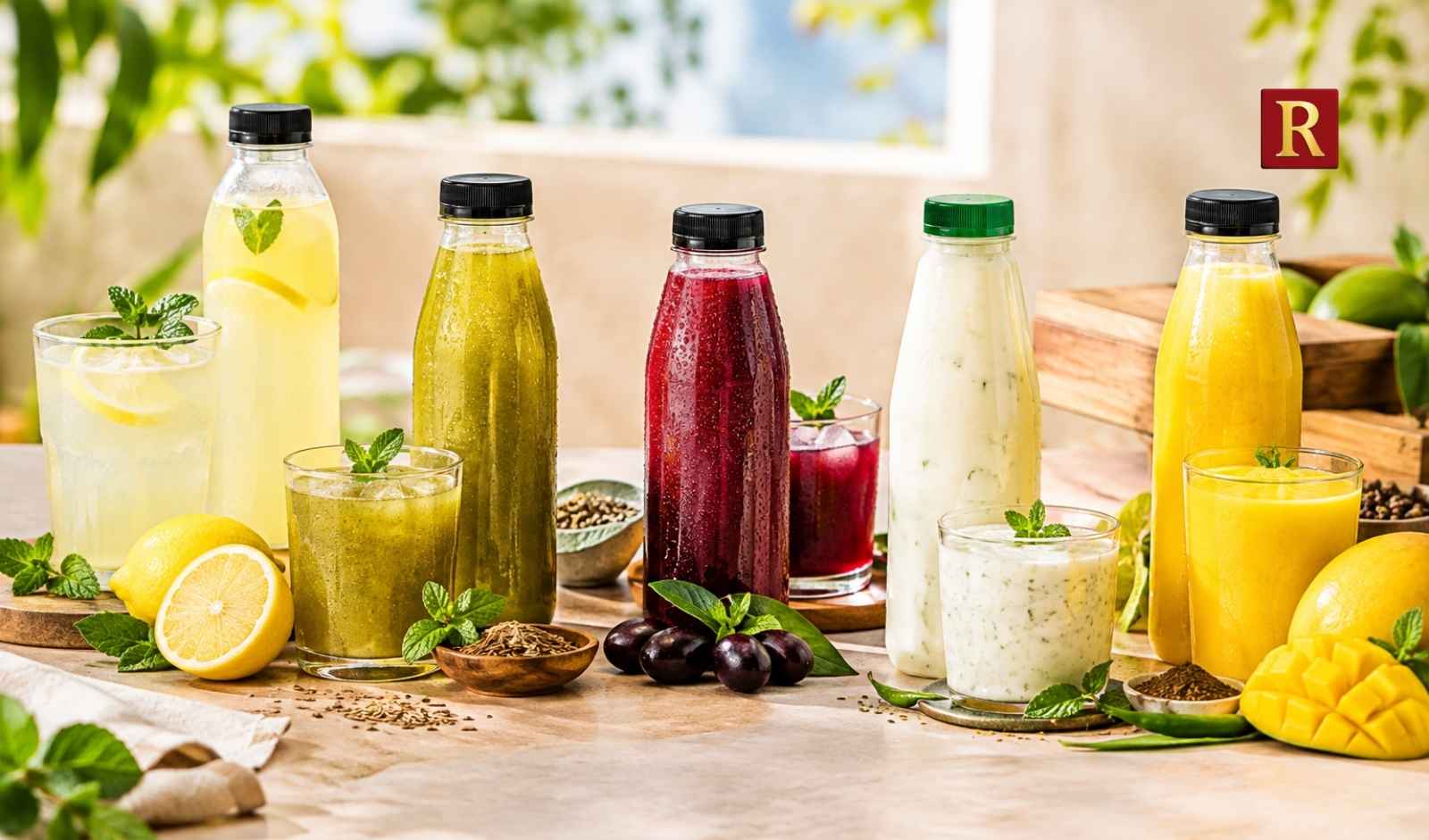
Traditional beverage categories were largely built around familiar choices. Tea offered comfort, coffee became part of the morning routine, soft drinks accompanied meals, and sports drinks served people during physical activity. Functional beverages are expanding these boundaries. They are marketed around benefits such as alertness, hydration, mental focus, gut health and relaxation.
For example, a consumer preparing for an important presentation may look for coffee or a caffeinated drink. Someone exercising outdoors may prefer a beverage containing electrolytes. A consumer avoiding caffeine in the evening may choose an herbal infusion. These choices represent different consumption occasions. They also give brands opportunities to develop products for specific audiences.
However, the shift does not mean flavour has become unimportant. Taste remains central to repeat purchases. A drink may attract attention because of its ingredients or claimed benefits, but consumers are unlikely to buy it regularly if they dislike the experience. The opportunity lies in combining a clear purpose with good taste, convenient packaging and a price that consumers consider reasonable.
Why Focus Is Becoming a Beverage Marketing Opportunity
Energy drinks have traditionally been associated with alertness and physical activity. The broader functional beverage market now gives companies opportunities to target other situations, including studying, working, travelling and managing demanding schedules. Caffeine plays an important role in this category. It acts as a stimulant and can temporarily increase alertness and reduce the perception of fatigue. This helps explain its widespread presence in coffee, tea and energy drinks. Some products also feature L-theanine, an amino acid naturally found in tea. Research has examined whether L-theanine, alone or combined with caffeine, can influence attention, mood and cognitive performance. A 2025 systematic review and meta-analysis published in Nutrition Reviews assessed 50 randomised controlled trials examining tea, L-theanine and combinations of L-theanine with caffeine. The findings suggested benefits in some attention-related tasks, although the size and consistency of the effects varied. The researchers also highlighted the need for more studies using actual tea beverages and relevant ingredient doses.
This distinction matters to beverage manufacturers. Evidence about an individual ingredient does not automatically prove that a finished drink improves concentration. The amount used, the formulation and the conditions under which it is consumed all matter. Brands that want to build credibility in this category need to understand the science behind their formulations rather than rely on fashionable ingredient names.
The Ingredients Behind the Promise
Different functional beverage categories rely on different ingredients. Understanding these ingredients helps explain how products are formulated and marketed.
Caffeine: Commonly used in coffee, tea and energy drinks, caffeine can temporarily increase alertness. However, excessive intake can cause unwanted effects, including sleep disruption, nervousness and a rapid heartbeat in some people. Consumers need to consider caffeine from all sources, not just one beverage.
L-theanine: Found naturally in tea, this amino acid has been studied for its potential effects on attention and stress. The evidence is promising for certain outcomes but does not establish that every product containing L-theanine improves focus.
B vitamins: These nutrients support normal energy metabolism. However, including vitamins in a beverage does not necessarily mean that it will provide an immediate energy boost. The benefit depends on factors such as nutritional status and the product's formulation.
Electrolytes: Sodium and potassium help regulate fluid balance and other bodily functions. Electrolyte beverages can be useful in appropriate situations, particularly when fluid and electrolyte losses need to be replaced. Their usefulness depends on the activity, environment and composition of the drink.
Botanical ingredients: Tulsi, ginger and other plant-based ingredients can give beverages familiar flavours and support traditional wellness positioning. However, traditional use alone does not establish that a drink delivers a specific medical or cognitive benefit.
For brands, formulation is only one part of the challenge. They must also balance taste, ingredient stability, cost, shelf life and the intended consumer benefit.
How Brands Can Own a Moment in the Day
The commercial opportunity is not limited to selling a new drink. It also involves creating a reason for consumers to choose that product at a particular time.
1. The morning routine
Coffee and tea already have established roles in morning consumption. Ready-to-drink coffee and tea can offer convenience to consumers who want a familiar beverage without preparing it themselves. A brand entering this space must compete with more than other packaged drinks. It must also compete with homemade tea, office coffee machines and affordable café options.
2. The afternoon slump
The afternoon period offers another potential consumption occasion. Consumers working through long schedules may look for a caffeinated beverage, iced tea or another convenient option. For brands, the challenge is to create a product that offers a clear difference in taste, convenience or formulation. Simply describing a drink as a productivity solution does not establish that it improves work performance.
3. Exercise and hydration
Hydration products have a more established functional role. Electrolyte beverages can appeal to consumers who lose fluids and electrolytes through sweating, particularly during prolonged exercise or demanding conditions. The opportunity extends beyond professional athletes. Brands can investigate the needs of recreational runners, outdoor workers and consumers dealing with hot weather. However, not every person needs an electrolyte drink for everyday hydration.
4. Evening relaxation
The opposite of stimulation is also becoming a useful positioning opportunity. Herbal teas and other caffeine-free beverages can be associated with evening routines and relaxation. Here, the consumer proposition may rely on taste, ritual and the experience of slowing down rather than an immediate physiological effect. This gives brands another way to differentiate themselves without competing directly in the high-caffeine category.
India's Functional Beverage Opportunity
India presents an interesting market for this shift because tea and coffee are already deeply embedded in everyday consumption. Consumers do not necessarily need to learn a new habit before trying a functional beverage. Companies can instead investigate whether existing habits can support new formats, ingredients and consumption occasions. Ready-to-drink tea, packaged coffee, electrolyte beverages and energy drinks offer different routes into the market. Familiar flavours may help consumers understand a product, while convenient packaging can make it easier to consume during travel or work.
Indian ingredients also offer opportunities for product development. Tulsi, ginger and established tea varieties could inspire new beverage formulations. Yet brands need to be careful not to turn traditional familiarity into unsupported health claims. Affordability is another important consideration. A specialised drink must compete with relatively inexpensive alternatives such as homemade tea and coffee. Consumers may be willing to pay more for convenience or a credible benefit, but the product must justify the additional expense. Sugar content could also influence purchasing decisions. A drink marketed around wellness or focus may face questions if it contains substantial added sugar. Comparing the ingredient list, nutrition information and serving size can help consumers understand what they are buying. For manufacturers, the Indian opportunity is therefore not simply to launch more products. It is to identify genuine consumer needs and develop beverages that fit local preferences, budgets and consumption habits.
The Business Behind Selling a Benefit
Benefit-led positioning can influence several parts of the beverage business.
First, it can help companies distinguish products in crowded categories. When multiple beverages offer similar flavours, a clearly defined consumption occasion can make a product easier to understand.
Second, it can influence pricing. A specialised formulation or convenient format may support a higher price, but premium positioning does not guarantee stronger margins. Ingredient costs, packaging, distribution and marketing expenses all affect profitability.
Third, it can create opportunities for repeat consumption. A product associated with a familiar daily routine may have a clear reason for being purchased again. However, repeat purchases depend on consumer satisfaction, perceived value and whether the product meets expectations.
Finally, functional positioning can influence distribution. A beverage marketed for exercise may be suited to gyms and sports outlets, while a ready-to-drink coffee may compete for attention in supermarkets, cafés and convenience stores.
The strongest brands will connect these elements. Their products will need to deliver an enjoyable experience, communicate a credible purpose and make commercial sense across the supply chain.
When Marketing Claims Meet Regulation
Selling a functional benefit also creates responsibility. Claims about energy, concentration, stress or other health-related outcomes can influence consumer decisions. In India, the Food Safety and Standards Authority of India (FSSAI) regulates food safety, standards and relevant advertising and labelling requirements. The Food Safety and Standards (Advertising and Claims) Regulations, 2018, along with applicable amendments, establish requirements for food claims. This issue became particularly relevant in 2026, when FSSAI's directions concerning the use of the term "energy drink" triggered legal challenges from beverage companies. On October 6, Reuters reported that the Delhi High Court had granted temporary relief to companies including PepsiCo and Monster Beverage in the dispute over the label. The legal position remains subject to further proceedings.
The dispute illustrates how product classification and wording can have commercial consequences. Labels influence consumer expectations, brand identity and product positioning. Companies must therefore follow applicable rules and verify the current legal position before making labelling decisions. For the wider functional beverage industry, credibility will be essential. Brands need to distinguish between ingredients that are present, functions supported by scientific evidence and benefits demonstrated by the finished product.
The Next Beverage Battle Is About Relevance
Functional beverages are changing the way companies think about product development and consumer demand. A drink can now be positioned around alertness before work, hydration during exercise or a relaxing evening routine. This gives brands opportunities to move beyond flavour-led competition. It also raises the bar for product development, scientific substantiation and consumer trust. The next stage of growth will depend on more than adding fashionable ingredients to familiar drinks. Companies must understand the situations in which consumers want a product, deliver an experience worth repeating and support their claims with credible evidence. Flavour will continue to matter. But in an increasingly crowded beverage market, the reason a consumer reaches for a particular bottle may become just as important as what is inside it.
Saptopriya Ghosal
Feature Writer
I am a dedicated media professional with a bachelor's degree in mass communication from the State University of Calcutta and a postgraduate degree from Amity University. My academic journey has equipped me with a profound understanding of storytelling and communication. Passionate about the dynamic world of media, I continually strive to explore new ways to engage and inform through compelling narratives.