From Craft Coffee to Cocktail Culture: How Flavour Is Reshaping Premium Spirits
As flavour continues to bridge craftsmanship, creativity, and consumer expectations, it will shape the future of premium spirits in India—one carefully crafted sip at a time.

The premium spirits industry is changing. While heritage, craftsmanship, and quality continue to define great products, consumers today expect much more than what is inside the bottle. They want memorable experiences, unique flavours, and stories they can connect with. This shift mirrors what happened in the craft coffee industry. Coffee was once simply a daily beverage. Today, consumers discuss single-origin beans, roast levels, brewing methods, tasting notes, and the farmers behind every cup. The experience has become just as important as the drink itself.
A similar transformation is taking place in premium spirits. From botanical gins and coffee-inspired cocktails to locally sourced ingredients and immersive cocktail menus, flavour is becoming the driving force behind how consumers discover, choose, and enjoy premium drinks. For restaurants, bars, retailers, and spirit brands, this presents new opportunities to create deeper consumer engagement.
The Rise of the Experience-First Consumer
The way people consume premium spirits has changed significantly over the past decade. Instead of simply ordering a familiar drink, consumers are becoming more curious about what they are drinking and why it tastes the way it does. This change is largely driven by greater exposure to international travel, digital content, premium dining experiences, and evolving food culture. Consumers are increasingly exploring new spirit categories, distinctive flavour profiles, and creative cocktail serves that match their personal preferences.
According to IWSR, one of the world's leading beverage market intelligence firms, premium-and-above spirits continue to outperform many value segments globally as consumers increasingly prioritize quality over quantity. Rather than drinking more, many consumers are choosing fewer but better experiences. This trend creates an opportunity to shift from simply selling products to creating flavour-led experiences that encourage exploration and repeat visits.
How Craft Coffee Changed Consumer Expectations
The evolution of specialty coffee offers valuable lessons for the premium spirits industry. Consumers who appreciate craft coffee have become familiar with concepts like origin, processing techniques, aroma, acidity, body, and tasting notes. They understand that two coffees can taste completely different depending on where they are grown and how they are roasted. Today's premium spirit consumers are adopting a similar mindset.
Craft Coffee | Premium Spirits |
Single-origin beans | Distillery and production origin |
Roast profile | Barrel maturation |
Brewing techniques | Distillation methods |
Aroma wheel | Tasting notes |
Processing methods | Botanical selection |
Instead of asking only, "Which whisky should I order?" consumers now ask questions about cask finishes, botanical blends, ageing methods, or regional ingredients. They are looking for products that offer authenticity and a story worth sharing.
As Abhishek Modi, Managing Director, Modi Illva India Pvt. Ltd. and Board Member, Confederation of Indian Alcoholic Beverage Companies (CIABC), explains, flavour is no longer just another product feature. It has become an invitation for consumers to discover something new and engage more deeply with premium spirits.
Flavour Is Becoming the New Premium
For decades, premium spirits were primarily associated with age statements, luxury packaging, or international recognition. While these factors still matter, flavour has emerged as one of the strongest differentiators in today's competitive market. Consumers are increasingly drawn to products that offer distinctive taste experiences rather than relying solely on brand reputation.
This shift is encouraging brands to innovate in multiple ways, including:
- Botanical-infused gin
- Coffee-inspired spirits
- Barrel-finished whisky
- Fruit-forward vodka
- Herbal liqueurs
- Spice-led rum expressions
However, innovation alone is not enough. According to Modi, successful flavour innovation must remain rooted in craftsmanship and consistency. Consumers can quickly distinguish between genuine product development and short-lived novelty. Lasting success comes from creating flavour experiences that consumers want to revisit, not simply try once.
Cocktail Culture Is Driving Premium Spirit Growth
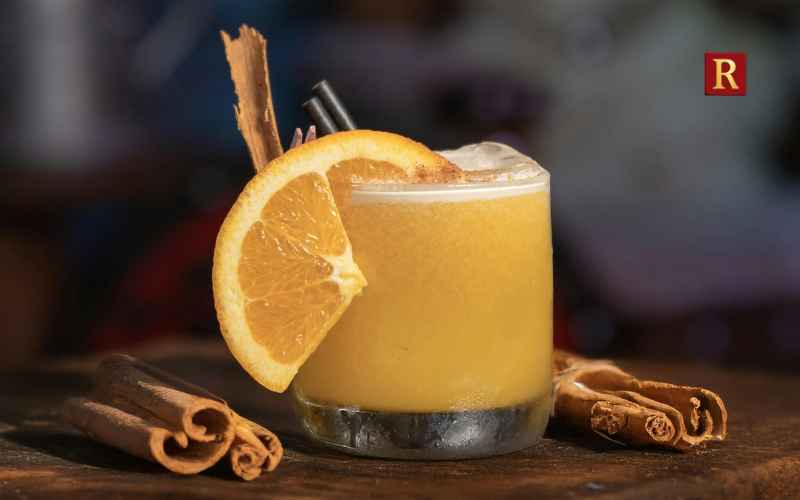
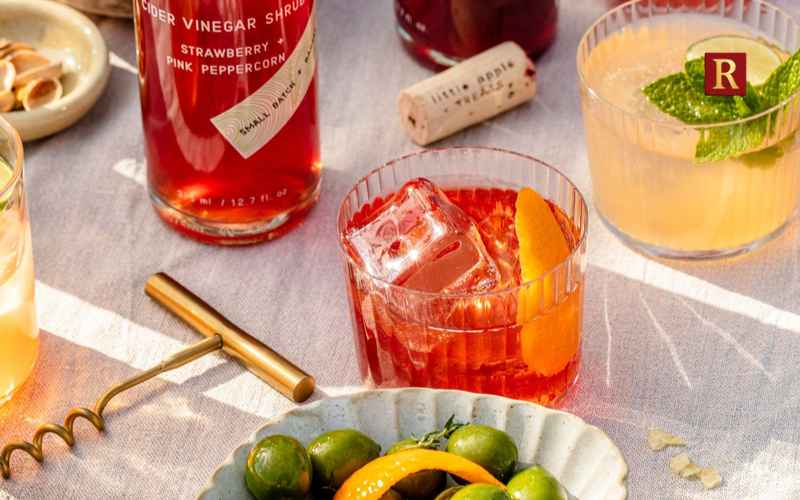
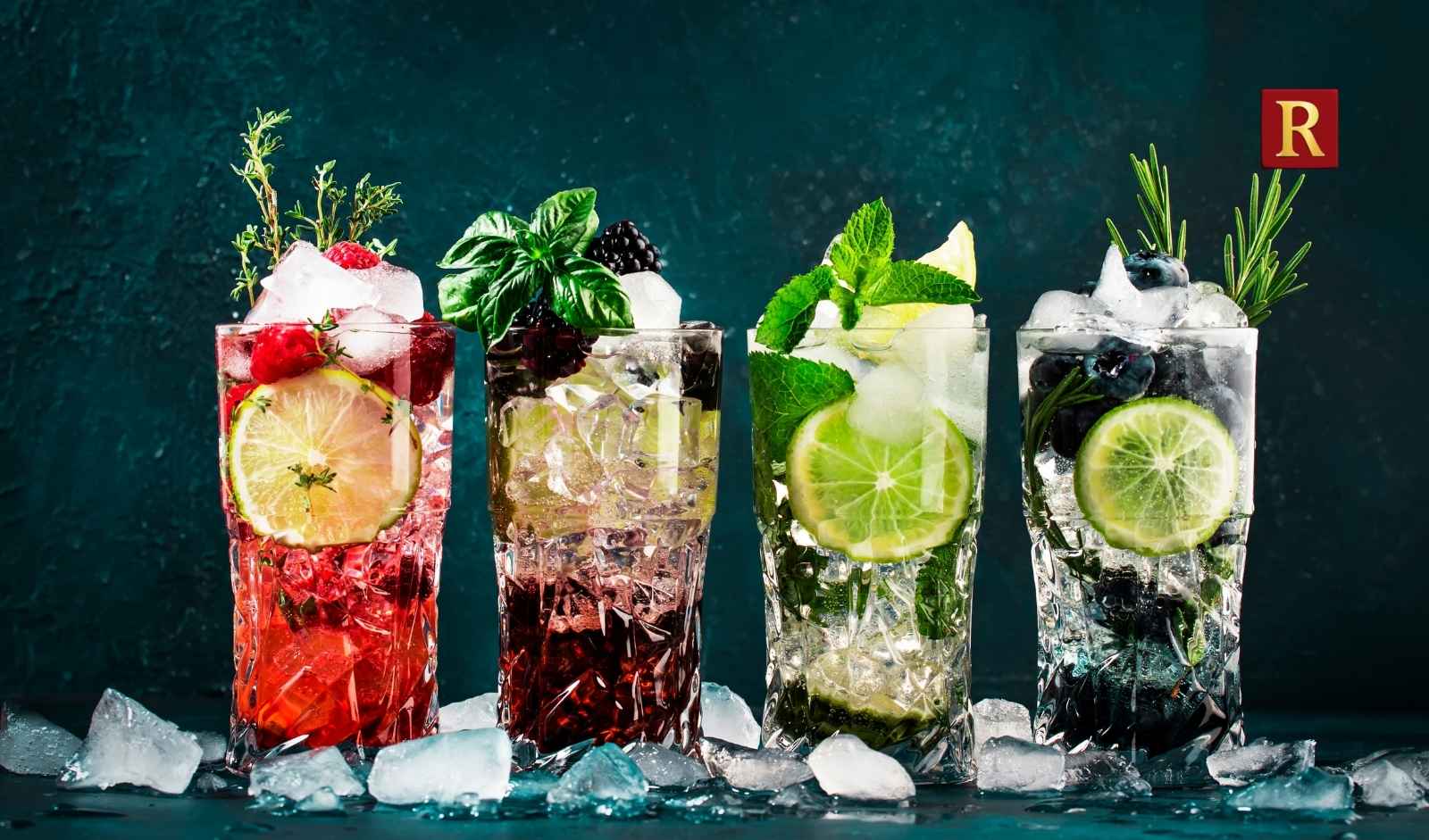
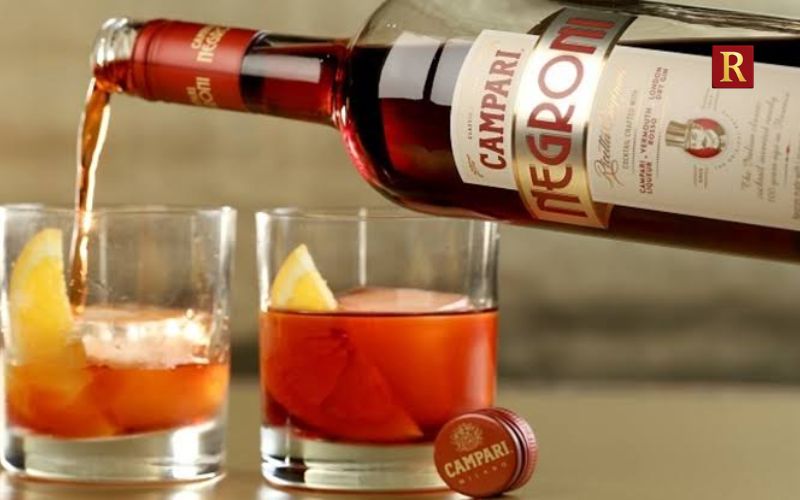
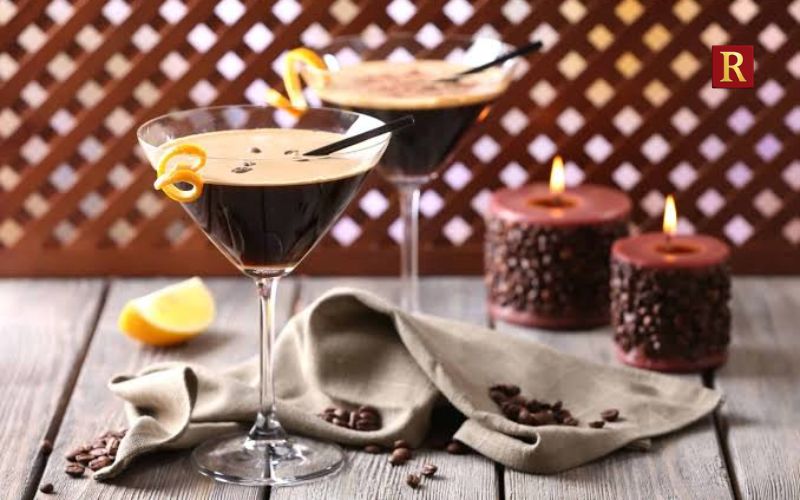
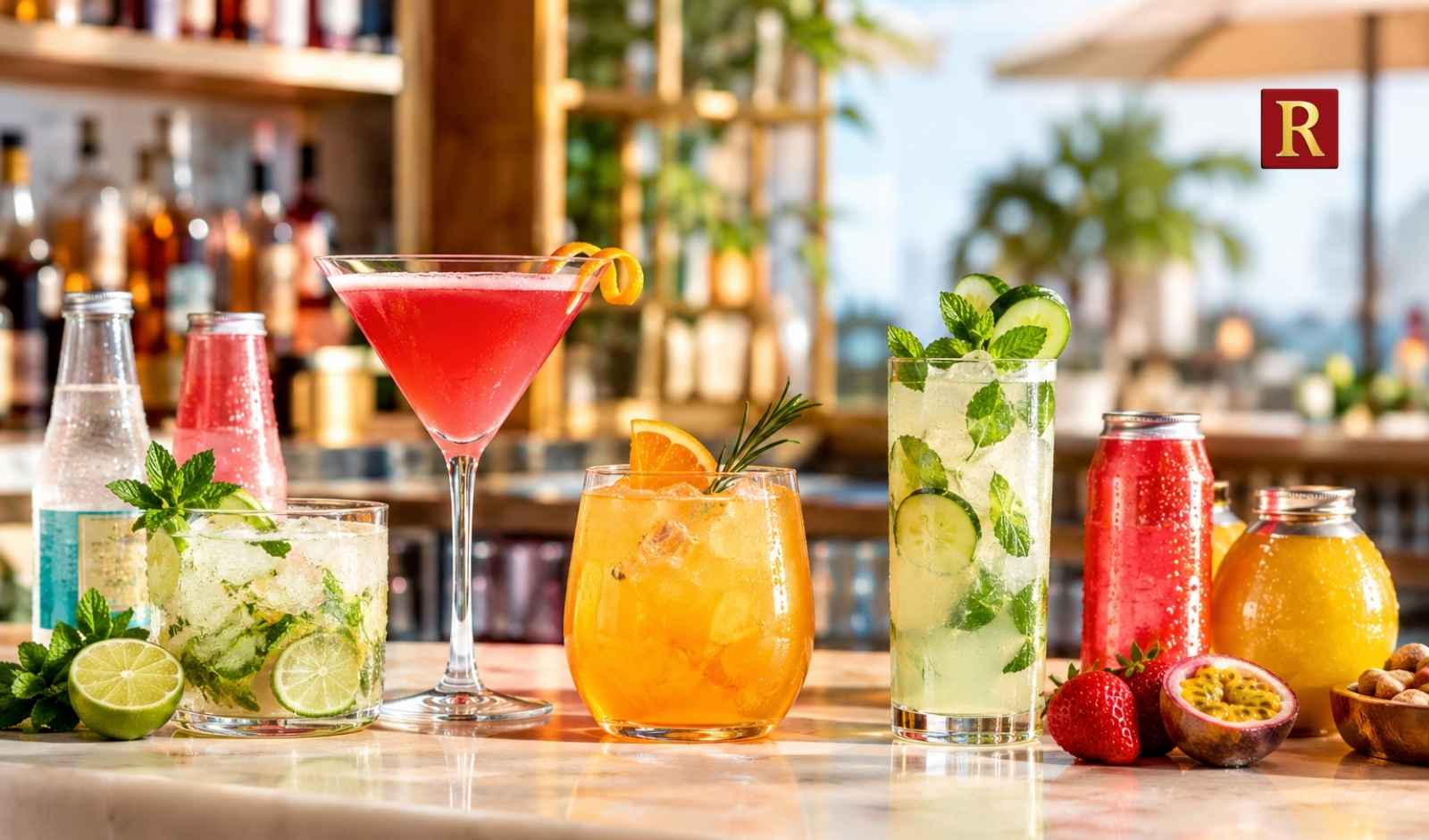
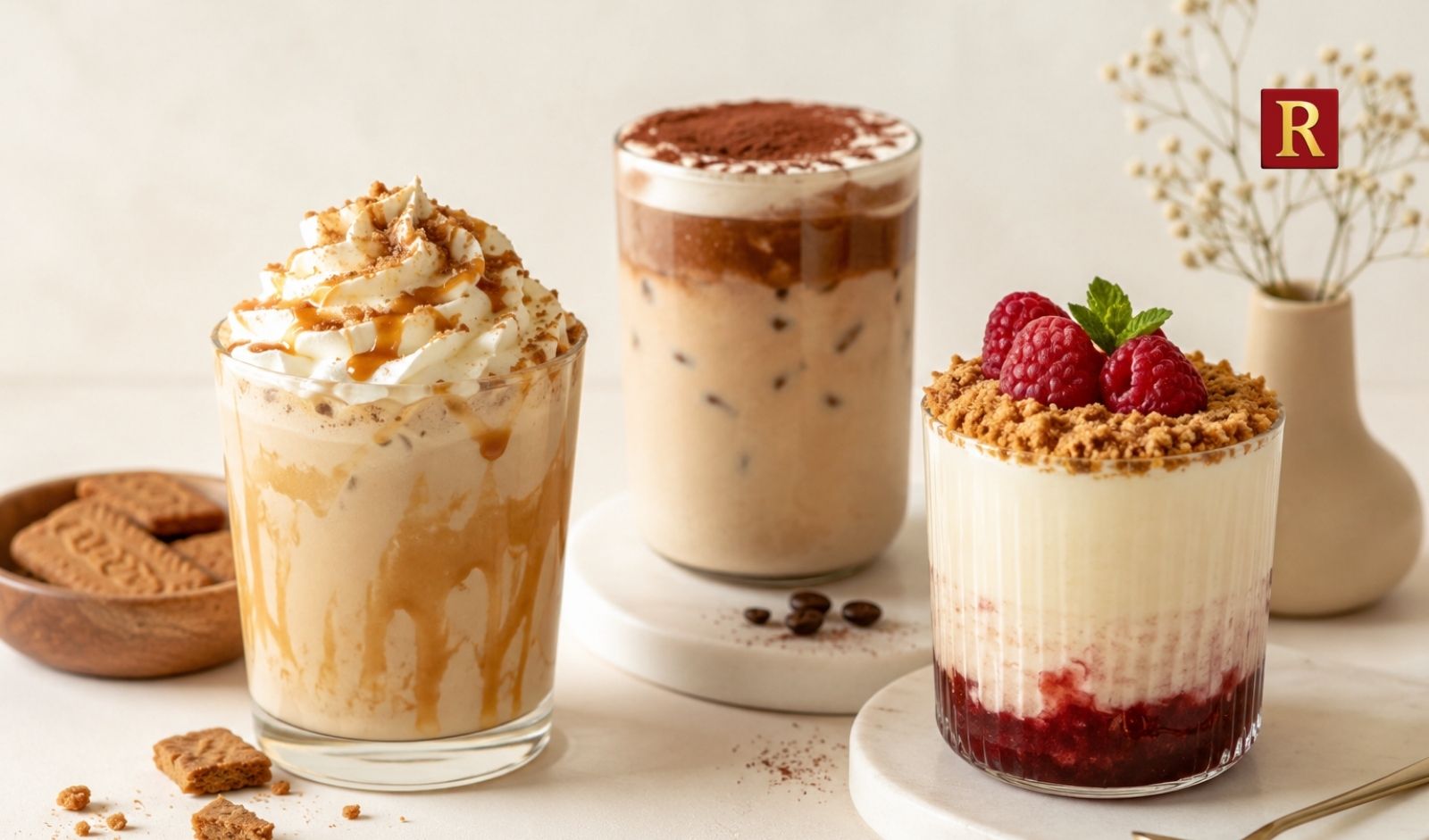
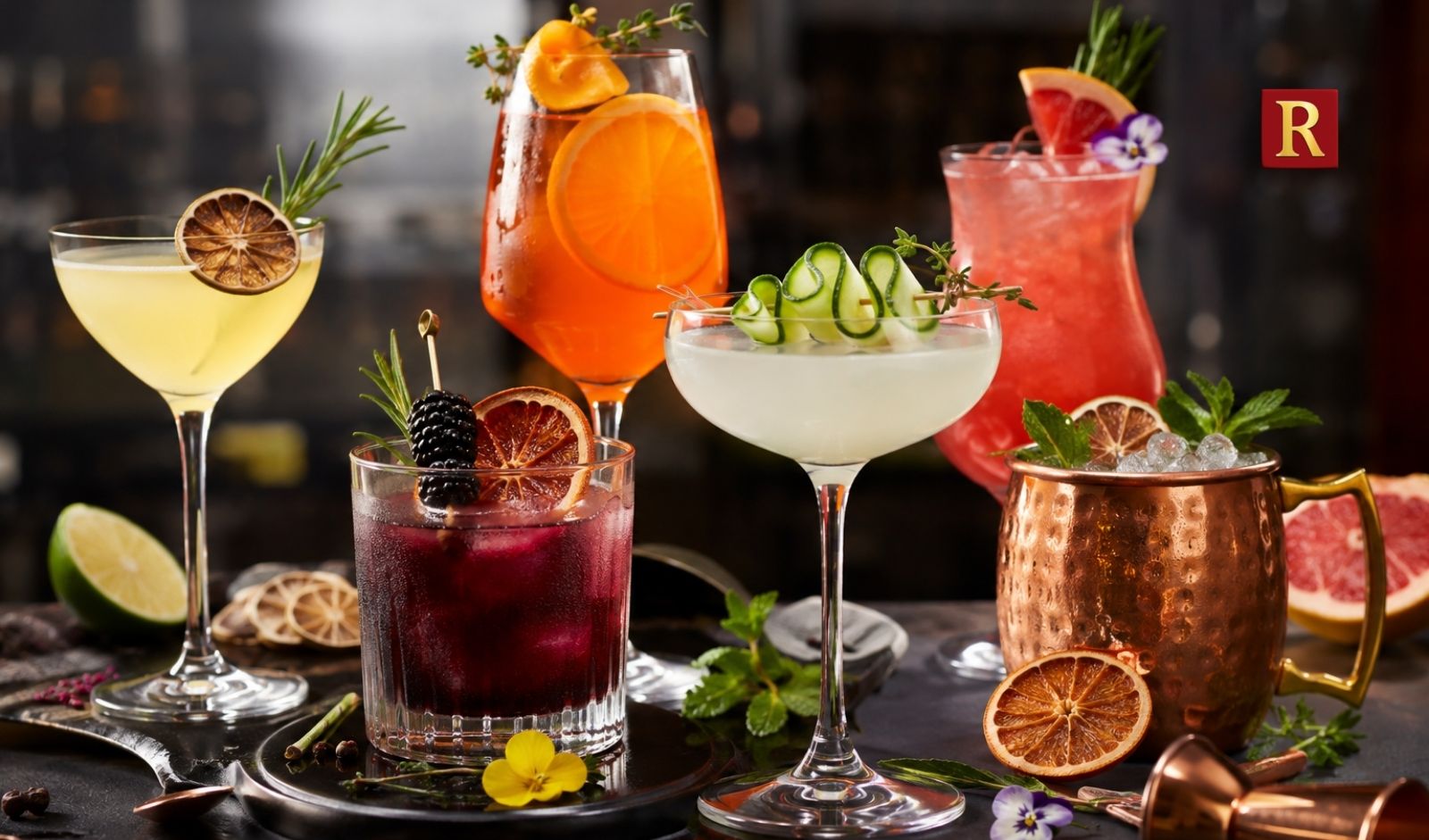
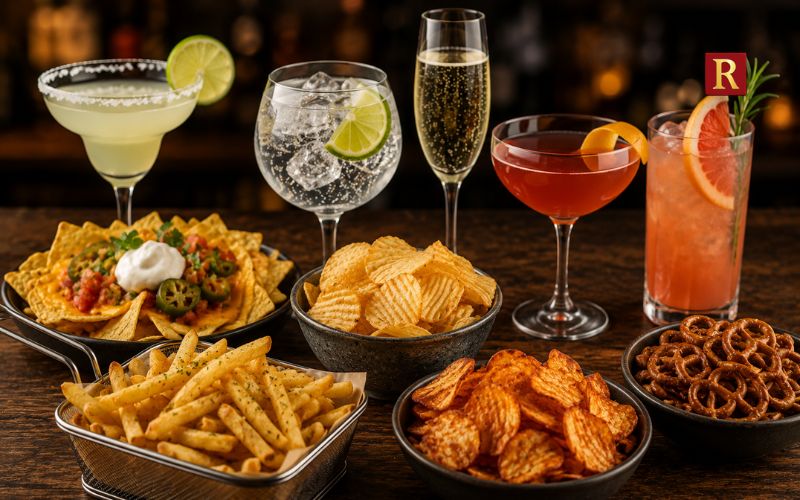
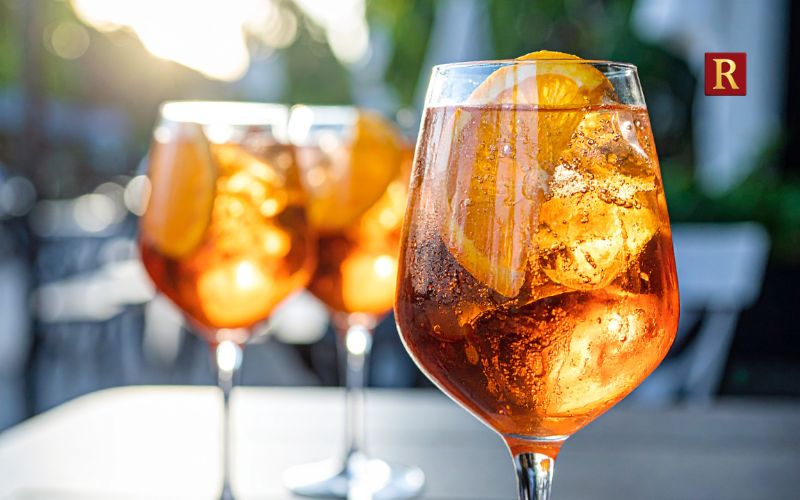
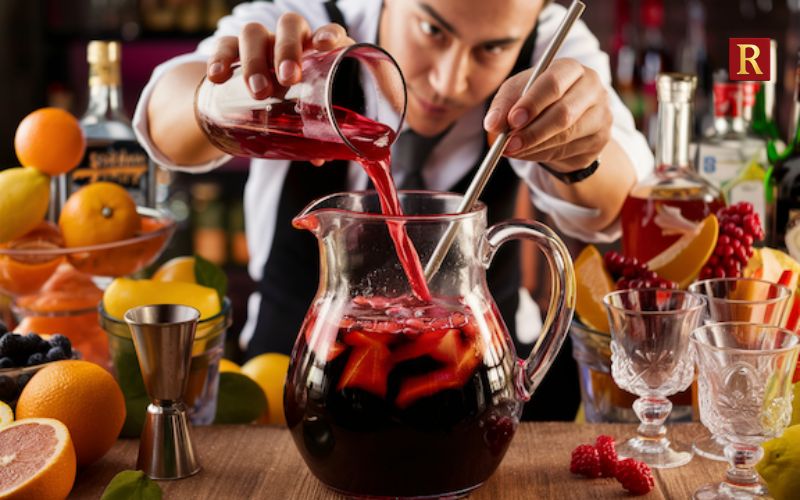
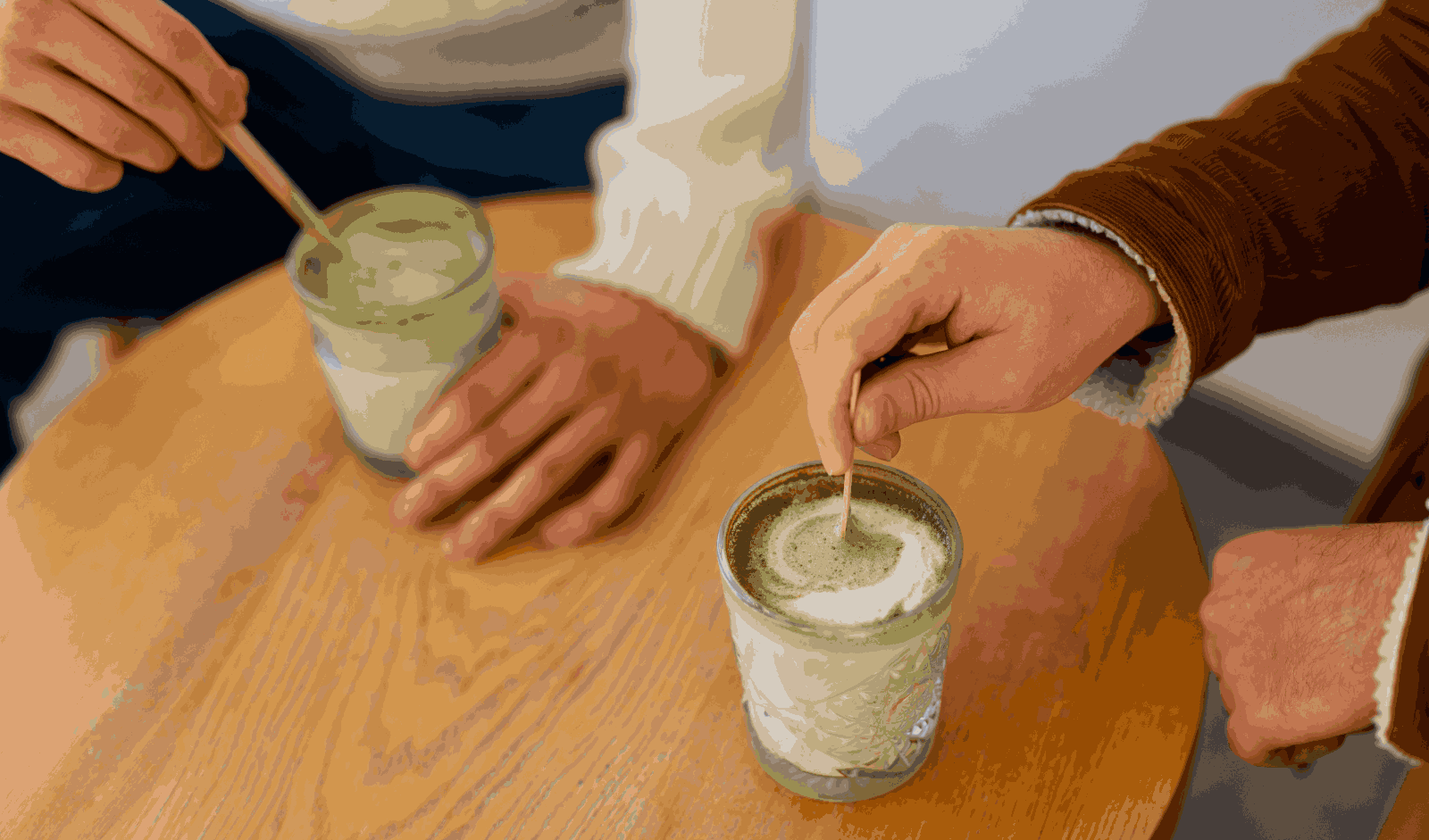
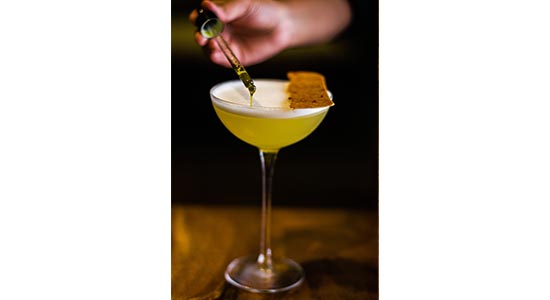
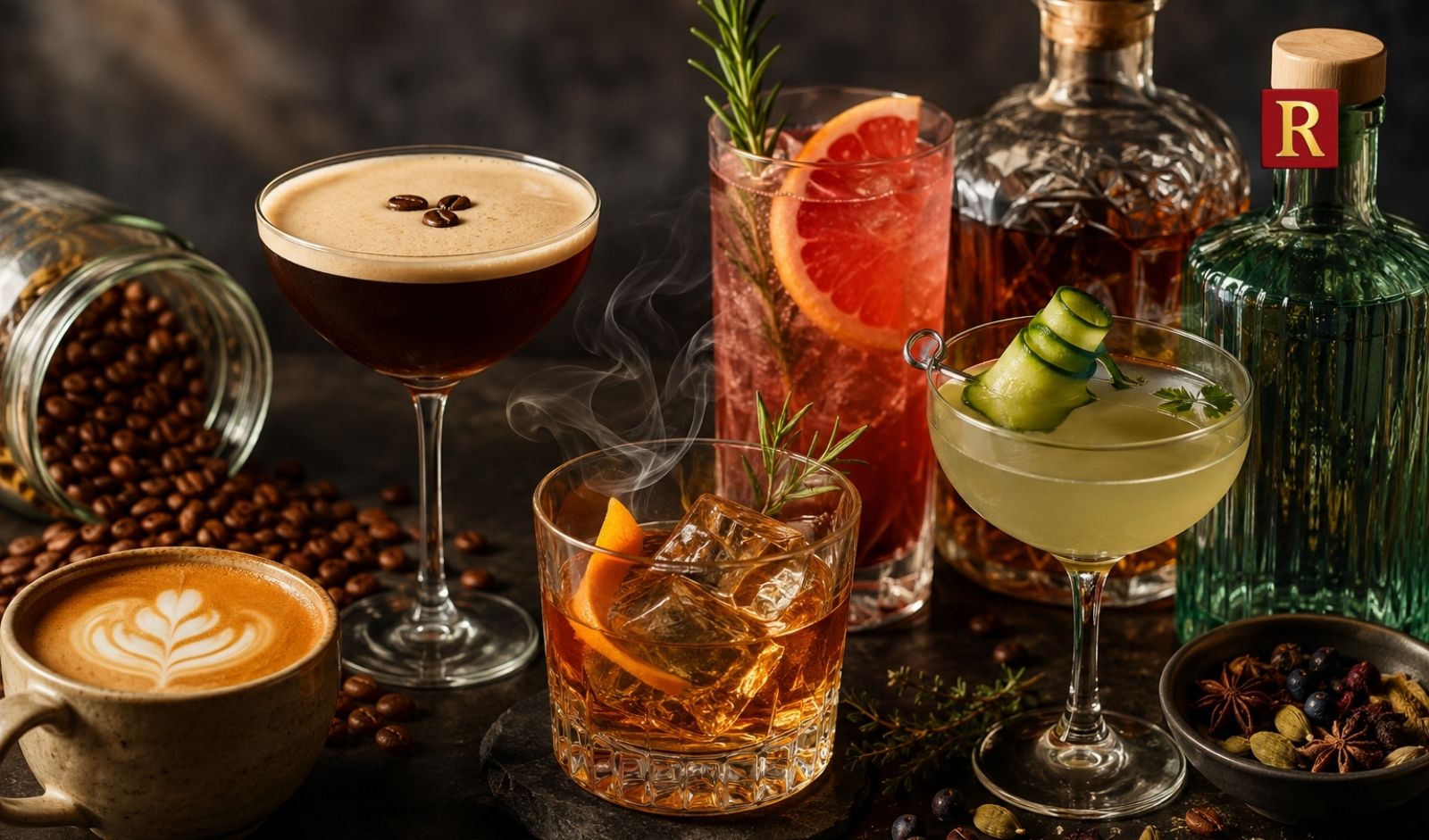
Cocktail culture has become one of the biggest influences on premium spirit consumption. Cocktails are no longer limited to luxury hotels or fine-dining restaurants. Premium cocktail menus are now common in neighbourhood bars, casual dining restaurants, rooftop lounges, and even home entertaining. This expansion has made premium spirits more accessible to new consumers. Classic cocktails like the Espresso Martini perfectly illustrate this trend. By combining premium spirits with specialty coffee flavours, the drink appeals to consumers who enjoy complexity without feeling intimidated by traditional spirit categories. Coffee is only one example.
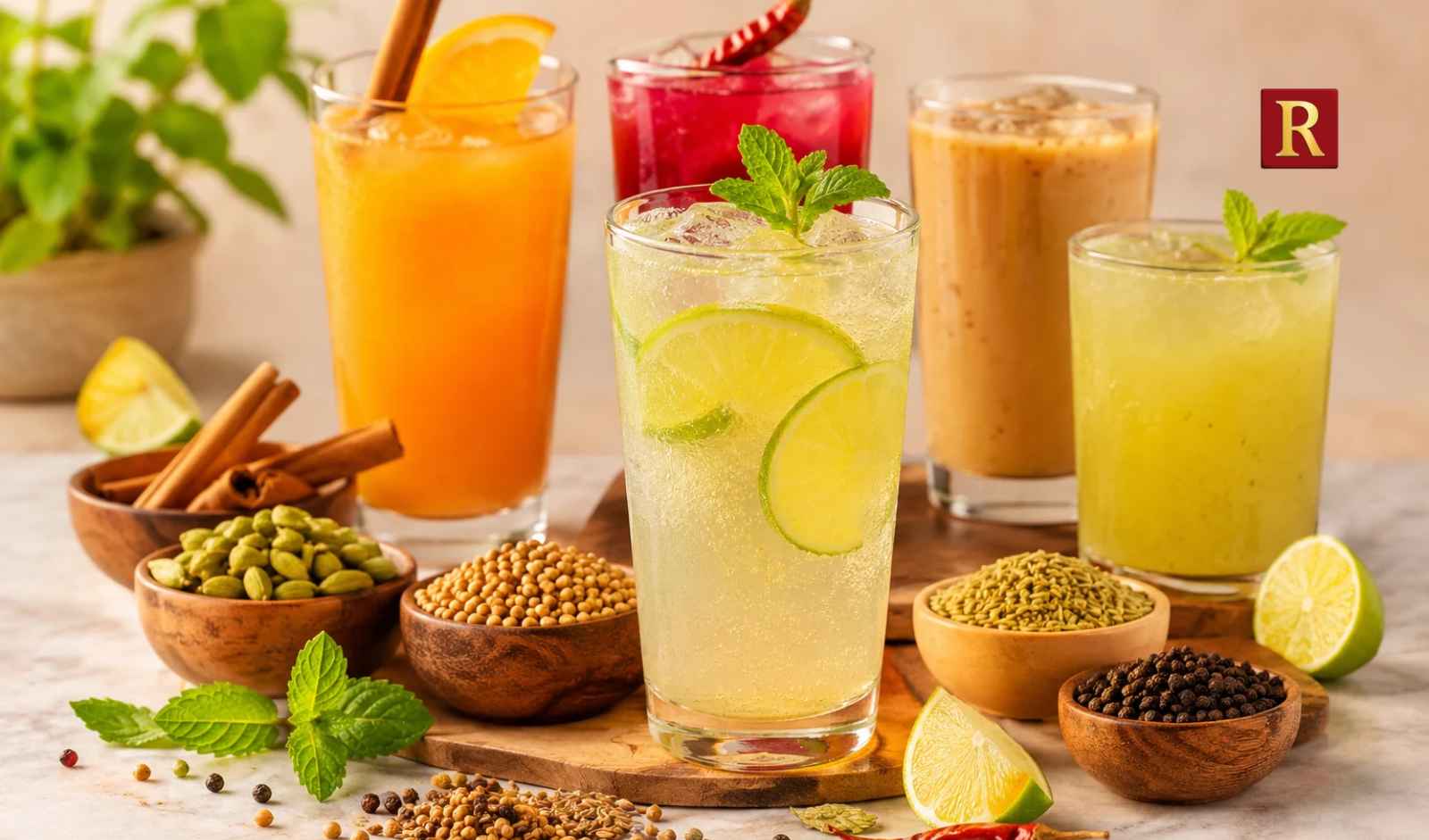
Today's cocktail menus increasingly feature ingredients such as:
- Kokum
- Jamun
- Tamarind
- Curry leaves
- Black cardamom
- Himalayan herbs
- Seasonal fruits
- Fresh teas
- Smoked spices
These ingredients create unique flavour combinations while giving bars an opportunity to showcase regional identity. The 2025 Bacardi Cocktail Trends Report also highlights that consumers increasingly seek cocktails inspired by local ingredients, cultural storytelling, and immersive experiences, making flavour a central part of the premium drinking journey.
The Science Behind Better Flavour
Modern mixology is becoming increasingly technical. Behind every balanced cocktail is careful attention to flavour extraction, aroma development, texture, and consistency.
Leading bars now use techniques such as:
Cold Infusion: Ingredients are infused slowly over time, preserving delicate aromas while avoiding bitterness.
Fat Washing: Spirits are infused with ingredients such as butter or coconut oil before filtering. This creates a richer mouthfeel and adds subtle layers of flavour.
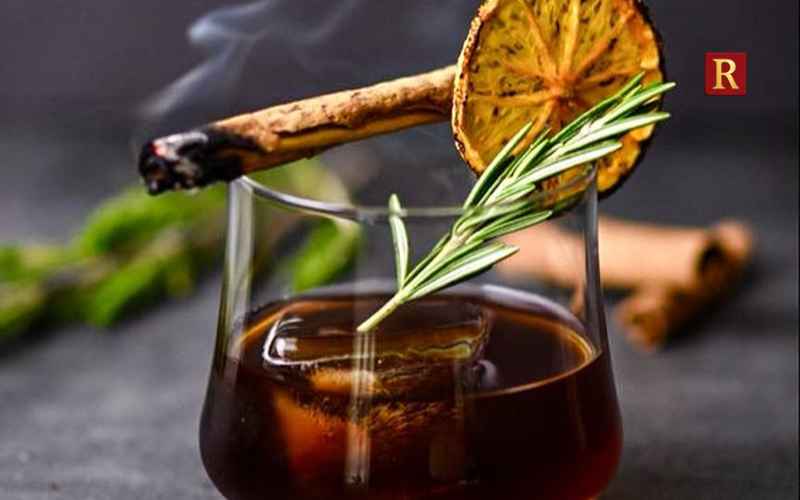
Smoke Infusion: Wood smoke, herbs, or spices add aroma and complexity without overpowering the spirit.
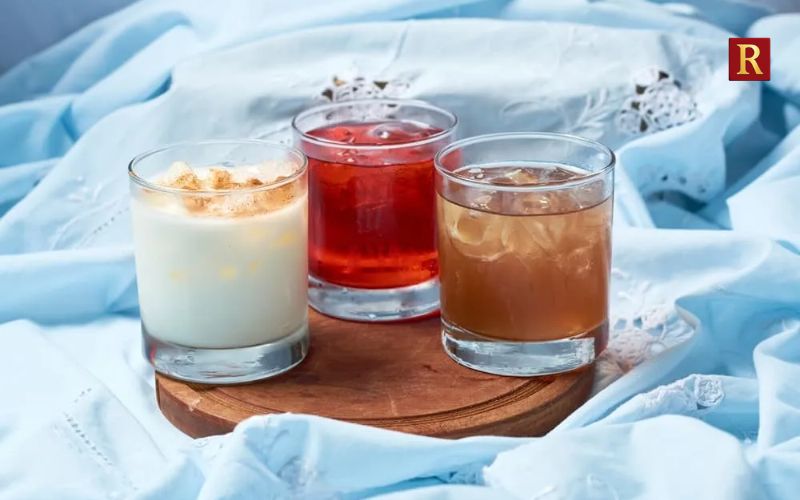
Clarification: Milk washing and other clarification techniques remove impurities while producing a smooth, crystal-clear cocktail with enhanced texture.
Barrel Finishing: Different cask types, including wine, sherry, or rum barrels, introduce new flavour characteristics that make spirits more distinctive.
These techniques demonstrate that flavour innovation is increasingly based on culinary expertise rather than simply adding sweet or fruity notes.
Why Local Flavours Matter More Than Ever
India's diverse culinary heritage offers enormous opportunities for premium spirit innovation. Consumers are showing greater appreciation for ingredients that reflect regional identity and cultural familiarity.
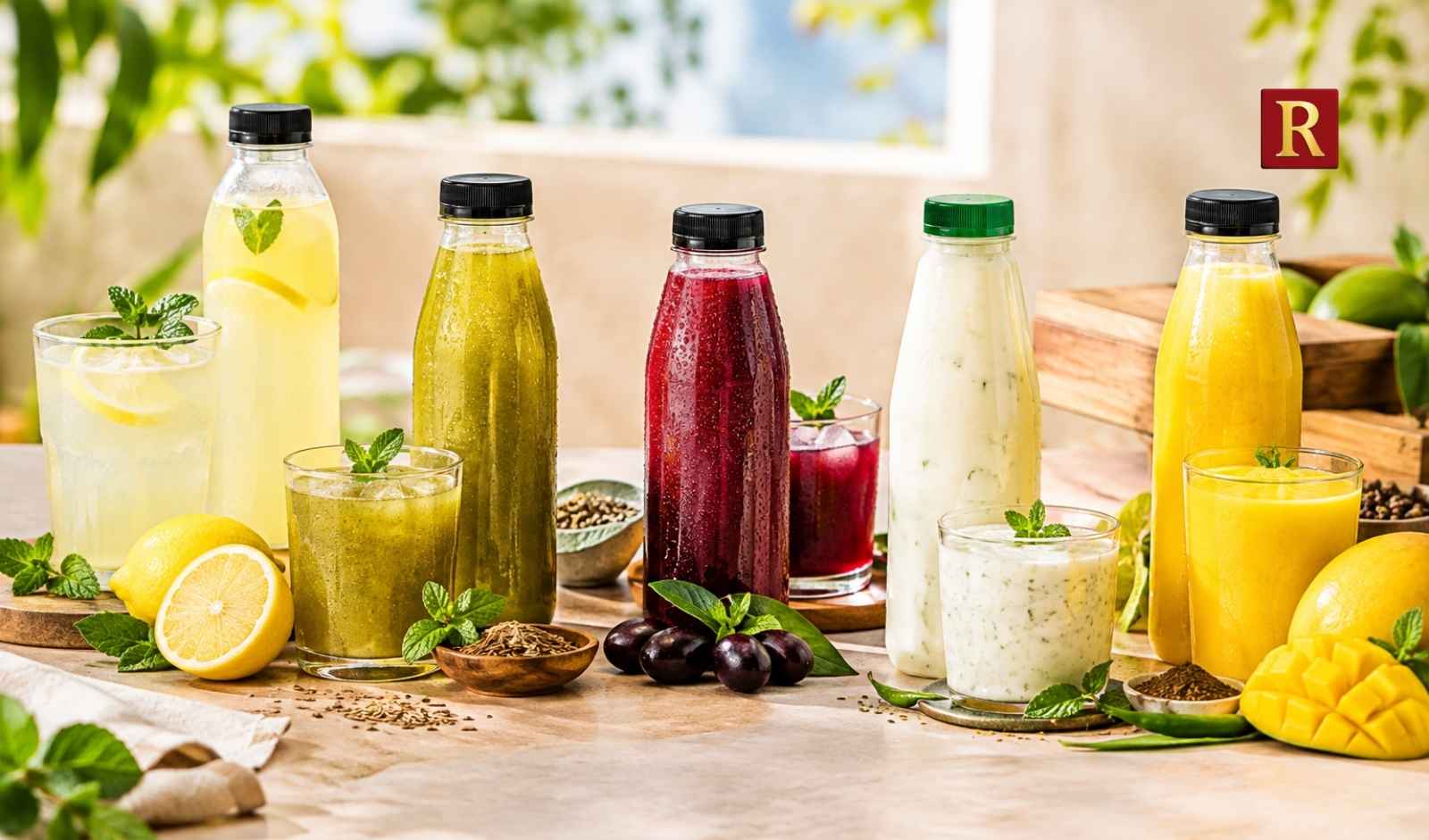
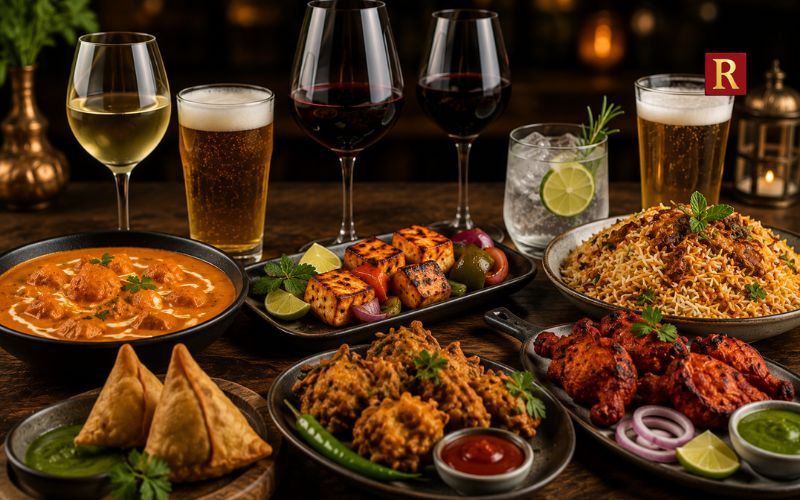
Instead of relying exclusively on imported botanicals, brands and bars are experimenting with locally inspired flavours such as kokum from the Konkan coast, Gondhoraj lime from eastern India, Himalayan herbs, jamun, mango ginger, and indigenous spices. This approach creates stronger emotional connections while giving consumers something they cannot easily find elsewhere. For retailers, merchandising products based on flavour profiles, regional ingredients, or recommended food pairings also creates a more engaging shopping experience.
Retailers and Restaurants Have a Bigger Role to Play
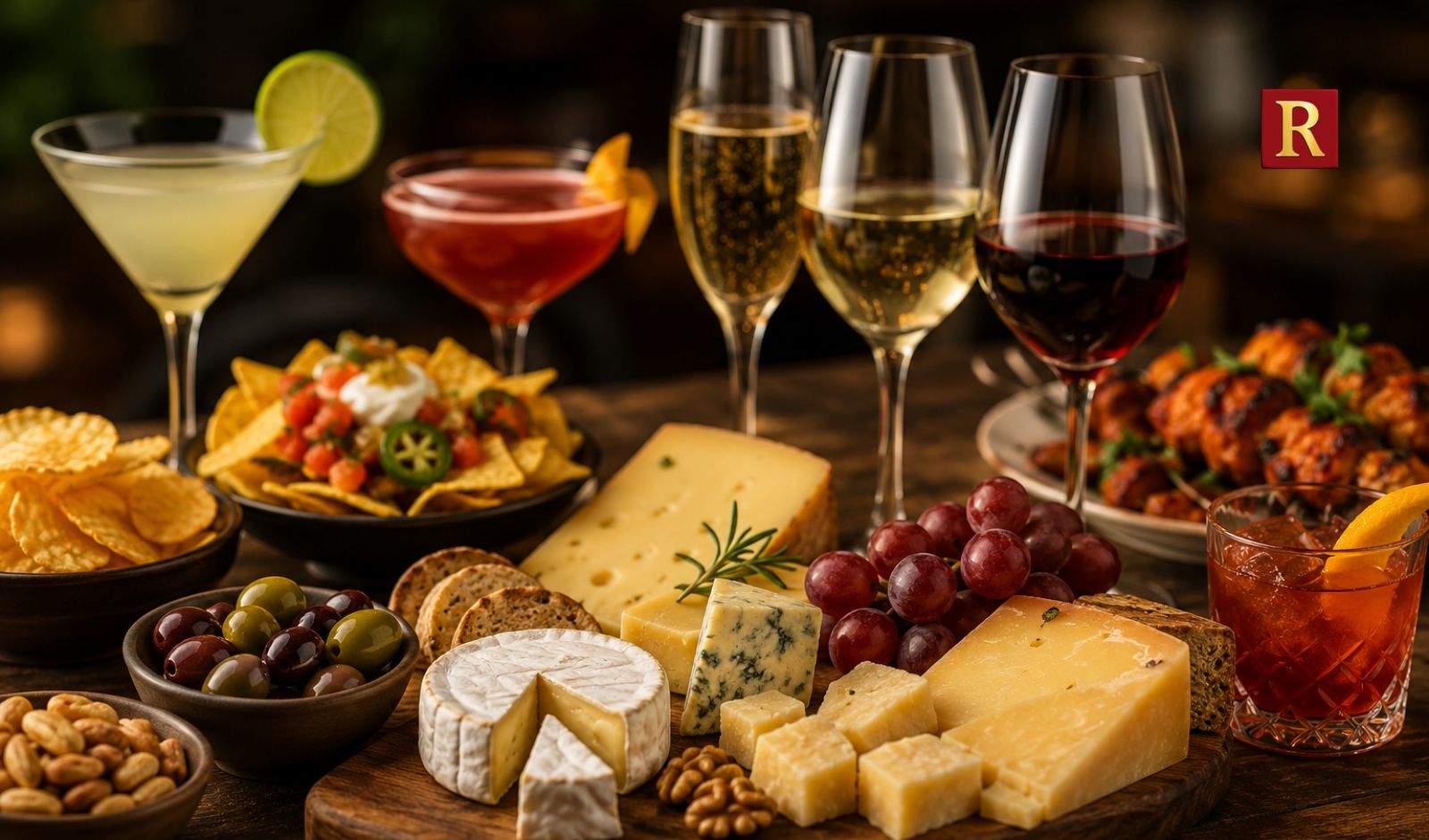
The shift toward flavour-first drinking creates new opportunities across hospitality. Rather than simply displaying bottles, retailers can organise products by flavour style, cocktail recommendations, or food pairings. Restaurants can strengthen premium beverage programmes by introducing tasting flights, signature cocktails, seasonal menus, and bartender-led recommendations.
Well-trained staff also make a significant difference. Explaining tasting notes, botanical ingredients, or suggested pairings helps consumers make informed choices while encouraging them to explore premium categories. Education has become one of the most valuable tools for premiumisation.
Authenticity Will Define Long-Term Success
Innovation attracts attention, but authenticity builds loyalty. Consumers increasingly value brands that combine flavour innovation with genuine craftsmanship, transparent sourcing, and consistent quality.
As Abhishek Modi notes, flavour should enhance the drinking experience rather than distract from it. Products that balance creativity with authenticity are more likely to earn lasting consumer trust. This philosophy applies equally to spirit producers, cocktail bars, restaurants, and retailers.
Looking Ahead
India's premium spirits market is entering a new phase where flavour is becoming one of the strongest drivers of consumer choice. The influence of craft coffee has shown that people are willing to pay more for products that offer depth, storytelling, and memorable experiences. Premium spirits are following a similar path, with cocktail culture accelerating consumer interest in experimentation and personalization.
The opportunity extends beyond introducing new labels. Success will come from creating experiences that encourage curiosity, celebrate craftsmanship, and showcase distinctive flavours in meaningful ways. Ultimately, exceptional products may attract attention, but it is exceptional experiences that build lasting relationships. As flavour continues to bridge craftsmanship, creativity, and consumer expectations, it will shape the future of premium spirits in India—one carefully crafted sip at a time.
Saptopriya Ghosal
Feature Writer
I am a dedicated media professional with a bachelor's degree in mass communication from the State University of Calcutta and a postgraduate degree from Amity University. My academic journey has equipped me with a profound understanding of storytelling and communication. Passionate about the dynamic world of media, I continually strive to explore new ways to engage and inform through compelling narratives.