
Essential Buffet Equipment for a Seamless Service
A successful buffet service is a monument to 'atithi devo bhava' (the guest is God) and a masterclass in operational skill and unmatched customer pleasure for the smart Indian restaurateur. However, beneath the seeming ease of such a lavish spread is a carefully planned system of specialized equipment, each of which is essential to guaranteeing that every pakora stays crispy, every paneer dish stays warm, every salad is perfectly fresh, and every customer has a smooth, enjoyable experience.

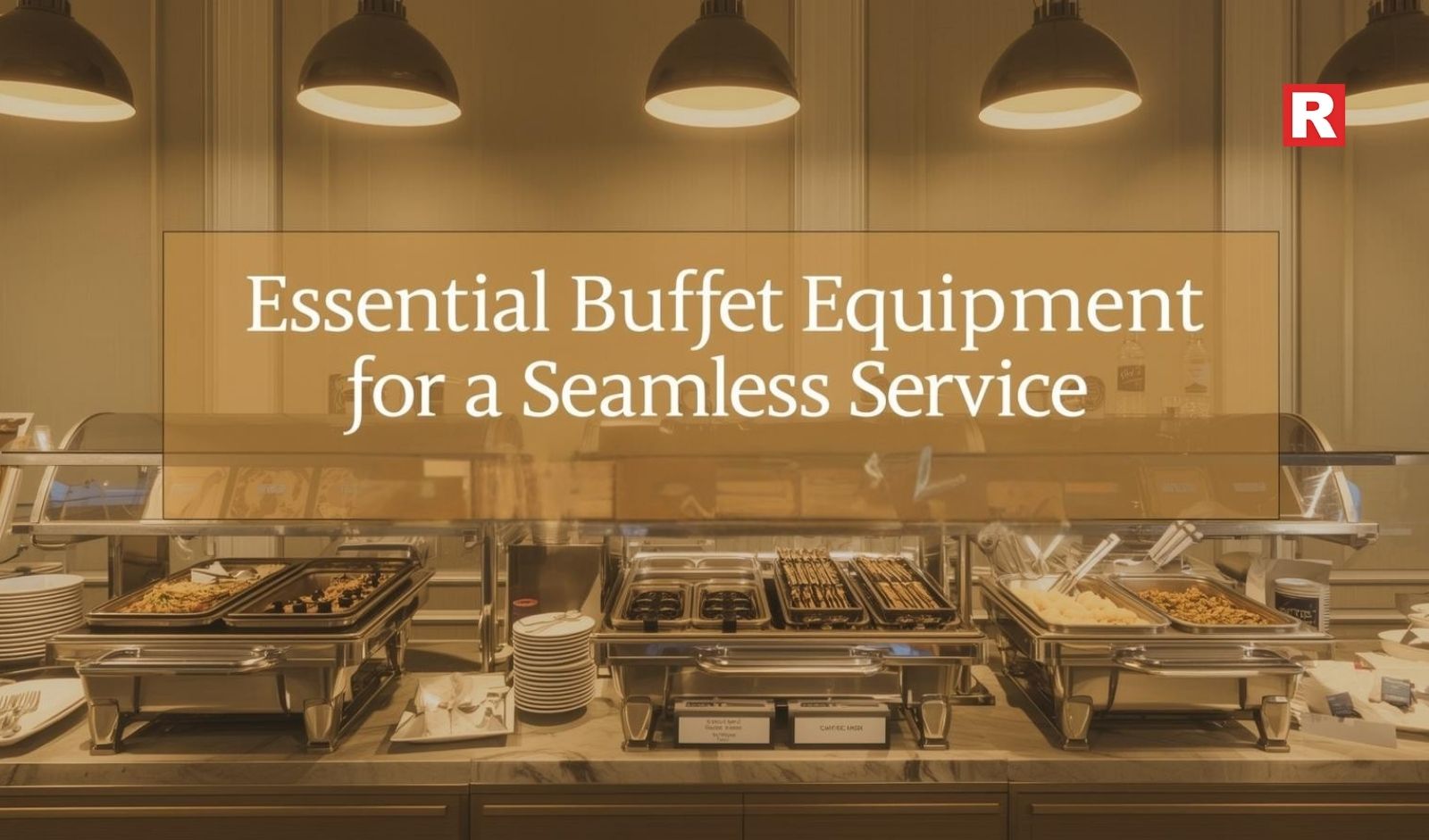
There is nothing like the charm of a well-prepared buffet in India. It's a culinary festival, a lively "food mela" where customers are encouraged to create their own eating adventure by sampling a wide range of regional flavors, fragrant spices, and varied textures. A successful buffet service is a monument to 'atithi devo bhava' (the guest is God) and a masterclass in operational skill and unmatched customer pleasure for the smart Indian restaurateur. However, beneath the seeming ease of such a lavish spread is a carefully planned system of specialized equipment, each of which is essential to guaranteeing that every pakora stays crispy, every paneer dish stays warm, every salad is perfectly fresh, and every customer has a smooth, enjoyable experience.
Imagine, if you will, the disappointment of a guest at a corporate lunch buffet or wedding reception when the hot biryani becomes lukewarm, the fresh raita becomes cold, or the excited guests create an unanticipated queue. For any business owner, these situations are a direct hit to their reputation and a surefire way to experience operational difficulties. A good Indian buffet involves more than just serving a lot of food; it is intrinsically linked to the cuisine's careful preparation, accurate temperature control, and sophisticated service. This detailed article is not just a list of equipment; it is a strategic guide for the essential buffet equipment that transforms possible chaos into elegant beauty.
Read more: 7 Easy Rice Paper Recipes for Quick & Healthy Meals
Maintaining Ideal Food Temperatures
The ability to keep each traditional dish at the ideal, secure, and delicious temperature is the foundation of any great Indian buffet. This is not only a question of taste; it is also a vital component of food safety, health regulations, and, most importantly, customer pleasure, particularly in India's diverse climatic conditions.
1. Chafing Dishes: The Guardians of Warmth
The foundation of the hot buffet line is chafing dishes, which are meant to maintain popular Indian meals at a steady, secure temperature, usually higher than 60°C (140°F).
- Purpose: Their major responsibility is to make sure that hot foods, such as aromatic biryanis, toasty parathas, and rich curries like butter chicken and dal bukhara, stay delectably warm without drying out or overcooking. This is crucial for stopping the growth of bacteria and maintaining the real texture and flavor of the meal.
- Types: There is a great deal of diversity in modern chafing dishes. Roll-top covers are convenient and effectively retain heat, whilst lift-off covers are easier to handle. Many options include more modern electric and induction-ready types that provide exact temperature control and a flame-free environment, improving safety, energy economy, and overall ambiance in a busy location, or more conventional fuel-filled heated devices (using chafing fuel or spirit lights).
- Key Considerations: Stainless steel structure is essential for hygienic regulations, longevity, and simplicity of cleaning. To accommodate diverse Indian meal kinds, take into account different shapes and sizes (round for gravies, rectangular for dry veggies or rice). The entire visual attractiveness of your restaurant should be enhanced by the aesthetic design, which could include sleek modern finishes or historic themes.
2. Food Warmers / Heat Lamps: Precision Holding
In addition to chafing dishes' broad warmth, certain foods, particularly cut meats or live counter preparations, frequently need focused temperature management.
- Purpose: By adding extra heat, these devices guarantee that foods like newly prepared tawa sabzis, tender tandoori kebabs after they've been carved, or temporarily stored, plated appetizers keep their perfect temperature without sacrificing quality.
- Types: A serving area is softly and radiantly warmed by overhead heat lights. Large banquets frequently have heated carving stations that combine overhead lighting and a heated base. For storing smaller side dishes, breads, or sauces, such as a basket of warm garlic naan, countertop food warmers are perfect.
- Key Considerations: In order to avoid cold patches and guarantee constant quality, even heat distribution is essential. Protective guards and other safety precautions are crucial, especially in self-service Indian buffet setups.
Know more: 7 Tips to Maximise Sales in Your Restaurant
3. Induction Cooktops / Warming Plates: Modern Efficiency
Induction technology provides a number of benefits for a smart and energy-efficient buffet heating method that complements current kitchen styles.
- Purpose: The devices' purpose is to precisely and flamelessly heat pots and pans used on the buffet line, such a live pasta or noodle stations, or induction-compatible chafing dishes.
- Benefits: The controlled heat effectively maintains constant temperatures and avoids burning, which is common with open flames. They use less energy, are safer by nature (no hot fuel or exposed flame), and add to a sleek, modern look that picky customers like.
- Why Essential: They provide a high-end solution for better temperature control and more operational security, enhancing the elegance and effectiveness of your buffet arrangement, particularly in luxurious or busy settings.
4. Refrigerated Display Units / Cold Wells: Preserving Freshness
Making sure cold food stays precisely chilled and appealing is just as vital as keeping hot food hot. In India's climate, this is especially crucial for dishes like salads, raitas, and sweets.
The crispness and freshness of foods like kachumber salads, boondi raita, fresh fruit platters, chaat ingredients, and delicate Indian desserts, such as rasmalai or gulab jamun with rabri, are all preserved by these machines. They maintain these things at safe temperatures, which are usually lower than 41°F or 5°C.
- Types: Drop-in cold wells provide a countertop with a sleek appearance by blending in perfectly. For smaller buffets, countertop cold displays allow versatility. Refrigerated salad bars provide self-service by combining display and built-in cooling.
- Key Considerations: It's critical to cool the unit regularly and equally. Guests can view the fresh items, and the attractiveness is increased when there is clear visibility through glass or acrylic coverings. To control condensation, proper drainage is crucial, especially in humid environments.
- Why Essential: They are essential for keeping cold foods fresh and appealing, avoiding spoiling, and, most importantly, preserving food safety and cleanliness.
What's new: Beyond Paneer: India's Vegetarian Treasures That Can Become Your Restaurant's Charm
The Flow Enablers: Serving & Dispensing
Guests' experience and the overall operational efficiency of your buffet are significantly impacted by how simple and hygienic it is for them to serve themselves, especially during peak times in Indian restaurants.
5. Serving Utensils: The Hygienic Handlers

These are the unsung heroes of self-service; they are essential for maintaining proper portion control and hygiene.
- Purpose: In order to prevent cross-contamination between various rice dishes, dals, or curries and to let customers serve themselves hygienically, it is essential to provide each dish with a clean, suitable utensil.
- Types: A wide variety includes flat spatulas for dry veggies or snacks, deep ladles for soups and gravies, robust tongs for salads and breads (such as naan or roti), and serving spoons in different sizes for rice and smaller meals.
- Important Points: For Indian spices, stainless steel construction is the best option because of its longevity, hygienic qualities, and corrosion resistance. When handling hot food, utensils should be heat-resistant and of a comfortable size for visitors. To maintain a clean buffet line and keep handles away from food or the table surface, each utensil has its own designated holder or rest.
Check out: Top 10 Qualities of A Successful Restaurateur|
Beyond Toast: 10 Deliciously Easy Bread-Based Snacks
6. Beverage Dispensers: Efficient Hydration
In order to keep customers refreshed, cut down on staff work, and eliminate lines, it is essential to serve beverages efficiently.
The purpose of these units is to make it easier for customers to serve themselves by streamlining the provision of both hot (like filter coffee and masala chai) and cold (such as fresh juices, jaljeera, water, and iced tea) drinks.
- Types: Insulated beverage dispensers, sometimes known as "airpots" for hot beverages, maintain the warmth of hot water, tea, or coffee for prolonged periods of time. Cold beverages stay absolutely refreshing thanks to juicers with cooling cores. High-volume hot beverage service is served by chai steamers or coffee pots with large capacities.
- Key Considerations: Capacity should be equal to expected demand, particularly at peak meal times. To maintain the appropriate temperatures, good insulation is essential. Maintaining cleanliness and avoiding sticky messes requires drip trays that are easy to wipe and placed precisely.
7. Bread Baskets / Dispensers: Organized Offerings
The way traditional Indian breads and sides are presented greatly enhances the overall appearance and customer experience.
- Purpose: Their function is to maintain a range of breads, such as different rotis, naans, kulchas, or even pav, fresh, arranged, and within easy reach of customers—often next to a live counter.
- Why Essential: Fresh bread presented neatly and attractively improves the buffet's appearance and ensures a smooth flow by reducing crumbs and clutter on the serving line.
8. Condiment & Sauce Stations: Personalizing Flavor
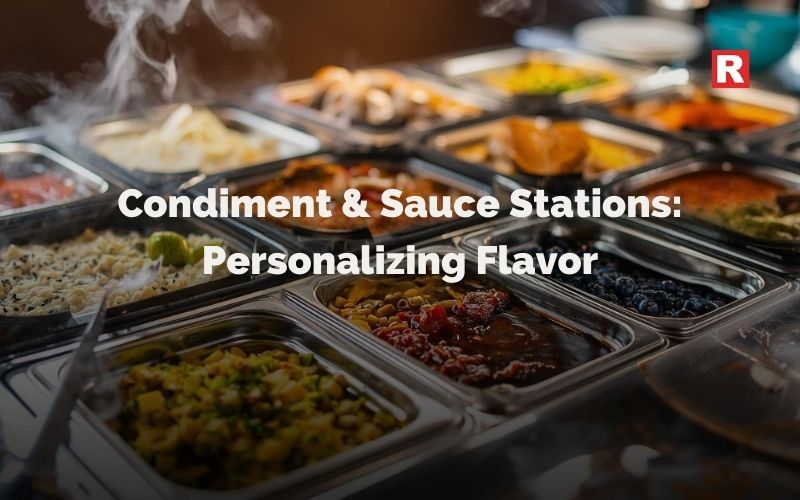
A key component of the Indian dining experience is providing a variety of chutneys, raitas, and pickles so that customers can personalize their meals.
- Purpose: By offering a variety of accompaniments, these stations enable customers to customize flavors to suit their tastes and improve their meal.
- Types: transparent pumps or squeeze bottles for liquid sauces and dressings (like mint chutney or tamarind chutney), small, stylish ceramic or steel bowls for dry condiments (like chili flakes or roasted cumin powder), and special trays for lemon wedges, chopped onions, or fresh herbs.
- Why Essential: Aside from providing different options, this also provides a layer of real Indian taste and keeps the presentation tidy and welcoming, which greatly improves the eating experience.
Read this: 5 Unique Theme Ideas That Make Your Restaurant Stand Out
Beyond Equipment: Maintenance & Training
Even the most advanced equipment needs expert handling and careful maintenance to function at its best, particularly in the demanding setting of an Indian commercial kitchen.
- Frequent Cleaning: After every service, establish a strict routine for thoroughly cleaning and sanitizing all buffet equipment. This keeps bacteria from growing, prolongs the life of the equipment, and keeps it looking nice.
- Staff Training: Make sure that every member of your staff receives complete training on how to use each buffet item correctly, as well as sanitary refilling methods, exact temperature monitoring procedures, and efficient waste management best practices. Your biggest asset is skilled staff.
- Preventive Maintenance: Create a schedule for routinely inspecting and maintaining all mechanical and electrical equipment. Regular inspection ensures longevity and constant, dependable performance by preventing unexpected incidents during crucial peak service periods.
Conclusion
It takes an intricate balance of food creativity, logistical accuracy, and careful guest experience design to create a buffet service in an Indian restaurant that is genuinely seamless. However, the strategic placement of necessary, superior buffet equipment is at its heart. These essential instruments are the foundation of every successful buffet, working nonstop to preserve culinary perfection, maintain the highest standards of sanitation, and make it easy for your valued customers to move about. Through wise investments in these essential tools, careful planning, and a committed, well-trained staff, restaurateurs can improve the dining experience, strengthen their reputation for excellence, and guarantee a consistently smooth and incredibly profitable operation that makes their buffet a true "feast of champions."
Mahak Sharma
Content Writer
Mahak Sharma is a passionate content writer with 2 years of experience crafting compelling content across various niches, tailoring her writing to suit different audiences and platforms. She is dedicated to producing engaging content for readers so that they can understand and enjoy the articles. Her strengths lie in crafting SEO-friendly, well-structured articles that drive visibility and engagement.



































































