
Easy tips for saving money as a restaurant owner without sacrificing quality
Keeping expenses under control without sacrificing the quality that attracts and holds onto customers is one of the most enduring problems faced by business owners. Even little savings can have a big impact on profitability in a sector that is infamous for having narrow profit margins.


It takes a delicate balance of cooking expertise and smart financial sense to run a successful restaurant, whether it's a busy restaurant or a small cafe. Keeping expenses under control without sacrificing the quality that attracts and holds onto customers is one of the most enduring problems faced by business owners. Even little savings can have a big impact on profitability in a sector that is infamous for having narrow profit margins.
The good news is that you don't have to sacrifice your cuisine, service, or atmosphere to save money. Rather, it's about improving procedures, cutting waste, utilizing technology, and making better choices in all areas of your company. The following article will discuss achievable, simple strategies that restaurant owners can use to cut costs without sacrificing—or even improving—their reputation for quality.
The Pillars of Restaurant Profitability
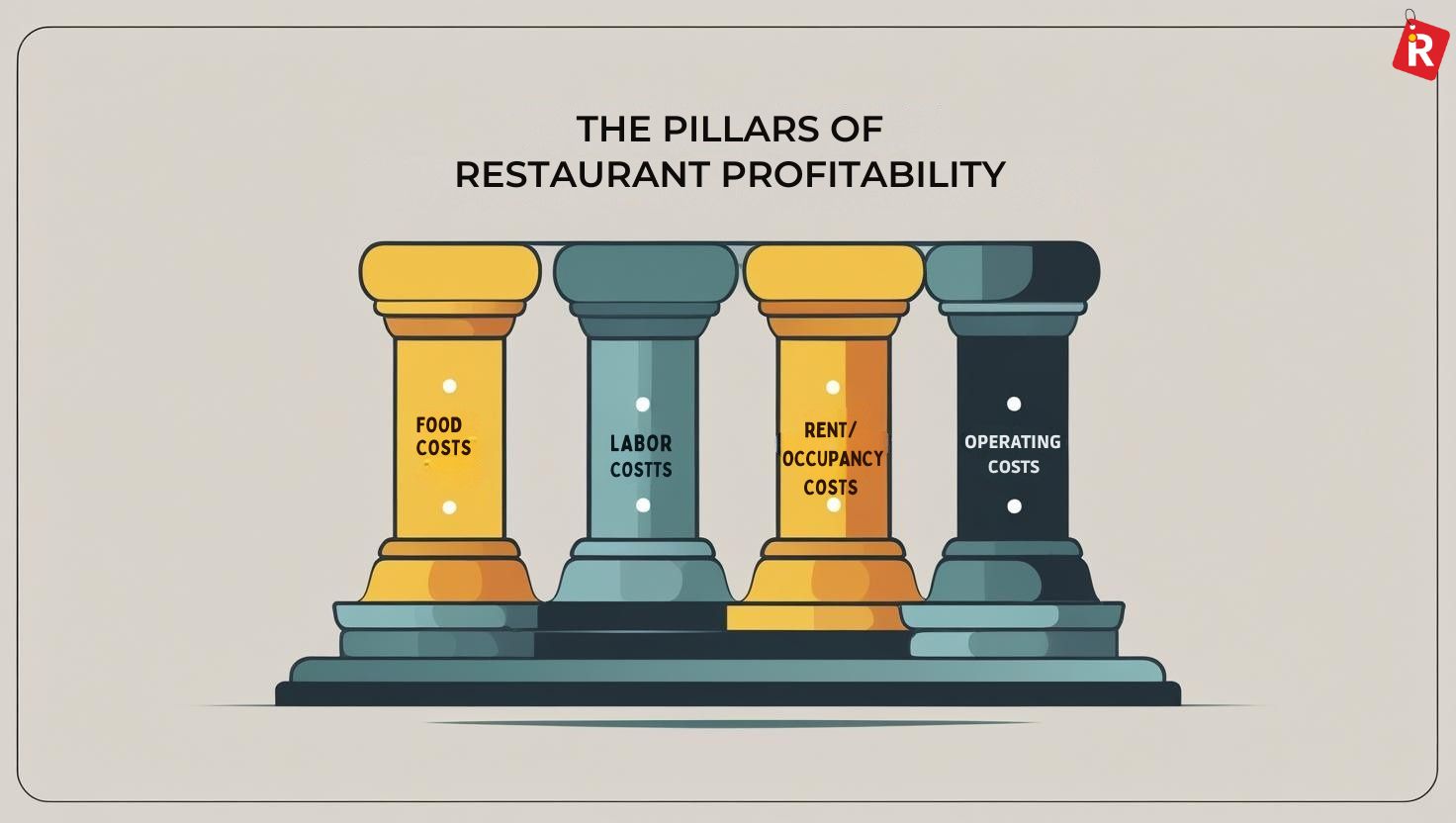
It's important to know where a restaurant's money usually goes before looking at solutions. Typically, the main expense categories consist of:
- Food Costs: The price of the unprocessed ingredients used to make all meals and drinks. This is frequently the biggest variable expense.
- Labor costs: Includes all employees' wages, salaries, perks, and taxes.
- Rent/Occupancy Costs: utilities, insurance, property taxes, and lease payments.
- Operating costs: Includes marketing, upkeep, supplies (cleaning, uniforms, dishes), technology (point-of-sale systems), and administrative charges.
To successfully cut out expenses, these areas must be dealt with wisely.
Read more: Savouring Stardom: What it Takes To be a Celebrity-Owned Restaurant
Comparing Fast Food vs. Fine Dining: Which Is Right for Your Restaurant
Strategic Sourcing and Inventory Management
The largest variable expense is frequently the cost of food. Here, careful management has a direct effect on your financial results.
1. Optimize Your Menu for Profitability
Not all dishes are created equal in terms of profit margins.
The Strategy: The action plan is to regularly engineer the menu. Examine sales data to determine which of your dishes are the most popular and profitable, which are popular but not very profitable, and which are neither. Put your "most popular" first and think about re-engineering or eliminating "low popular-profitable." Is it possible to employ high-volume, common ingredients in a variety of recipes? Can paneer, for example, be used in a main course salad or a special wrap if it's used in a popular appetizer?
Benefit: By concentrating on what sells and generates revenue, you may increase overall profitability without compromising dish quality.
2. Negotiate Smartly with Suppliers
Building strong relationships with vendors can unlock significant savings.
The Strategy: Obtain numerous estimates from different suppliers. If you are able to commit to larger quantities, try to negotiate volume discounts. Discuss flexible payment schedules or early payment discounts. Suppliers may also give you discounts on overstocked items if you maintain regular communication and a positive working relationship. Investigating local farmers for fresh produce can occasionally result in cheaper costs and fresher ingredients for restaurants, improving quality as well.
Benefits: Includes improved supply chain management, a direct decrease in ingredient costs, and frequently higher quality as a result of direct interactions.
Know this: How to Start a Restaurant Business in Delhi: Registration, License, Documents & Fee
3. Implement Rigorous Inventory Management
Food waste is profit waste.
The Strategy: To guarantee that older stock gets used before it expires, implement a First-In, First-Out (FIFO) system for all perishables. For expensive items, do inventory counts every day or every week. To monitor consumption, forecast demand, and reduce overordering, use inventory management software. This aids in spotting possible theft or over-portioning problems as well.
Benefit: Significantly lowers waste and spoilage, guaranteeing that every ingredient is used efficiently.
4. Master Waste Reduction and Repurposing
Every scrap can be a lost rupee.
The Strategy: Educate staff on proper portion management and accurate knife skills to reduce trim waste. Encourage creative item reuse, such as using leftover grilled chicken for a staff dinner or special, stale bread for croutons or breadcrumbs, or vegetable scraps for stock. If there are facilities nearby, think about composting organic waste to possibly lower waste disposal expenses.
Benefits: Includes reduced food costs, an appeal to environmentally conscious diners, and the potential to inspire new menu items.
Simplifying to Increase Operational Efficiency
Costs are greatly impacted by front-of-house and kitchen operations in addition to ingredients.
1. Optimize Staff Scheduling and Training
Labor is a major expense, but cutting staff can hurt service.
The Strategy: Make use of data-driven scheduling tools to match staffing levels to anticipated demand (e.g., more staff during weekend dinner rushes, fewer workers on a calm Tuesday). Employees should receive cross-training so they can perform a variety of tasks, which will increase their flexibility during slower times. Spend money on continual training to improve productivity, portion management, and waste minimization. Reduced expenses for hiring and training are another benefit of high staff turnover.
Benefits: They include lowering needless overtime, increasing worker output, and upholding high service standards.
Check out: Different Types of Restaurants: Complete Guide for Potential Owners
2. Embrace Energy Efficiency
Utilities can be a silent drain on profits.
The Strategy: Replace all of the restaurant's lighting with energy-efficient LEDs. When replacing outdated equipment (such as ovens, refrigerators, and dishwashers), make an investment in ENERGY STAR-rated appliances because they use a lot less water and electricity. Establish strict guidelines for shutting down equipment when it's not in use. To maintain comfortable temperatures without using excessive amounts of energy, make sure that HVAC systems are properly insulated and maintained on a regular basis.
Benefits: They include cheaper monthly utility costs, a smaller carbon footprint, and frequently longer equipment lifespans.
3. Leverage Technology Smartly
Strategic tech investments can yield significant returns.
The Strategy: Invest in a modern Point-of-Sale (POS) system that provides labor management tools, sales analytics, and real-time inventory tracking. To increase kitchen efficiency, decrease errors, and streamline order flow, take into consideration Kitchen Display Systems (KDS). When possible, look into online ordering platforms or the direct ordering feature on your own website to lessen your dependency on third-party delivery apps (and their exorbitant commissions).
Benefit: They include work automation, mistake reduction, useful data for decision-making, and the potential to directly cut labor and third-party costs.
4. Regular Equipment Maintenance
Preventive maintenance saves money in the long run.
The Strategy: Create a regular maintenance plan for all plumbing, HVAC, and kitchen appliances. This goes beyond just fixing things when they break; it's about proactive checks. Train staff or hire professionals to routinely inspect and clean equipment. Check fridge seals, calibrate ovens, and clean filters on a regular basis. Documenting these checks helps ensure consistency.
Benefit: It delays expensive replacements by greatly extending the life of your expensive equipment. More significantly, it aids in preventing costly, unforeseen malfunctions that may occur during busy times and result in lost sales and unhappy customers. Additionally, well-maintained appliances use the least amount of energy possible, which directly reduces your electricity costs and improves your financial situation.
What's new: 14 High-Protein Vegetarian Breakfasts That Keep You Full for Hours
How to design a kid-friendly restaurant that parents also love
Marketing and Customer Engagement: Smart Spending for Growth
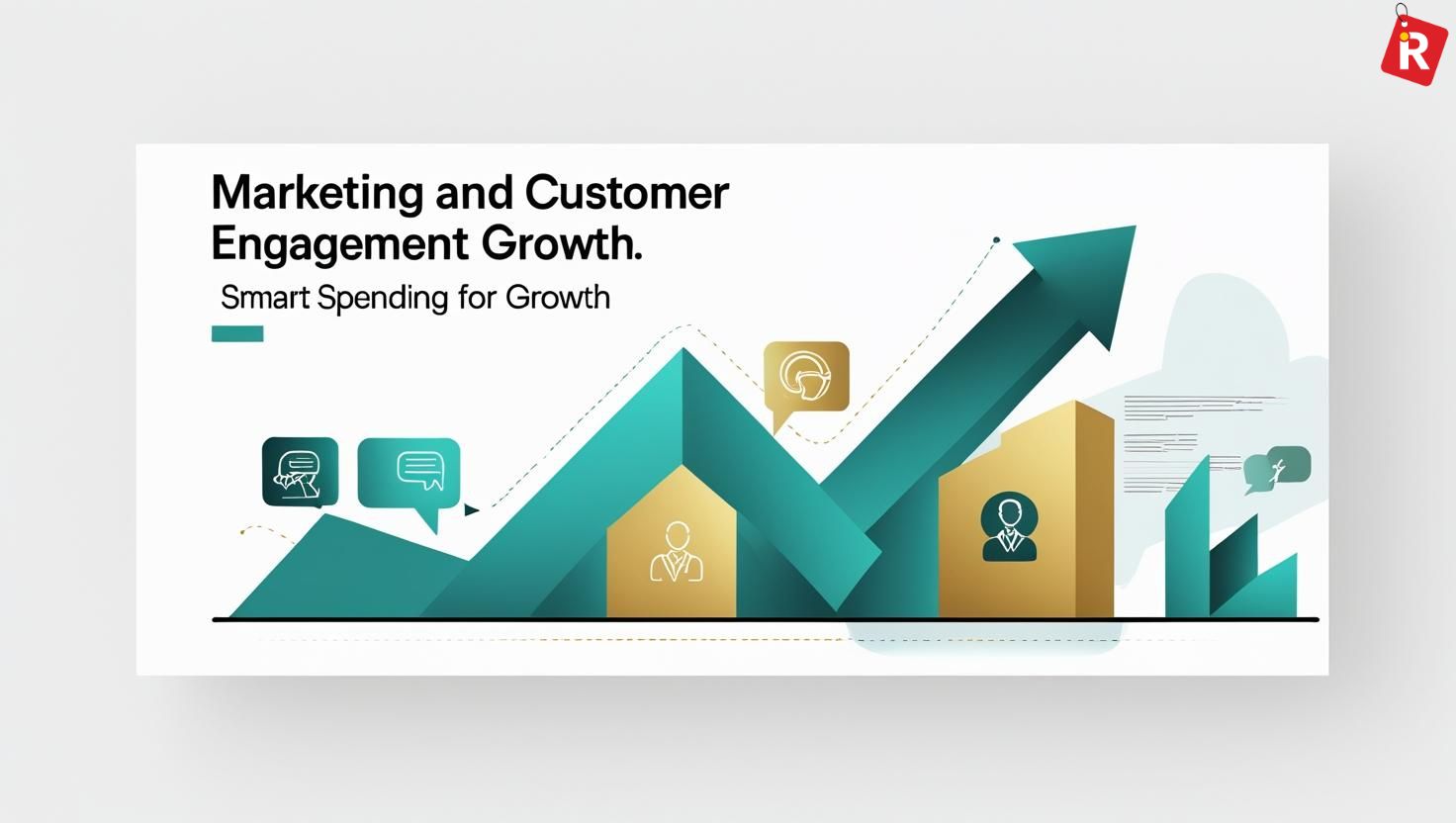
Even marketing can be optimized for cost savings and higher results.
1. Maximize Your Online Presence
Digital visibility is crucial, and it doesn't always require a huge budget.
The Strategy: Make sure your Google My Business profile is optimized with correct information, eye-catching images, and frequent updates. Promote and reply to user reviews on websites such as Google, Swiggy, and Zomato. Make use of natural social media platforms (Facebook, Instagram) with captivating content and excellent images that showcase daily deals or behind-the-scenes looks. Organize campaigns with user-generated content or contests.
Benefit: Builds brand exposure, attracts new customers, and nurtures loyalty with minimum direct cost.
2. Cultivate Strong Customer Loyalty Programs
Retaining existing customers is often cheaper than acquiring new ones.
The Strategy: Put in place a basic loyalty program that offers regular diners exclusive discounts, a punch card, or a points system. Obtain client contact information (with permission) in order to market to them via email or SMS about events, birthday deals, or specials.
Benefits: It includes boosting client lifetime value, encouraging repeat business, and generating a steady flow of income during possibly difficult times.
Know more: Top 5 States With the Spiciest Food in India
3. Strategic Menu Pricing and Portion Control
Small adjustments can have big impacts.
The Strategy: Small adjustments to your menu can yield big impacts on profitability. Evaluate your menu prices on a regular basis in light of competitors' prices and changing ingredient costs. If you frequently see plates returned with large amounts of leftovers, think about reducing portion sizes a little bit. However, do this discreetly to prevent lowering perceived value.
Benefit: Lowers food waste and preserves your profit margins without upsetting clients. This dual approach also powerfully protects profit margins, minimizes costly food waste, and ensures customer satisfaction remains high without them noticing a sacrifice in quality.
Conclusion
Understanding cost management is crucial in the cutthroat restaurant industry, particularly in busy cities. But real success doesn't come from randomly cutting costs; rather, it comes from putting in place sustainable, intelligent tactics that improve operational effectiveness and cut waste without ever sacrificing the quality that makes your business unique.
Restaurant owners can successfully reduce their operating costs by concentrating on smart sourcing, strict inventory control, efficient labor management, energy efficiency, and utilizing technology. The goal of these "easy tips" is to create a more robust, successful, and reputable restaurant business that will continue to satisfy patrons for many years to come, not just to save money.
Mahak Sharma
Content Writer
Mahak Sharma is a passionate content writer with 2 years of experience crafting compelling content across various niches, tailoring her writing to suit different audiences and platforms. She is dedicated to producing engaging content for readers so that they can understand and enjoy the articles. Her strengths lie in crafting SEO-friendly, well-structured articles that drive visibility and engagement.



































































