
Dishwasher vs. Three-Compartment Sink: Which is Right for Your Restaurant?
The simple three-compartment sink has been a kitchen staple for years, but modern dishwashers are becoming a strong challenger day by day. When choosing between the two, Indian restaurateurs need to consider cost, efficiency, and hygiene in addition to convenience.

In the fast-paced world of Indian dining, every decision, from menu items to design, has a significant impact on profits. However, there is an issue that is less talked about, but is equally important to the proper functioning of the restaurant: that is, how to wash the dishes. The simple three-compartment sink has been a kitchen staple for years, but modern dishwashers are becoming a strong challenger day by day. When choosing between the two, Indian restaurateurs need to consider cost, efficiency, and hygiene in addition to convenience.
This detailed article will compare the benefits and drawbacks of dishwashers versus three-compartment sinks, allowing you to make a smart decision that is appropriate for your restaurant's specific requirements. We'll look at the most important factors, from initial expenses to long-term savings, as well as the perfect hygiene standards that your customers expect.
Read more: 10 Tips to choose the best Dishwasher for your restaurant
The Traditional Three-Compartment Sink
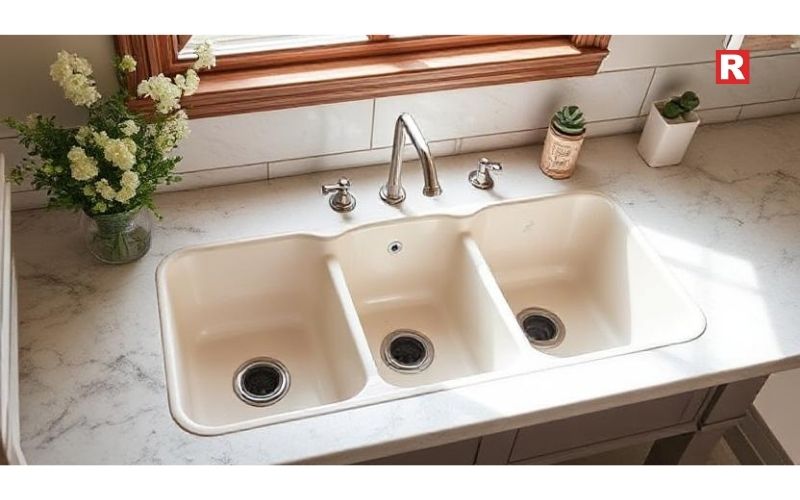
The majority of commercial kitchens in India are equipped with a three-compartment sink. It is a simple, efficient solution that does not require complicated technology to achieve basic hygiene criteria. The procedure is simple and complies with basic sanitary guidelines.
How it works:
- Wash: Hot, soapy water is used to wash dishes in the first compartment.
- Rinse: Use clean, hot water to rinse the soap off in the second chamber.
- Sanitize: The dishes are cleaned in the third and last container, typically using very hot water or a chemical sanitizer solution.
Pros of the Three-Compartment Sink:
- Low Initial Investment: The largest benefit is probably the low initial investment. The initial cost of a three-compartment sink is significantly less than that of a commercial dishwasher. For newly opened restaurants with little funds, this may be a deal-breaker.
- Zero Operating Costs (Apart from Water and Chemicals): You don't have to be concerned about electricity usage or equipment servicing. Water, detergent, and sanitizer are the only continuous expenses, and they are affordable.
- Versatility: Dishes are not the only function of the sink. You can soak tough stains, wash veggies, and even clean big pots and pans that might not fit in the dishwasher.
- Ease of Use & Repair: It is an easy-to-use technology that requires little training. In most cases, a local plumber can swiftly and reasonably fix anything that breaks.
Cons of the Three-Compartment Sink:
- Labor-intensive: The true expenditure can be found here. The entire procedure is done by hand and takes a lot of staff time and energy. This can eat up important man-hours that could be spent on other things in a busy kitchen.
- Inconsistent Outcomes: The individual performing the cleaning has a significant impact on how effective the procedure is. Staff members may hurry through the procedures in a high-pressure setting, which could result in improperly sanitized dishes.
- High Water and Energy Consumption: The manual procedure frequently wastes a lot of water, even if the equipment is not using energy. Significant energy is also needed to keep the water in all three compartments hot, particularly in a large operation.
- Space Requirements: In most Indian commercial kitchens, floor space is a valuable resource, and a three-compartment sink takes up a significant portion of it.
Know more: How to Train Your Staff to Spot Bad Seafood in Five Easy Steps
The Modern Solution: The Commercial Dishwasher
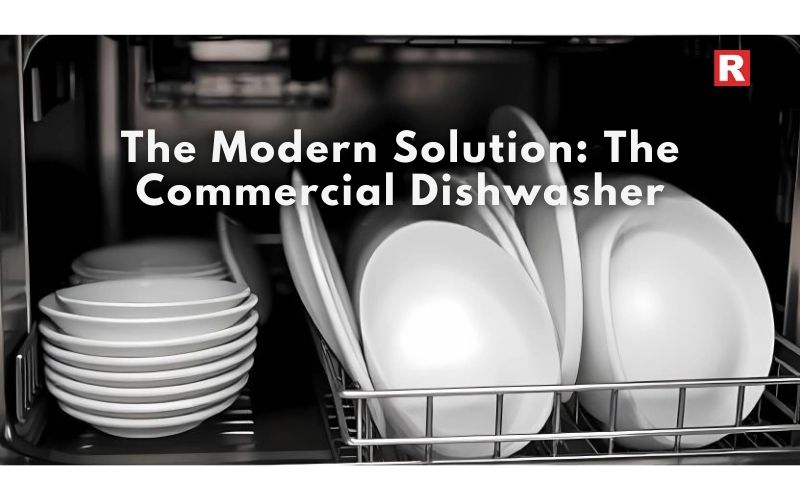
In India, huge restaurant chains and luxurious hotels have been using commercial dishwashers more frequently in recent years. They provide a more effective, sanitary, and reliable way to deal with the persistent problem of dishwashing.
How it works:
- Pre-Rinse: To get rid of big food particles, staff members rinse the plates beforehand.
- Load: The machine is filled with dishes that have been arranged in racks.
- Wash, Rinse, Sanitize: To wash, rinse, and sanitize the dishes, the machine automatically cycles through a mix of high-pressure water jets and extremely hot water.
Pros of the Commercial Dishwasher:
- Superior Hygiene and Consistency: The main benefit of a dishwasher is its superior hygiene and consistency. Every dish is consistently cleaned thanks to the high-temperature water (typically above 82°C or 180°F) or chemical sanitizing system, which is essential for the health and safety of customers.
- Labor and Time Savings: One dishwasher can quickly clean a large number of dishes. This increases the productivity and efficiency of your kitchen by freeing up staff to concentrate on other duties.
- Water and electricity Efficiency: Modern dishwashers are made to use very little water and electricity. They utilize just the right amount of water each cycle, which can lower your utility bills over time.
- Space-Efficient Models: Compact under-counter versions that are suitable for tiny kitchens and bigger conveyor units for high-volume operations are examples of space-efficient models. This lets you select a machine based on the amount of space you have available.
Cons of the Commercial Dishwasher:
- High Initial Investment: The cost of a commercial dishwasher is high. For new businesses or small-to-medium-sized restaurants with little funding, this could be a significant challenge.
- Costs of maintenance and repairs: These devices have complex structures and moving parts that are prone to malfunction. Dishwasher repairs often call for a skilled expert, and the parts could possibly be costly.
- Electricity Use: Although they use less energy every cycle, they do use electricity, which is something to take into account in areas where electricity prices are high.
- Not Ideal for All Items: You may still need a sink for really large pots and pans, as well as some delicate utensils that may not fit or should not be cleaned in a dishwasher.
What's new: Easy & Delicious Meal Prep Ideas for a Busy Week
Key Considerations for Indian Restaurateurs
For Indian restaurateurs, analyzing the pros and cons is not enough to make a decision. It is necessary to consider specific local circumstances.
- Water Quality: Mineral buildup and gradual damage to dishwashing components can result from hard water, a common issue in many regions of India. The cost may increase if you need to use particular detergents or buy a water softener.
- Staff Training and Skill Set: Although a dishwasher makes things easier, your staff must receive the necessary training to operate it, load it quickly, and deal with small problems.
- Power Supply Reliability: "Load shedding," or power outages, might cause a dishwasher's cycle to be interrupted. Even in the event of a power outage, a three-compartment sink keeps your business running smoothly.
- Labor Costs: Although dishwashers reduce labor costs, labor costs in India are frequently less than in many other nations. You must carefully determine whether labor savings balance the dishwasher's expensive initial cost and possible repair expenses.
A Three-Point Checklist to Make the Final Decision
Asking yourself these three important questions will help you make the best decision:
1. What volume do you have?
A three-compartment sink is probably the most sensible and economical option if your restaurant is a small, small-scale business. A commercial dishwasher is a smart investment that will pay for itself in labor and efficiency, whether you're managing a busy café, a high-volume restaurant, or a hotel with meeting space.
2. What are your priorities?
Is cutting initial expenses your key priority? In that case, the sink is the obvious winner. Is maintaining constant, superior efficiency and hygiene your top priority? In that case, a dishwasher is the best option.
3. What is your long-term vision?
Are you a new restaurant testing the waters with plans to expand? You can begin with a sink and then upgrade to a dishwasher as your business expands. If you're a well-established brand trying to improve your operations and raise your standards, a dishwasher is the logical next step.
Check out: 5 Key Features a Restaurant Pizza Oven Should Have
10 Surprising Health Benefits of Having Plant-Based Diet
Beyond the Kitchen: The Customer's Perspective
- Building faith: A sparkling clean glass or a spotless plate creates immediate, natural faith in your business.
- Hygiene as a Differentiator: A high-tech dishwasher demonstrates your attention to hygiene, setting you apart from the competition.
- Efficiency for Better Service: Fast dishwasher cycles ensure that staff always have clean dinnerware, reducing delays during peak hours.
- Satisfied Customers: Smoother operations result in a better dining experience and more favorable feedback.
- Enhanced Reputation: Outstanding cleanliness portrays a skilled staff, which benefits your restaurant's reputation.
- Justifying Pricing: High hygiene standards help you justify higher prices by indicating greater quality.
- Repeat Business: Customers who are satisfied with your hygiene are more likely to return.
- Professional Image: Cleanliness on all objects, from silverware to plates, conveys a professional and meticulous image.
- Better Reviews: A smooth, clean experience generally results in great online reviews.
- Marketing from the Back: Back-of-house hygiene might be one of your many powerful marketing weapons.
Read this: 7 Tips That Can Help Restaurants Make More Revenue During Festivals
Conclusion
Both the three-compartment sink and the commercial dishwasher have their uses in the Indian restaurant industry. The classic sink is a dependable, low-cost solution that offers versatility and is simple to maintain. It's ideal for small-scale businesses or those just starting. On the other hand, a commercial dishwasher is an effective tool for updating your kitchen, providing unparalleled hygiene consistency as well as significant long-term labor and utility cost savings.
The ideal option for your restaurant relies on your specific circumstances. It's not about whether the solution is generally superior, but rather which one best fits your company's size, budget, priorities, and long-term goals. By carefully considering these criteria, you can make a decision that assures your back-of-house operations run as smoothly and successfully as the great food you offer.
Mahak Sharma
Content Writer
Mahak Sharma is a passionate content writer with 2 years of experience crafting compelling content across various niches, tailoring her writing to suit different audiences and platforms. She is dedicated to producing engaging content for readers so that they can understand and enjoy the articles. Her strengths lie in crafting SEO-friendly, well-structured articles that drive visibility and engagement.



































































