Discover the Art of Flavour: What’s Trending in Beer Biz
Presently, India has over 200 microbreweries, catering to a growing demand for unique and locally inspired flavors.


India’s beer industry is undergoing rapid transformation, driven by evolving consumer preferences, premiumization, and innovation. With a projected CAGR of 8-10%, the craft beer segment growing at nearly 20% annually, the market is shifting toward diverse and premium offerings. The dominance of mass-produced lagers as craft breweries, wheat beers, and low-alcohol options gain popularity among the consumers. Presently, India has over 200 microbreweries, catering to a growing demand for unique and locally inspired flavors. Sustainability is also a rising trend, with breweries investing in eco-friendly production, reduced water consumption, and recyclable packaging.
What’s Driving the Change
The ‘aperitivo’ culture, prompting people to drink and socialize during the day, in Italy is influencing global drinking patterns. This shift is being embraced in India as well, where younger consumers are experimenting with diverse beverage formats that prioritize taste and experience over high alcohol content. The growing demand for flavored variants has led to an increase in the number of beer brands introducing tap rooms, where consumers can experiment with different flavors and enjoy shared experiences.
“At Simba, we continue to push the boundaries of craft brewing with unique offerings that go beyond traditional beer experiences. For instance, our Diwali hamper featured beer-infused products like Light Beer Vinaigrette, Wit Beer Mustard, Spicy Light Beer BBQ Sauce, and Stout Beer Caramel Chocolates—crafted in collaboration with artisanal brands such as The Gourmet Jar and Paul and Mike. This initiative reflects our dedication to blending classic beer flavors with gourmet innovations, catering to consumers who appreciate novelty and premium quality,” shared Ishwaraj Singh Bhatia, COO & Co-Founder, Simba Beer & ZigZag Vodka.
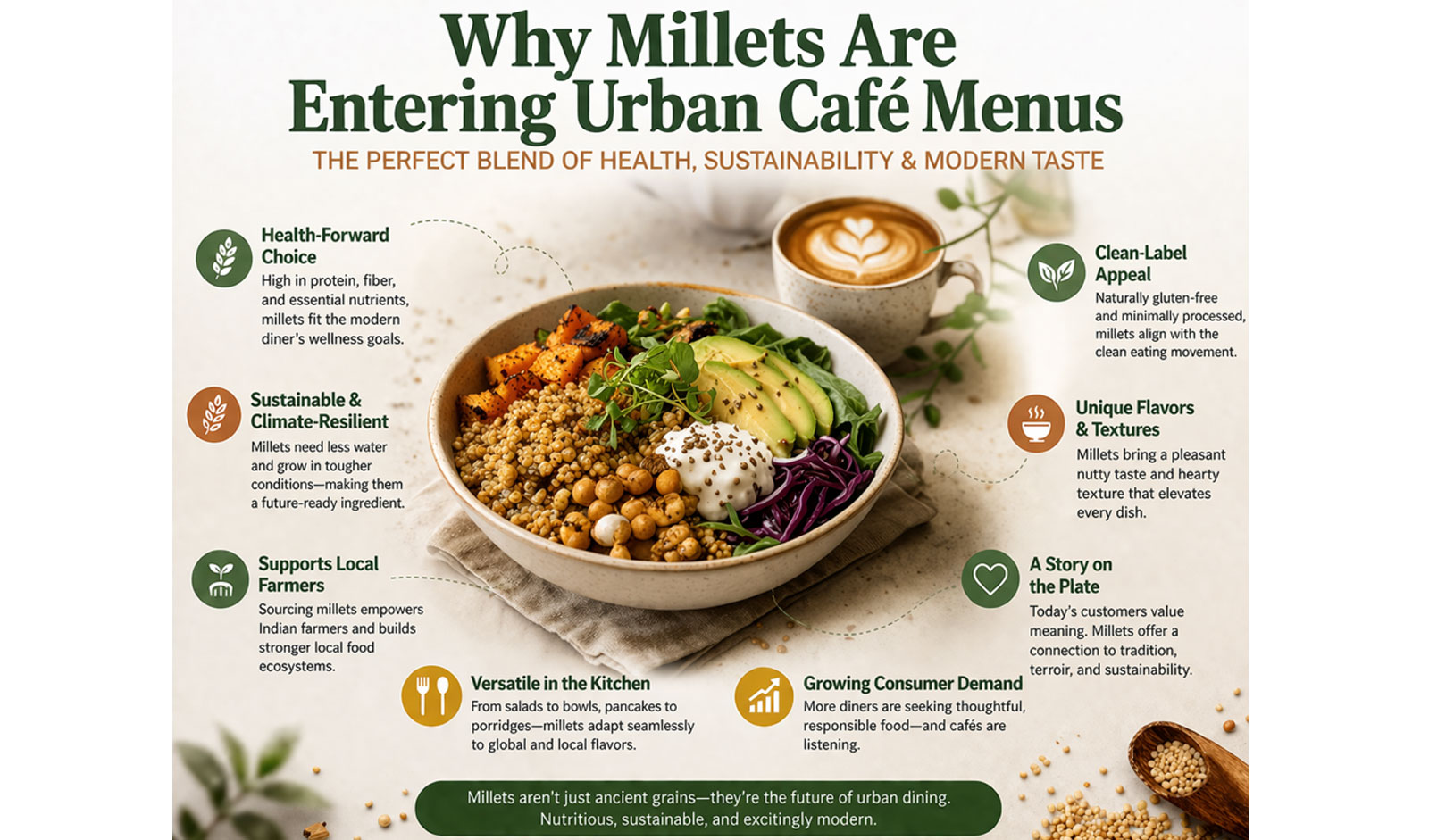
Similarly, in restaurants and bars, flavoured beer, local ingredients, indigenous flavours are all a hit these days. “Breweries are now adept at using local ingredients to make great quality beers eg. Indigenous millets are being used to brew craft beer,” added Pankil Shah (Co-founder & Director) of Neighbourhood Hospitality by pointing that craft beer preference in restaurants differs from state to state depending on regulations. In general, beer as a category is one of the highest consumed in any restaurant and craft beer is slowly showing an increase in demand especially for lifestyle centric brands.
Partnering with Restaurants
Experiential consumption is a growing trend in the beer industry, and we have capitalized on this by associating with cultural events.
“Our partnership with the Ziro Festival of Music in Arunachal Pradesh has strengthened our brand presence among a demographic that values music, culture, and craft beer. Such collaborations enhance our appeal in restaurants and on-premise locations, encouraging consumers to choose our beers in social settings rather than just retail purchases. While we have built strong brand equity through events, these initiatives also create opportunities for restaurant collaborations. By integrating our products into curated menus and pairing experiences, we foster organic partnerships with dining establishments, further solidifying our position in the craft beer market,” pointed Bhatia.
Overcoming Challenges
“Key markets like Mumbai and Pune are impacted by rising taxes and complex licensing, making expansion difficult. To overcome these hurdles, breweries can push for policy reforms, strengthen direct-to-consumer sales, and use digital marketing to connect with consumers. Sustainability and innovative flavors also help brands stay competitive in a crowded market,” shared Anirudh Khanna, Managing Director, Independence Brewing Company.
Commenting on Challenges for breweries, Vedant Kedia, Chief Executive Officer, Mount Everest Breweries Ltd explains, “Breweries face a constantly changing landscape—navigating regulatory complexities, fluctuating tax policies, and growing competition from spirits and alternative beverages. Consumer preferences are also evolving, with increasing demand for premium, craft, and unique flavor profiles. On top of that, rising production costs and supply chain challenges add to the pressures.”
He also pointed that to stay ahead, the beer industry must prioritize innovation, adaptability, and brand experience. Engaging with consumers on a deeper level, embracing digital sales channels, and offering distinctive, out-of-the-box brews will be key to driving the next phase of growth. Today’s beer drinker isn’t just looking for a beverage; they’re looking for an experience.
Vijetha Iyer
Content Editor
Working as a Content Editor with Restaurant India. I have worked in various sectors like food and beverage sector, chemicals, pharma, nutraceuticals, now specially focusing on restaurant side. But my core knowledge was always on content. Be it writing poems to verses, I always loved writing and have been exploring my career on the same. In Restaurant India, I deliver insightful stories, take interviews of various brands and update the audiences about the newest happenings in the restaurant industry.