Designing Memorable Dining Experiences: The Future of the Restaurant Industry
Creating these memorable dining experiences is about harmonizing ambiance, service, technology, and exceptional food offerings.


Dining out has transformed from just a meal to a multi-sensory experience, where atmosphere, service, innovation, and food quality blend seamlessly to create lasting impressions. For restaurants, crafting these unforgettable moments is both an art and a science.
Creating these memorable dining experiences is about harmonizing ambiance, service, technology, and exceptional food offerings. Multi-sensory elements like aromas and soundscapes amplify the dining experience, while visually stunning presentations turn dishes into works of art. At its core, it’s about understanding guests’ desires and exceeding them, forging emotional connections in the process.
The Power of Atmosphere and Service
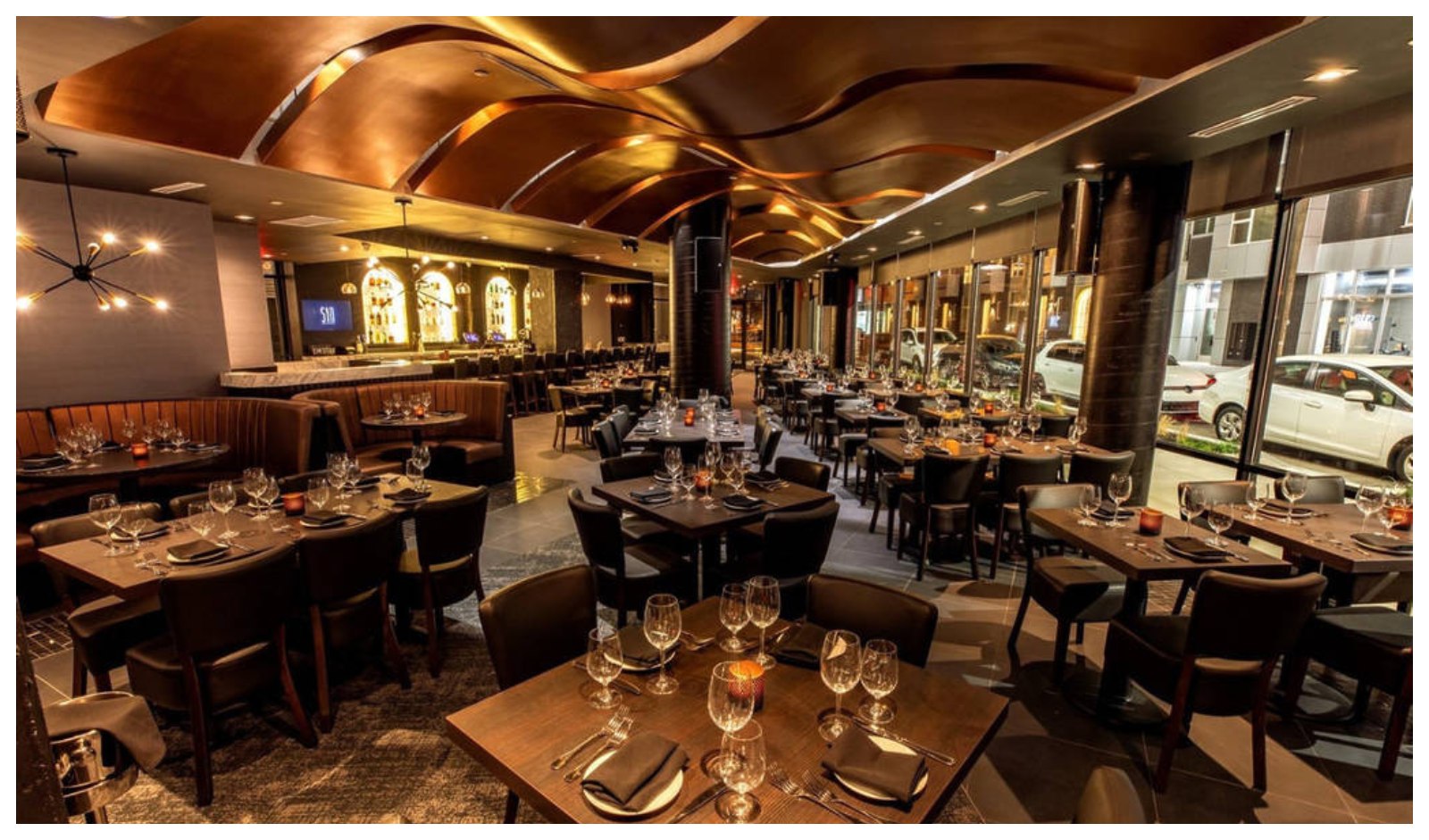
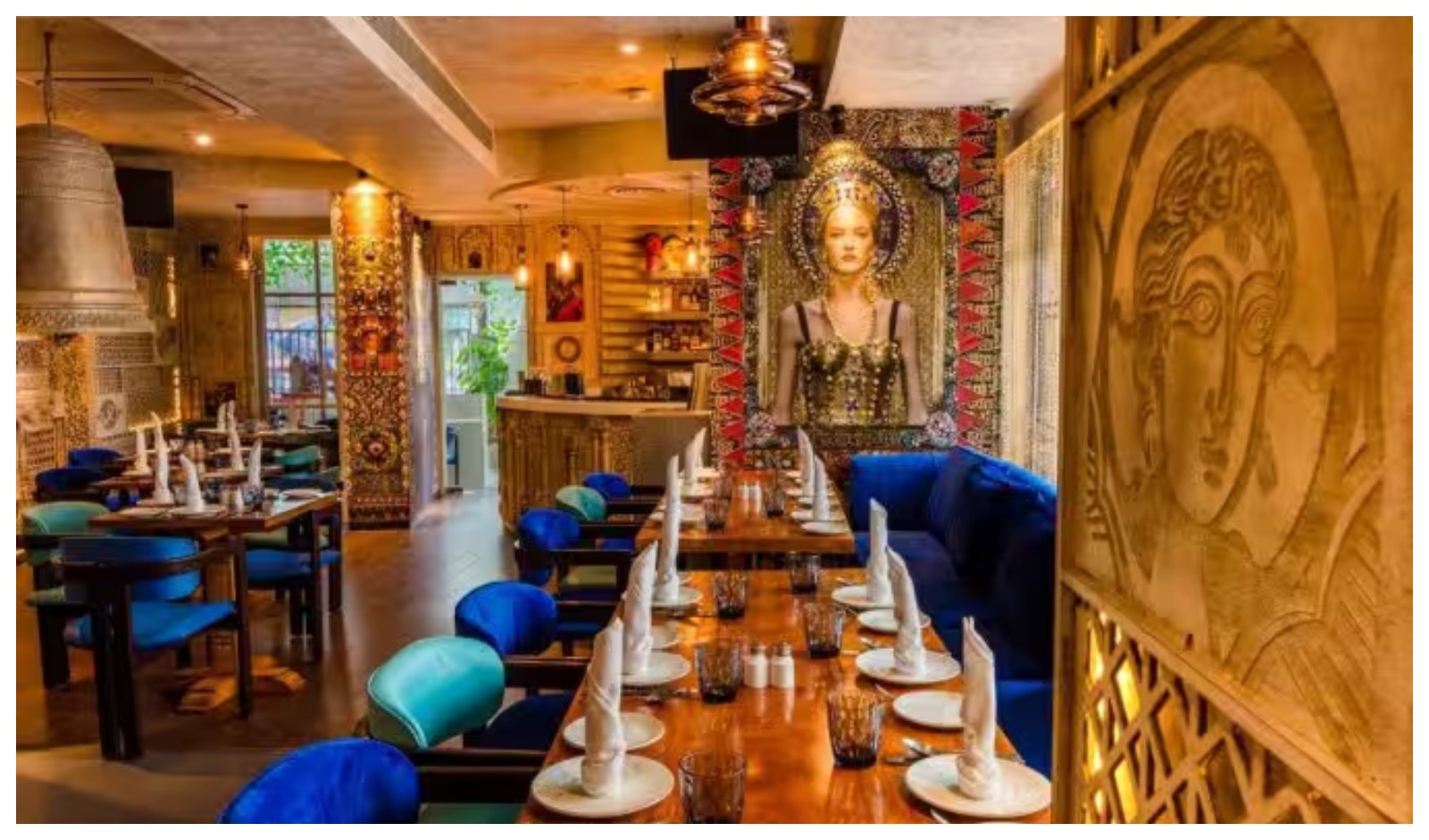
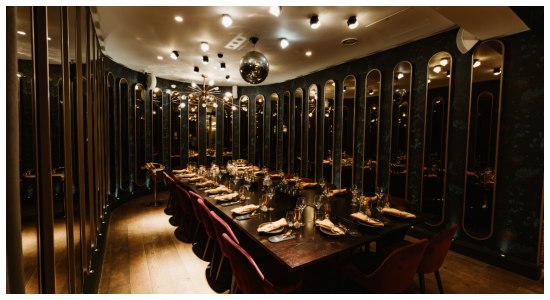
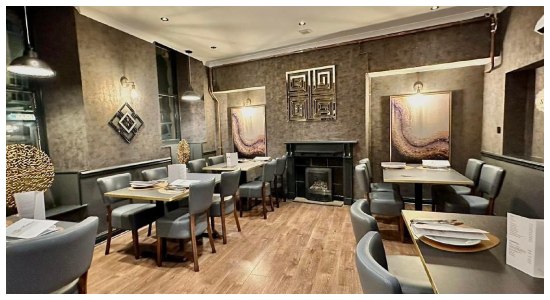
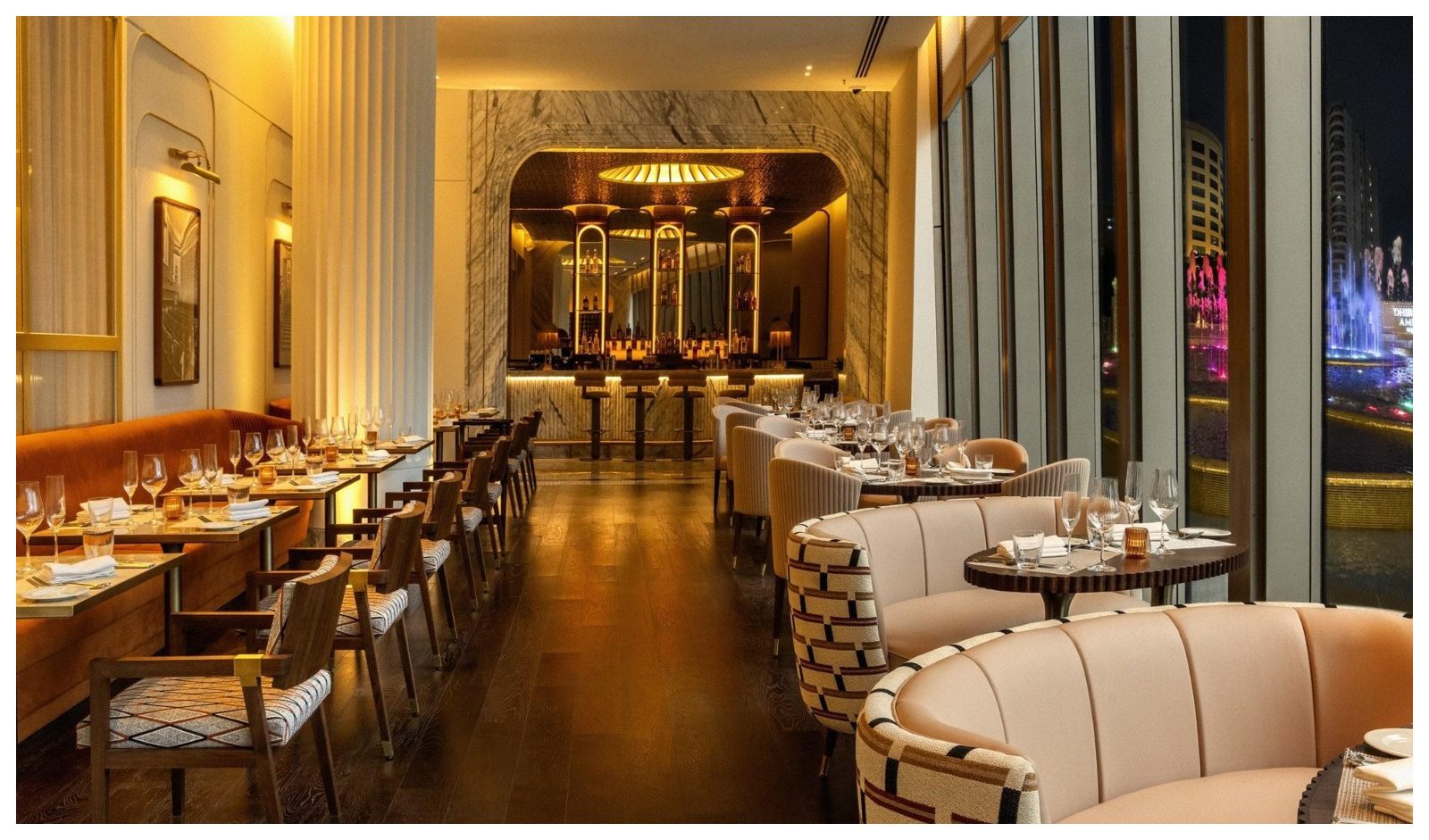
The ambiance of a restaurant isn’t just a backdrop—it’s a critical part of the experience. Lighting, music, decor, and even furniture choices come together to create a space that fosters emotion and connection. Personalized service takes things further, turning an ordinary meal into a memorable experience. Restaurants that master this art blend human warmth with flawless operations.
John Royerr, Founder of Goa-based Ochre Spirits and Ochre Bar & Kitchen, shares, “A truly memorable dining experience feels effortless yet intentional. Atmosphere is about subtle precision—lighting that sets the mood, acoustics that allow easy conversation, and layouts that offer comfort and flow. It’s a space where guests naturally feel at ease. Service is the key differentiator, though. It’s not just about bringing food to the table; it’s about anticipating needs and providing intuitive, unobtrusive service.”
The Importance of Unique Offerings and Top-Notch Quality
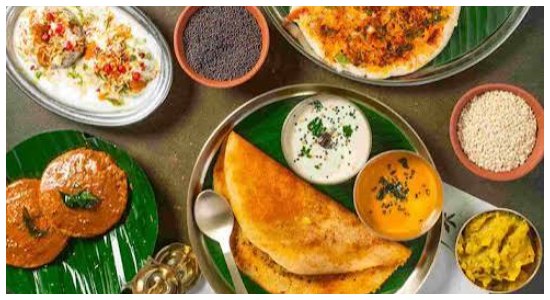
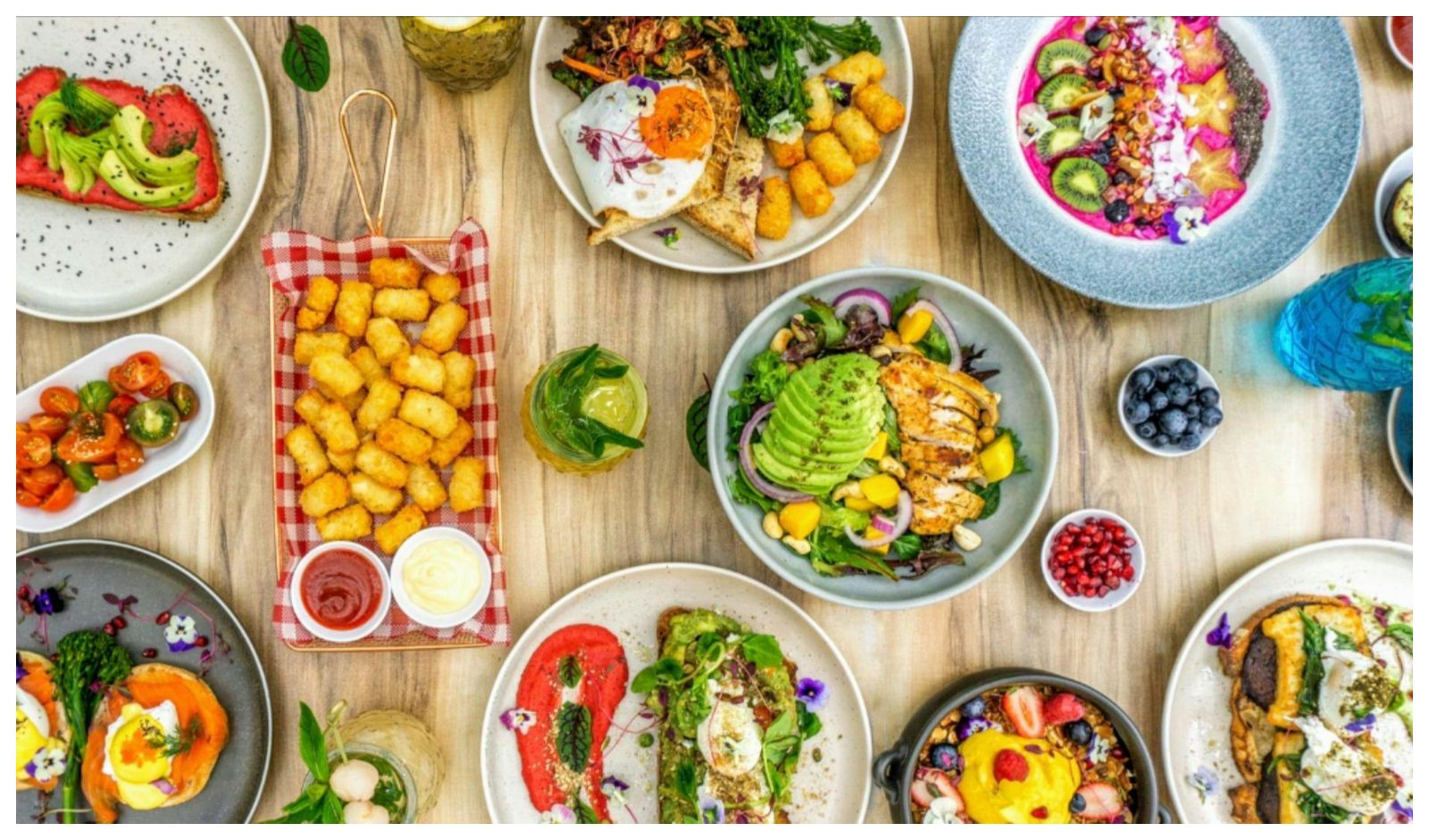
While ambiance and service create the setting, the food is still the star. Diners increasingly gravitate towards menus that showcase creativity and authenticity. The focus on farm-to-table dining, exotic ingredients, and fusion cuisine continues to shape the industry. Restaurants that prioritize quality and inventive dishes find themselves leading in this market
The Role of Technology in Revolutionizing Dining
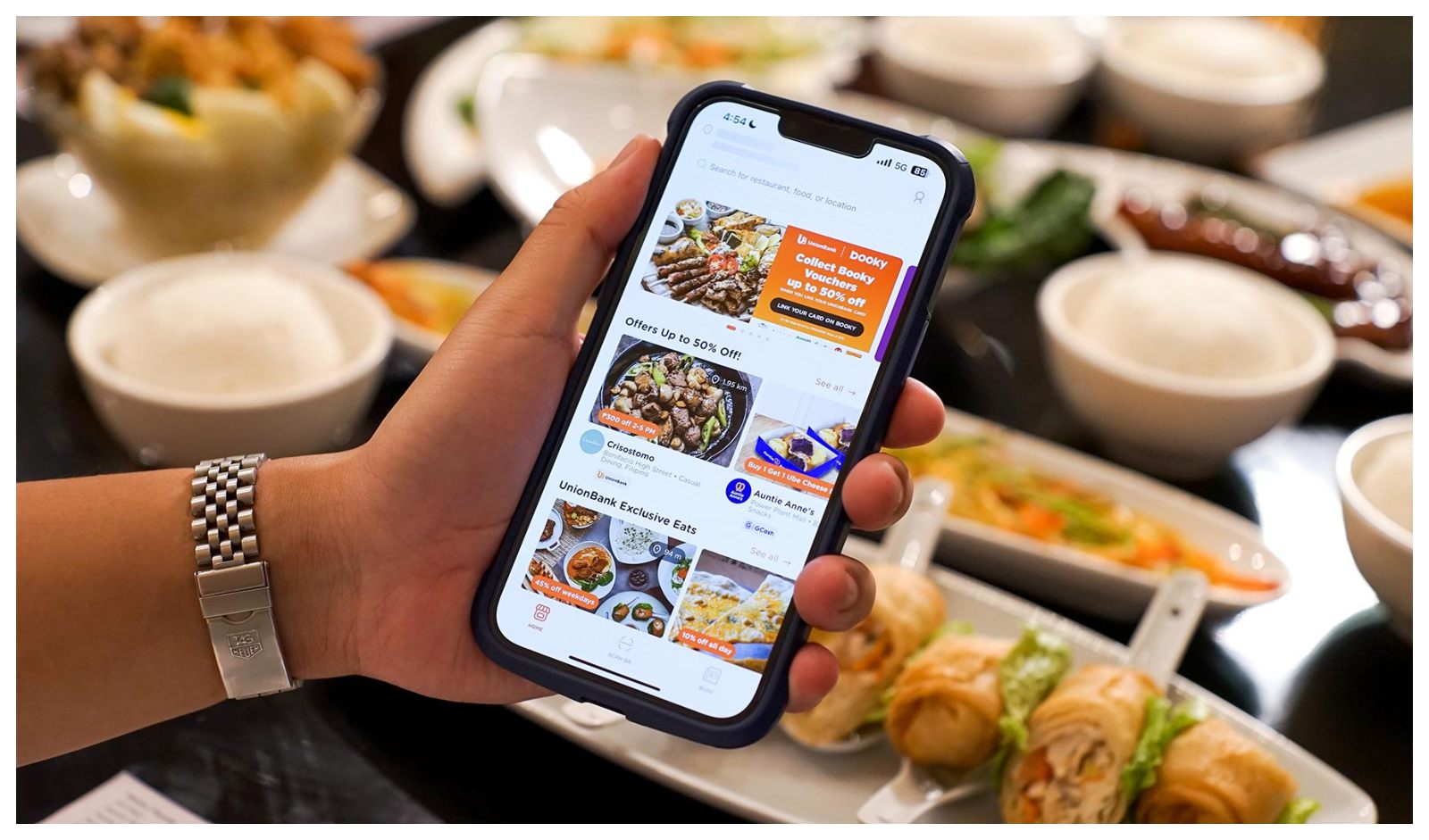
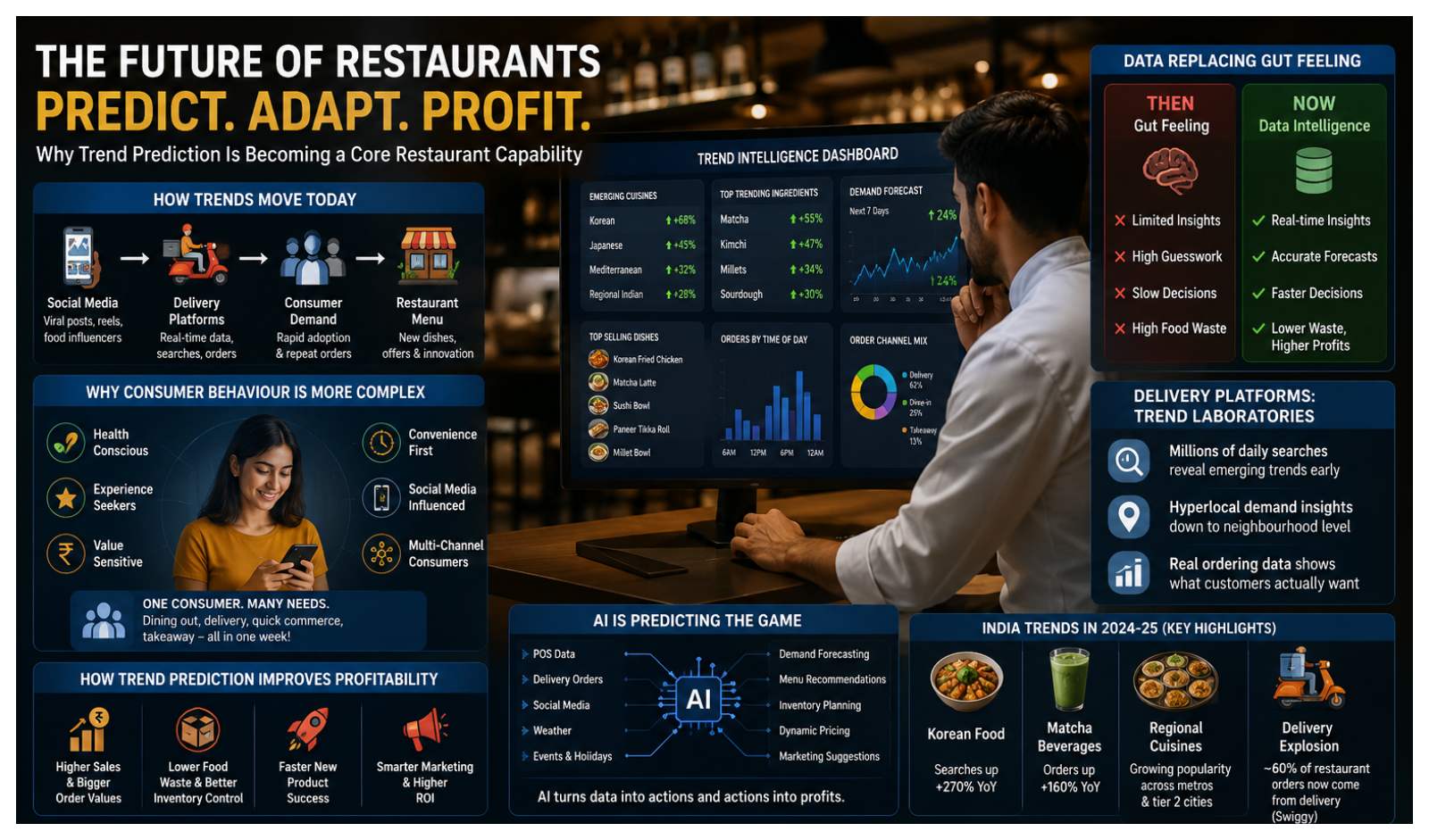
Technology is reshaping how restaurants operate and interact with customers. AI-driven analytics provide insights into diner preferences, enabling highly tailored offerings. Virtual reality is being used to elevate thematic dining experiences, while automation in kitchens ensures consistency and reduces errors. Digital platforms like reservations, pre-ordering, and online feedback make dining out more convenient than ever.
Rajan Sethi & Deepika Sethi, Managing Directors of Bright Hospitality Pvt. Ltd, explained, “At AMPM, our vibrant café and bar create a dynamic yet welcoming ambiance. Attentive service is at the heart of hospitality—a knowledgeable, responsive team can turn a meal into an unforgettable experience. Technology also plays a major role, from seamless reservations to innovations like augmented reality menus. While tech enhances convenience and engagement, it also streamlines operations to ensure consistency.”
Key Challenges and Practical Solutions
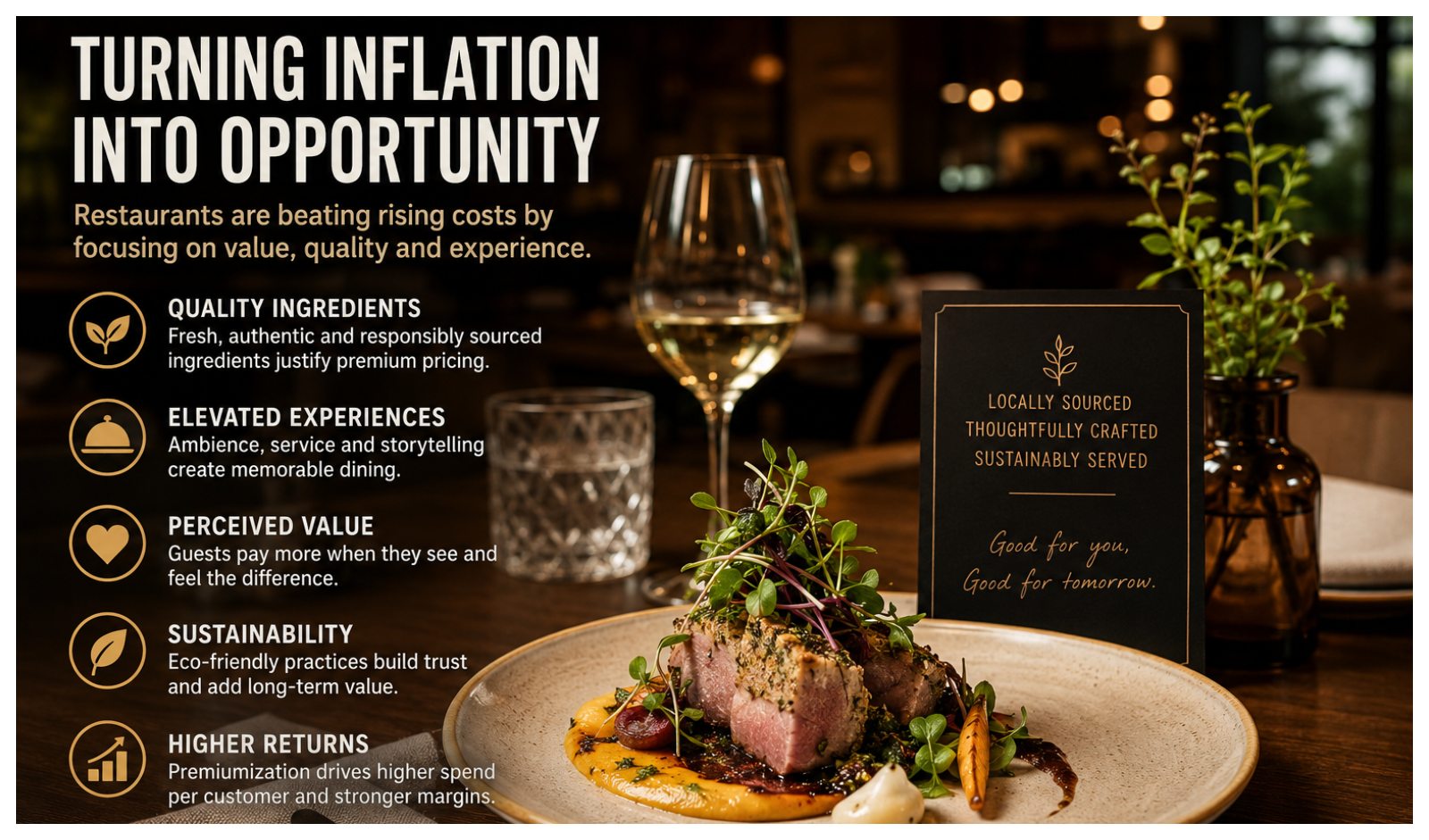
Maintaining consistent quality in food, service, and ambiance is no easy feat. Strong systems, continuous training, and real-time feedback are critical to success. Staff retention remains a challenge, but the solution lies in fostering a culture where employees feel valued and empowered, through respect, skill-building, and ownership. Rising costs are another reality, requiring smarter operations—reducing waste, strengthening vendor relationships, and focusing on local, seasonal ingredients for both quality and efficiency.
Roop Partap Choudhary, ED of Noormahal Group and Founder of Colonel Saab, London, shares, “There are always challenges, like meeting guest expectations for food and service quality. Proper staff training is crucial; the right staff can elevate the experience by making diners feel valued. Attentive, knowledgeable, and polite staff can turn a meal into an experience.”
He adds, “Integrating technology can be tough for some restaurants. However, it’s a game-changer. Restaurant management systems simplify operations, enabling efficient reservations, order management, and payments. Digital menus and table-side tablets help guests make informed choices. Plus, online reviews and social media platforms allow diners to share experiences.”
Utsav Khaitan, Founder of Ditas Mumbai, New Delhi, and San Francisco, adds, “Creating memorable dining experiences isn’t without its challenges. Rising costs, staff shortages, and the pressure to constantly innovate are major obstacles. Today’s diners expect more than just great food—they want a narrative, sustainability, and even entertainment. Balancing these demands while maintaining profitability requires a delicate, strategic approach.”
The Future of Dining
Looking ahead, the future of dining is all about sustainability, personalization, and immersive experiences. Consumers will demand eco-friendly practices, from ingredient sourcing to waste management. Hyper-personalized dining—think tailored menus, customizable environments, and curated experiences—will also be on the rise. Restaurants that embrace these trends while staying true to the heart of hospitality will lead the charge in shaping the next era of dining.
In conclusion, dining is no longer just about food; it's about crafting experiences that resonate on a deeper, emotional level. The restaurant industry’s evolution is focused on creating unforgettable moments by blending tradition with innovation, ensuring that every meal is more than just a dining experience—it’s a memory in the making.
Vijetha Iyer
Content Editor
Working as a Content Editor with Restaurant India. I have worked in various sectors like food and beverage sector, chemicals, pharma, nutraceuticals, now specially focusing on restaurant side. But my core knowledge was always on content. Be it writing poems to verses, I always loved writing and have been exploring my career on the same. In Restaurant India, I deliver insightful stories, take interviews of various brands and update the audiences about the newest happenings in the restaurant industry.